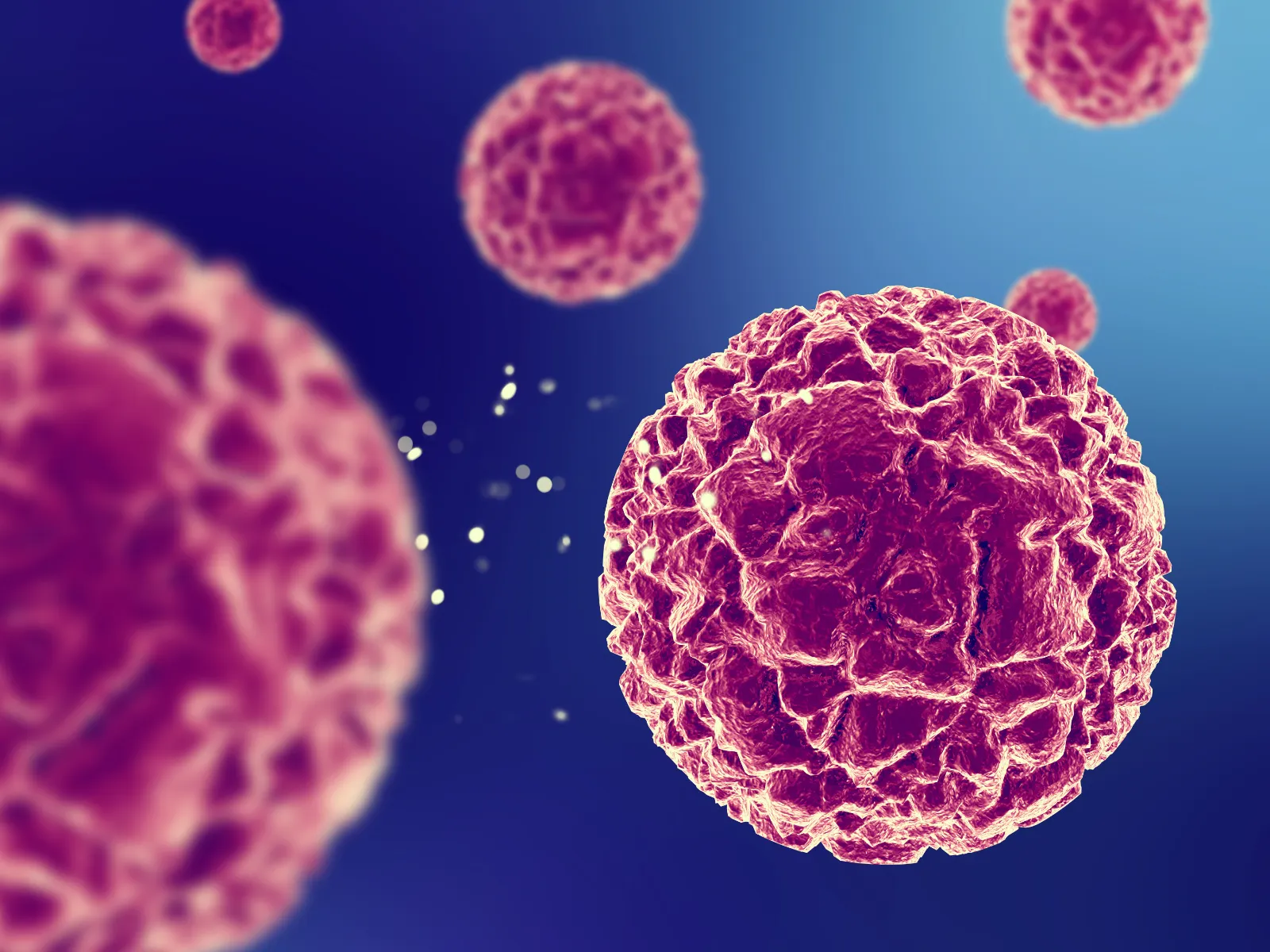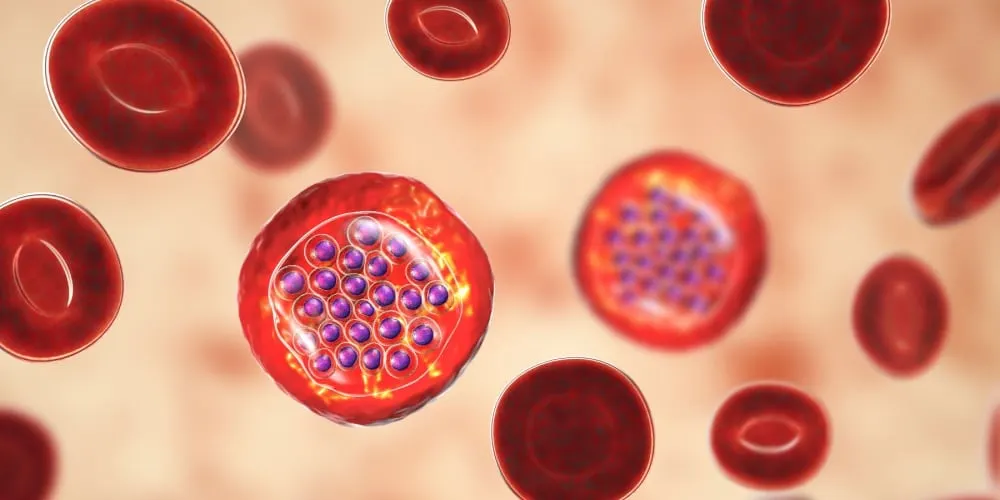
Acute myeloid leukemia (AML) is a type of blood cancer that begins in the bone marrow and leads to the uncontrolled proliferation of immature white blood cells. AML generally progresses rapidly and requires urgent treatment. Genetic mutations or environmental factors may play a role in the development of the disease.
What Is Acute Myeloid Leukemia (AML)?
Blood cancer is the general name for a group of diseases that affect blood cells. These diseases arise from the abnormal proliferation of stem cells found in the bone marrow. AML is one type of leukemia. Immature white blood cells replace healthy blood cells and impair vital functions of the body, such as immunity, oxygen transport and blood clotting.
What Are the Symptoms of Acute Myeloid Leukemia?
The symptoms of acute myeloid leukemia result from a decrease in normal blood cells caused by the excessive production of abnormal cells in the bone marrow. The symptoms of AML are as follows:
Extreme Fatigue and Anemia: The extreme fatigue seen in acute myeloid leukemia is related to the body's inability to carry enough oxygen due to a decrease in red blood cells. Also known as anemia, this condition leads to a serious drop in energy levels and difficulty in carrying out daily activities. Patients often feel intense exhaustion even during simple tasks.
Shortness of Breath: In acute myeloid leukemia, shortness of breath results from the body's inability to carry enough oxygen due to a decrease in red blood cells. Patients often have difficulty breathing even at rest, and shortness of breath may increase during activity.
Easy Bruising and Bleeding: A decrease in blood cells called platelets impairs the blood's ability to clot. This condition causes the body to bruise easily, even without any injury, and leads to prolonged bleeding from small cuts. Gum bleeding and nosebleeds are also common. These symptoms occur when leukemia cells replace healthy cells.
Frequent Infections: White blood cells play a critical role in the body's fight against infections. However, in acute myeloid leukemia, the number and function of these cells decrease, so the immune system weakens. This causes patients to contract infections frequently, and these infections may take a long time to heal.
Pale Skin: Pale skin results from a deficiency of red blood cells in the body. When red blood cells are not at sufficient levels, the skin cannot be adequately oxygenated, and this causes patients' skin to have a pale, colorless appearance.
Bone and Joint Pain: Bone and joint pain occurs due to the accumulation of abnormal cells in the bone marrow. Leukemia cells accumulate in the bone marrow and create pressure, which leads to pain. This pain is usually felt in long bones and joints.
Loss of Appetite and Weight Loss: The effects of cancer on the body alter metabolism, lower energy levels and lead to general weakness. As a result, patients may lose their appetite, which can cause involuntary weight loss.
Fever: Fever may result from a weakening of the body's capacity to fight infections or from the stress that leukemia cells themselves place on the body. As white blood cells become dysfunctional, the immune system has difficulty controlling infections. This can cause recurrent or unexplained fever spikes.
What Are the Causes of Acute Myeloid Leukemia?
Acute myeloid leukemia begins when certain stem cells in the bone marrow undergo mutations and mature abnormally. These mutations prevent the normal development of myeloid cells (white blood cells, red blood cells and platelets) and cause dysfunctional cells to multiply uncontrollably. These abnormal cells replace healthy cells and disrupt blood production. Although the exact causes of this condition are not fully known, it is thought that the following factors play a role in the development of the disease:
Genetic Mutations: Genetic disorders cause cells to grow uncontrollably and replace healthy cells. This leads to leukemia.
Smoking: Toxic chemicals found in cigarette smoke can damage the DNA in the body and cause mutations in blood cells. This genetic damage can trigger the development of leukemia.
High-Dose Radiation or Certain Chemicals: Radiation can cause DNA damage in cells, leading to abnormal proliferation of blood cells. Chemicals such as benzene can also affect the development of blood cells and cause leukemia.
Previous Cancer Treatments: Certain chemotherapy drugs and radiotherapy in particular can cause DNA damage in blood cells. These treatments can affect the genetic structure of healthy cells and cause mutations that may lead to leukemia.
Certain Genetic Disorders: The risk of AML is higher in people with hereditary disorders, particularly Down syndrome, Fanconi anemia, Bloom syndrome and Li-Fraumeni syndrome.
How Is Acute Myeloid Leukemia Diagnosed?
Acute myeloid leukemia is usually diagnosed through several comprehensive tests. The first step is a complete blood count (CBC) to detect abnormalities in blood cells. This test shows imbalances in the number of white blood cells (leukocytes), red blood cells (erythrocytes) and platelets. If abnormalities are present, a bone marrow biopsy is performed. In this procedure, a sample is taken from the bone marrow and the structure of the cells is examined under a microscope. In addition, genetic and molecular tests are performed to analyze specific mutations and chromosomal changes in cancer cells. This genetic information helps to determine the subtype of the disease and to select the most appropriate treatment method.
What Are the Treatment Methods for Acute Myeloid Leukemia?
Treatment methods are generally determined based on factors such as the stage of the disease, the patient's age and overall health condition. In chemotherapy, the most common treatment method, powerful drugs are used to destroy cancer cells. In advanced cases, stem cell transplantation may be an important treatment option. In this process, stem cells from a donor are transplanted into the patient to produce healthy blood cells. Radiotherapy is also used in some cases, particularly when leukemia cells have spread to certain areas of the body or as preparatory treatment before a stem cell transplant. In recent years, targeted drugs that act on genetic mutations and immunotherapies are also among the treatment options. These treatments are selected according to the patient's genetic profile and target specific features of cancer cells. This disease can be physically and emotionally draining. Long-term management requires regular monitoring and care, depending on the course of the disease and the response to treatment. During recovery from acute myeloid leukemia, it is important for patients to be monitored with regular blood tests, bone marrow biopsies and doctor check-ups. During this process, it is important for patients to receive psychological support and to build a strong bond with their families.
What Is the Role of Chemotherapy in Acute Myeloid Leukemia?
Chemotherapy is a treatment method in which powerful drugs are used to destroy cancerous cells. In AML, chemotherapy aims to stop the rapid growth of leukemia cells. Treatment is usually given in several cycles and aims to bring the disease fully under control. The first phase, remission induction, targets the majority of leukemia cells, while the second phase clears the remaining cells and prevents the disease from recurring. Chemotherapy can affect healthy cells as well as leukemia cells. For this reason, the process is closely monitored. Sometimes it is also used before a stem cell transplant and plays a critical role in controlling the disease.
Frequently Asked Questions
Patients with acute myeloid leukemia can be of any age group, but the rate of disease is higher in older age groups. AML is slightly more common in men than in women, and the likelihood of developing it is higher in people with risk factors such as genetic predisposition, previous cancer treatments, smoking and chemical exposure. At the same time, the risk of AML is also increased in people with certain genetic disorders. However, it can rarely occur in children as well. The most commonly used methods for treating acute myeloid leukemia include chemotherapy, stem cell transplantation and targeted therapies. While chemotherapy is used to destroy leukemia cells, stem cell transplantation helps the regeneration of healthy cells. Targeted drugs based on genetic mutations specifically target cancerous cells. AML treatment may have side effects, and these generally depend on the treatment method used. Because chemotherapy targets rapidly dividing cells, it can also damage healthy cells. This may lead to side effects such as fatigue, nausea, hair loss, susceptibility to infections, anemia and bleeding. Stem cell transplantation may cause complications such as problems related to the immune system and Graft-Versus-Host disease. It is possible to stop the progression of acute myeloid leukemia. In cases diagnosed early, treatment methods such as chemotherapy and stem cell transplantation can bring the disease under control and achieve remission. Remission is a period in cancer treatment in which the signs of the disease completely or partially disappear. Early diagnosis provides time to bring the disease under control and enables treatment to begin more quickly. In some cases, targeted therapies and immunotherapy may also be effective in stopping the progression of AML. However, the response to treatment may vary from person to person and requires continuous monitoring. Since the symptoms of acute myeloid leukemia can be confused with other diseases, a definitive diagnosis can be made through medical tests. To learn more about acute myeloid leukemia, to receive a definitive diagnosis or to evaluate treatment options for this disease, it is important to consult a specialist. Our hospital provides services with an experienced hematology team that has a high success rate in the treatment of acute myeloid leukemia. Thanks to JCI accreditation, it offers reliable treatment that complies with international standards.
Start with the right assessment for What Is Acute Myeloid Leukemia (AML)? Symptoms and Treatment Methods
Share your symptoms with our specialist physicians; let us determine the right diagnosis and treatment plan together.
Warning
If your symptoms started suddenly, are progressing rapidly, or significantly restrict your daily life, consult a physician without delay.
Plan your What Is Acute Myeloid Leukemia (AML)? Symptoms and Treatment Methods journey with our specialists.
Fill in the form or book an appointment to learn about treatment options, the process and preparation.