Acute lymphoblastic leukemia is a type of cancer that develops in the blood and bone marrow. The word "acute" means that, if left untreated, the disease worsens rapidly. Symptoms such as weakness and a feeling of tiredness, easy bruising and bleeding, shortness of breath, and swelling of the lymph nodes may develop. For diagnosis, a physical examination is performed first and a medical history is taken. Various blood, bone and genetic tests are also used during diagnosis. Treatment of acute lymphoblastic leukemia may include chemotherapy, radiation therapy, stem cell transplantation and various medical procedures.
What Is Acute Lymphoblastic Leukemia (ALL)?
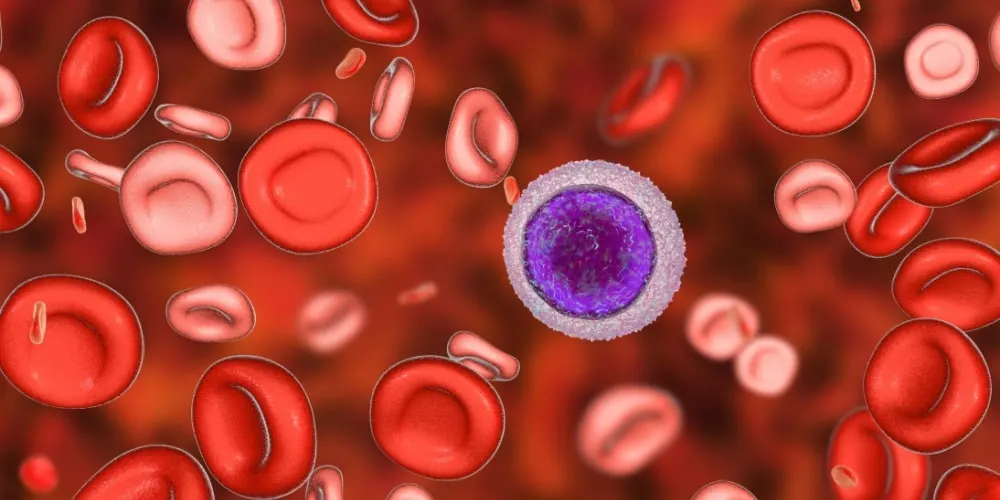
The pathophysiology of acute lymphoblastic leukemia can be summarized as follows: Lymphocytes normally fight infections that develop in the body. In ALL, the bone marrow produces abnormal and immature lymphocytes. Abnormal lymphocytes cannot fight infections. Entering the bloodstream, they can spread, in addition to the bone marrow, to other areas of the body such as the central nervous system (brain and spinal cord), liver, testicles, skin and lymph nodes.
Acute leukemia means that the condition progresses rapidly and aggressively and requires urgent treatment. It is seen more often in men than in women. The incidence of ALL is approximately 3.3 cases per 100,000 children. There are two main types: T-cell acute lymphoblastic leukemia and B-cell acute lymphoblastic leukemia. T-cell ALL affects T cells, which destroy microbes and support other immune system cells. B-cell ALL affects B cells, which produce antibodies and fight infection. B-cell ALL accounts for 75% to 80% of cases.
What Are the Symptoms of Acute Lymphoblastic Leukemia?
In people with acute lymphoblastic leukemia, the bone marrow produces large numbers of abnormal lymphocytes, which displace other important blood cell types such as red blood cells and platelets and cause various symptoms. Symptoms of acute lymphoblastic leukemia can appear at any age. ALL symptoms can be listed as follows:
Feeling tired,
Unintentional weight loss and loss of appetite,
Fever and night sweats,
Shortness of breath,
Chest pain, pain and fullness under the ribs,
Easy bruising and bleeding,
Nose and gum bleeding,
Pale skin and small red spots,
Abdominal pain and bloating,
Swollen lymph nodes in the neck, armpits and groin,
Bone and joint pain,
Recurrent infections and slow healing within a short period,
Headaches,
Weakness and numbness in the facial muscles,
Enlarged liver,
Enlarged spleen,
Seizures,
Palpitations and heart murmur,
Vomiting,
Dizziness,
Blurred vision.
What Are the Causes of Acute Lymphoblastic Leukemia?
Genetic mutations are considered among the main causes of acute lymphoblastic leukemia. It is thought that damage to DNA causes uncontrolled growth of lymphocyte cells and their spread throughout the body. Causes and risk factors of acute lymphoblastic leukemia can be listed as follows:
Down syndrome,
Fanconi anemia,
Ataxia telangiectasia,
Bloom syndrome,
Klinefelter syndrome,
Li-Fraumeni syndrome,
Neurofibromatosis type 1,
Wiskott-Aldrich syndrome,
Having previously received chemotherapy or radiotherapy,
Exposure to ionizing (high-energy) radiation,
Long-term benzene exposure,
Obesity,
Certain viral infections such as Epstein-Barr virus or human T-cell leukemia virus,
HIV/AIDS or a weakened immune system due to medications given after organ transplantation.
How Is Acute Lymphoblastic Leukemia Diagnosed?
The age at which diagnosis is most common is between 2 and 10 years. Diagnosis is made by hematologists and oncologists. In the first stage of ALL diagnosis, healthcare professionals evaluate the symptoms and medical history. This is followed by a physical examination, in which swollen lymph nodes in particular are evaluated. Blood and genetic tests are preferred for diagnostic purposes. The following methods may be used for the diagnosis of acute lymphoblastic leukemia:
Blood tests: A complete blood count, blood chemistry tests, and liver and kidney function tests can provide necessary information about the number of normal blood cells in the body and the functioning of organs.
Imaging studies: Imaging tests such as X-ray, CT scan, MRI and ultrasound may be used. They can be used to rule out causes of symptoms and to look for a mass of leukemia cells that may affect breathing or blood circulation in the chest.
Bone marrow biopsy: The skin is numbed using local anesthesia by hematologists, and a sample is taken from the bone marrow with a needle. Samples are usually taken from the hip bone. The samples taken are examined under a microscope. After the anesthesia wears off, mild pain, discomfort or bruising may develop.
Cytogenetic testing: Includes determining the genetic structure of cancer cells. It helps to understand genetic variations that may arise during leukemia. Knowing these variations has an important effect on treatment.
Immunophenotyping: A test that helps determine the exact type of acute lymphoblastic leukemia. Samples of blood, bone marrow and another type of fluid are examined.
Polymerase chain reaction (PCR): PCR testing can be performed on a blood sample. It is an important test for monitoring diagnosis and response to treatment.
Lymph node biopsy: Diagnosis can be made by biopsy of enlarged lymph nodes, or the extent to which the leukemia has spread can be determined.
Lumbar puncture (collection of spinal fluid): A hollow needle is used to take a small amount of fluid from the brain and spinal cord. The fluid is checked for cancer cells. It can also help plan treatment.
What Are the Treatment Methods for Acute Lymphoblastic Leukemia?
Treatment of acute lymphoblastic leukemia can generally be divided into several stages. Induction therapy is considered the first stage. The aim is to kill most of the leukemia cells in the blood and bone marrow and to restore normal blood cell production. Consolidation therapy aims to eliminate leukemia remaining in the body. Maintenance therapy is the third stage. It prevents leukemia cells from regrowing. The necessary treatments are usually given at low doses over several years. Preventive treatment for the spinal cord may be applied as additional treatment at every stage to kill leukemia cells. It targets leukemia cells in the central nervous system. Chemotherapy drugs are usually injected directly into the fluid surrounding the spinal cord. The following information can be given about treatment methods for acute lymphoblastic leukemia:
Chemotherapy: Chemotherapy is treatment with special drugs that kill cancer cells. Which drugs the patient receives, and in which combination, depends on the subtype of ALL and how quickly the disease is progressing. The response of cancer cells to the first treatment helps in selecting the next type of chemotherapy. Chemotherapy can be given by injection into a vein or muscle, orally in pill form, or into the cerebrospinal fluid.
Targeted therapy: Treatments provided with special drugs that locate cancer cells and attack them without harming normal cells.
Radiation therapy: A treatment procedure that uses high-energy X-rays to kill cancer cells. It can be applied to treat advanced ALL that has spread to the nervous system or brain, and to prepare the body for bone marrow transplantation. It may cause side effects such as hair loss, nausea and fatigue. In young children, it may lead to restricted physical development.
Bone marrow transplantation: Patients with fast-progressing types of ALL may need a stem cell transplant. Cancer, bone marrow and immune system cells are destroyed by chemotherapy or radiotherapy. Bone marrow from suitable donors is then placed into the patient's body.
What Is the Role of Chemotherapy in Acute Lymphoblastic Leukemia?
Chemotherapy is the main form of treatment for acute lymphoblastic leukemia. It is given in several cycles at intervals of a few weeks, as a combination of drugs that includes steroids. Initially, the aim of treatment is to destroy leukemia cells and achieve a reduction in disease symptoms (remission). In some cases where there is a high likelihood of the leukemia recurring, a more intensive treatment combined with stem cell transplantation may be recommended for patients. Even after recovery, it may be necessary to continue chemotherapy for several more years. Side effects after chemotherapy are common:
Nausea and vomiting,
Loss of appetite,
Diarrhea,
Mouth ulcers,
Fatigue,
Skin rashes,
Hair loss,
Infertility.
Frequently Asked Questions
Acute lymphoblastic leukemia is a health problem that may develop in individuals of any age group. However, some groups have certain factors that increase the risk of ALL. Being male, being white, being over 70 years of age, high radiation exposure, having received chemotherapy and radiotherapy, and having certain genetic disorders can be counted among these factors. Survival rates for acute lymphoblastic leukemia vary according to the patient's age. More than 90% of children from birth to age 14, more than 70% of children aged 15 to 19, and more than 30% of people aged 20 and over have been found to survive five years after diagnosis. In general, more than 65 out of 100 patients with ALL may survive 5 years or longer after diagnosis. The main methods used in ALL treatment have been explained in detail above. These methods can be listed as chemotherapy, radiotherapy, stem cell transplantation, targeted therapies, and supportive treatments applied to prevent infections and control pain. The treatment plan is individually created by an oncology specialist and hematologist according to the patient's age and general health condition. ALL treatment has side effects such as nausea, vomiting, hair loss, swelling of the face and lower legs, skin rashes, diarrhea and muscle cramps. ALL is a rapidly progressing type of blood cancer. However, remission (stopping or slowing the progression) is possible with various treatment procedures. Early diagnosis and treatment are of great importance in stopping the progression of the disease. Acute lymphoblastic leukemia is a rare blood cancer. Anyone can develop ALL, but it is more common in young children than in adolescents and adults. Many treatment procedures are available, and with these procedures patients can achieve an improved quality of life and a longer life expectancy. Early diagnosis is very important for maximum benefit from treatment. If you or your loved ones show signs of acute lymphoblastic leukemia, it is recommended that you consult a doctor at our hospital.
Start with the right assessment for What Is Acute Lymphoblastic Leukemia (ALL)? Symptoms and Treatment Methods
Share your symptoms with our specialist physicians; let us determine the right diagnosis and treatment plan together.
Warning
If your symptoms started suddenly, are progressing rapidly, or significantly restrict your daily life, consult a physician without delay.
Plan your What Is Acute Lymphoblastic Leukemia (ALL)? Symptoms and Treatment Methods journey with our specialists.
Fill in the form or book an appointment to learn about treatment options, the process and preparation.