Known colloquially as “blood clot formation in the veins,” Acute Deep Vein Thrombosis is life-threatening. Specialists from the Cardiovascular Surgery Department at Hisar Hospital Intercontinental explain everything you need to know about Acute Deep Vein Thrombosis.
What is Acute Deep Vein Thrombosis, or Acute DVT in medical terms?
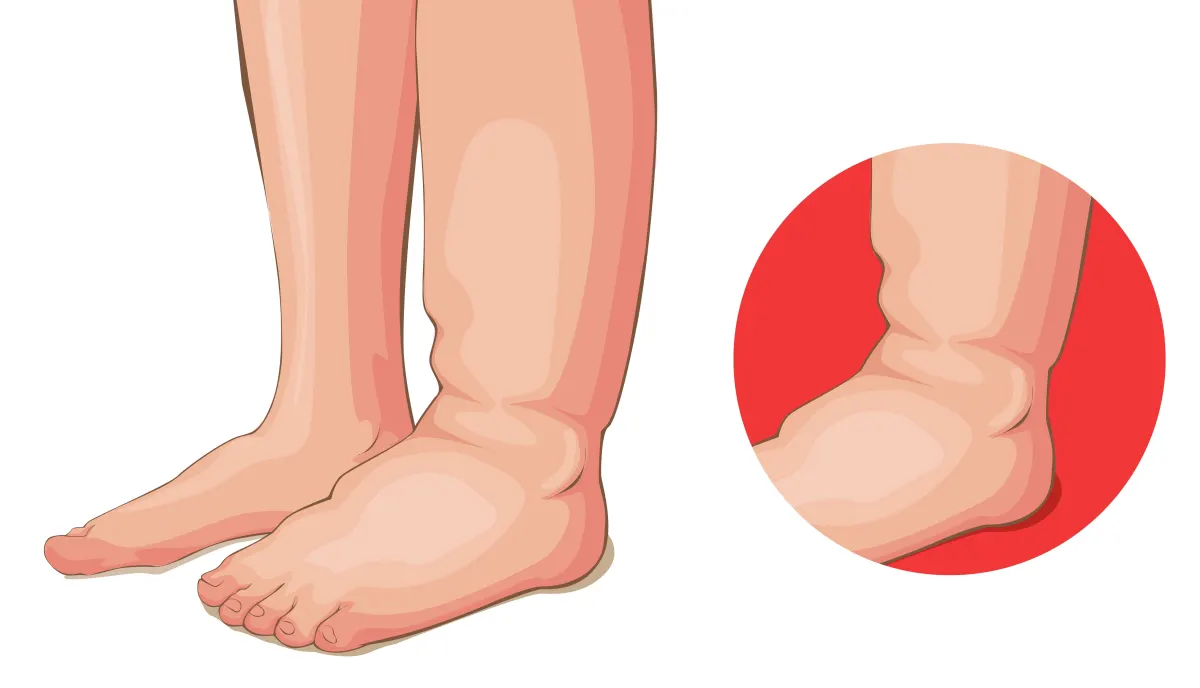
Acute Deep Vein Thrombosis, or Acute DVT in medical terms, is the sudden blockage of the veins of the lower extremities, mostly the veins of the legs, by a blood clot (thrombus). This condition can be life-threatening, and it can also negatively affect quality of life and psycho-social well-being.
What is the most common symptom of Acute Deep Vein Thrombosis?
It is the sudden onset of swelling and pain in the leg. Due to the swelling in the leg, the diameter increases, and pain and tenderness develop during movement. These complaints increase further while walking or standing still.
How is Acute Deep Vein Thrombosis diagnosed?
A person experiencing these complaints must urgently be examined by a Cardiovascular Surgeon. Along with the examination, a definitive diagnosis is made by visualizing the clot inside the vein of the swollen lower extremity, i.e., the leg veins, with color Doppler ultrasound.
What is the most serious complication of Acute Deep Vein Thrombosis?
The most serious complication of this disease is that a clot within the leg vein breaks loose, enters the bloodstream, and blocks the vessels that carry blood to the lungs, causing tissue death (necrosis) in the lung. This is called “pulmonary embolism” in medical terminology. Pulmonary embolism is a disease with a high mortality rate that can result in the patient’s death, and it is the most feared complication of Acute DVT.
Is there a treatment for Acute Deep Vein Thrombosis?
Acute DVT is a disease that can mostly be prevented and treated with early diagnosis. The fundamental principle of treatment is to prevent the formation of a new clot and to stop the progression of an existing clot within the vein. Especially if a clot formed within the first 6 hours is detected, it can be dissolved with thrombolytic, i.e., “clot-dissolving,” drugs and the blocked vein can be reopened.
Who is at risk of Acute Deep Vein Thrombosis?
Individuals with a sedentary lifestyle, patients with morbid obesity, smokers, patients who have stayed in intensive care for a long time, especially those with limited mobility, patients who have undergone extensive and long-lasting surgery, patients with a bone fracture, splint, or cast, individuals who travel long distances (especially long-haul air travel), oncology patients, and patients with a genetic predisposition to clotting disorders are at risk.
How can we protect ourselves from Acute Deep Vein Thrombosis?
We should adopt an active lifestyle. In our daily lives, we should do light sports activities such as exercises, walking, and swimming. We should keep our body mass index within normal limits and, if we are overweight, try to lose the excess weight. We should not use cigarettes or other tobacco products, and if we do, we should look for ways to quit. If we are going to travel long distances, we should take breaks at intervals along the way to exercise our leg muscles, and if this is not possible, we should wear compression stockings for varicose veins during the journey.
Remember that Acute Deep Vein Thrombosis and Pulmonary Embolism are life-threatening diseases.
If Detected Early, They Can Be Prevented and Treated.
Start with the right assessment for Acute Deep Vein Thrombosis (Acute DVT)
Share your symptoms with our specialist physicians; let us determine the right diagnosis and treatment plan together.
Warning
If your symptoms started suddenly, are progressing rapidly, or significantly restrict your daily life, consult a physician without delay.
Plan your Acute Deep Vein Thrombosis (Acute DVT) journey with our specialists.
Fill in the form or book an appointment to learn about treatment options, the process and preparation.