

Gynecological Oncology
The Gynecological Oncology department deals with cancers and precursors occurring in women's genital organs. Our experienced and specialized medical team, applying JCI standards, is at the service of our patients for early diagnosis, follow-up, and treatment of cancer through colposcopy, routine screening tests, and laparoscopic procedures.
About the Department
The scope, approach and highlighted services of the department.
Gynecologic oncology is a specialized field of medicine that focuses on all cancers associated with the female reproductive organs, including uterine cancer, cervical cancer, ovarian cancer, vaginal cancer and vulvar cancer, and on their treatment. When cancer is diagnosed, many treatment options are available. Effective treatment methods include surgery, chemotherapy and radiation therapy.
What Is Gynecologic Oncology?
Gynecologic oncology deals with the diagnosis and treatment of cancers of the female reproductive system. All women are at risk of gynecologic cancer, and this risk increases with age. For this reason, gynecologic oncology, which focuses on the prevention, diagnosis and treatment of diseases affecting the female reproductive system, is extremely important. Early diagnosis is of great importance for effective treatment.
Specially trained physicians who diagnose, treat and follow up cancers of the female genital organs and their precursor lesions are called gynecologic oncologists. Seeing a gynecologic oncologist regularly is important for early diagnosis, which is the best way to reduce the risk of serious health complications.
What Are the Symptoms of Gynecologic Cancer?
Of the five main types of gynecologic cancer (cervical cancer, ovarian cancer, uterine cancer, vulvar cancer and vaginal cancer), only cervical cancer can be detected through screening tests. To diagnose the other types of cancer, you need to recognize the symptoms and report them to specialist physicians. The symptoms associated with each gynecologic cancer may differ. However, some of the common symptoms to be aware of are:
Abnormal vaginal discharge or bleeding
Sudden weight loss
Frequent urination
Swelling in the legs
Loss of appetite and a constant feeling of fullness
Pain in the pelvis or abdomen
Persistent fatigue
Abdominal bloating
Prolonged nausea
Burning or itching of the vulva (the external part of the female genitals)
Having these symptoms does not mean that you have cancer. However, if they last two weeks or longer, you should make an appointment with a gynecologist as soon as possible to have your condition evaluated.
What Causes Gynecologic Cancer?
Each type of cancer has its own risk factors and causes. Some of these cancer-causing factors are under your control, while others are not.
Causes of gynecologic cancer that you can manage:
Health problems such as diabetes and hypertension
HIV infection or AIDS
Obesity
Smoking
HPV infection
Not having regular gynecologic examinations
Causes of gynecologic cancer that you cannot change:
Age
Polycystic ovary syndrome
Infertility
Family history of cancer
Exposure to the drug diethylstilbestrol while in the womb
Menstrual factors such as starting periods before age 12 or entering menopause after age 50
What Are the Risk Factors for Gynecologic Cancer?
Factors that increase your chance of developing a disease are called risk factors. Each cancer has different risk factors. For example, smoking is a risk factor for most cancers. However, having these factors does not mean that you will develop the disease.
Cervical Cancer Risk Factors
The risk of cervical cancer is known to be affected by the human papillomavirus (HPV). Sexually transmitted HPV is a common infection. In patients diagnosed with high-risk HPV, smoking and long-term use of birth control pills may increase the risk of developing cervical cancer.
Cervical cancer can also develop as a result of exposure to the drug diethylstilbestrol (DES). This drug is a synthetic form of estrogen that was prescribed to pregnant women between 1940 and 1971. If you were exposed to this drug in the womb, you can consult your doctor about your risk of cervical cancer.
Ovarian Cancer Risk Factors
Many women can develop ovarian cancer without being at high risk. However, the following conditions may increase the risk of developing ovarian cancer:
Genetic predisposition
Family history of breast or ovarian cancer
Increasing age
Obesity
Never having been pregnant
Postmenopausal hormone replacement therapy
Uterine Cancer Risk Factors
The following factors may increase the risk of developing uterine cancer:
Age: Uterine cancer most often occurs after the age of 50.
Genetics: The risk of uterine cancer is high in patients with a family history of colon cancer or other cancers.
Type 2 diabetes: Patients with type 2 diabetes, which is often associated with excess weight, may have an increased risk of uterine cancer.
Other cancers: People who have had colon cancer, breast cancer or ovarian cancer have a higher risk of developing uterine cancer.
Radiation therapy: Having previously received radiation therapy to the pelvic area for another cancer increases the risk of uterine cancer.
Vaginal Cancer Risk Factors
Vaginal cancer is most often caused by the HPV virus. Other risk factors for vaginal cancer include:
Being over 60 years of age
A history of uterine cancer or cervical cancer
Smoking
Exposure to the drug DES while in the womb
Vulvar Cancer Risk Factors
As with several other types of cancer, an important risk factor for vulvar cancer is the HPV virus. In people with HPV, smoking further increases the risk of developing cancer.
Another factor that can cause vulvar cancer is lichen sclerosus. Lichen sclerosus is a rare autoimmune disease that causes thinning of the vulva. Its most common symptom is itching.
What Are the Symptoms of Uterine Cancer at a Young Age?
Uterine cancer is mostly seen after menopause, and most patients are between 50 and 60 years old. However, uterine cancer can rarely be seen in young patients as well. There is a strong relationship between obesity and the development of uterine cancer in young women.
One of the main symptoms of uterine cancer at a young age is abnormal uterine bleeding. Bleeding between periods, periods that last longer than they should, or excessive bleeding are considered abnormal.
Pain in the pelvic area is another symptom seen in patients who develop uterine cancer at a young age.
Pain after sexual intercourse, urinary dysfunction and abnormal vaginal discharge are also symptoms that may be seen in people who develop uterine cancer at a young age.
If you experience one or more of the symptoms of uterine cancer at a young age, do not ignore them and contact a specialist as soon as possible.
How Are Diagnosis and Treatment Performed in Gynecologic Oncology?
Gynecologic cancer can be diagnosed in various ways depending on the patient's family history, medical history and symptoms. In patients diagnosed with gynecologic cancer, the treatment plan may vary according to many factors, such as the type of cancer, how far it has spread and whether the patient is of reproductive age.
Diagnosis in Gynecologic Oncology
In gynecologic oncology, diagnosis is made using various diagnostic tests. After a physical examination, your doctor determines which diagnostic tests are necessary. The diagnostic tests are:
Blood tests: Special blood tests are available that show tumor markers and other blood components to determine the presence of cancer. By reviewing the test results, your doctor can plan the next steps in the diagnostic process.
Pap smear test: These tests are usually performed during routine gynecologic examinations. Even if there are no signs of cancer, cells are taken from the surface of the cervix and sent for testing. This test is an effective way to detect cell abnormalities before they turn into cancer.
Imaging tests: These are tests that create images of the tissues in the pelvis and abdomen to visualize any tumor. Ultrasound, magnetic resonance imaging (MRI), X-rays, positron emission tomography (PET) scans and computed tomography (CT) scans are commonly used imaging tests. Hysteroscopy (H/S, used to view the inside of the uterus, take biopsies under direct vision, remove adhesions and provide treatment) is also performed.
Uterine X-ray (HSG): This is another diagnostic method used to image the uterine cavity. It is an X-ray procedure used to visualize the uterus and fallopian tubes. It can show whether the uterus is of normal size and shape.
Biopsy: A small piece of tissue suspected of being cancerous is removed for examination in the laboratory. A biopsy is a necessary procedure to confirm the diagnosis of gynecologic cancer.
Gynecologic Cancer Treatment
Treatment options include surgery, medication, chemotherapy and radiation therapy. Surgery is generally the best option for advanced cases. For patients with cervical, uterine and ovarian cancer, hysterectomy (removal of the uterus) is a very common treatment option. Non-surgical treatment options include:
Chemotherapy: Special drug combinations are used to slow or stop the cancer. These drugs are given intravenously or can be taken by mouth as pills.
Radiation therapy: This is the use of high-energy rays to destroy cancer cells. If the patient cannot undergo surgery, the doctor may recommend radiation therapy. A radiation therapy option that should be considered for its effectiveness is “brachytherapy”. Depending on the stage of the tumor, brachytherapy can be applied using two techniques. One of them is placing a device containing a radiation source in the vagina. The other technique, used for larger tumors, is placing several needles into the tumor together with the radiation source. One study reports that patients who had brachytherapy added to their treatment lived longer [16]. The feedback of cervical cancer patients treated with brachytherapy demonstrates the effectiveness and quality of the treatment [15].
Frequently Asked Questions:
Where Is Cervical Cancer Pain Felt?
Pain in the pelvis, lower back and lower abdomen may be a symptom of cervical cancer.
How Is Gynecologic Oncology Performed?
Gynecologic oncology provides the diagnosis and treatment of diseases of the female reproductive system. Diagnosis is made through a gynecologic examination. Your doctor first asks about your symptoms during a general examination. Then, asking you to lie on your back, the doctor performs an external visual examination. The visual examination determines whether there is redness, irritation or any abnormality in your vagina. Diagnostic tests are performed based on your family history of cancer and your medical history. The health of your uterus and ovaries is examined with ultrasound. A cell sample is taken from the cervix with a test called the smear test. In this way, precancerous lesions can be diagnosed.
Which Doctor Specializes in Gynecologic Oncology?
Gynecologic oncology is handled by physicians called “gynecologic oncologists”, who are specially trained in the diagnosis and treatment of cancers that develop in the female genital organs.
Can Uterine Cancer Be Seen on Ultrasound?
Uterine cancer can often be detected with imaging techniques such as ultrasound. It appears as a mass on ultrasound. However, it is not possible to say with certainty that a visible mass is cancer. A biopsy is required to confirm the diagnosis of masses suspected of being cancerous.
How Many Types of Uterine Cancer Are There?
There are two types of uterine cancer. The first is endometrial cancer, which is common. Endometrial cancer, also described as cancer of the uterine lining, is the most common type of gynecologic cancer. The other type of uterine cancer is uterine sarcoma, which is rarer and develops in the muscular wall of the uterus.
To fight these cancers, which are common in women, and to protect your health, you can see a gynecologic oncology specialist regularly. Early diagnosis is an important part of increasing the chance of successful treatment and safeguarding your health.
Expert and experienced physicians use all the possibilities of technology to provide services for the early diagnosis and treatment of cancer. Cervical cancer is the second most common cause of death in women after breast cancer. Because it is caused by a known agent, the human papillomavirus (HPV), and is a sexually transmitted disease, cervical cancer is a preventable disease. High-risk human papillomaviruses have been found positive in 99% of cervical cancers. Thanks to the cervical smear test (Pap smear), early diagnosis is possible and the chance of survival improves significantly. Vaccines have begun to be used to protect against cervical cancers, 99% of which are caused by the human papillomavirus (HPV), and against warts. The quadrivalent vaccine developed for types 16 and 18, which are responsible for 70% of cancers, and types 6 and 11, which are responsible for 90% of warts, has also begun to be used in our country. HPV vaccines are administered at our hospital.
Colposcopy;
This is a microscope that can magnify the image of the cervix 6 to 40 times. At our hospital, colposcopy is used by our experienced physicians as an advanced examination method in the diagnosis of cervical cancer. In addition, human papillomavirus screening is carried out using reliable methods. In addition to these standard diagnostic methods, even earlier diagnosis and treatment of gynecologic cancers are offered with methods such as vaginal ultrasound, Doppler and hysteroscopy. In this way, for our patients who have regular check-ups, cancers of the cervix, the uterine lining (endometrium), the ovaries and the breast no longer need to be feared. The management of patients whose cervical smears have been diagnosed as SIL, CIN or ASCUS is also carried out with colposcopy.
Procedures performed in our unit in addition to cancer-related gynecologic examinations
Breast cancer
Mammography
Breast MR
Breast ultrasonography
Cervical cancer screening
Smear
Colposcopy
Colposcopy-guided biopsy
Ovarian cancer screening and diagnosis
Doppler ultrasonography,
Tumor markers (CA 125, CA 153, CA 199, CEA, Alpha FP, Beta hCG and other tumor markers)
Uterine cancer screening and diagnosis
Taking a sample from inside the uterus (endometrial biopsy)
Measuring the thickness of the uterine lining
Doppler ultrasonography
Surgery for all gynecologic cancers is performed in our clinic. In addition, completion surgery is performed for patients who have had incomplete surgery.
Gynecologic oncology is a specialized field of medicine that focuses on all cancers associated with the female reproductive organs, including uterine cancer, cervical cancer, ovarian cancer, vaginal cancer and vulvar cancer, and on their treatment. When cancer is diagnosed, many treatment options are available. Effective treatment methods include surgery, chemotherapy and radiation therapy.
Treatment Methods
The main treatments and procedures performed in our department.

What is Colposcopy? How is it Done? What are the Risks?
Gynecological Oncology

What is V-NOTES (Scarless Laparoscopic Surgery)? Advantages and Suitable Patients
Gynecological Oncology

What is Brachytherapy in Gynecological Cancers?
Gynecological Oncology

What is Robotic Myomectomy Surgery? Who Is It For, How Is It Performed? What Are Its Advantages?
Gynecological Oncology

What is Robotic Sacrocolpopexy (Pelvic Organ Prolapse) Surgery? In Which Cases Is It Applied?
Gynecological Oncology

What is Robotic Endometriosis (Chocolate Cyst) Surgery? In Which Cases Is It Performed?
Gynecological Oncology

What is Robotic Benign Hysterectomy? When Is It Performed?
Gynecological Oncology
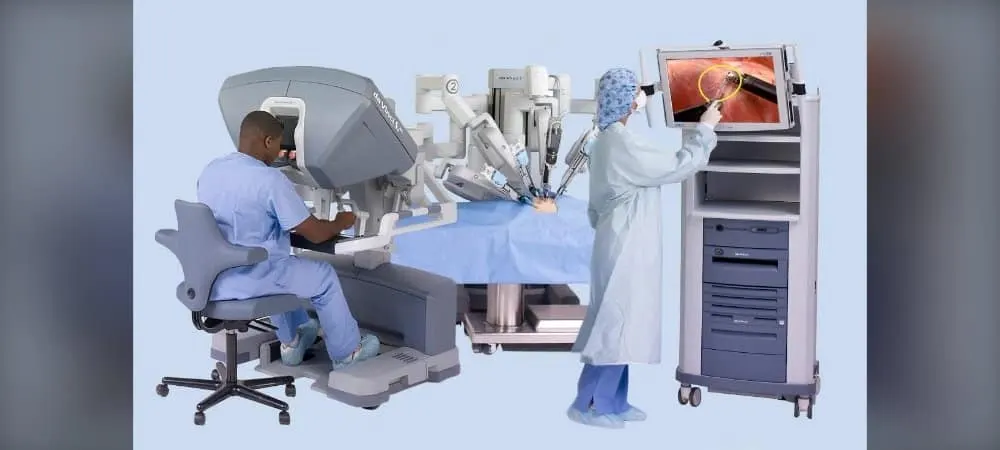
What is Robotic Uterine Cancer Surgery? What are its Advantages?
Gynecological Oncology
Conditions Covered
The main conditions within the department’s diagnosis and treatment scope.
Department Doctors
Our specialist team working in the Gynecological Oncology department.
Locations
At Which Hospitals?
The Gynecological Oncology department is available at the following locations.

Author
Web and Medical Editorial BoardReviewed by a specialist
 Assoc. Prof. Dr. Sema KarakaşGynecological OncologyReview date: 31 October 2026
Contact
Gynecological Oncology Department — Get in Touch
Fill out the form with your questions; our team will call you back as soon as possible.
The Hisar Hospital Web and Medical Editorial Board contributed to the development of this content. All content on this website is provided for general informational purposes only. Please consult a physician for the evaluation, diagnosis and treatment of your condition.
Last Updated: