

Anesthesiology and Reanimation
Safe, modern anaesthesia care from pre-operative assessment to pain management.
About the Department
The scope, approach and highlighted services of the department.
What Is Anesthesiology and Reanimation?
Anesthesiology and reanimation is a medical department that works to ensure patients' safety and comfort during surgical procedures. While anesthesia aims to control pain and consciousness during surgery or other medical procedures, resuscitation covers preserving and stabilizing vital functions and bringing patients back to life in life-threatening emergencies such as cardiac and respiratory arrest. Resuscitation helps sustain vital functions through monitoring, supportive care, respiratory support and resuscitative treatment.
What Are the Types of Anesthesia?
Different types of anesthesia are chosen according to the patient's general health and the type and duration of the operation. Types of anesthesia may include:
General anesthesia: General anesthesia makes the patient lose consciousness completely and feel no pain. This type of anesthesia is generally used for long surgical procedures. It is administered using inhaled gases or intravenous drugs. During general anesthesia, the patient's breathing and vital signs are continuously monitored by anesthesiologists.
Spinal anesthesia: The lower body is numbed by injecting an anesthetic drug into the fluid surrounding the spinal cord. It is used especially for surgical procedures on the lower abdomen, pelvic region and legs.
Epidural anesthesia: A large area is numbed by injecting an anesthetic drug into the epidural space around the spine. This method is frequently preferred for controlling labor pain and for lower body surgery.
Local anesthesia: Local anesthesia numbs a small, specific area of the body. It is used for minor surgical procedures, dental treatments or skin biopsies. The anesthetic is injected directly into the area where the procedure will be performed, and the patient remains conscious.
Sedation: Sedation relaxes the patient and makes them drowsy, reducing anxiety and stress. It can range from mild to deep sedation. It is generally used for endoscopy, minor surgical procedures or dental treatments. During sedation, the patient usually remains conscious but may not remember what happens around them.
What Is the Anesthesia Process Like?
Before anesthesia, the anesthesiologist first takes the patient's medical history, including the medications and vitamins they use and their general health. The anesthesia process may include:
Preoperative preparation: Before the procedure, the anesthesiologist holds a preliminary consultation to evaluate the patient's medical history, current health and the requirements of the surgery. During this evaluation, the patient's previous surgeries, allergies, medications and any existing health problems are taken into account. The patient is informed about the types of anesthesia, how the procedure will work and possible risks. The patient may also be given certain instructions before anesthesia, such as not eating or drinking for a specified period before surgery.
Administration of anesthesia: The anesthesiologist administers anesthetic drugs according to the selected type of anesthesia. For general anesthesia, intravenous drugs or inhaled anesthetic gases may be used. For regional or local anesthesia, the anesthetic is injected into the relevant area. Throughout the surgery, the patient's vital signs (heart rate, blood pressure, breathing, oxygen saturation) are continuously monitored. This monitoring is critical for ensuring the patient's safety and adjusting the depth of anesthesia as needed. Drug doses are adjusted to the patient's needs, and additional anesthetics or painkillers are given when necessary. Devices such as ventilators are also used to support the patient's breathing.
Postoperative care: Once the surgery is complete, the anesthesiologist ensures that the patient wakes up safely from anesthesia. The patient is closely monitored in the post-anesthesia period, and vital signs, pain level and general condition are assessed. Additional medication may be given for pain management if needed. After the patient is fully awake and stable, information on postoperative care is provided, and follow-up appointments and points to watch at home are communicated to the patient and their relatives.
Which Conditions Does Anesthesiology and Reanimation Deal With?
Anesthesiology and reanimation specialists deal with many diseases and conditions, such as surgical procedures, emergencies and various situations requiring chronic pain management. The main diseases and conditions handled by anesthesiology and reanimation may include:
General surgical procedures such as appendicitis, hernia and gallbladder operations
Procedures such as bone fractures, joint replacement surgery and spinal surgery
Heart and vascular surgery, coronary artery bypass grafting
Brain and spinal cord surgery
Surgical procedures in children
Procedures such as cesarean section and hysterectomy
Use of resuscitation techniques in cardiac arrest
Emergency anesthesia and life support in cases such as serious injuries, traffic accidents and falls
Acute respiratory failure
Emergency intervention and life support in severe allergic reactions
Pain management and anesthesia techniques in conditions such as fibromyalgia, chronic low back pain and osteoarthritis
Management of chronic pain arising during cancer treatment
Diagnostic procedures such as colonoscopy and gastroscopy
Dental treatments
What Should Be Considered in Anesthesiology and Reanimation?
The points to be considered in anesthesia and reanimation processes serve patient safety, comfort and a successful treatment process. Some factors to consider in anesthesia and reanimation processes are:
Detailed medical history: Obtaining detailed information about the patient's medical history, previous surgeries, existing health problems and allergies is critical for creating an appropriate anesthesia plan.
Physical examination: The patient's general health must be evaluated during the preoperative anesthesia examination. Checking vital functions such as the cardiovascular and respiratory systems is necessary for successful anesthesia management.
Anesthesia planning: Anesthesiologists create a personalized anesthesia plan for each patient. This plan is based on factors such as the patient's age, weight, general health and the type of surgery to be performed. The type of anesthesia (general, regional, local or sedation) is carefully selected, and precise adjustment of drug doses is important for patient safety.
Anesthesia management: Throughout the procedure, anesthesiologists continuously monitor the patient's vital functions. This monitoring allows rapid intervention in case of any abnormality. The depth of anesthesia must also be assessed regularly to make sure the patient is adequately anesthetized during surgery.
Postoperative care: After the surgery is completed, the patient is helped to wake up safely from anesthesia. In the recovery room, the patient's vital signs are closely monitored and the necessary treatments for pain management are given.
Emergencies and resuscitation: Anesthesiology and reanimation specialists must always be prepared to intervene quickly and effectively in life-threatening emergencies. In situations such as cardiac arrest, severe trauma and respiratory failure, basic and advanced life support protocols are applied.
CPR and advanced life support: In emergencies such as cardiac arrest, being prepared for basic life support (CPR) and advanced cardiac life support (ACLS) protocols plays a critical role in bringing the patient back to life.
Frequently Asked Questions
What Is General Anesthesia?
General anesthesia is a type of anesthesia that makes the patient lose consciousness completely and feel no pain. It is generally used during major surgical procedures and is administered using inhaled gases or intravenous drugs.
What Is Spinal Anesthesia?
Spinal anesthesia is a type of regional anesthesia in which an anesthetic drug is injected into the cerebrospinal fluid around the spinal cord to numb the lower body. It is generally used in surgical procedures on the lower abdomen, pelvic region and legs. This method allows the patient to remain conscious without feeling pain and provides safe anesthesia throughout the procedure.
What Is Epidural Anesthesia?
Epidural anesthesia is a procedure that involves injecting a drug (anesthetic or steroid) into the space around the spinal nerves known as the epidural space. The purpose of an epidural is to relieve pain or completely eliminate sensation in one region of the body. This method is used especially to control pain during childbirth or to reduce pain in lower body surgery.
What Is a Reanimation Unit?
A reanimation unit is a special hospital department where the emergency medical interventions needed to resuscitate and stabilize patients in life-threatening situations are performed. These units focus on the complex diagnosis and treatment of patients with dangerous health problems caused by impaired vital functions, such as cardiac arrest, respiratory failure and severe trauma.
Who Is Admitted to the Reanimation Intensive Care Unit?
The reanimation intensive care unit admits patients who need intensive medical care and continuous monitoring due to serious, life-threatening health problems. These include patients who have had a heart attack, those injured by severe trauma or accidents, those with serious respiratory failure and those requiring intensive care after complex surgical operations. Patients struggling with septic shock, multiple organ failure or sudden serious complications are also treated in the reanimation intensive care unit.
Is Pain Felt Under Local Anesthesia?
When local anesthesia is applied, the patient usually feels no pain because only a specific area is numbed. Once numbness is achieved, pain signals from the area are blocked during the surgical or medical procedure. However, mild discomfort or pain may be felt at the moment of injection or after the anesthetic wears off.
Anesthesiology and reanimation practices are very important for a successful, safe and comfortable procedure, especially in surgical interventions. Patients who would like information about anesthesia and reanimation procedures can consult the hospital's anesthesiology and reanimation department.
Anesthesiology and reanimation is a medical department that works to ensure patients' safety and comfort during surgical procedures. While anesthesia aims to control pain and consciousness during surgery or other medical procedures, resuscitation covers preserving and stabilizing vital functions and bringing patients back to life in life-threatening emergencies such as cardiac and respiratory arrest. Resuscitation helps sustain vital functions through monitoring, supportive care, respiratory support and resuscitative treatment.
Medical Technologies
Featured devices and methods actively used in the department.
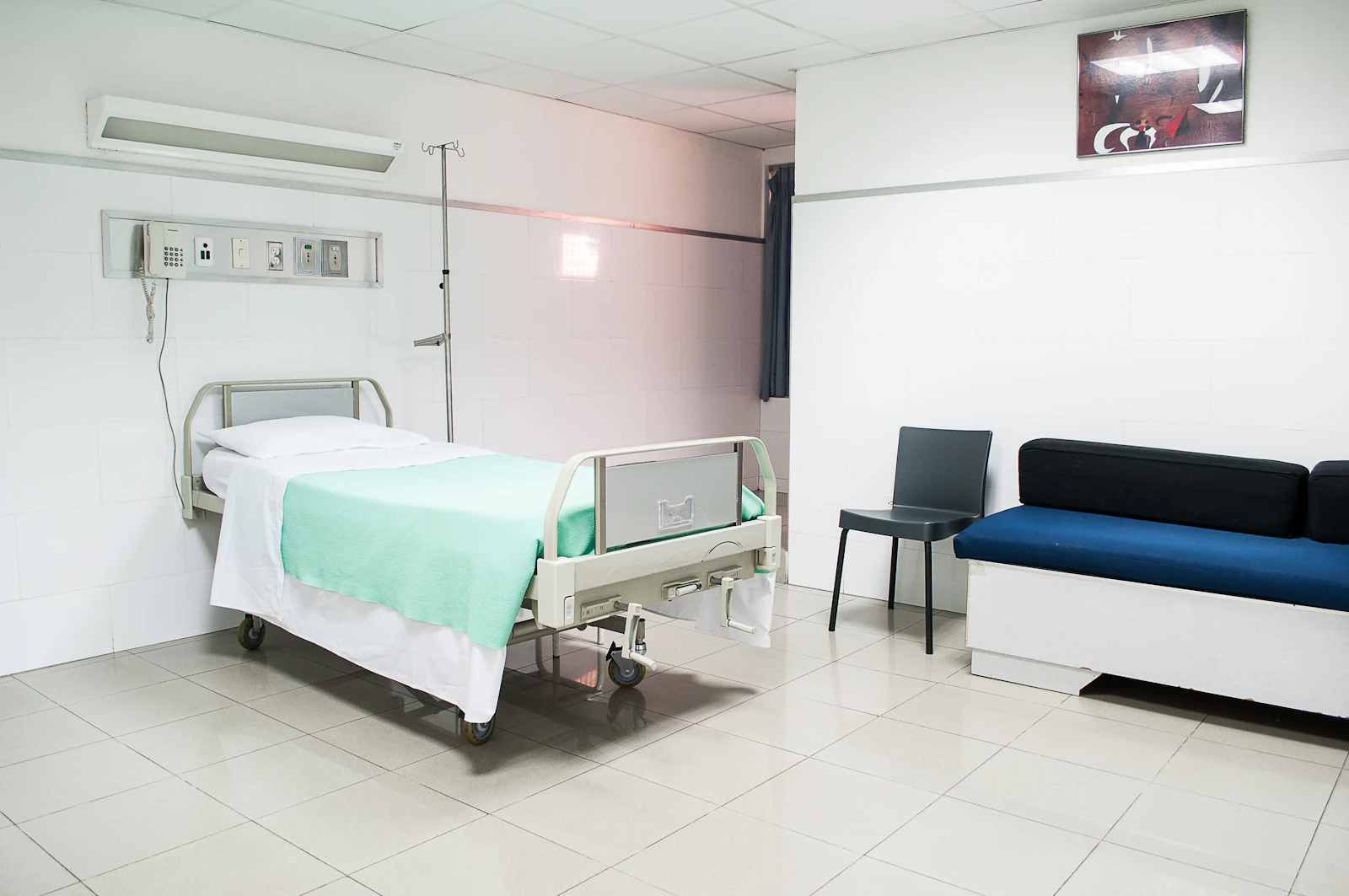
Ultrasound-Guided Block
Targeted nerve block in regional anaesthesia.

TIVA
Total intravenous anaesthesia.

PCA Pumps
Patient-controlled pain management.
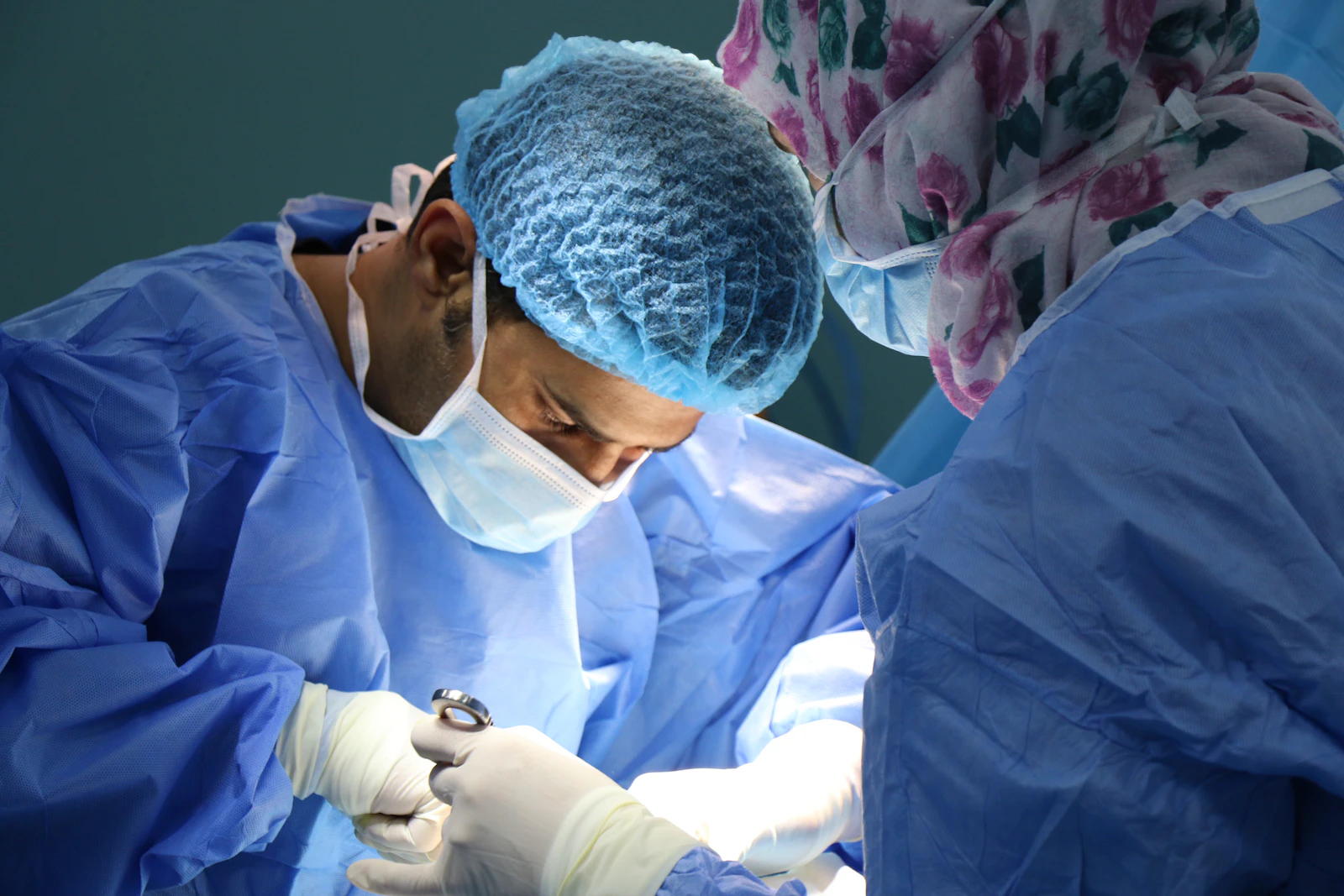
Neuromonitoring
Nerve-function monitoring during surgery.
Treatment Methods
The main treatments and procedures performed in our department.

Conditions Covered
The main conditions within the department’s diagnosis and treatment scope.
Department Doctors
Our specialist team working in the Anesthesiology and Reanimation department.

Prof. Dr. Levent Kılıçkan
Anesthesiology and Reanimation
Intensive Care
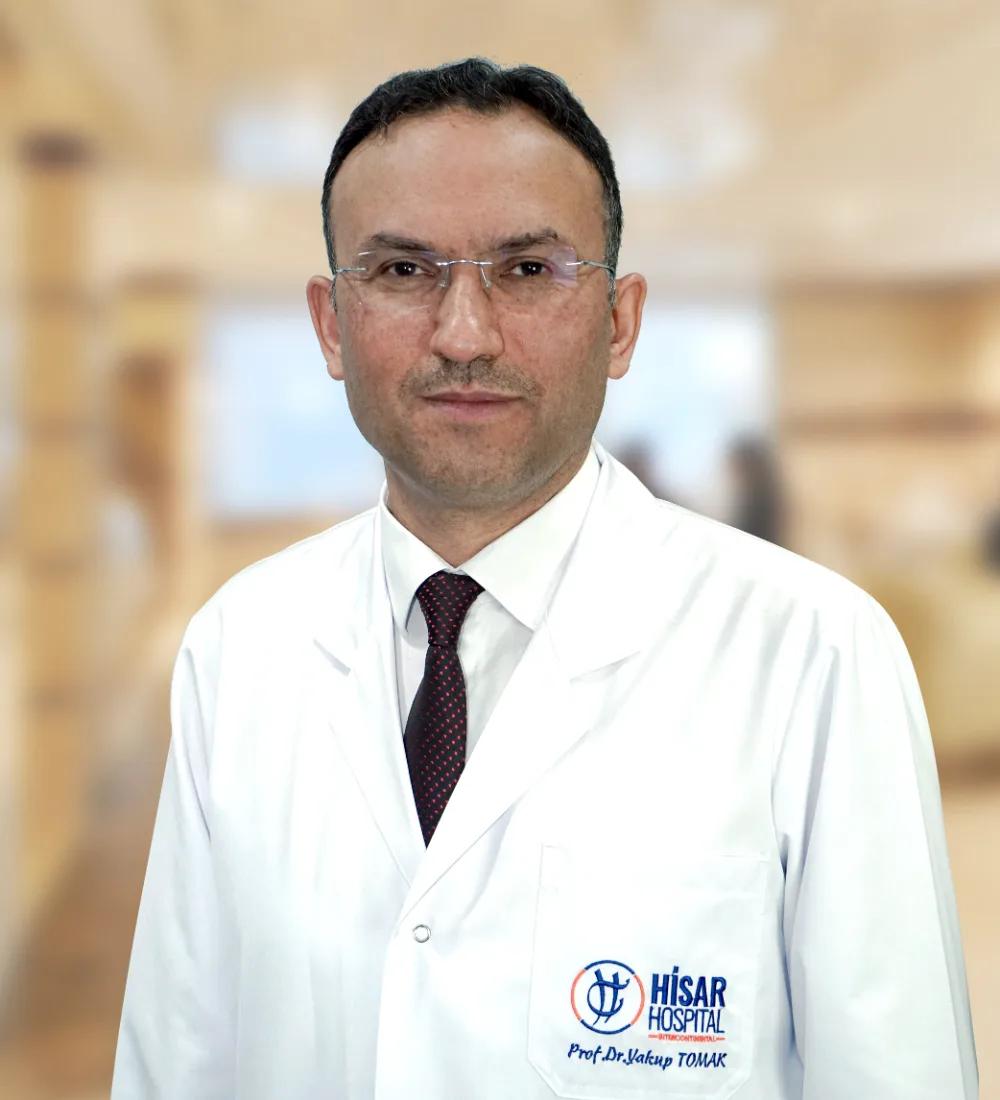
Prof. Dr. Yakup Tomak
Anesthesiology and Reanimation
Intensive Care
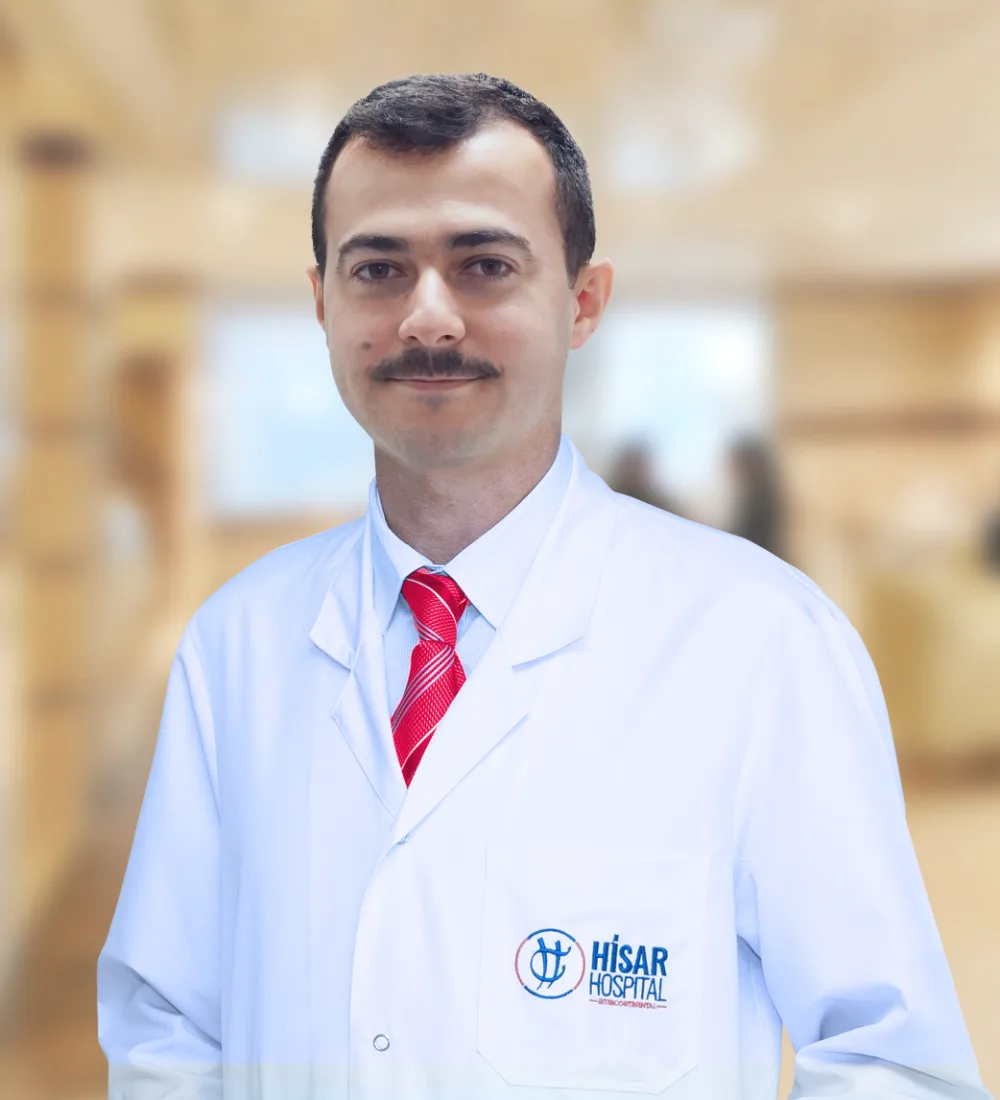
Asst. Prof. Dr. Hasan Hüseyin Kılıç
Anesthesiology and Reanimation
Regional Anesthesia

Asst. Prof. Dr. Onur Bukağıkıran
Anesthesiology and Reanimation
Regional Anesthesia

Specialist Dr. Nermin Ünlü
Anesthesiology and Reanimation
Management and Nutrition in Intensive Care Patients

Specialist Dr. Sümeyra Yeşil
Anesthesiology and Reanimation
Regional Anesthesia
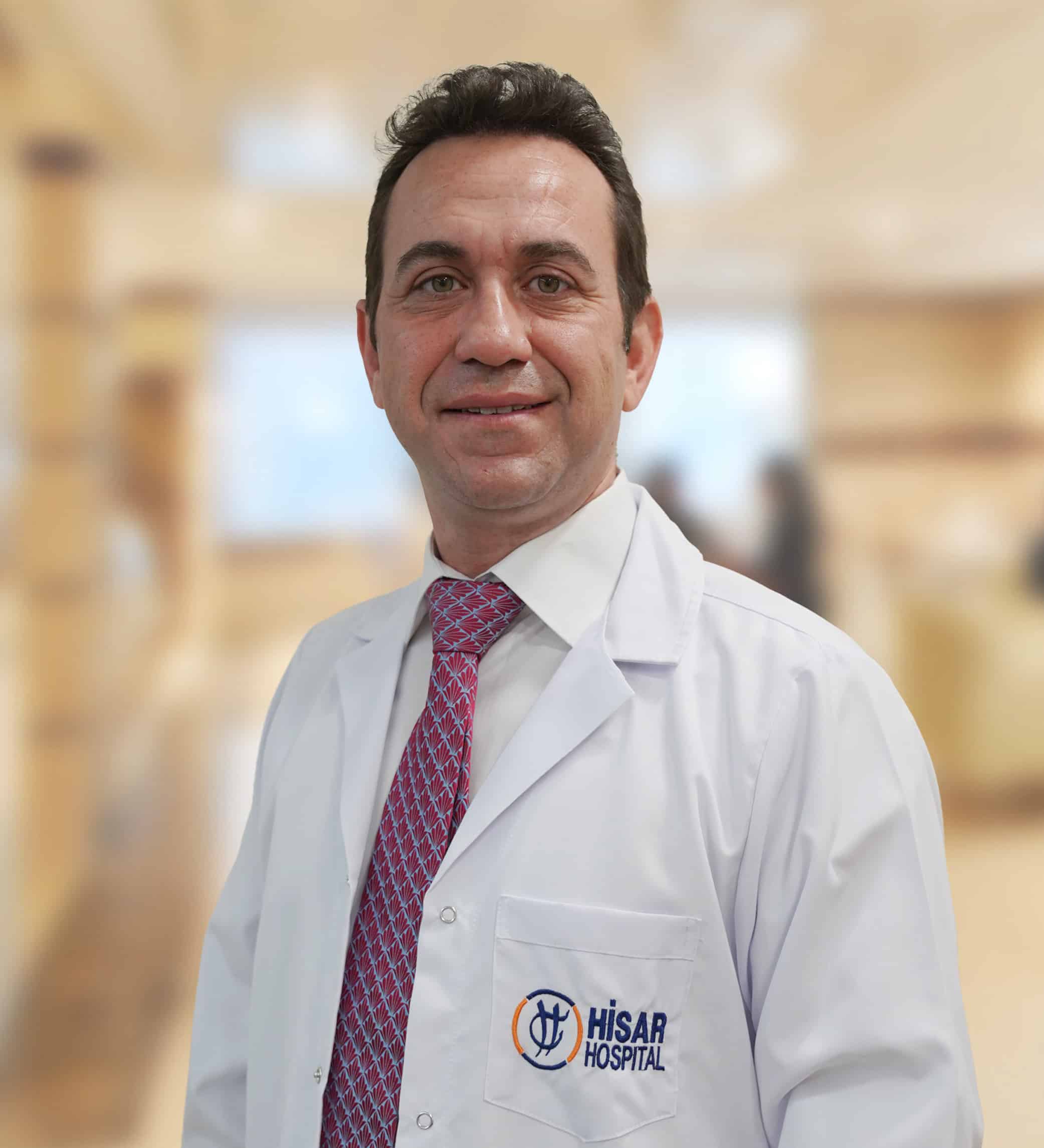
Specialist Dr. Zafer Yasin Konya
Anesthesiology and Reanimation
Ultrasound-Guided Regional Anesthesia
Related Videos
Informative videos from our specialists related to the Anesthesiology and Reanimation department.

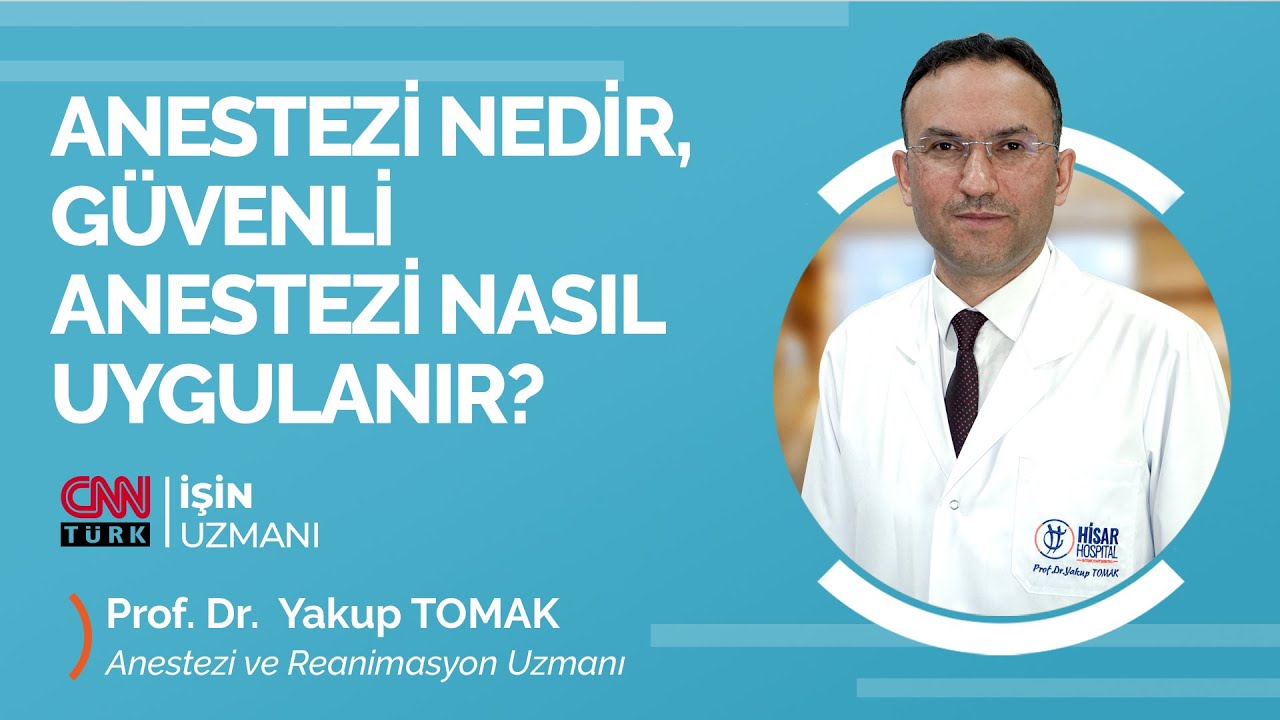
Healthy Living Guide
Featured content related to the department.
Locations
At Which Hospitals?
The Anesthesiology and Reanimation department is available at the following locations.

Author
Web and Medical Editorial BoardReviewed by a specialist
Prof. Dr. Levent KılıçkanAnesthesiology and ReanimationReview date: 31 October 2026Contact
Anesthesiology and Reanimation Department — Get in Touch
Fill out the form with your questions; our team will call you back as soon as possible.
The Hisar Hospital Web and Medical Editorial Board contributed to the development of this content. All content on this website is provided for general informational purposes only. Please consult a physician for the evaluation, diagnosis and treatment of your condition.
Last Updated: