

Aesthetic, Plastic and Reconstructive Surgery
Aesthetic, Plastic and Reconstructive Surgery Department of our hospital works to correct physical appearance and functional structure in order to contribute maintenance of a healthy life.
About the Department
The scope, approach and highlighted services of the department.
Aesthetic (plastic) surgery is a surgical specialty that aims to correct or improve physical imperfections. The conditions treated may be congenital, acquired, disease-related, traumatic or associated with ageing. Aesthetic surgery also includes surgical procedures that patients request to improve their appearance. In recent years, in line with the continuous development of modern society, medical treatments and aesthetic surgery have been used increasingly often.
What Is Aesthetic (Plastic) Surgery?
Aesthetic surgery is a type of plastic surgery procedure performed to improve, change or reshape certain parts of the body. It covers many methods, ranging from minimally invasive interventions to complex invasive operations. These procedures can smooth wrinkles, reshape facial contours or lift sagging skin. Treatments are not limited to the face; there are also aesthetic procedures that can be applied to the entire body. One example is the removal of fat or excess tissue that does not disappear with weight-loss methods.
What Are the Aesthetic (Plastic) Surgery Operations?
There are many types of aesthetic surgery. These treatments can be classified as surgical and non-surgical. Non-surgical techniques may use various chemicals, needles and lasers. The most common non-surgical aesthetic procedures include chemical peels, dermal fillers, intense pulsed light therapy, laser skin resurfacing and laser hair removal. Surgical procedures, on the other hand, involve incisions in the skin and require a longer recovery period. Detailed information about these aesthetic surgery operations is given below:
Breast Augmentation: A common surgical procedure that can increase the size of the breasts. Breasts can be enlarged using breast implants or fat transfer. Breast implants are used most often, and there are many types of implants. In breast augmentation with fat transfer, surgeons use liposuction to remove fat from the abdomen, belly, back or thighs and inject it into the breast area. Compared with implants, it provides a smaller increase in size.
Breast Lift (Mastopexy): Over time, breasts can lose their elasticity and sag due to age, pregnancy and weight changes. A breast lift, also known as mastopexy, is an operation that reshapes, lifts and firms the breasts. It can also correct asymmetry and other imperfections.
Eyelid Surgery (Blepharoplasty): A surgical procedure that improves the appearance of the eyelids. It can reduce a tired look in the lower eyelids and correct sagging skin in the upper eyelids. It can also improve the overall condition of the area around the eyes. The procedure involves removing excess skin, muscle and fat tissue. Although it is mostly performed for aesthetic reasons, lifting drooping eyelids can also improve the field of vision. Eyelid surgery can be performed on people over 30 who have no eye disease and are in good general health.
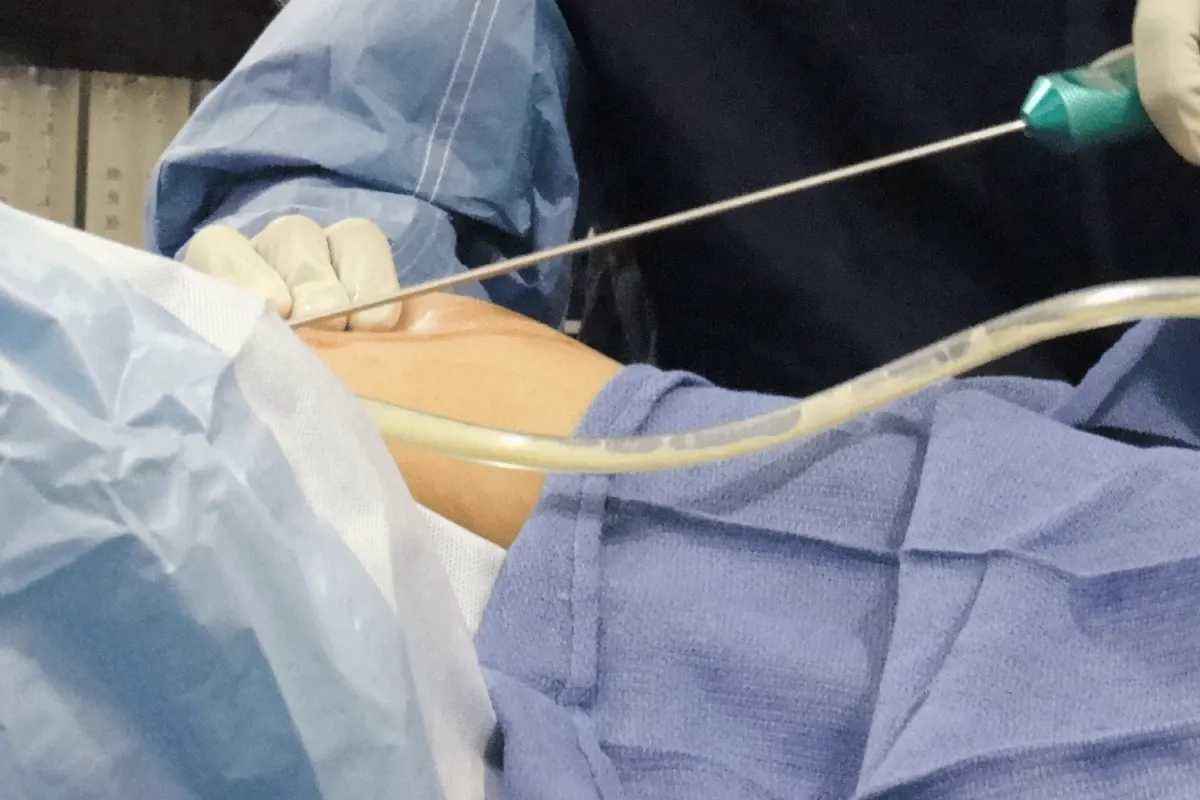
Liposuction: An aesthetic surgical procedure that removes unwanted fat deposits from any part of the body. Liposuction may be considered when diet and exercise have failed or proved insufficient. During the procedure, the fat-storing cells (adipocytes) can be permanently removed. The abdomen, stomach, waist, hips, back, chest, cheeks, chin, neck, inner knees, calves, thighs and upper arms are among the areas most frequently treated with liposuction.
Abdominoplasty (Tummy Tuck): A procedure performed to remove excess skin and fat from the abdomen. This plastic surgery procedure tightens, flattens and smooths the abdomen. It also tightens the muscles of the abdominal wall. Liposuction may also be used during the procedure. This procedure is not a weight-loss method, but it can help improve appearance after changes in body measurements.
Buttock Lift: An aesthetic procedure that removes excess fat and sagging skin from the buttocks. Because it is an extensive operation, it requires a long recovery period. This procedure does not enlarge the buttocks; it improves their shape and texture.
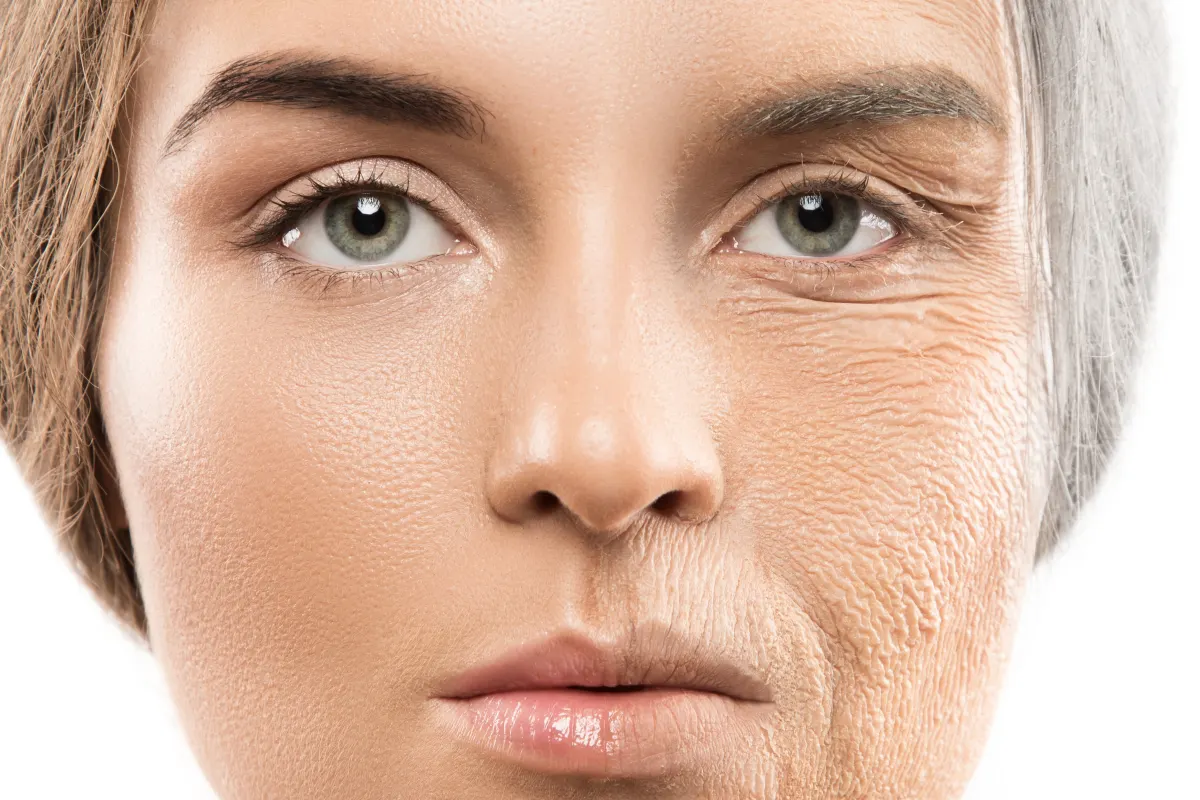
Facelift (Rhytidectomy): A type of aesthetic surgery that aims to improve signs of ageing in the face and neck. By repositioning or removing skin, fat and muscle, wrinkles, sagging jowls, lost facial fat and deep folds in the face or neck are improved.
Rhinoplasty (Nose Job): A type of aesthetic surgery that changes the shape and size of the nose. It can be performed to improve the appearance of the nose and face, as well as to make breathing easier and improve nasal function. There are open and closed rhinoplasty procedures. Open rhinoplasty is performed for major reshaping of the nose; incisions are made so that the skin can be completely separated from the bone and cartilage. Closed rhinoplasty is preferred for minor reshaping of the nose.
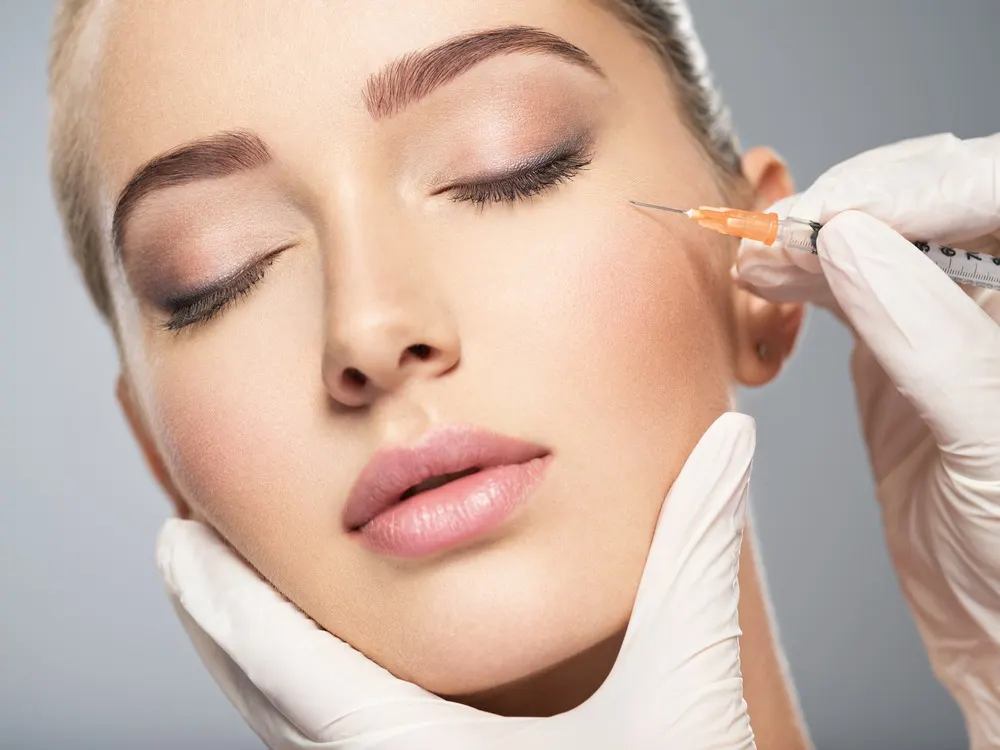
Botox Injections: Botulinum toxin is a neurotoxin that weakens the muscles that cause wrinkles. It works by blocking the nerve signals sent to the muscles. The effects are temporary, and it can be applied to many areas such as the eyebrows, forehead, nose, crow's feet, lips, chin and neck. Botox injections may be given for aesthetic or medical reasons. Its uses include smoothing wrinkles, preventing migraine pain and relieving teeth clenching.
How Are Aesthetic (Plastic Surgery) Operations Performed?
Before aesthetic surgery, patients should consult an aesthetic surgeon so that the necessary medical tests can be carried out. The patient should give the doctor who will perform the operation comprehensive information about their complaints, expectations from the surgery and medical history. During this process, aesthetic surgeons explain the procedures from which the patient will benefit most and set realistic expectations to support the recovery process.
There are certain requirements to be met before surgery. It is necessary to stop smoking, have the required laboratory tests, take the medications recommended by the doctor and pause those the doctor does not recommend. Preparation for non-surgical procedures is minimal. However, as with surgical procedures, expectations can be discussed and the necessary medical tests can be performed.
Although every aesthetic operation is different, the basic procedure can be briefly described as follows: The anaesthesiologist administers an appropriate dose of anaesthesia to the patient. An incision is made in the treatment area. The surgeon repairs, moves, removes, adds or reshapes certain parts of the body. After completing the necessary steps, the surgeon closes the incision appropriately.
Non-surgical procedures usually do not require anaesthesia, and the patient remains awake. The area is numbed locally so that no pain is felt in the treatment area. During a Botox application, the skin is punctured with a fine needle and the medication is injected under the skin. During laser hair removal, the skin is treated with a device that emits bright light. Protective glasses must be worn during laser procedures to protect the eyes.
What Should Be Considered After Aesthetic (Plastic Surgery) Operations?
A hospital stay of a few nights may be needed after the operation. A companion may be needed during the recovery period. It may be necessary to take time off from work or school, as some pain or discomfort is likely for a while after surgery. Doctors may prescribe various medications to relieve pain. Symptoms such as bruising and mild swelling are considered normal. After non-surgical procedures, patients can usually return to their daily routine, although doctors will recommend resting for a few days. If severe pain, swelling or other unexpected complications occur, a doctor should be consulted without delay.
Frequently Asked Questions
Is Plastic Surgery the Same as Aesthetic Surgery?
Although plastic surgery and aesthetic surgery are often considered the same, there are some differences. Plastic surgery includes broad and comprehensive procedures aimed at restoring the normal appearance and function of the body, whereas aesthetic surgery focuses only on cosmetic procedures. Nevertheless, many plastic surgeons also perform aesthetic operations. Aesthetic surgery can be regarded as a subspecialty of plastic surgery.
How Many Hours Does Aesthetic Surgery Take?
The duration of aesthetic surgery varies depending on the surgeon's experience and the type of operation. It may take less than an hour or several hours. Several aesthetic procedures can be performed at the same time, which may lengthen the operation. Non-surgical procedures usually take less than an hour, and some take only a few minutes.
How Many Days After Aesthetic Surgery Can You Go Out?
It depends on the procedure performed. You can return to daily life immediately after non-surgical procedures, although rest is still recommended. The recovery period after surgical procedures, however, is relatively long. Going out during this time is not recommended, and plenty of rest is essential.
When Do Internal Stitches Heal After Surgery?
The healing time varies depending on the type of surgery, the treated area and the individual's rate of healing.
How Long Does Bleeding Last After Aesthetic Surgery?
Minor bleeding after aesthetic procedures may last for about a day. However, prolonged and heavy bleeding may mean that the stitches were not placed properly or that a complication has developed. In this case, urgent medical attention is required.
Which Procedures Does Aesthetic Surgery Perform?
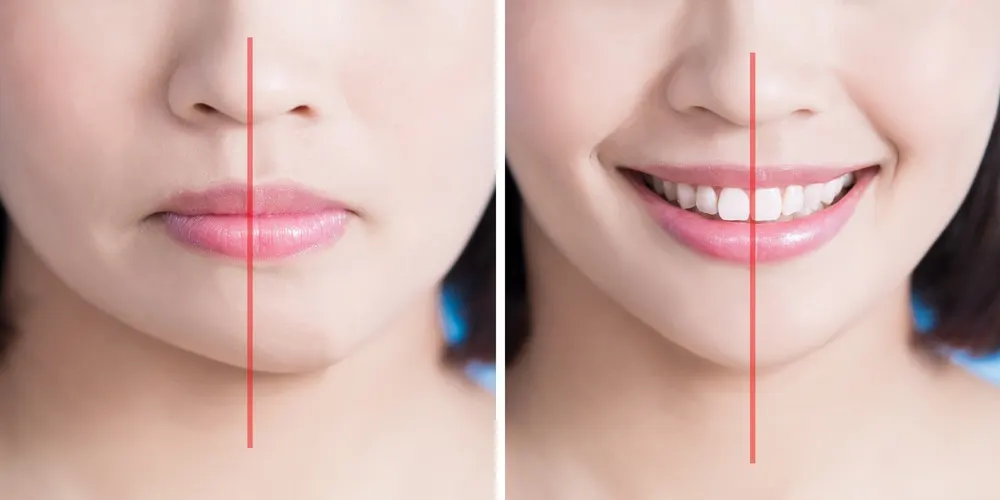
Procedures that can be performed include rhinoplasty, liposuction, jaw surgery, cheek lift, Botox, cleft lip and cleft palate surgery, chemical peels, breast reconstruction, breast lift, tummy tuck, buttock augmentation, hair transplantation and eyelid surgery.
Do Dermatologists Perform Aesthetic Procedures?
Like aesthetic surgeons, dermatologists can offer techniques to improve the appearance of the skin and hair. These include laser treatment to remove hair, blood vessels and redness and to rejuvenate ageing skin; cryotherapy to remove tumours and warts; and non-invasive procedures such as Botox, fillers, microneedling and chemical peels.
Having realistic expectations before aesthetic operations is very important to avoid disappointment or regret afterwards. These procedures also have certain limitations and side effects. Therefore, it is important to think carefully about the aesthetic procedures you are considering, do your research and consult a specialist doctor. To learn more about the subject and make the right decision, you can book an appointment with a doctor and get answers to your questions.
Aesthetic (plastic) surgery is a surgical specialty that aims to correct or improve physical imperfections. The conditions treated may be congenital, acquired, disease-related, traumatic or associated with ageing. Aesthetic surgery also includes surgical procedures that patients request to improve their appearance. In recent years, in line with the continuous development of modern society, medical treatments and aesthetic surgery have been used increasingly often.
Sub-departments & Units
Clinics, centers and units within this department.
Nose Aesthetics (Rhinoplasty, Nasoplasty)
Nose aesthetics is at the top of the list of cosmetic surgeries performed in Turkey. Along with the increase in cosmetic surgeries, there is also a serious rise in nose aesthetic surgeries…
Non-Surgical Facial Rejuvenation
Although your age increases by one year every year on your identity card, if you want your skin to look a year younger, one of the alternatives is skin rejuvenation procedures…
Hand Surgery and Microsurgery
Hand surgery is a branch concerned with diseases and injuries of the hand, wrist, forearm and elbow, some injuries and diseases of the shoulder, repair of cuts to the hand, finger, arm nerves, blood vessels and tendons (sinews)…
Treatment Methods
The main treatments and procedures performed in our department.

Nose Aesthetics (Rhinoplasty, Nasoplasty)
Aesthetic, Plastic and Reconstructive Surgery
Facelift Surgery
Aesthetic, Plastic and Reconstructive Surgery
Fat Injection (Lipoinjection)
Aesthetic, Plastic and Reconstructive Surgery

Breast Reconstruction
Aesthetic, Plastic and Reconstructive Surgery
Calf Augmentation Surgery
Aesthetic, Plastic and Reconstructive Surgery
Butt Lift and Brazilian Butt Lift Surgeries
Aesthetic, Plastic and Reconstructive Surgery

Breast Lift (Mastopexy) Surgery
Aesthetic, Plastic and Reconstructive Surgery

Breast Reduction Surgery
Aesthetic, Plastic and Reconstructive Surgery
Thigh Lifting Surgery
Aesthetic, Plastic and Reconstructive Surgery
Orthognathic Surgery
Aesthetic, Plastic and Reconstructive Surgery
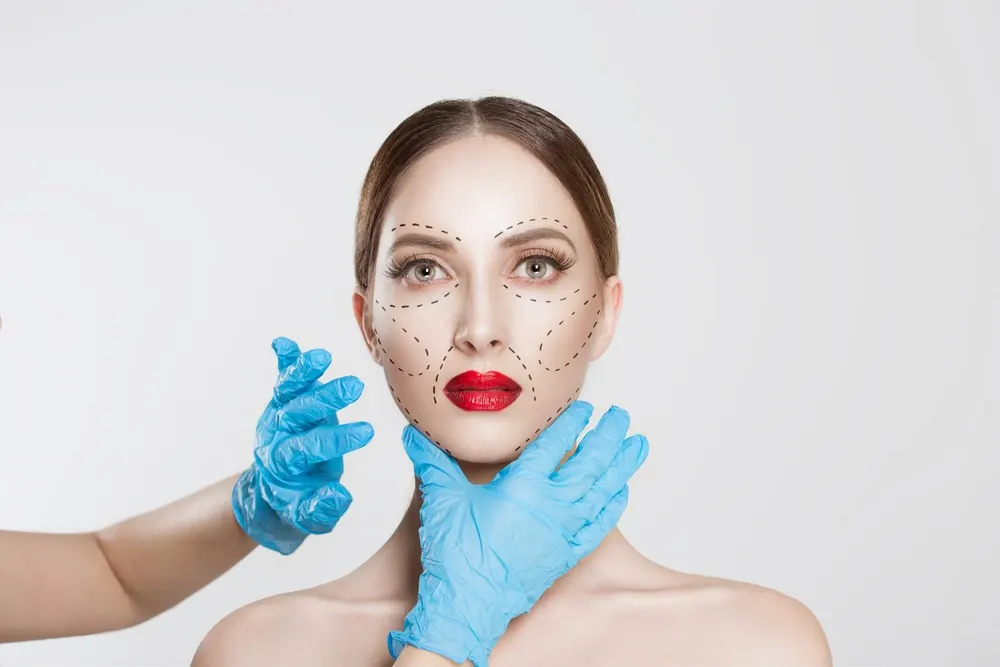
Reconstructive Microsurgery
Aesthetic, Plastic and Reconstructive Surgery

Nipple Surgery
Aesthetic, Plastic and Reconstructive Surgery
Department Doctors
Our specialist team working in the Aesthetic, Plastic and Reconstructive Surgery department.
Healthy Living Guide
Featured content related to the department.
Locations
At Which Hospitals?
The Aesthetic, Plastic and Reconstructive Surgery department is available at the following locations.

Author
Web and Medical Editorial BoardReviewed by a specialist
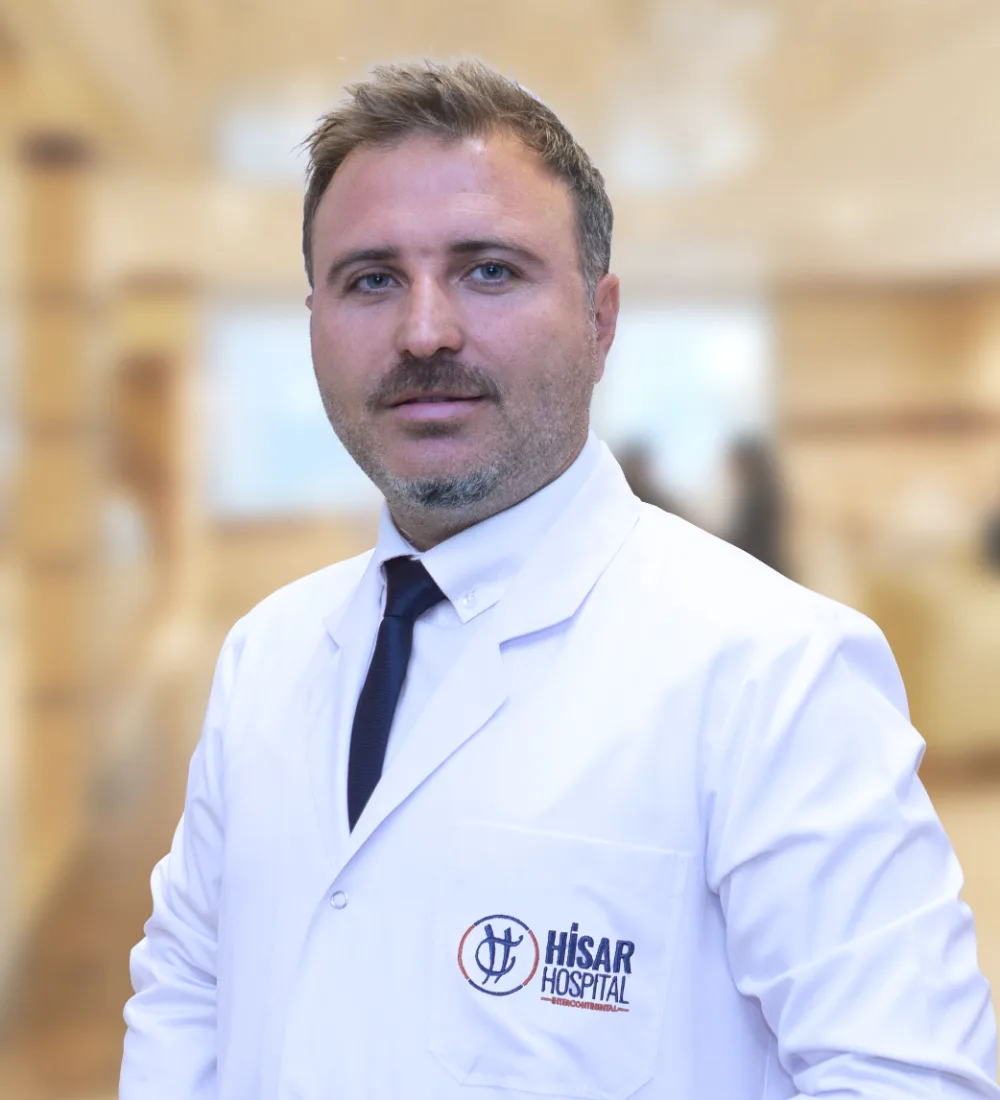 Op. Dr. Hasan ŞahinAesthetic, Plastic and Reconstructive SurgeryReview date: 31 October 2026
Contact
Aesthetic, Plastic and Reconstructive Surgery Department — Get in Touch
Fill out the form with your questions; our team will call you back as soon as possible.
The Hisar Hospital Web and Medical Editorial Board contributed to the development of this content. All content on this website is provided for general informational purposes only. Please consult a physician for the evaluation, diagnosis and treatment of your condition.
Last Updated: