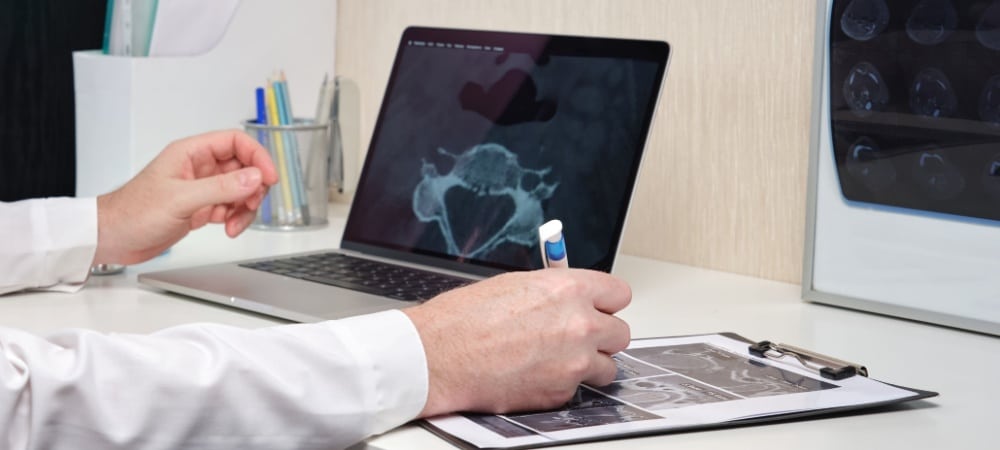
Pancreatic biopsy is a diagnostic procedure that plays an important role in the diagnosis and treatment of pancreatic cancer. The biopsy procedure is usually performed to confirm the result in cases where pancreatic cancer is suspected based on tests such as blood tests and imaging methods. Today, most pancreatic biopsy procedures are performed using non-surgical methods such as endoscopic biopsy and percutaneous biopsy. In cases requiring surgery, laparoscopic biopsy, which is a minimally invasive method, is generally used.
What Is Pancreatic Biopsy and In What Situations Is It Performed?
A pancreatic biopsy is the process of taking a sample from pancreatic tissue using various methods and examining it in a laboratory setting. The biopsy procedure is usually performed to confirm the diagnosis and plan treatment when cancer is suspected in the pancreas. Pancreatic biopsy, performed with methods such as endoscopic ultrasonography, fine needle aspiration (percutaneous biopsy), or laparoscopic biopsy, helps identify abnormal cells in the tissue and determine the type and extent of the disease.
Pancreatic cancer is the seventh leading cause of cancer-related deaths worldwide. Thanks to advances in health technologies, diagnostic methods for pancreatic diseases are also developing rapidly. In this way, pancreatic cancer can now be diagnosed and treated at an early stage. Before deciding on a biopsy procedure, specialists try to confirm the suspicion with pancreatic function tests, imaging methods such as CT, MRI, PET, endoscopic ultrasonography, and blood tests. For example, a high level of the tumor marker called CA 19-9 (cancer antigen 19-9) in blood tests may indicate pancreatic cancer. If the tests strengthen the suspicion of cancer, tissue sampling from the pancreas may be required.
Understanding the type, stage, and other characteristics of pancreatic cancer is critically important for proper treatment planning. A biopsy may be necessary especially in cases where surgical intervention is not possible. In patients for whom surgery is planned, a biopsy may not be considered necessary because the diagnosis can also be made with tissue taken during the operation.
How Is Pancreatic Biopsy Performed and What Are the Types of the Procedure?
Pancreatic biopsy, which is used to obtain samples from suspicious tissue in the pancreas, can be performed in many different ways, from non-surgical methods to minimally invasive techniques. The main types of pancreatic biopsy are as follows:
• Endoscopic ultrasonography (EUS): Endoscopic pancreatic biopsy is one of the leading diagnostic methods used in the diagnosis of pancreatic cancer. During the procedure, specialists first enter through the mouth with the help of an endoscope and advance toward the small intestine. The ultrasound probe at the tip of the endoscope allows detailed imaging of the pancreas. If a suspicious area is detected during imaging, specialists may take a tissue sample.
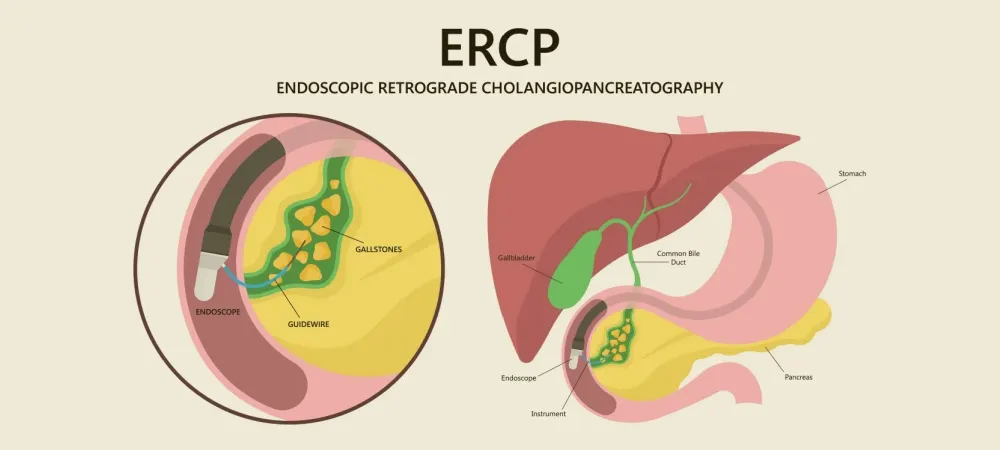
• Biopsy during endoscopic retrograde cholangiopancreatography (ERCP): During ERCP, in which an endoscope and X-ray device are used together to visualize the gallbladder and pancreatic ducts, specialists first reach the duodenum with the endoscopy device and then inject a special contrast agent to obtain detailed images of the inner part of the gallbladder and pancreas. If a suspicious area is detected in the pancreas at this point, a tissue sample may be taken.
• Percutaneous biopsy: During the percutaneous biopsy procedure, also called fine needle aspiration, gastroenterology specialists take a tissue sample by entering the suspicious area through the skin with a thin needle under ultrasound or CT guidance.
• Surgical biopsy: Although the surgical biopsy procedure is not as commonly used as it used to be, doctors may resort to surgical biopsy in cases where they suspect that cancer may have spread to other tissues and organs, in order to examine the tissues and organs around the pancreas. During the procedure, specialists make small incisions in the abdomen and use a laparoscope with a high-resolution camera and light to visualize the pancreas. At this stage, if suspicious areas are detected, a tissue sample is taken and sent to the laboratory for examination.
Which of the biopsy types listed above will be performed is determined according to factors such as the patient’s general health status and the size of the tumor.
What Is the Patient Preparation Process Before Pancreatic Biopsy?
The preparation process before pancreatic biopsy is critically important to minimize complications that may occur during and after the biopsy. First, doctors evaluate the patient’s general health status in detail. At this stage, it is important for patients to inform their doctors about chronic health problems, medications used, and any allergies. Some medications, such as blood thinners, may increase the risk of bleeding during the procedure, so they may need to be discontinued under medical supervision some time before the procedure. Pancreatic needle biopsy is usually performed with the help of local anesthesia. However, depending on the patient’s general health status and personal preferences, in cases where sedation is required, patients generally need to stop eating, drinking, and smoking 8 hours before the procedure.
What Risks and Complications Can Occur During and After Pancreatic Biopsy?
Although pancreatic biopsy is generally a safe procedure, there is a risk of complications in some patients. While the risk of complications varies depending on the type of biopsy performed and the patient’s general health status, complications are seen in only 0-2.5% of patients. One of the first risks that comes to mind when pancreatic biopsy risks are mentioned is bleeding. Bleeding during fine needle aspiration is usually mild and stops on its own. In more serious cases, endoscopic intervention may be required to control the bleeding.
Another possible complication that may occur during biopsy is perforation of the small intestine, meaning a hole forming in the wall of the small intestine. However, the fact that the biopsy procedure is now performed under the guidance of various imaging methods minimizes such risks. As with any interventional procedure, there may also be a risk of infection after pancreatic biopsy. In rare cases, some patients may develop acute pancreatitis, also known as inflammation of the pancreas.
Another complication that may occur after biopsy is the spread of cancer cells to other tissues along the needle tract. However, studies have shown that the incidence of this complication ranges between 0.003% and 0.009%, meaning it is quite low.
For recovery after pancreatic biopsy, it is important for patients to allow themselves time and rest. During this period, drinking plenty of water and gargling may be helpful to soothe the throat. However, if complications such as difficulty breathing, chest pain, difficulty swallowing, or bloody stool occur, the doctor should be informed without delay.
How Long Does It Take to Get Pancreatic Biopsy Results and How Are the Results Evaluated?
Pancreatic biopsy results are usually obtained within one to two weeks. This period may vary depending on the type of biopsy performed. Pathology specialists examine the tissue samples taken during the biopsy in detail under a microscope to assess whether the cells are cancerous. If cancer cells are detected as a result of the examination, genetic tests may be performed to evaluate whether there are mutations in genes such as BRCA1/2 or KRAS. These tests also help plan the treatment process. According to research, pancreatic biopsy is highly safe. Some studies show that endoscopic biopsy, which is often used in the diagnosis of pancreatic cancer, provides accurate results at a rate of 85-95%.
Frequently Asked Questions
Does a Pancreatic Biopsy Hurt?
Because pancreatic biopsy is usually performed under local anesthesia or sedation, patients do not feel any pain during the procedure; however, it is normal for patients to experience some pain after pancreatic biopsy. This pain goes away on its own within a few days.
How Many mm Is a Dangerous Pancreatic Cyst?
According to some studies, pancreatic cysts larger than 3 cm may be dangerous. According to one study, with the use of stronger magnetic resonance imaging techniques in recent years, pancreatic cysts are seen in half of the patients undergoing upper abdominal MRI. However, the vast majority of these cysts are benign in the long term. Therefore, specialists often avoid unnecessary intervention, but considering the risk of pancreatic cancer progressing without showing any symptoms, patients who present with suspected pancreatitis, have a pancreatic cyst larger than 3 cm, and have elevated CA-19-9 tumor marker levels are recommended to be closely monitored and, when necessary, undergo biopsy.
How Many Days Does It Take for a Pancreatic Biopsy Result?
The result of a pancreatic biopsy is available on average within 1-2 weeks, depending on factors such as the type of biopsy performed and whether additional procedures were carried out.
How Long Will It Take Me to Recover During and After the Procedure?
Because pancreatic biopsy is usually performed using minimally invasive methods, the recovery period after the procedure is generally short; however, the recovery time may vary depending on the type of biopsy performed, the patient’s compliance with the doctor’s instructions, and the general health status.
How Should I Prepare for a Pancreatic Biopsy?
Before pancreatic biopsy, it is important for patients to inform their doctors about existing health problems, medications they use, and allergies. In particular, medications with blood-thinning properties may increase the risk of bleeding during and after the procedure. Therefore, medications such as these may need to be discontinued under medical supervision before the operation. Additionally, in cases where the procedure is planned to be performed with sedation, eating and drinking should be stopped 8 hours before the biopsy.
What Should I Pay Attention to After a Pancreatic Biopsy?
It is important to rest after pancreatic biopsy and follow the doctor’s instructions. Patients who have received sedation are advised to avoid driving and making important decisions on the day of the procedure. In addition, drinking plenty of water and gargling may help relieve the discomfort in the throat caused by the endoscope. It is normal to have pain for a short time after the biopsy. If the pain persists for a long time or if complications such as high fever, shortness of breath, or blood in the stool occur, it is important to seek medical attention without delay.
How Soon Can I Get My Pancreatic Biopsy Results?
Pancreatic biopsy results are obtained in an average of 1-2 weeks. This period may vary depending on the type of procedure.
Pancreatic biopsy plays a critical role in the diagnosis of various pancreatic diseases, especially pancreatic cancer. If you also have concerns about your pancreatic health, you can make an appointment with our specialist Interventional Radiology doctors for a detailed evaluation. Early diagnosis increases the chance of successful treatment.