Lymph Node Biopsy
A lymph node biopsy is an important procedure that allows definitive diagnosis of various diseases by taking a sample from lymph nodes, which are key elements of the immune system. It makes it possible to clearly examine many benign or malignant conditions under a microscope.
What Is a Lymph Node Biopsy?
A lymph node biopsy is the process of taking a tissue or cell sample from one or more lymph nodes and examining it microscopically in the laboratory. Thanks to this sample, the presence of problems such as infection, inflammatory disease, or cancer can be confirmed. The sample may be taken by needle, surgically (open), or by the sentinel method. In children, lymph node biopsy may be performed for diagnostic purposes when enlarged lymph nodes are present or when the cause cannot be explained by infection.
In Which Situations Is a Lymph Node Biopsy Performed?
A lymph node biopsy is generally used when lymph nodes enlarge unexpectedly and for a long period of time. For example, it may be performed to understand the cause of swellings in the neck, armpit, or groin that do not shrink within a few weeks and are not tender or painful. Such lymph node enlargements may be caused by infections, but they may also be a sign of lymphoma or other types of cancer. In addition, if unusual changes in the shape or size of lymph nodes are noticed in imaging tests such as ultrasound or MRI, a biopsy may again be needed. A biopsy is also used to clarify the condition of the lymph node in inflammatory conditions such as tuberculosis and sarcoidosis or in immune system diseases.
Why Is a Lymph Node Biopsy Done?
The main purpose of a lymph node biopsy is to make a definite diagnosis and determine the correct treatment plan. Especially in cases that cannot be clarified by physical examination or imaging tests, biopsy allows the contents of the lymph node to be examined at a microscopic level so the true cause can be determined. This procedure plays a critical role in detecting serious diseases such as cancer at an early stage. In addition, biopsy makes it possible to identify the exact cause of inflamed lymph nodes caused by infections and enables the patient to be treated with the appropriate antibiotics or antiviral medications. In some cancers, such as breast cancer or melanoma of the skin, lymph node biopsy may also be needed to determine whether the cancer has spread and to define the stage of the disease. In this way, it becomes easier for the physician to choose the most appropriate treatment method for the patient.
How Is a Lymph Node Biopsy Performed?
Before deciding on a lymph node biopsy, your physician first listens to your complaints and performs a detailed physical examination. At this stage, characteristics such as the size, consistency, and whether the lymph node is painful are evaluated. Then, to understand the cause of the lymph node enlargement, certain tests are usually requested. These tests are:
• Blood tests: Blood tests may include a complete blood count (CBC), inflammatory markers such as CRP and ESR, and in some cases special tests aimed at identifying immune system diseases or types of cancer.
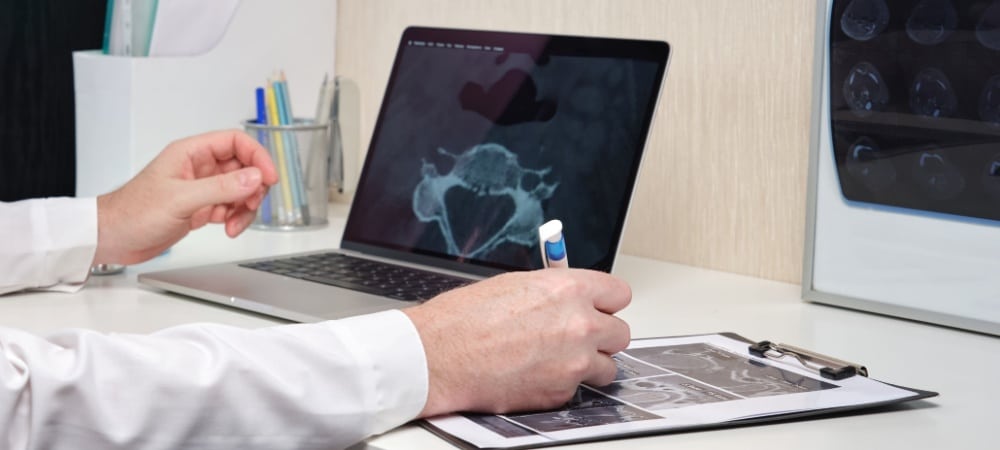
• Imaging methods: Ultrasonography is often preferred to understand the shape, size, and whether there is fluid accumulation within the lymph node. If the lymph nodes are located deeper, more detailed methods such as computed tomography (CT), magnetic resonance (MRI), or PET-CT may be needed.
• Biopsy: Based on all test and imaging results, it is decided whether a lymph node biopsy is necessary and which method should be used.
How Is a Lymph Node Biopsy Performed?
A lymph node needle biopsy can be performed using several different methods; the method used depends on the location of the lymph node and the suspected disease. One of the most commonly preferred methods is fine needle aspiration biopsy (FNA). In this method, a thin needle is inserted into the lymph node, under ultrasound guidance or by palpation, and a small amount of fluid or cell sample is taken. This procedure is usually performed under local anesthesia, and the patient usually feels very little pain. If more tissue is needed, a core needle biopsy is preferred. This method is also performed under local anesthesia, but the needle is slightly thicker and a larger piece of tissue is taken from the lymph node. In addition, in situations that require complete removal of the lymph node, open (excisional) biopsy is performed. Superficial lymph node biopsy or excision is carried out by removing or sampling all of the lymph nodes located close to the skin. This procedure is usually performed in a surgical setting under local or general anesthesia. In addition, in cases such as breast or skin cancer, the first lymph node, called the sentinel lymph node, is identified by injecting a special dye or radioactive substance, and the relevant lymph node is removed and examined. Sentinel lymph node biopsy is a special procedure performed to find the first lymph node to which cancer spreads and to guide surgery. Depending on the type of procedure, biopsy time may vary from about 15 minutes to one hour, and patients usually return home the same day.
Axillary lymph node biopsy is performed especially in patients with suspected breast cancer to evaluate tumor spread. Groin lymph node needle biopsy allows suspicious lymph nodes in the groin area to be evaluated with a fine needle under ultrasound guidance.
Frequently Asked Questions
In Which Situations Is a Lymph Node Biopsy Needed?
A lymph node biopsy is generally needed for unexplained, long-lasting lymph node swellings that do not shrink over time. Especially if palpable swellings in the neck, armpit, or groin are not caused by an infection or do not improve within a few weeks, a more detailed evaluation is required. Biopsy is also used when there is suspicion of cancers affecting the lymph nodes, such as lymphoma, or the spread of other cancers such as breast or skin cancer. In addition, biopsy may be necessary to clarify the diagnosis when suspicious findings are seen on imaging tests or in some infections such as tuberculosis.
Is a Lymph Node Biopsy Risky?
A lymph node biopsy is generally a very safe procedure. Still, as with any medical procedure, there are some minor risks. After a lymph node biopsy, mild pain, bruising, or swelling may occur in the procedure area, and this is usually temporary. Infection may rarely develop, but this risk is quite low with proper sterile techniques. When performing a biopsy near nerves, temporary numbness or tingling may rarely occur. In open surgical biopsies, fluid accumulation or lymphedema may occur with very low probability. However, all these risks are quite low when the procedure is performed by an experienced physician.
Is a Lymph Node Biopsy Painful?
A lymph node biopsy is usually not a painful procedure. Since local anesthesia is applied during the procedure, the patient usually feels only a small needle prick. After the procedure, mild pain or soreness may occur, but this usually decreases within a few days and can be controlled with simple pain relievers. After an open surgical biopsy, tenderness may last a bit longer, but even then the pain is manageable in most cases.
How Is a Lymph Node Biopsy Performed?
In fine needle aspiration, a thin needle is inserted into the lymph node and a sample of cells and fluid is taken. In core needle biopsy, a larger tissue sample is taken and provides more definitive results. In the open surgical biopsy method, the entire lymph node or a large part of it is usually removed surgically under local or general anesthesia. Your physician decides which of these methods will be used according to the location of the lymph node and the nature of the suspicious finding.
How Long Does a Lymph Node Biopsy Take?
The duration of a lymph node biopsy varies depending on the chosen method. Fine needle and core needle biopsies are usually completed in about 10 to 30 minutes. Surgical biopsy takes a little longer and may usually take 30 minutes to 1 hour. When methods such as laparoscopic or mediastinoscopic biopsy are used in deeper areas, the procedure may sometimes take longer than 1 hour. All of these methods are generally day procedures, and it is possible for patients to be discharged on the same day.
What Should Be Considered After a Lymph Node Biopsy?
After a lymph node biopsy, it is important to keep the biopsy area clean and dry. You should avoid heavy exercise and physical activities for a few days after the procedure. You should avoid wearing tight clothing that may put pressure on the area. If you notice signs of infection such as swelling, redness, fever, or discharge at the biopsy site, you should inform your doctor immediately. It is also important to use the medications prescribed by your doctor regularly and not miss your follow-up appointments.
When Will Lymph Node Biopsy Results Be Available?
The time needed for lymph node biopsy results depends on the method used and the condition being examined. Generally, results from needle biopsies can be obtained within a few days, while in open surgical biopsies where more comprehensive histopathological examination is performed, results are usually available in about 1 to 2 weeks. In cases where special tests are needed, the result time may be slightly longer. When the results are ready, your doctor will share them with you and shape the treatment plan according to your condition.
Does a Lymph Node Biopsy Diagnose Cancer?
A lymph node biopsy is one of the main methods that can diagnose cancer. With pathological examination of the tissue sample taken, cancers affecting the lymph nodes, such as lymphoma, or metastatic cancers spreading from other areas such as the breast or skin, can be diagnosed definitively. However, a negative biopsy result does not always mean that there is no cancer. Sometimes evaluation together with other tests may be necessary. For this reason, although biopsy is a very valuable tool for definitive diagnosis, it may not be sufficient on its own.
What Is the Recovery Process After a Lymph Node Biopsy Like?
The recovery process varies depending on the type of biopsy. After needle biopsies, it is usually possible to return to normal life completely within a few days. After open surgical biopsies, healing of the stitches at the incision site may take about 7 to 10 days. During this period, mild pain, swelling, or tenderness is considered normal. Stitch removal or dressing changes may be required. In deep biopsies, a short hospital stay and more careful care may sometimes be needed. In general, recovery after biopsy is smooth and fast.
Which Doctor Should Be Seen for a Lymph Node Biopsy?
For a lymph node biopsy, you may first apply to specialists in Interventional Radiology, General Surgery, or Ear, Nose and Throat (ENT). If the biopsy will be performed using imaging methods, the procedure is carried out by radiology specialists. If sentinel lymph node biopsy is required due to suspected breast or skin cancer, general surgeons or surgical oncologists are preferred. Depending on the patient's complaints and the biopsy method, a multidisciplinary approach may be needed and physicians from different specialties may take part in this process.
If you notice long-lasting swelling, pain, or unexplained enlargement in your lymph nodes, make an appointment without delay with our specialist Interventional Radiology physicians. Early diagnosis is the most important step for a healthy future. Book an Appointment Now