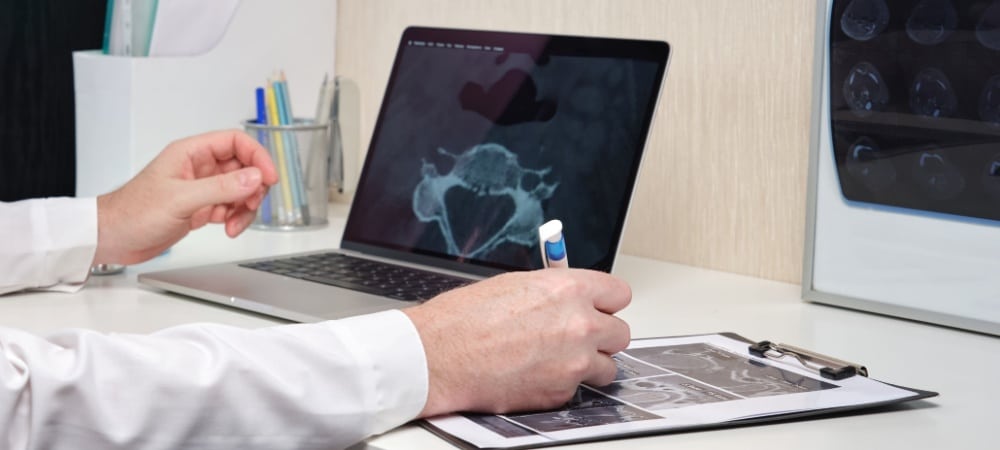
A lymph node biopsy is a medical procedure in which all or part of a lymph node is removed and examined under a microscope for diseases such as infection or cancer. Lymph node biopsy, which has different types such as sentinel lymph node biopsy and needle biopsy, can be performed not only for cancer diagnosis and staging but also to understand the cause of unexplained lymph node swelling along with other lymph node diagnostic methods.
What Is a Lymph Node Biopsy and In Which Situations Is It Performed?
The lymph node biopsy procedure is a medical procedure in which a tissue sample is taken from the lymph nodes using various techniques and examined under a microscope. Lymph nodes, which are important components of the lymphatic system, play a role in many important processes, from maintaining fluid balance in tissues and organs to protecting the body against infectious diseases. Among their main functions are the production and storage of lymphocytes, which are important cells of the immune system. In order to defend the body against serious health problems such as infectious diseases or cancer, lymph nodes may produce more lymphocytes. As a result, swelling or enlargement may be seen in the lymph nodes.
In patients who present with swelling in the lymph nodes, doctors may first examine the lymph nodes using imaging methods such as ultrasound and computed tomography. However, determining the cause of swelling and enlargement in the lymph nodes is not always easy. In this case, it may be decided to perform a lymph node biopsy. Accordingly, the main situations in which a lymph node biopsy may be performed are as follows:
• To make a definitive diagnosis of cancers such as lymphoma or to evaluate whether primary cancers such as breast cancer have metastasized to the lymph nodes,
• To investigate the cause of lymph node swelling that does not go away for a long time.
In addition, a lymph node biopsy may also be performed to plan treatment in diseases such as cancer or to evaluate the response of the disease to treatment.
How Is a Lymph Node Biopsy Performed and What Are the Types of the Procedure?
A lymph node biopsy is a procedure in which all or part of a lymph node is removed by various methods and then examined in a laboratory. Depending on the area from which the tissue sample is taken, the biopsy procedure may be called by different names such as groin lymph node biopsy, axillary lymph node biopsy, or neck lymph node biopsy. The main types of lymph node biopsy are as follows:
• Fine needle aspiration biopsy: During fine needle aspiration biopsy of a lymph node, specialists first numb the area from which the biopsy sample will be taken with the help of local anesthesia. Then a tissue sample is obtained by reaching the lymph node with a thin needle and syringe.
• Core needle biopsy: Also known as core needle biopsy, this procedure is similar to fine needle aspiration. However, unlike fine needle biopsy, a larger needle is used that allows more tissue to be collected. Both types of lymph node needle biopsy are usually completed within 15-30 minutes. During the procedure, the needle may need to be inserted into the lymph node several times to obtain an adequate amount of tissue.
• Sentinel lymph node biopsy: Sentinel lymph node biopsy is a type of biopsy performed to determine whether cancers such as breast cancer or skin cancer have spread to the lymph nodes. Cancer follows a certain sequence as it spreads from the primary site. Therefore, during the procedure, specialists first inject a contrast substance to identify which lymph nodes would be affected first if the cancer spreads. Sentinel lymph node biopsy is usually performed under general anesthesia. Specialists identify the sentinel lymph nodes with the help of the injected substances, make a small incision in the skin, and remove one or more lymph nodes. Various studies show that removing 3 sentinel lymph nodes may be sufficient to evaluate cancer. After removing the lymph nodes, the specialist doctor closes the incision with stitches and sends the samples to the laboratory for examination.
• Surgical biopsy: In some cases, doctors may not be able to easily reach the lymph nodes through the skin. In this case, they may remove part or all of the lymph node through a small incision. Surgical lymph node biopsy, which may take a little longer than needle biopsy, is usually completed within 30-45 minutes. Some pain after the procedure is normal.
Regardless of which technique is used for the lymph node biopsy procedure, the tissue samples taken after the procedure are evaluated in detail by specialist pathologists in the laboratory. In this way, both a definitive diagnosis of cancer can be made and its stage determined, and the cause of the swelling seen in the lymph node can be understood.
How Should the Patient Prepare Before a Lymph Node Biopsy?
The preparation process for a lymph node biopsy is important for the procedure to be performed successfully and to prevent possible complications during and after the procedure. Before the biopsy, specialists first carefully evaluate the patient’s medical history. It is important to inform doctors about coagulation problems, medications used, and allergies. To minimize the risk of bleeding during and after the biopsy, patients using a blood-thinning medication or herbal supplement may need to stop these medications or supplements a few days before the procedure, as advised by their doctor. Before biopsy procedures planned under general anesthesia, patients need to stop eating and drinking for a period of time. In addition, it is recommended that patients who will receive general anesthesia have an accompanying person with them.
What Complications May Be Seen During and After a Lymph Node Biopsy?
Although the lymph node biopsy is generally a reliable procedure, as with any medical procedure, there is also a risk of some complications, especially in cases where the specialists’ recommendations are not followed. The main complications of lymph node biopsy are as follows:
• Rarely, infection may develop in the areas where the procedure is performed. Specialists may prescribe antibiotics to minimize the risk of infection after the procedure.
• The risk of bleeding during and after minimally invasive procedures such as fine needle aspiration is low. However, some bleeding may occur after biopsies performed with an incision. This risk may be higher, especially in patients using blood-thinning medication. It is important to inform the doctor if the bleeding continues for a long time.
• Rarely, a nerve near the lymph nodes may be damaged during the biopsy. In this case, the person may feel numbness in the area where the procedure was performed. Under normal circumstances, the numbness is expected to disappear within 1-2 months after the procedure. If it does not go away, it is recommended to consult the specialists.
In addition to the above, in rare cases, swelling, also called lymphedema, may occur as a result of lymph fluid accumulating in the area. This condition is seen more often after surgical biopsies in which large lymph nodes are removed. Mild complications such as redness, bleeding, and bruising after lymph node biopsy are normal. However, if these continue for a long time and symptoms such as high fever or abnormal discharge from the biopsy site accompany them, it is important to consult a specialist doctor without delay.
How Long Does It Take to Get Lymph Node Biopsy Results and How Are They Interpreted?
Lymph biopsy results are generally obtained within 1-2 weeks. The time at which results can be received may vary depending on how detailed the biopsy sample is examined in the laboratory. By examining the sample taken from the lymph node under a microscope, it can be understood whether the person has a certain disease. For example, the word positive in the report may mean cancer. In this case, specialists may need further tests to determine whether the cancer originates from the lymph nodes or from another organ.
Frequently Asked Questions
Is a Lymph Node Biopsy Painful?
Because a lymph node biopsy is performed with the help of local anesthesia or general anesthesia, patients do not feel any pain during the procedure. During a needle biopsy, patients usually feel a slight needle prick. The risk of complications such as pain after the procedure is low. After a surgical biopsy, however, some pain may be seen. Specialists may prescribe some pain-relieving medication to help control the pain.
How Long Does a Lymph Node Biopsy Take?
The duration of a lymph node biopsy may vary depending on the biopsy method used. Minimally invasive procedures such as fine needle aspiration usually take 10-15 minutes. The duration of surgical biopsies may vary between 30 and 45 minutes.
What Is the Recovery Process Like After the Procedure?
The lymph node biopsy procedure is mostly an outpatient procedure. In other words, patients can go home on the same day. After the procedure, mild swelling, bruising, and bleeding are normal. During recovery, specialists may recommend keeping the area dry for a while and being careful not to shower. In addition, it is beneficial to avoid lifting heavy objects for a period of time.
When Can I Return to My Daily Life After a Lymph Node Biopsy?
The recovery time after a lymph node biopsy depends on the patient’s general health condition. The vast majority of patients can return to daily life on the same day. However, after a lymph node biopsy, it is important to keep the procedure area dry and clean and avoid heavy lifting for the period recommended by the doctor.
How Long Does It Take to Get Biopsy Results?
Although lymph node biopsy results vary depending on how detailed the tissue sample is processed, results are usually available within an average of 1-2 weeks.
What Is a Sentinel Lymph Node Biopsy?
Sentinel lymph node biopsy is performed to determine whether cancers originating from another tissue or organ, such as breast cancer or skin cancer, have metastasized to the lymph nodes near the primary cancer. During the procedure, specialists inject a special contrast material to identify the lymph nodes at risk of spreading first and remove them for microscopic examination.
How Is a Groin Lymph Node Biopsy Performed?
A groin lymph node biopsy is performed to evaluate whether cancers such as penile cancer, cervical cancer, and skin cancer have spread to the lymph nodes in the groin. During the procedure, specialists make a small incision in the groin area and remove the lymph node they want to examine. The incision site is then closed with stitches.
How Is a Lung Lymph Node Biopsy Performed?
A lung lymph node biopsy is usually performed using imaging methods such as endobronchial ultrasonography (EBUS) or mediastinoscopy. Endobronchial ultrasonography is a diagnostic method in which bronchoscopy and ultrasonography are used together. During the procedure, tissue samples are taken from the lymph nodes by reaching them under ultrasound guidance with a device called a bronchoscope. During mediastinoscopy, tissue samples are taken from the lymph nodes by entering the mediastinum, the area between the lung and the heart, through a small incision usually made in the neck.
If you notice swelling, pain, or long-lasting enlargement in the lymph nodes, it is important to consult a specialist without delay. The specialist physicians at Hisar Hospital are with you for an accurate diagnosis and effective treatment process. To get more information and make an appointment, contact us now.