How Is Varicose Vein Treated in Interventional Radiology?
Varicose vein treatment in interventional radiology is a treatment method that changes the appearance, shape and position of varicose veins and aims to reduce pressure in the varicose area. This treatment is most often performed without surgery and aims to minimize tissue damage.
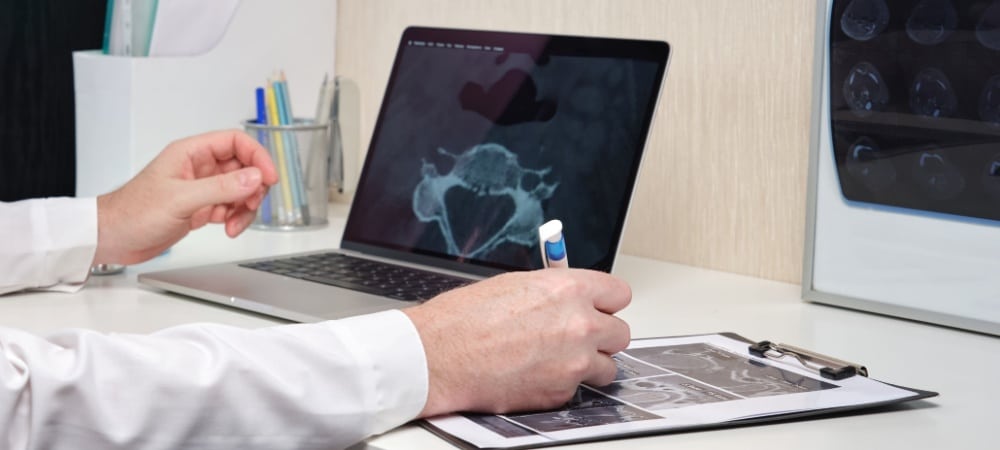
In varicose vein treatment in interventional radiology, the blood flow and valve condition of the veins are first checked with Doppler Ultrasonography examination. In the thigh and leg region, there are two large superficial veins that carry blood. These veins have a valve system that prevents backflow. If valve insufficiency – leakage is detected on Doppler Ultrasonography examination, the increase in intravascular pressure caused by backward blood leakage in these veins is considered responsible for the varicose veins. First, these vessels need to be closed.
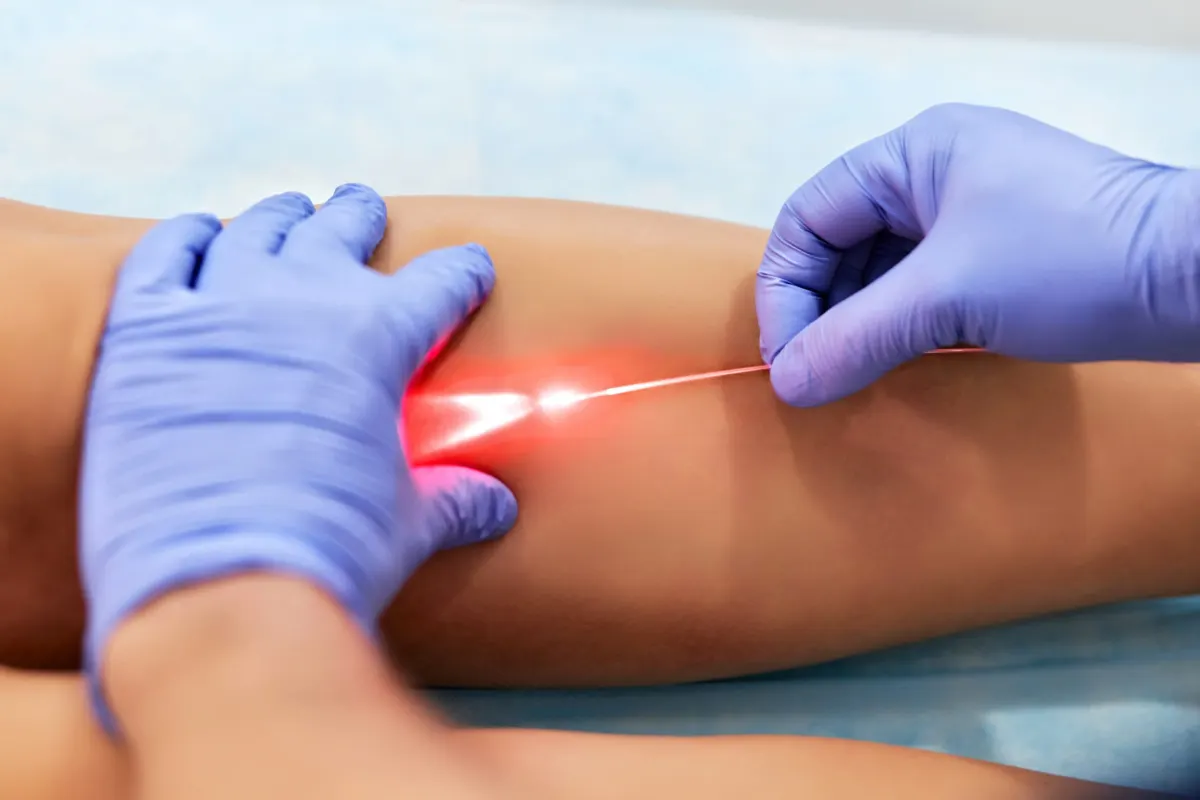
To close the problematic superficial vein, the procedure area is first cleaned with antiseptic solution and a sterile environment is provided. Then, under local anesthesia below the knee, the vein is entered and a sheath is placed. Within this sheath, depending on the technique to be used (laser, radiofrequency, glue, etc.), the catheter is advanced up to the groin region and brought into the proper position. Again, depending on the technique, it is decided whether local anesthesia will be applied along the vein route. As the catheter is withdrawn, the vessel closure procedure is carried out. Afterwards, a bandage is wrapped around the thigh and leg region. Starting the next day, the patient is asked to wear varicose stockings for at least 1 month and to walk at least 1 hour daily.
If no leakage is detected in the main veins on Doppler ultrasonography examination, foam treatment is applied to the superficial varicose veins. For this, the varicose area of the patient is first cleaned with antiseptic solutions and superficial analgesics. Using very thin needles, the inner endothelial layer of these veins is destroyed so that the veins are absorbed by the body itself. After the procedure, bandage application and wearing varicose stockings for at least one month are required, and the patient is asked to walk at least 1 hour daily.
How Many Types of Varicose Vein Treatment Are There?
The following approaches are available in interventional radiology for varicose vein treatment:
Sclerotherapy – foam treatment: Sclerotherapy, one of the oldest and most common methods used to eliminate varicose veins, involves injecting a substance into the varicose veins.
Endovascular radiofrequency ablative therapy: In this treatment, radiofrequency catheters are sent into the veins to burn the inner layer of the vein and close the vessel.
Laser treatment: This treatment eliminates the varicose vein by sending laser light into the vein and creating chemical reactions in the targeted areas.
Endovascular therapies: These involve approximately eliminating the varicose vein via a catheter. These techniques are less invasive than sclerotherapy and provide faster and more effective results.
Surgery: This is used as a last resort; the varicose vein is removed in the operating room through small incisions.
What Are the Advantages of Interventional Radiology in Varicose Vein Treatment?
Varicose vein treatment is a successful treatment method that offers a permanent and effective solution. Varicose vein treatment in interventional radiology, carried out using advanced innovative technologies, has various advantages.
Reliability: Varicose vein treatment in interventional radiology is a reliable treatment technique. This technique is applied with a minimally invasive approach, without exposure to general anesthesia or pain.
Fast: In varicose vein treatment in interventional radiology, the target vein is occluded by radiofrequency energy applied directly into the vein. Therefore, the treatment time is very short.
Effective: Varicose vein treatment in interventional radiology is an effective treatment because it allows the targeted veins to be closed while being monitored with Doppler.
No Food or Drug Use Required: Varicose vein treatment in interventional radiology does not require general anesthesia or drug use.
Affordable Cost: Varicose vein treatment in interventional radiology has a more affordable cost range compared to surgical methods.
Because varicose vein treatment in interventional radiology is an effective, reliable and affordable option, it is an attractive choice for most patients.