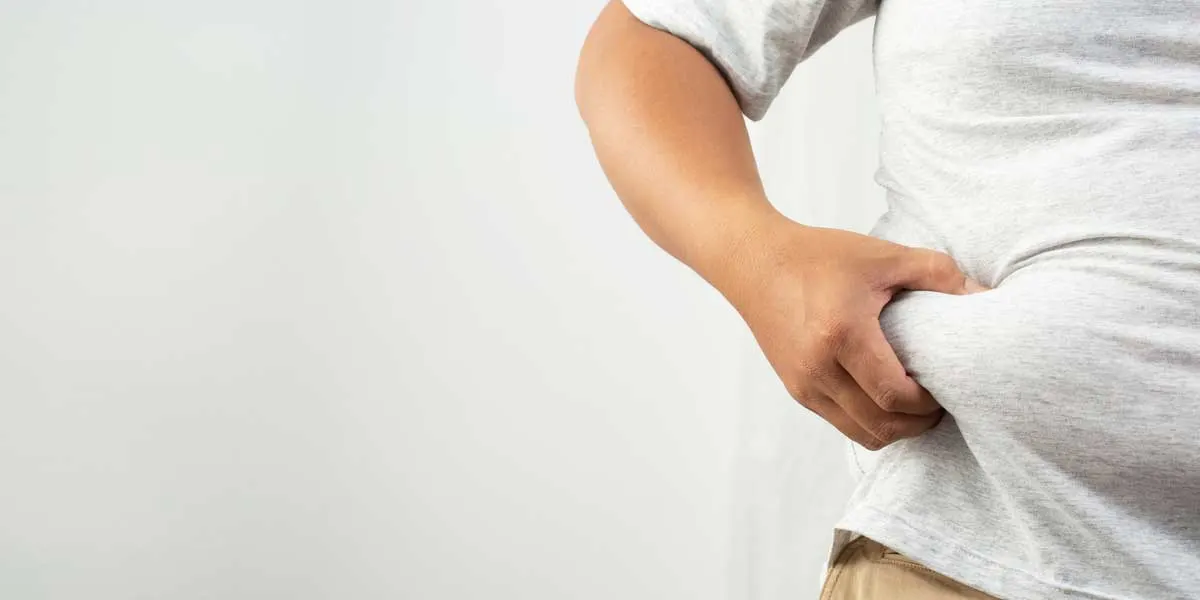
Sleeve gastrectomy is a procedure in which a large part of the stomach is removed to reduce its size. One of several bariatric surgery procedures, sleeve gastrectomy helps the body reach and maintain a healthy weight. Because a large part of the stomach area where the hunger hormone is produced is removed, it has effects on metabolism. It helps reduce hunger, promotes a faster feeling of fullness, and helps control blood sugar and blood fats. It is surgically simpler and safer than other procedures. Another advantage is that it does not involve complications related to the intestines.
Sleeve gastrectomy helps reduce the likelihood of health problems that may potentially be risky due to excess weight. Restricting the size of the stomach means restricting the amount of food eaten. In addition, hormonal changes alter the balance between hunger and fullness. These hormonal changes also contribute to the alleviation of conditions such as hypertension, cardiovascular diseases, and musculoskeletal diseases.
What Is Sleeve Gastrectomy?
Sleeve gastrectomy, also known as stomach reduction, is a surgical procedure for weight loss. Approximately 80% of the stomach is removed, leaving only a stomach the size of a banana. As a result, the remaining stomach is effective in creating a feeling of fullness in a short time. In addition, the hormones of the removed part of the stomach can no longer perform their functions adequately. Since there are no changes to the intestines in the sleeve gastrectomy procedure, it is safer in terms of complications and risks. It is also a procedure that can serve as a bridge to other obesity surgery applications.
With stomach reduction, not only obesity but also the course of obesity-related comorbid diseases changes. Diseases such as insulin resistance and type 2 diabetes in particular, as well as hypertension, cardiovascular diseases, high cholesterol, non-alcoholic fatty liver disease, obstructive sleep apnea, muscle and joint pain, and osteoarthritis begin to improve after stomach reduction surgery.
Who Is It Applied To?
The requirements for stomach reduction surgery are essentially the same as those for all bariatric surgeries. The criteria a person must meet to be a candidate for sleeve gastrectomy are as follows:
BMI ≥40 kg/m2, or BMI ≥35 kg/m2 with at least one obesity-related comorbidity (hypertension, diabetes, musculoskeletal problems, etc.)
Unsuccessful non-surgical weight loss attempts (diet, exercise, etc.)
Psychological fitness approval
No medical contraindication that would prevent surgery
Patients with type 2 diabetes or metabolic syndrome that cannot be controlled according to current practices, and with a BMI of 30-35 kg/m2, may be candidates for sleeve gastrectomy.
How Is Sleeve Gastrectomy Performed?
To evaluate whether the person is a suitable candidate for sleeve gastrectomy surgery, they undergo various tests. During the preparation period for surgery, medication and diet adjustments are made days or weeks in advance with the help of your dietitian and doctor. Eating and drinking are stopped the night before the procedure. The surgery usually lasts one to two hours.
Sleeve gastrectomy is performed under general anesthesia. Laparoscopic or robotic surgery is commonly used during the procedure. In this way, the operation is carried out with small incisions instead of large cuts to reach the stomach. These techniques help shorten recovery and hospital stay. A small camera with a light (laparoscope) is inserted through the small incisions, and images of the internal organs are displayed on a screen. The stomach sleeve is measured using long, narrow instruments inserted through the other incisions. Then, the remainder of the stomach is divided and separated with surgical staplers and removed. Afterwards, the incisions are closed. After surgery, approximately one-fifth of the stomach remains. Frequent check-ups are required during the first few months after surgery. It is also important to follow a special diet for the first few weeks. Following your doctor’s recommendations during the recovery process is of critical importance.
What Are the Advantages of Sleeve Gastrectomy Compared to Other Methods?
As with all obesity procedures, sleeve gastrectomy has advantages and disadvantages. Like other procedures, sleeve gastrectomy helps achieve effective weight loss among bariatric surgeries. In this way, it is effective in treating additional diseases caused by obesity. In addition, sleeve gastrectomy may be more advantageous than other methods for the following reasons:
Because there is no rearrangement of the intestines, the risk of complications is low
Feeling full quickly due to the reduction in stomach size
Reduced feeling of hunger due to a change in the balance of hunger and fullness hormones
Technically simpler procedure
Shorter operation time
Can be preferred for individuals whose medical condition is high-risk
Can be applied as a first step in cases of morbid obesity (BMI ≥40 kg/m2)
After sleeve gastrectomy, previously abnormal biochemical markers may change in turn and improvement may be seen. Frequently, decreases are seen in fasting blood sugar and insulin levels, liver enzymes ALT, AST and ALP, and blood uric acid levels. In addition, decreases occur in blood lipid markers such as triglycerides, total cholesterol, LDL and VLDL cholesterol levels.
Frequently Asked Questions
Although sleeve gastrectomy is a widely performed procedure, it is one that can raise many questions. You can find answers to the most frequently asked questions about sleeve gastrectomy, one of the bariatric surgery applications, in the rest of this article.
In addition to weight loss, sleeve gastrectomy contributes to the improvement of obesity-related diseases. As a result of weight loss and improvement in blood biochemical markers, improvements are seen in the diseases caused by obesity. Stomach reduction surgery helps improve the following obesity-related comorbid diseases:
Hypertension
Type 2 diabetes
High cholesterol
Cardiovascular diseases
Gastroesophageal reflux
Obstructive sleep apnea
Infertility
With the improvement of obesity-related diseases, a person’s quality of life increases and their ability to perform daily activities develops. By its nature, the stomach is an organ that can stretch. If the diet prescribed after surgery is not followed, if necessary supplements are not taken, if more calories than needed are consumed, and if there is no physical activity, the stomach may begin to enlarge again. For this reason, changes in lifestyle habits are necessary after surgery. It is important to replace foods that should not be part of the diet with healthier options. In addition, if you are experiencing problems with binge eating, be sure to contact your doctor. Developments related to blood sugar and diabetes markers may begin immediately after surgery or after some time. Weight loss usually leads to improvement in insulin and blood sugar values, and as a result, the dose of diabetes medications can be reduced. In fact, when values return to normal, medications may be stopped completely under doctor supervision. It is also possible to stop medications taken for hypertension and high cholesterol after some time, in addition to diabetes medications. Regular check-ups are carried out in the weeks and months after sleeve gastrectomy. Frequent check-ups in the first months of the recovery process gradually become every few months in later months. Monitoring of the side effects of the surgery and the weight loss process is necessary. After surgery, a strict diet is applied in the short term, but normal eating habits are resumed within a few months. In addition, since supplemental vitamins need to be taken for a period after sleeve gastrectomy, monitoring your health status is important. Following the recommendations of your physician and dietitian after surgery is of critical importance. After sleeve gastrectomy, on average, approximately 25-30% of body weight is lost in the first one to two years. However, the amount of weight lost varies depending on changes in lifestyle habits. In the first two years, with the support of diet and physical activity, weight loss can reach up to 60%. The minimum age for sleeve gastrectomy is 18, and there is no upper age limit. However, obesity surgery performed after the age of 65 may be risky in some cases. Exceptions to age limits may also exist. Consult your doctor to learn whether you are a suitable candidate for sleeve gastrectomy.
A failed sleeve gastrectomy is a significant problem. Stomach reduction surgery may fail for many reasons and usually results from a combination of several factors. Technically, a second sleeve gastrectomy is not performed because 80% of the stomach cannot be removed twice. However, a sleeve gastrectomy revision surgery is available that can help achieve the same results using a different method. Sleeve gastrectomy revision surgery helps correct the results of a previously performed sleeve gastrectomy. It may be necessary especially if the patient is not losing enough weight and various complications are present.
When obesity cannot be managed with non-surgical measures, obesity surgery becomes necessary at Hisar Hospital Intercontinental. Obesity surgery procedures may not be suitable for every individual. To learn whether you are a suitable candidate for sleeve gastrectomy, you can make an appointment with Hisar Hospital Intercontinental or contact us through our contact page.