New technologies in IVF continue to come to the aid of those longing for a child and to turn repeated failures into success. We learned about the EmbryoGen procedure, which increases the success rate of IVF, from the infertility and IVF specialists at Hisar Hospital Intercontinental.
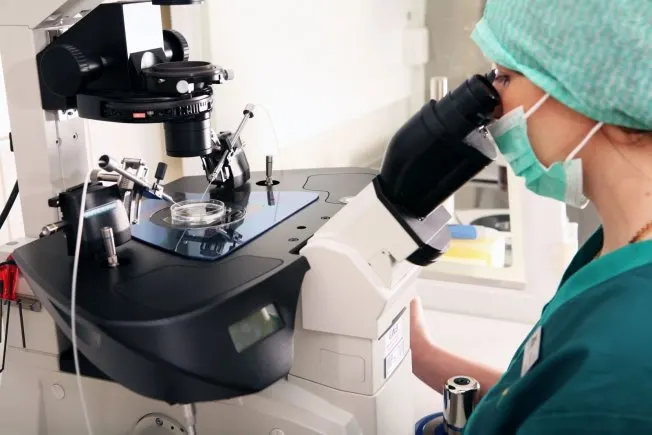
Experts stated that it is now possible to improve embryo development in the uterus as well by using EmbryoGen medium, saying: ‘Especially in repeated failed IVF attempts, repeated pregnancy losses, unexplained infertility, and repeated early (biochemical) pregnancy losses, where we prefer this procedure, a 28% increase in pregnancy rates has been achieved. Embryos are monitored for development in EmbryoGen culture medium for 3 days. On day 3, a transfer is made into the uterus with a certain amount of EmbryoGen medium. Thus, a significant improvement is achieved in the communication that should exist between the embryo and the mother’s uterus. The content of the EmbryoGen culture medium contains messenger proteins (GM-CSF) that are naturally secreted in the uterus and help embryo development. These messenger proteins enable cell communication between mother and embryo, protect the embryo from stress, and help it strengthen and differentiate during the implantation stage. One of the causes of pregnancy loss is that the embryo is perceived as foreign by the mother’s immune system. EmbryoGen regulates the communication between maternal and embryonic cells, thereby regulating the immune response coming from the mother.’