The Rentek Maneuver
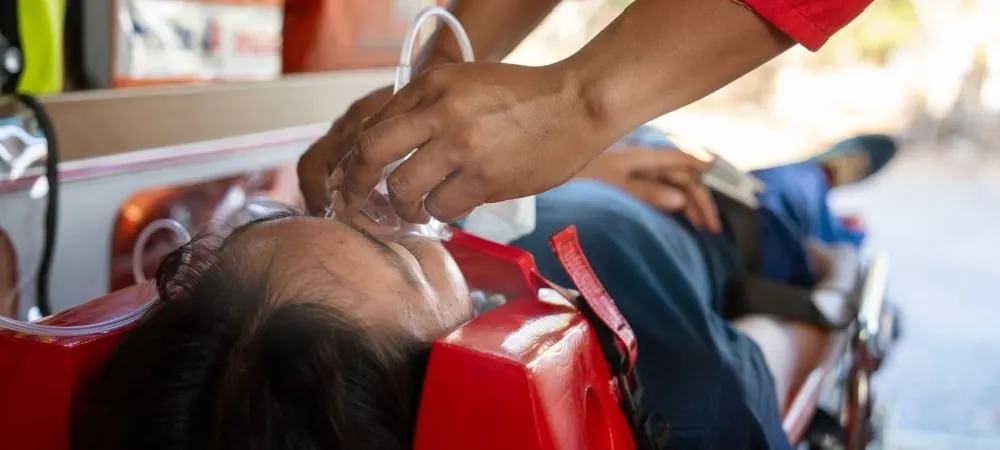
The Rentek maneuver is defined as a method for safely extracting a casualty from their location in emergency situations where there is a risk of spinal injury. This maneuver is named after Richard Rentek, a U.S. paramedic. Its primary purpose is to eliminate life-threatening environmental risks or to perform intervention in a safer area while keeping the spine as stable as possible. During the application, it is essential to pull the person without disrupting the alignment of the neck and spine, and without causing harm to the head and neck region.
What is the Rentek Maneuver?
The Rentek maneuver is a specialized rescue technique applied in emergency situations to safely remove casualties, particularly those at risk of spinal injury, from a danger zone. It is named after Richard Rentek, who developed this method. This maneuver is generally used in situations such as traffic accidents where a person is trapped inside a vehicle or remains immobile. Its most important feature is that the casualty is pulled from their location while keeping the head, neck, and spinal line as stable as possible. This is because moving an unconscious or semi-conscious person haphazardly can worsen an existing spinal cord injury. The primary goal of the Rentek maneuver is to minimize this risk, thereby increasing the person's chances of survival and preventing further damage. In other words, it is essential not just to "remove" them, but to "remove them correctly." Therefore, although it may seem simple, it is an application that requires serious attention and knowledge.
In Which Situations is the Rentek Maneuver Applied?
This maneuver is frequently preferred in vehicle accidents. If an injured person inside a vehicle is facing secondary threats such as the risk of explosion, fire, or the vehicle sliding, and if the injured person is not conscious or their breathing is obstructed, they must be removed from the vehicle quickly but carefully. However, caution: if the environment is safe and professional help is on the way, the most correct approach is to avoid moving the patient if possible.
Why is the Rentek Maneuver Performed?
The Rentek maneuver is performed to pull a casualty from a life-threatening environment to a safe area; however, it is essential to do this by maintaining spinal integrity, not randomly. This is because in some accidents, a person may be trapped inside a vehicle, lose consciousness, or have difficulty breathing. In such cases, when environmental threats also come into play—for example, if the vehicle starts to burn, toxic gases are forming, or there is a possibility of a second collision—leaving the casualty where they are may cause them to lose their life.
The Rentek maneuver comes into play at this point. Classic transport methods or unconscious interventions can increase pressure on the spine and lead to spinal cord injuries that may result in paralysis. The Rentek maneuver, on the other hand, attempts to keep the head, neck, and spine in a straight line while moving the person away from danger. In this respect, it can be considered not only as an evacuation method but also as a first step that can affect the casualty's long-term recovery process.
How is the Rentek Maneuver Performed?
The acute Rentek maneuver is applied in life-threatening situations to prevent spinal cord damage. The Rentek maneuver is a first aid technique that must be applied step-by-step and with care. The first thing to do before starting the application is to ensure environmental safety. That is, both the casualty and the person performing the intervention must be protected from environmental risks. Then, the casualty's consciousness is checked; it is evaluated whether they are breathing and whether they are responding. If the person is unresponsive or if staying in their current environment poses a life-threatening risk, the maneuver should be applied to move them to a safe area.
The practitioner moves behind the casualty and passes their two arms under the person's armpits, joining them on the chest. The hands are locked to provide a firm and balanced grip. During this, the person's head, neck, and back should be kept on as straight a line as possible, and sudden or twisting movements should be strictly avoided. Without losing their own balance and, if possible, by slightly bending their knees, the practitioner pulls the person's body backward without dragging it on the ground, but on a stable axis. The alignment of the head and neck must be constantly maintained throughout the movement, and the procedure should be stopped if any resistance or abnormal movement is noticed.
This procedure should preferably be performed by two people; one should keep the head stable while the other performs the pulling. However, if only one person is intervening, they must be much more careful, focusing all their attention on protecting the spinal line. When the maneuver is completed, the casualty is laid on a safe surface, preferably on their back and in a flat position. Then, their breathing and consciousness are checked again, and they are kept under observation until professional help arrives.
What Should Be Considered While Applying the Rentek Maneuver?
The most important element during the Rentek maneuver is the protection of the injured person's neck and spinal alignment. The first 3 steps of the Rentek maneuver include scene safety, patient consciousness check, and neck stabilization. Sudden movements should be avoided, and the pulling process should be done in one go, on a stable plane, and by at least two people. Informing the injured person and involving them in the process if they are conscious also increases the success of the application. Additionally, if there is bleeding, an open fracture, or visible deformity anywhere on the injured person, these should also be taken into account, and a more sensitive approach should be adopted.
Frequently Asked Questions
The first aid Rentek maneuver aims to safely remove a casualty from a vehicle, especially in events like traffic accidents. Besides this, it can also be preferred in situations requiring sudden evacuation such as fires or floods, or in accidents where there is a risk to the spine, such as falling from a height. However, it should only be applied when necessary and if the environment is not safe. This maneuver should ideally be applied by individuals who have received first aid training, healthcare personnel, or firefighters. However, in a serious emergency, anyone with basic first aid knowledge can also apply it; provided they manage the process carefully and consciously. In life-threatening environments, it serves to remove the casualty from that danger without disrupting spinal integrity. In other words, its main purpose is to ensure the casualty's survival while simultaneously preventing secondary damage. Moving a person suspected of having a spinal injury is risky. But if the person is trapped inside the vehicle and the environment is dangerous, the maneuver must be applied carefully to move the person to a safe area. As a first step, the casualty's consciousness and breathing are checked. If the person has lost consciousness or is immobile and the environment poses a life-threatening risk, the practitioner moves behind the person. The practitioner kneels and passes their arms under the casualty's armpits. During this, maintaining the head and neck alignment is very important. The arms are joined on the chest, and the casualty is carefully pulled backward, keeping their spine in a straight line. This pulling process is based on the principle of carrying the body on a stable axis, as much as possible independent of the ground, rather than dragging. If the person is intervening alone during the pull, they must both maintain their own balance and keep the casualty's head stable without bending it to the right or left. If possible, it should be applied by two people: one provides head-neck stability while the other pulls the body. When the casualty is taken to a safe area, they are laid on their back on a flat surface and re-evaluated. The most critical issue to consider when applying the Rentek maneuver is the absolute protection of spinal alignment. Because if there is an undetected injury to the casualty's spinal cord, even the smallest movement made unconsciously can lead to permanent paralysis. For this reason, the head, neck, and back trio should always be kept on a straight line, and sudden or twisting movements should be strictly avoided.
Pulling by the arms or dragging by holding the feet can lead to serious consequences and is completely different from this technique. Another important point is that the person intervening must adjust their physical strength and balance well. Being in a stable and balanced position with their own body weight while pulling the casualty is necessary for both their own safety and the accuracy of the application. It should be ensured that the feet do not slip, the hands do not loosen, and the direction of the pull is straight.
Throughout the application, the casualty's facial expression, breathing, and any signs of pain should be observed. If the person regains consciousness and complains of pain, the pulling process should be stopped immediately and professional help should be awaited. Additionally, during the pulling process, elements that are in tight contact with the body, such as the casualty's clothing or belts, should be loosened; this both facilitates circulation and prevents snagging during the pull. If there is no life-threatening danger in the environment and professional help is on the way, the maneuver should not be applied. Also, if the person is conscious and tells you not to move them, this should also be taken into account. Unnecessary applications can cause permanent damage to the spinal cord. Alternatives to the Rentek maneuver can vary depending on the casualty's condition and environmental conditions. One of the most common alternatives is the “Log Roll” technique; this method is based on the principle of turning to the side while keeping the spine stable, especially during placement on a stretcher. KED (Kendrick Extrication Device) is used for the safe extraction of injured people trapped inside vehicles and is an apparatus frequently preferred by professional rescue teams. Also, rigid spinal boards or transport methods with neck brace support are effective alternatives used in cases of suspected spinal injury. However, most of these methods require special equipment and training. The stages of the Rentek maneuver should be planned carefully, and the practitioner should remain calm. The greatest risk is the increase in spinal injury. A shift that may occur, especially in the neck region, can result in paralysis or death. The Rentek maneuver should not be applied to sensitive individuals such as infants without professional supervision. Apart from this, secondary traumas such as internal organ damage or rib fractures can also occur. Therefore, it is not recommended to perform it without being knowledgeable. This maneuver is generally taught in first aid training programs, in training for professional groups such as emergency medical technicians (EMT), paramedics, and firefighters. It is also covered in detail in professional courses such as Advanced Trauma Life Support (ATLS). The Rentek maneuver in infants differs from the standard application and requires special training.
Correct Intervention in Emergencies Saves Lives
In trauma and accident situations, the professional evaluation to be performed afterward is as vital as the initial intervention. Spinal injuries can lead to permanent damage if not managed early and correctly.
As Hisar Hospital Intercontinental, we provide 24/7 service to trauma patients with our experienced expert staff in the fields of Emergency Service, Neurosurgery, Orthopedics and Traumatology, and our advanced imaging technologies.
You can contact us to get detailed information about spinal injuries and post-trauma evaluation or to make an appointment.