Liver Ablation
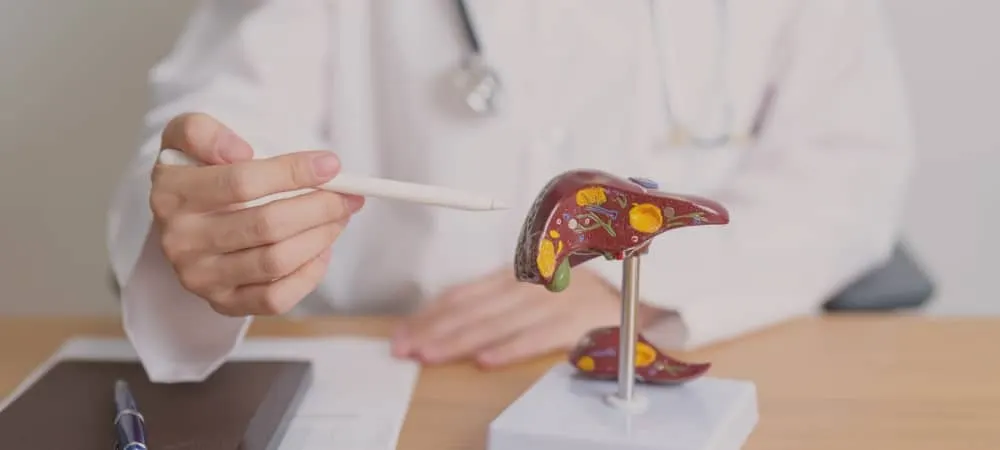
The liver is one of the largest internal organs in the body and performs many vital functions. However, in some cases, tumors that develop within liver tissue can threaten these functions. When surgery is not always possible or poses a risk to the patient, or when the procedure can be performed without the need for surgery, a modern treatment method called liver ablation comes into play. This method focuses on directly destroying tumors in place and is generally applied with a minimally invasive approach.
What Is Liver Ablation?
Liver ablation is a treatment method aimed at eliminating tumors in the liver without the need for a surgical incision. This procedure is generally used for tumors smaller than 3 cm and located in certain areas of the liver. Tumor cells are directly targeted and destroyed with heat, cold, or chemical agents. The most commonly used techniques include radiofrequency ablation (RFA), microwave ablation (MWA), cryoablation (freezing with cold), and chemical ablation (with appropriate liquid solutions).
In Which Situations Is Liver Ablation Used?
Liver ablation treatment is most commonly used for primary liver tumors called hepatocellular carcinoma (HCC), which develop within the liver itself. Ablation can also be applied to small, limited numbers of tumors that have spread to the liver from other organs such as the colon, rectum, breast, or lungs (metastases). It is particularly effective in lesions smaller than 3 centimeters, few in number, and located in accessible areas of the liver.
In such cases, ablation offers an effective treatment method while also supporting the goal of preserving the patient's quality of life. Because it is a non-surgical method, it often stands out with a lower risk and a faster recovery process.
Why Is Liver Ablation Performed?
The purpose of liver ablation is to destroy tumor cells in place as an alternative to surgery. This is especially valuable when the tumor is in a location that cannot be surgically removed or when the patient's overall health condition cannot tolerate a major operation. The main goals of ablation are to eliminate the tumor, preserve the remaining healthy liver tissue, and provide the greatest possible benefit with the least burden to the patient.
In some patients, ablation may not only be a temporary solution but also the main treatment option for long-term tumor control. It can be highly successful, especially in individuals with early-stage liver cancer who are not candidates for options such as transplantation or resection. It may also be preferred in patients waiting for liver transplantation to stop tumor progression and gain time.
This method may also help prevent the tumor from spreading to other parts of the body. Local destruction of tumor cells can slow the progression of the disease and, when used together with other treatments such as chemotherapy, immunotherapy, or targeted therapies, may improve the overall treatment success for the patient.
How Is the Liver Ablation Treatment Decision Made?
The decision to perform liver ablation is made after a multi-layered evaluation process. Since it is not a treatment that can be applied routinely to every patient, a detailed diagnostic analysis is essential before the procedure. First, the patient's general health status, liver function, the number, size, and location of existing tumors are carefully examined. During this process, factors such as whether the liver can tolerate the tumor, whether other diseases are present, and the spread potential of the tumor are determining considerations.
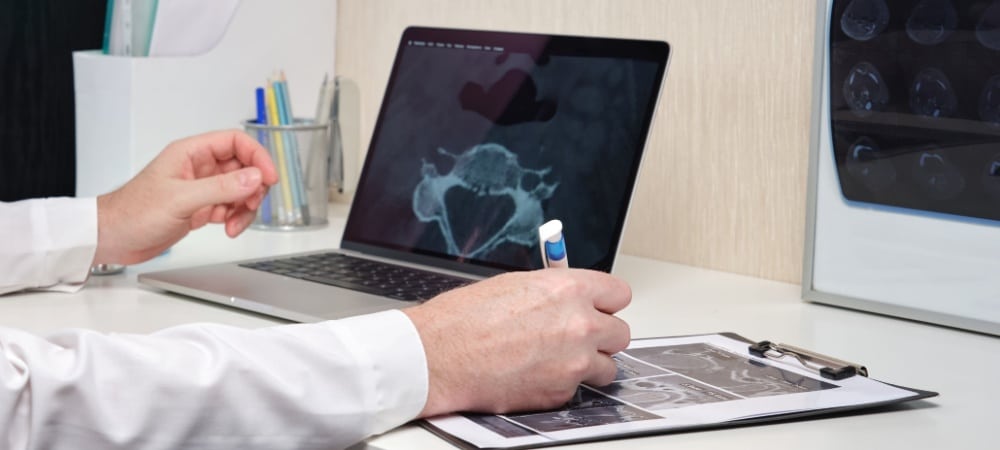
Imaging techniques are among the most commonly used methods in the diagnostic process. Computed tomography (CT) and magnetic resonance imaging (MRI) clearly reveal the tumor's location in the liver, its size, and its relationship with blood vessels. In some cases, these two methods are used together, because MRI provides superior results especially in soft tissue detail. Ultrasonography can provide real-time guidance both during diagnosis and during the ablation procedure. PET-CT or advanced whole-body imaging tests may be used to evaluate spread. In addition, blood tests are very important in understanding the biological behavior of the disease. AFP (alpha-fetoprotein), one of the tumor markers specific to liver cancer, is frequently checked during this process. In some cases, a biopsy may be necessary for a definitive diagnosis; this allows the type of tumor to be clarified and whether ablation is an appropriate option to be determined more confidently.
At the end of the diagnostic process, if the number of tumors is limited to one or a few, their size is generally smaller than 3 centimeters, and there is no spread to other organs, the patient is considered suitable for ablation. However, this decision must be evaluated on an individual basis by a multidisciplinary team. In this process, where oncology, interventional radiology, gastroenterology, and, when necessary, surgical specialties work together, the goal is to determine the most appropriate, effective, and safe treatment path.
How Is Liver Ablation Performed?
Liver ablation is generally a highly delicate procedure performed in a minimally invasive manner. Before the procedure, the patient is informed in detail, and the method to be used is selected according to the tumor's location and the patient's overall condition. During ablation, the goal is to reach the area where the tumor is located directly and destroy the tumor cells without causing as much damage as possible to the surrounding healthy tissue. The procedure is usually performed under sedation or light anesthesia. After patient comfort is ensured, tumor foci in the liver are identified with imaging devices such as ultrasound, CT, or MRI. Then, using a thin needle or probe through the skin, the ablation is initiated by reaching directly into or near the tumor. Depending on the technique used, one of the following methods is generally selected:
Radiofrequency ablation (RF): Radiofrequency ablation of the liver is generally performed by entering the tumor with a needle under ultrasound or CT guidance. RF ablation destroys the tumor in liver tissue in a controlled manner by generating heat with radiofrequency energy. Liver RF ablation is an effective local treatment method, especially for primary tumors such as small hepatocellular carcinoma. This is the most commonly used type of ablation.
Microwave ablation (MWA): Cell temperature is increased with microwave energy and tumor cells are vaporized and broken down. It may be preferred for larger lesions.
Cryoablation: Tumor cells are rapidly frozen and destroyed. In this method, temperatures dropping to -176 degrees are applied through a probe.
Ethanol injection: In some cases, pure alcohol is injected into the tumor and cells are chemically destroyed. This method is generally preferred for small and easily accessible tumors.
Radiofrequency ablation of liver tumors is generally a safe technique preferred for solitary tumors smaller than 3 cm. In liver tumors, radiofrequency ablation can provide long-term tumor control with repeated applications and is effective in extending survival. The procedure usually takes between 30 and 90 minutes. If there are multiple lesions or if the tumor is in a difficult-to-reach area, the procedure may take longer. After ablation, the patient is usually observed for a short period; if no serious complication develops, the patient is discharged the same day or the next day. The recovery period is much shorter compared with conventional surgery, and the patient can return to normal life within a few days.
The success of this entire process depends directly on the experience of the team performing the procedure as well as the quality of the equipment used. For this reason, liver ablation should be performed in specialized centers. This method, whose every stage is meticulously planned, offers a highly effective and safe treatment option when the right patient is selected.
Frequently Asked Questions
What tumors is liver ablation used for?
Liver ablation is most commonly used in liver cancer called hepatocellular carcinoma (HCC). This type of tumor originates from liver cells, and ablation is a highly effective treatment option especially when it is detected at an early stage in the setting of cirrhosis. Ablation can also be successfully applied in liver metastases.
Is liver ablation risky?
In general, liver ablation is a low-risk procedure. Because it is much less invasive than surgery, it is preferred especially in elderly individuals or those with accompanying diseases. However, it is not completely risk-free. Temporary side effects such as mild pain, fever, or fatigue may occur after the procedure. Rarely, complications such as infection, bleeding, or bile duct damage may develop. For this reason, ablation must be performed by experienced specialists and in centers with appropriate medical equipment.
Is liver ablation or open surgery better?
This should be evaluated entirely according to the patient's general condition, the characteristics of the tumor, and suitability for surgery. Surgery may allow complete removal of the tumor; however, not every patient is suitable for this. Ablation offers an alternative that can be as effective as surgery but carries a much lower risk. Hybrid approaches in which both methods are used together are also becoming increasingly common.
What kind of procedure is liver ablation?
It is a highly targeted, minimally invasive intervention. Instead of spreading throughout the body, treatment is applied directly to the tumor foci. It is a comfortable treatment method for the patient, has a short recovery period, and is generally repeatable.
How long does liver ablation take?
Although it varies depending on the number and size of the tumors, the procedure takes 30 to 90 minutes on average. Together with the follow-up process, the total hospital stay usually does not exceed one day.
Does the tumor come back after liver ablation?
Liver tumor ablation is used in patients who cannot undergo surgery to stop or shrink tumor growth. The nature of the tumor and the patient's general condition are decisive in this regard. In some patients, it may not recur for several years after the procedure, while in some cases new lesions may appear within a few months. Therefore, regular follow-up and imaging are very important.
What is the recovery process like after liver ablation?
The recovery process is usually fast. The patient can return to normal life within a few days after the procedure. Mild fatigue and a feeling of discomfort in the abdominal area may occur. Pain can usually be controlled with pain relievers. Resting for a few days as recommended by the doctor will be beneficial.
What should nutrition be like after liver ablation?
After the procedure, a balanced, low-fat diet that supports liver health is recommended. Alcohol consumption is definitely not recommended. A diet rich in fresh fruits and vegetables and low in processed foods helps the liver recover. Protein needs should be met adequately, but dietitian follow-up is important in order not to increase the liver's burden.
Is liver ablation covered by social security in Turkey?
In many cases, liver ablation is considered a procedure covered by social security. However, the patient's condition, the technology used, and the center's agreements may affect this situation. It is helpful to obtain detailed information from the healthcare institution before the procedure.
Which department should be visited for liver ablation?
This procedure is usually performed by interventional radiology units. However, it requires multidisciplinary teamwork with departments such as oncology, gastroenterology, and general surgery. The first consultation can usually be made through internal medicine or oncology outpatient clinics.
If you have concerns about your liver health, early diagnosis and proper treatment are very important. To get detailed information about liver ablation and to make an appointment with our specialist INTERVENTIONAL RADIOLOGY doctors, contact us.