Neuroendocrine tumors develop as a result of the tumorization of neuroendocrine cells, which control the secretion of hormones through nerve stimulation. Gallium 68 Dota-PET is used in neuroendocrine tumors for diagnosis, staging of the tumor before surgical treatment, planning of treatment, determining the response to treatment, and restaging after treatment. Neuroendocrine tumors are tumor types that have abundant somatostatin receptors. The use of Gallium 68 Dota-PET for diagnosis and for guiding treatment is made possible by the ability of somatostatin receptors to bind the hormone, because “Ga 68” has a high affinity for somatostatin receptor-2. Gallium 68 Dota, a radiopharmaceutical used with PET (positron emission tomography) to localize neuroendocrine tumors that are generally positive for somatostatin receptors, is a radioactive agent used for diagnosis and treatment of certain diseases and for understanding the function of some organs. Computed tomography (CT) is also one of the preferred imaging methods for neuroendocrine tumors; however, CT imaging can miss lymph nodes smaller than one centimeter, and its sensitivity for metastases of the tumor is low if it has metastasized. Gallium 68 Dota PET has high sensitivity for most neuroendocrine tumors.
What Is Dota-PET?
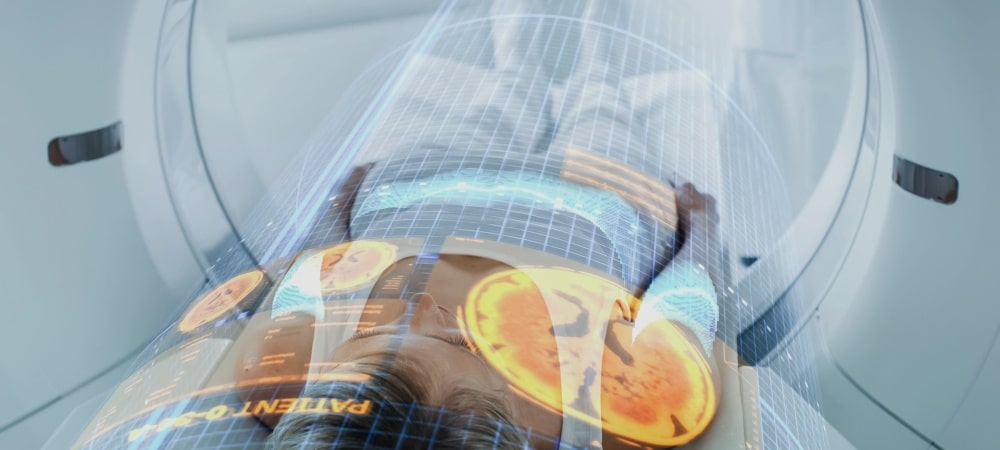
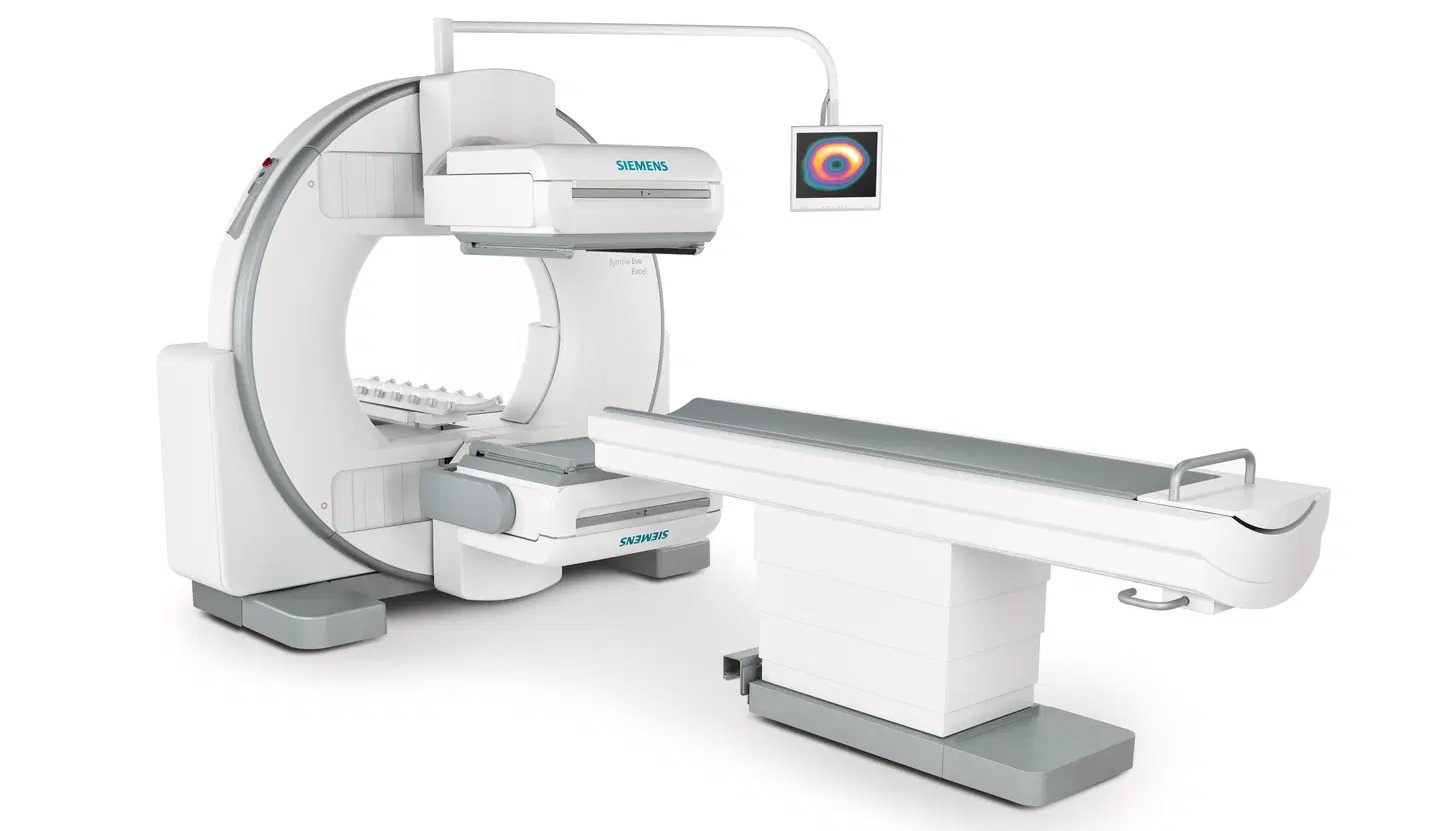
Dota-PET is a nuclear medicine imaging method that is beneficial in the diagnosis and monitoring of oncological, psychiatric and neurological diseases using injected radioactive isotopes. The radioactive isotope used creates the image with the positrons (positive electrons) it emits from the area it binds to. For a Dota-PET examination, a patient is placed in a special device after a radioactive agent is injected into a vein, and this device detects the positrons and creates three-dimensional images on a computer. Because it can directly measure chemical activity in the body, the origin of neurological and oncological diseases can be understood more clearly. This method is used for early detection and diagnosis of various diseases such as neuroendocrine tumors, thyroid cancers, paraganglioma, pheochromocytoma and ganglioneuroma. It provides a safe screening process for patients and is important in managing treatment processes. Dota-PET visualizes neuroendocrine tumors with the gallium 68 isotope, which has high affinity for the abundant somatostatin receptors. With the emission of high-energy positrons, it provides high-contrast images of the target tissue. PET (positron emission tomography) is a tomography performed using radioactive agents. Gallium 68 is a radioactive agent used for PET in neuroendocrine tumors. Since it also measures tumoral activity in these tumors, it plays an important role in follow-up. Because the half-life of Gallium 68 is short, reducing the patient's exposure to radiation is also one of the advantages of this diagnostic method. With the detailed images it provides, it offers the opportunity to better understand the course of the disease, adjust treatment accordingly, and gain insight into how the disease may progress.
In Which Diseases Is Dota-PET Preferred?
Dota-PET imaging is a diagnostic and treatment monitoring tool used in various fields of medicine. The main cancer types in which this method is used can be listed as follows:
Neuroendocrine tumors of various organs
Neuroblastoma
Ganglioneuroma
Prostate cancer
Pheochromocytoma
Evaluation of neurological diseases
Thyroid tumors
The common feature of these tumors is generally the presence of somatostatin receptors. Apart from oncological causes, it is also used in diagnosing psychiatric diseases such as Alzheimer's and in monitoring early stages. The purposes for which this imaging method is used in these diseases can be explained with the following items:
Finding the localization of the neuroendocrine tumor,
Determining the stage of the tumor or neurological disease,
Showing the degree of metabolic activation of the tumor,
Planning treatment based on the information it provides about localization, metabolic activation and staging,
Detecting metastasis or recurrence if it has occurred in the tumor,
Evaluating the course of treatment and the patient's response to treatment after treatment has started.
In light of these items, Dota-PET imaging is very useful for the fields of oncology, neurology and psychiatry, while other diseases in which it may be beneficial are still under investigation.
Which Substance Is Used in Dota-PET Imaging?
Dota-PET imaging uses Gallium-68, a radioactive agent that is a synthetic form of the somatostatin hormone. The importance of it being a synthetic form of the somatostatin hormone lies in the fact that somatostatin-2 receptors are found in great abundance in neuroendocrine tumors. Gallium-68 binds to these receptors and shows the tumor on PET imaging. Because the half-life of this substance injected into the body is short, it is rapidly eliminated from the body. This reduces the body's exposure to a radioactive substance and also provides an advantage in terms of possible side effects. About 6 hours after the drug is administered, the radiation in the body returns to its natural level. This method can be used in children and adults. In breastfeeding patients, it is recommended that breastfeeding be stopped for 24 hours after the injection and that the breast milk produced during this period be pumped and discarded. In pregnant patients or patients suspected of being pregnant, this test is not performed, to avoid a possible effect on the baby, since it involves a radioactive substance. Lesions that are small in size and that computed tomography may miss, or tumor metastases, can be seen through the binding of Gallium-68 to the receptors in these lesions. The fact that Dota-PET scans performed with Gallium-68 are highly sensitive for neuroendocrine tumors makes this imaging method the preferred choice. Since it is used for diagnostic purposes, no strong side effects are expected, and the patient does not need to stay in the hospital before or after the scan.
What Preparation Is Required Before a Dota-PET Scan?
Before Dota-PET imaging, the nuclear medicine specialist provides the patient with the necessary information. If the patient has previously undergone radiological imaging, the result reports of that imaging, the pathology results related to the disease, the details of the treatment applied, and current laboratory test results are requested. Along with these, the patient is asked whether they have an allergy to radioactive substances. No change to the patient's dietary routine is necessary for this procedure. After Ga-68 is administered intravenously, the patient is kept in a calm environment for about 1 hour so that the substance can spread throughout the body and find and bind to its receptors. At the end of the waiting period, the patient is placed in the PET scanner for imaging. The scan takes approximately 15-30 minutes, although additional scans may be required in some patients depending on the disease. After imaging is completed, the patient can return to normal life.
What Should Be Considered After a Dota-PET Scan?
After the scan, the patient can continue their daily life without making any changes. Since Gallium 68 is excreted by the kidneys, drinking plenty of water and fluids helps its elimination from the body. Because the patient has been exposed not only to a radioactive substance but also to radiation during the PET scan, they are asked to stay away from young children and pregnant women for 24 hours. There are no restrictions on diet or exercise after imaging. If the patient is breastfeeding, they should stop breastfeeding for 24 hours after the Gallium injection. Since this radioactive substance may also be present in the milk produced during this period and it is not beneficial for the baby, they are asked to pump and discard the milk.
Frequently Asked Questions About Dota-PET
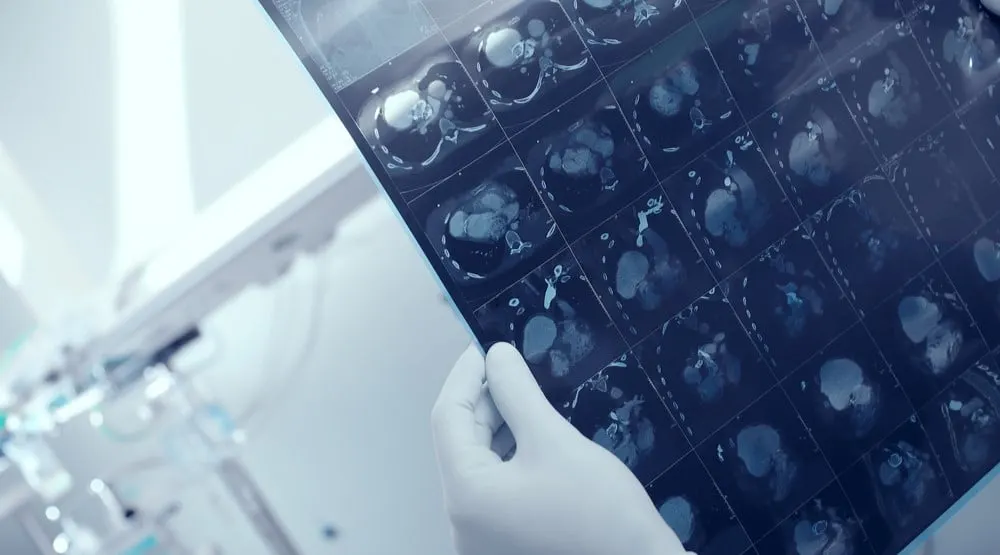
Ga-68 Dota-PET is a nuclear medicine imaging method performed using radioactive substances. This method is generally used in neuroendocrine tumors and has advantages such as a wider gantry, low exposure and high resolution. Gallium 68 is a radioactive agent used in PET imaging. Somatostatin, FAPI or PSMA compounds labeled with Gallium 68 are used in the diagnosis of cancer types. Dota-PET can be performed in hospitals that have a nuclear medicine unit and can provide Ga 68 PET or Ga 68 PSMA PET imaging. If the hospital where the cancer patient is being followed does not have a nuclear medicine unit or the equipment required for Dota-PET imaging, referral to a hospital that has them is recommended. The nuclear medicine report states the localization of the tumor, its metastasis if present, and whether this tumor is active in terms of malignancy, as a result of PET imaging. PET (positron emission tomography) is generally a very efficient imaging method for oncological, neurological and psychiatric diseases. The Dota-PET method using Gallium 68 is used to monitor treatment of a patient with a neuroendocrine tumor or prostate cancer, for staging, for detecting metastases or lesions if they have developed, for understanding whether recurrence has developed after treatment, and for observing the response to treatment. The timing may vary depending on how busy the hospital is with this imaging technique, but results are generally reported within one day. PET imaging is a technique in which three-dimensional images of the localization and metabolic activity of a lesion or tumor are obtained. If you have a diagnosis of neuroendocrine tumor, you can consult an oncology specialist and make an appointment with the nuclear medicine department for a Gallium Dota-PET examination to obtain data that will be extremely helpful in the course of the disease, such as on metastasis, recurrence or treatment planning.