Thyroidectomy is the surgical removal of all or part of the thyroid gland, located at the front of your neck. The thyroid gland is a vital organ for your body and regulates your metabolism.
This important gland controls your body's functions by producing hormones. However, in some cases, problems such as nodules or cancer developing in your thyroid gland may make thyroidectomy necessary. Especially in the case of thyroid cancer, early diagnosis and surgical intervention can be lifesaving.
Your recovery after surgery usually takes about 1 week and may vary depending on your health condition. In this article, we will share with you, in clear and understandable language, what thyroidectomy is, which diseases it is used to treat, and everything you need to know before and after surgery.
What Is Thyroidectomy Surgery?
The surgical removal of the thyroid gland, located at the front of the neck, is used today in the treatment of many thyroid diseases. Let's take a closer look at the details and types of this procedure.
What does thyroidectomy mean?
Thyroidectomy is the surgical removal of all or part of the thyroid gland. The thyroid gland is a butterfly-shaped organ located at the front of your neck that regulates your metabolism. This important gland produces hormones that are vital for your body.
Thyroidectomy can be performed in different ways depending on the patient's medical condition. These include:
- Lobectomy (unilateral thyroidectomy): The removal of only the right or left lobe of the thyroid gland. This is the most minimal thyroid surgery accepted today.
- Subtotal thyroidectomy: The removal of the thyroid gland while leaving some thyroid tissue in both lobes.
- Near-total thyroidectomy: The removal of the thyroid gland while leaving less than one gram of thyroid tissue on one side.
- Total thyroidectomy: The removal of the entire thyroid gland.
These surgical procedures are generally performed because nodules detected in the thyroid gland carry a risk of cancer, because of hyperthyroidism cases that do not respond to medication, or because of goiters that press on surrounding structures and make basic functions such as swallowing and breathing difficult.
What is total thyroidectomy?
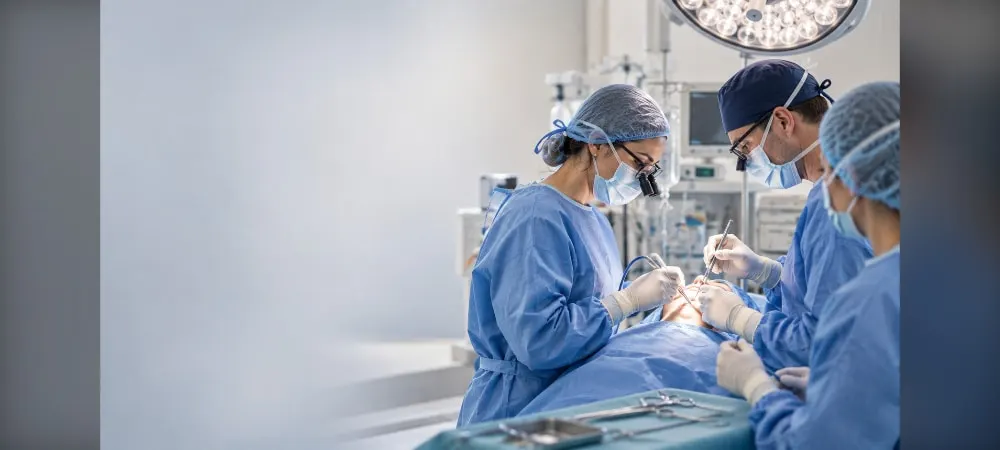
Total thyroidectomy is the complete removal of both lobes of the thyroid gland and the part connecting these lobes, called the isthmus. This surgery is usually performed under general anesthesia through an incision made at the front of the neck.
This surgical method is particularly preferred in the following situations:
- Thyroid cancer cases
- Severe hyperthyroidism that cannot be controlled with medication
- Nodules in both lobes
- Large multinodular goiter or one that causes difficulty breathing or swallowing
- Recurrent thyroid nodules or nodules that tend to grow
- Medullary cancer, regardless of tumor size
After total thyroidectomy, since thyroid hormone production in your body stops completely, you will need to take thyroid hormone supplements for life.
For Which Diseases Is Thyroidectomy Performed?
The reasons for thyroidectomy may vary from patient to patient. Surgical intervention may be necessary in different thyroid diseases, and specialist doctors decide in which situations surgery should be performed. Here are the main diseases that require thyroidectomy.
Thyroid cancer
Thyroid cancer is one of the most common and important reasons for performing a thyroidectomy. Among all cancers, thyroid cancers occur at a rate of 2% in women and 0.5% in men. According to data from the Turkish Public Health Institution, 8,013 thyroid cancer cases were seen in our country in 2016, with a frequency of 12%. Thyroid cancer is the second most common type of cancer in women after breast cancer.
When thyroid cancer is diagnosed, removal of the entire thyroid gland by surgery (total thyroidectomy) is usually preferred. Surgical intervention is the most common and effective treatment method for thyroid cancer. In cases where the cancer has spread to the lymph nodes, the lymph nodes in the neck may need to be removed together with the thyroid gland.
Goiter and nodular diseases
Goiter is a condition caused by enlargement of the thyroid gland beyond normal and appears as swelling in the neck. A large goiter can press on surrounding organs and cause difficulty breathing and swallowing. In this case, thyroidectomy is recommended.
Goiters that have reached giant sizes and press on surrounding structures are an important reason for thyroidectomy. In addition, surgical treatment may also be applied in cases of goiter containing many nodules (multinodular goiter). In Turkey, nodules in the thyroid gland can be seen in about half of the people who undergo ultrasonography.
Hyperthyroidism and Graves' disease
Hyperthyroidism is a condition in which the thyroid gland produces excessive hormones. In hyperthyroidism cases, medication is tried first, but thyroidectomy may be preferred in cases that do not respond to medication.
Graves' disease (toxic goiter) is an autoimmune disease and one of the most common causes of hyperthyroidism. This disease causes the thyroid gland to secrete excessive hormones. In Graves' disease, the body produces antibodies against itself, and this leads to an accelerated metabolism, increased pulse rate, and weight loss.
Surgical treatment is preferred in Graves' patients who cannot be controlled with medication or radioactive iodine therapy, particularly in people younger than 40, those with nodules, or patients with protrusion of the eyes (exophthalmos).
Thyroid nodules and enlargements
Nodules in the thyroid gland are mostly benign, but some may carry a risk of cancer. Surgical removal is recommended for nodules that are suspected to be cancerous based on ultrasonography and biopsy results.
Even if nodules are benign, thyroidectomy may be necessary when they are larger than 4 cm or when they grow rapidly and cause difficulty breathing and swallowing. In addition, large nodules that are cosmetically bothersome may also be a reason for surgery.
In conclusion, thyroidectomy is an effective treatment option for various thyroid diseases. Since each patient's situation is unique, the decision for surgery is made by the doctor according to the patient's clinical condition and diagnostic test results. Thyroidectomy can be lifesaving, especially when other treatment methods have failed.
Preoperative Preparation Process
Preparing properly before thyroidectomy directly affects both the success of the operation and your recovery process. Experts state that detailed preparations made in the preoperative period reduce the risk of complications.
Necessary tests and imaging
Before thyroidectomy, your doctor will request a series of tests and imaging studies. First, your thyroid hormone levels (TSH, T3, T4) are measured with blood tests. In addition, your calcium level, which is a risk factor after surgery, is also checked. These tests are performed to finalize the surgical decision and method.
The most common imaging study is thyroid ultrasound. Ultrasonography shows the structure of the thyroid gland and the size and characteristics of the nodules. In addition, Fine Needle Aspiration Biopsy (FNAB) is taken from suspicious nodules to confirm the diagnosis or risk of cancer.
In some cases, laryngoscopy (vocal cord examination) is performed to check the condition of the vocal cords. This procedure is important for evaluating the preoperative function of the nerves that control the vocal cords. In thyroid cancer, advanced imaging methods such as Computed Tomography (CT) or Magnetic Resonance Imaging (MRI) may be used when necessary to determine the size and spread of the tumor.
Medication use and informing your doctor
It is extremely important to inform your doctor about all the medications you use before surgery. Some medications may affect thyroidectomy and may need to be stopped beforehand. In particular, blood thinners should be stopped some time before surgery because they may increase the risk of bleeding during the operation.
Be sure to inform your doctor about your past illnesses, surgeries, and allergies. The anesthesiologist will examine you before surgery and review your file. If you have any allergies, you need to tell the anesthesiologist. All supplements, including herbal medicines, should be stopped one week before surgery.
Preoperative nutrition and lifestyle
The weeks and days before surgery are a critical period for preparing your body for the stress of the operation and the recovery process. A protein-rich diet is essential for cell renewal and tissue repair. Therefore, it is recommended that you include high-quality protein sources such as chicken, fish, eggs, red meat, legumes, and dairy products in your diet.
Vitamin C is important for wound healing. Vitamins A and E support the immune system. Colorful vegetables, fruits, whole grains, and nuts are rich in these nutrients.
Drinking plenty of water in the preoperative period helps eliminate toxins and supports your general health. It would be beneficial to avoid foods that are high in sugar, saturated fat, and processed foods, which may increase inflammation.
It is recommended that you quit smoking and alcohol at least two weeks before surgery, as they negatively affect your blood circulation. You will need to fast after a certain hour on the night before surgery - your doctor will give you specific instructions on this.
Postoperative Recovery and Follow-Up
There are some important points to pay attention to in order to have a successful recovery after thyroidectomy. A good follow-up program and acting in line with your doctor's recommendations will make your postoperative process easier.
Things to pay attention to in the first week
After surgery, there are no restrictions on food, drink, or movement. You can even use iodized salt. In the first days, there may be mild pain or a stinging sensation in the throat, which usually goes away on its own within 1-2 days. If it is bothersome, you can use any throat lozenge. You can be discharged 24-48 hours after surgery.
On the 3rd day after surgery, you can take a bath, and you should not worry about water and soap touching the wound. It is important not to restrict your neck movements; otherwise, neck pain may develop. After the second day, you can comfortably perform your daily activities.
Wound care and risk of infection
Since self-dissolving suture material is usually used for the surgical wound, the stitches do not need to be removed. The small adhesive strips placed over the wound can be removed after 4-5 days. One week after surgery, you can start using scar-reducing creams. In addition, when you go outdoors, it is recommended that you use a high-protection-factor (SPF 50) sunscreen.
If there is noticeable swelling, redness, or pain at the wound site, you must inform your doctor. These symptoms may be signs of infection and require early intervention.
Hormone monitoring and medication use
Patients who have had both thyroid lobes removed begin taking levothyroxine tablets under their doctor's supervision. The medication replaces the thyroid hormone that your body can no longer produce. It is important to take this medication in the morning on an empty stomach, 30-45 minutes before breakfast, with water only.
One month after surgery, your medication dose is adjusted with a blood test. After a change in the medication dose, it is necessary to wait at least 6-8 weeks and then have a follow-up test. Regular doctor check-ups are very important for monitoring your recovery process.
Nutrition and weight control
A special diet program is generally not required after thyroidectomy. You can start eating normally 6-8 hours after surgery. However, when the thyroid gland is completely removed, weight gain may occur. Therefore, a balanced and healthy diet is important.
If weight gain exceeds 5 kg, the cause may not only be thyroid hormone deficiency but also your eating habits and lack of physical activity. During the postoperative recovery process, both adequate rest and light exercise will be beneficial.
Lifestyle Changes and Long-Term Effects
Life after thyroidectomy may require changes in some of your habits. These changes are important for protecting your health and supporting your recovery.
Exercise and physical activity
Returning to physical activity after thyroidectomy is an important part of your recovery process. It is recommended that you start light walks within the first 1-2 weeks after surgery. However, since each individual's situation is different, it is important to consult your doctor before starting activities.
In general, you can start more intense exercises such as weight lifting 4-6 weeks after surgery. This period is necessary for your body to heal and for the surgical site to fully close. Be careful not to start heavy lifting without your doctor's approval.
In terms of exercise types, you can choose the following:
- Light cardio: Activities such as walking, swimming, or cycling support your heart health
- Strength training: Muscle mass burns more calories at rest and supports your metabolism
- Flexibility exercises: Yoga or pilates both increase your flexibility and reduce stress
Stress management
You may experience anxiety and depression after thyroid surgery. These emotional changes may result from both hormonal imbalances and the postoperative adaptation process.
Stress can negatively affect your recovery by increasing the release of hormones such as cortisol. However, the following methods can help you keep your stress level under control:
- Meditation and deep breathing exercises
- Regular physical activity
- Adequate and good-quality sleep
- Making time for your hobbies and interests
After thyroid surgery, a balanced diet, regular exercise, adequate sleep, and stress management techniques can help reduce symptoms of anxiety and depression.
Regular doctor check-ups
Long-term follow-up after thyroid surgery is vital for your health. Regular check-ups ensure that your thyroid hormone levels are kept at the optimal level and help in the early detection of possible complications.
Although the follow-up program differs for each patient, you should have your first check-up one month after surgery and then continue your check-ups at the intervals recommended by your doctor. During these check-ups, blood tests, ultrasound imaging, and a physical examination are usually performed.
Taking your thyroid medication (levothyroxine) regularly and at the correct dose is very important for keeping your hormone levels balanced. It is recommended that you take your medication at the same time every day and preferably on an empty stomach. Dosage adjustments made at doctor check-ups can have a direct effect on your weight control and general health.
Frequently Asked Questions
The questions most frequently asked by patients who have undergone thyroidectomy, and their answers, will guide you about the postoperative process. Here are the most frequently asked questions on this subject and the answers of experts.
Will there be hoarseness after thyroidectomy?
Temporary voice changes may be seen in approximately 3-5% of patients after thyroidectomy. The most common cause of this is that the nerves controlling the vocal cords are stretched during surgery or compressed due to edema in the surgical area. This hoarseness is usually temporary and resolves on its own within a few weeks in most patients.
The risk of permanent hoarseness is below 1% with experienced surgeons. Today, this risk can be reduced even further by using nerve monitoring technology. If you experience hoarseness, avoiding straining your voice excessively and following your doctor's recommendations will speed up recovery.
Is it mandatory to use thyroid medication after surgery?
If a total thyroidectomy has been performed, meaning your entire thyroid has been removed, you will need to take thyroid hormone supplements for life. This medication, called levothyroxine, replaces the thyroid hormone that your body can no longer produce. The medication dose is individualized, and the starting dose is calculated according to your body weight.
It is important to take your medication in the morning on an empty stomach, all at once, with water, and without crushing it. It should be taken at least half an hour before breakfast. The appropriateness of the dose is checked with regular blood tests and adjusted if necessary. Dose adjustments may be frequent in the first year, after which 1-2 check-ups per year will be sufficient.
How long does recovery take?
The recovery process varies from person to person and according to the extent of the surgery. The hospital stay is usually 1-2 days. Wound healing takes an average of 2-3 weeks, while full recovery can take up to 6-8 weeks.
The first week is the most difficult period. From the second week, you can begin to return to daily activities. In the third week, most patients can return to work. It is recommended that you wait 4-6 weeks for heavy physical activities and sports.
Do you gain weight after thyroidectomy?
"I gained weight after surgery, what should I do?" is one of the most frequently heard complaints after thyroid surgery. Weight gain may have several causes:
- Limited movement after surgery
- Hormonal changes
- Medication dose not being fully adjusted
First, your TSH value needs to be checked. If the TSH value is high, metabolism slows down and weight gain may occur. In this case, adjusting your medication dose may solve the problem. If your TSH value is within normal limits, you should review your eating and exercise habits. After thyroidectomy, it is recommended that you pay attention to portion control and exercise regularly.
In Summary: Thyroidectomy
Although thyroidectomy requires a significant change in your life, with the right information you can get through this process without problems. First of all, do not worry when a problem is detected in your thyroid gland. Conditions such as thyroid cancer, goiter, or an overactive thyroid can be successfully treated today.
The preoperative preparation phase directly affects the success of the operation. Therefore, it is very important to have all the tests your doctor requests and to inform your doctor about the medications you use. In addition, do not neglect healthy nutrition to strengthen your body for your postoperative recovery process.
After surgery, the first few weeks are a period in which you need to be careful. Wound care, regular use of hormone medications, and attending doctor check-ups without fail will speed up your return to health. Remember that, especially if you have had a total thyroidectomy, you will need to take hormone medication for life.
In the long term, you may need to make some changes to maintain your quality of life. Regular exercise, stress management, and healthy nutrition should become indispensable elements of your life after surgery. Paying attention to portion sizes for weight control and adopting an active lifestyle will be beneficial.
In conclusion, thyroidectomy is not an end but a new beginning in your life. As long as you follow your doctor's recommendations and do not skip regular check-ups, it is absolutely possible for you to lead a normal and healthy life. Although it may take some time to adapt to the changes after surgery, you can get through this process successfully with patience and determination.