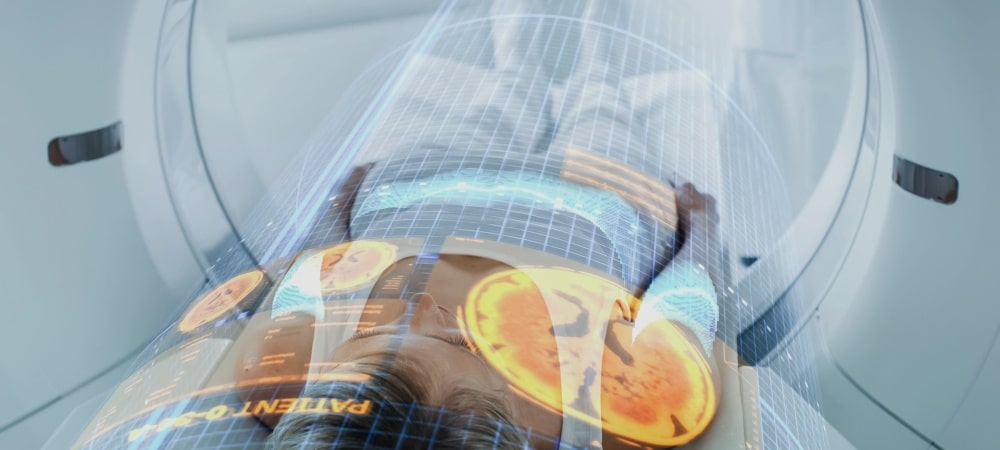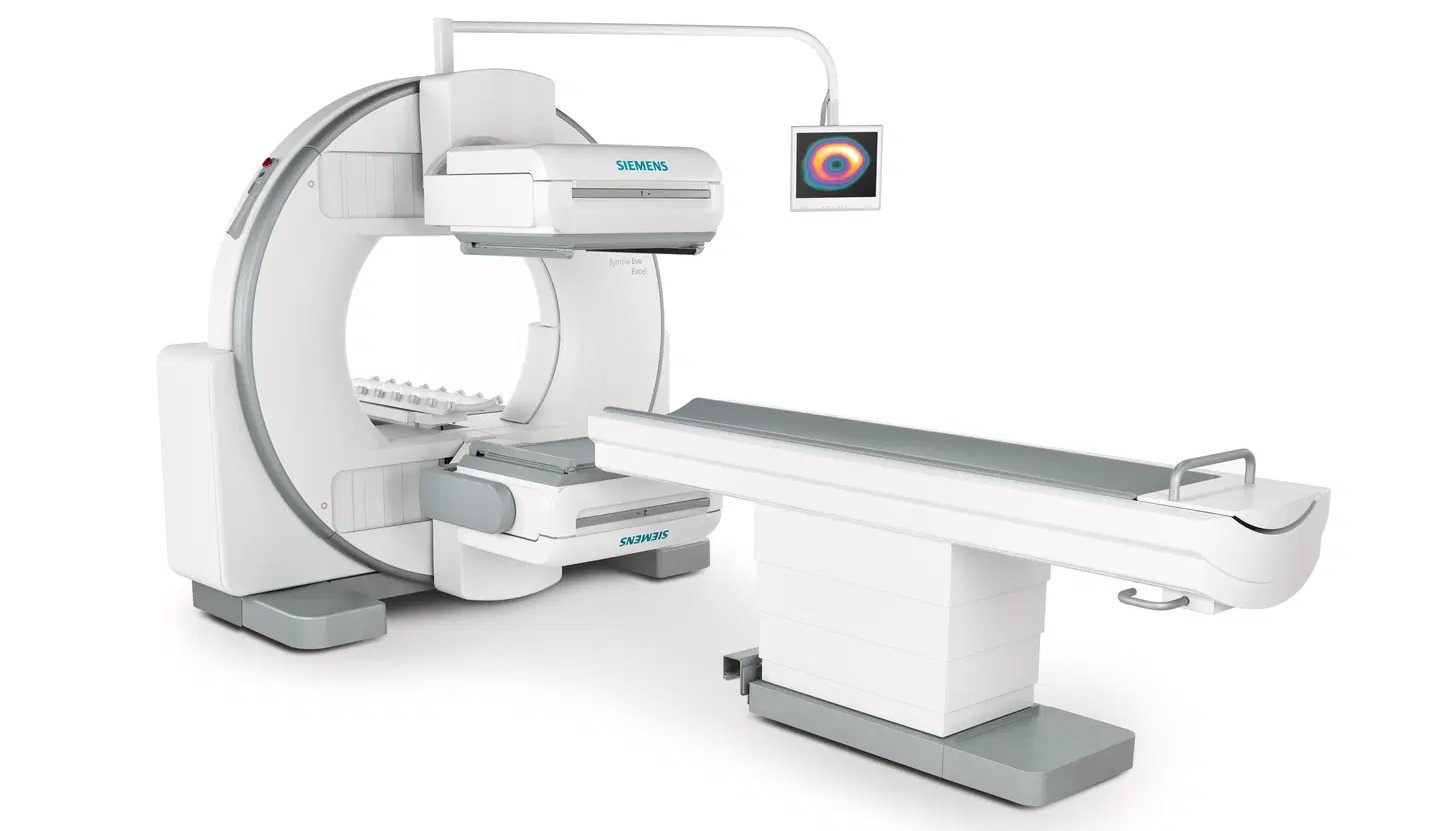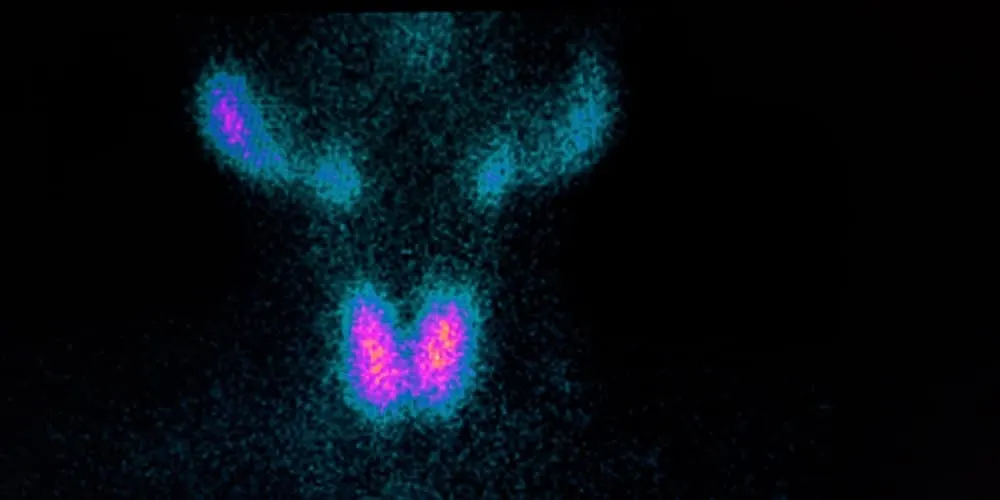
Thyroid scintigraphy is a nuclear medicine imaging test that doctors use to check the health and function of the thyroid. It can help diagnose and monitor various conditions, including hyperthyroidism and thyroid nodules. By imaging how a radioactive substance accumulates in the thyroid with a specialized camera, it is possible to assess how the gland is working and detect possible abnormalities. Depending on the results of the test, the patient may be recommended drug treatment, surgical intervention or follow-up. The scintigraphy procedure is generally painless and is considered safe because it uses a low dose of radioactivity, although it is generally not recommended for pregnant women and breastfeeding mothers. This test can determine both functional and structural disorders of the thyroid gland, allowing an accurate diagnosis to be made.
Which Patients Undergo Thyroid Scintigraphy?
Thyroid scintigraphy plays an important role in the diagnosis and follow-up of many diseases related to the thyroid gland. Some of the patient groups for whom thyroid scintigraphy may be recommended are:
Patients with a thyroid nodule: Thyroid scintigraphy is frequently performed in patients in whom a nodule has been detected in the thyroid gland. It is used to determine whether nodules are hot or cold, because hot nodules are generally benign and produce hormones. Cold nodules, on the other hand, do not produce hormones and may carry a risk of cancer, so they require further evaluation. This test also clearly shows the size of the nodules and other structural abnormalities in the thyroid gland.
Patients with goiter: Goiter is a condition resulting from enlargement of the thyroid gland, and thyroid scintigraphy is used to determine the cause of the goiter. This test shows whether the goiter is diffuse (enlargement of the entire gland) or nodular (enlargement with nodules within the gland). It also clarifies whether the condition is hypothyroidism or hyperthyroidism by evaluating how the goiter affects thyroid hormone production. Whether surgical intervention is needed for goiter treatment, or whether the problem can be controlled with drug treatment, is planned according to the results of this test.
Patients with hyperthyroidism: Hyperthyroidism is a condition in which the thyroid gland produces excessive amounts of hormones, and thyroid scintigraphy is used in these patients. This imaging, performed with a radioactive substance, shows which areas of the thyroid are overactive. In conditions caused by hyperthyroidism, such as Graves' disease, the overall activity of the gland may appear increased. The results of the test provide important clues for treatment planning.
Patients suspected of having hypothyroidism: Hypothyroidism is a condition in which the thyroid gland cannot produce sufficient hormones, and scintigraphy can be used to examine this condition. This test is usually performed to determine whether there is a structural problem in the thyroid gland. Low radioactive substance uptake in certain areas of the gland can provide information about the underlying cause of hypothyroidism.
Patients suspected of having thyroid cancer: Thyroid scintigraphy is performed in patients suspected of having thyroid cancer to determine whether nodules are cold. Cold nodules generally carry a risk of cancer, so the test plays an important role in thyroid cancer screening. If the nodules are cold, the doctor may consider performing a biopsy. This test can also be used to determine the spread of thyroid cancer and for follow-up after treatment.
Patients who have undergone thyroid surgery: In patients who have undergone thyroid surgery, scintigraphy shows whether thyroid tissue is active after the operation and helps in determining whether tumor recurrence has developed. It can also be used in metastasis investigations to see the extent of spread of thyroid tissue. This test is important for treatment planning and follow-up after surgery.
How Is Thyroid Scintigraphy Performed?
During this test, the patient is injected with a radioactive iodine isotope. A specialized camera then projects an image of the thyroid onto a computer screen. Because iodine is used in the production of thyroid hormone, these radioactive substances are naturally absorbed by the gland, which makes imaging possible. The steps of thyroid scintigraphy may include:
Preparation stage: The patient is informed not to eat before the procedure for the specified period and not to take certain medications. Avoiding iodine-containing medications, foods or contrast agents is usually requested. Foods with a high iodine level may prevent the thyroid from adequately taking up the radioactive substance. In pregnancy or breastfeeding, a low level of radioactivity is used.
Administration of the radioactive substance: The radioactive substance is usually given to the patient by intravenous injection. The substance is absorbed by the thyroid gland, and this uptake is used to examine the distribution of the radioactive substance in the thyroid. A wait of generally between 20 minutes and several hours is required for the radioactive substance to reach the thyroid gland and accumulate sufficiently.
Imaging stage: Once the radioactive substance has distributed in the thyroid gland, the patient's neck area is scanned with a special gamma camera. This camera detects the radioactive substance in the thyroid gland and creates a detailed image. During the procedure, the patient is asked to remain still, because movement can affect image quality. No pain or discomfort is felt during the scintigraphy procedure; the camera simply focuses on the patient's neck area to collect images.
Evaluation of the results: After the images are obtained, the way the radioactive substance has accumulated in the thyroid gland is examined. At this stage, details such as whether there is uptake in both lobes of the thyroid, the presence of nodules or structural abnormalities, and the areas producing hormones are evaluated. Based on the findings obtained, diagnoses such as hyperthyroidism, hypothyroidism, goiter or nodule may be made.
How Long Does Thyroid Scintigraphy Take?
Thyroid scintigraphy is a procedure that is generally completed within 30 minutes to 1 hour. The process, which begins with administration of the radioactive substance into the body, may require a certain waiting period for the substance to accumulate sufficiently in the thyroid gland. This waiting period may vary between 20 and 30 minutes. The imaging stage generally lasts approximately 15 to 30 minutes, and the patient must remain still during this time. Once the procedure is completed, the patient can return to daily activities, and no special precautions are required.
In Which Situations Is Thyroid Scintigraphy Necessary?
Thyroid scintigraphy is a specialized imaging method used to examine structural and functional disorders of the thyroid gland. This test provides important information in the diagnosis and treatment process of various thyroid diseases. Some of the situations in which thyroid scintigraphy is used are:
Hyperthyroidism (excessive production of thyroid hormones): Hyperthyroidism is a condition in which the thyroid gland produces excessive amounts of thyroid hormone. Thyroid scintigraphy is used to determine which areas of the gland are overproducing hormones and the overall functional state of the thyroid.
Thyroid nodules: Thyroid nodules are small masses that form in the thyroid gland, and these nodules may be hot (hormone-producing) or cold (non-hormone-producing). Thyroid scintigraphy is performed to determine the functional status of these nodules.
Hypothyroidism (insufficient production of thyroid hormones): Hypothyroidism is a condition in which the thyroid gland cannot produce sufficient amounts of hormones. Thyroid scintigraphy can be used to identify structural or functional disorders that cause hypothyroidism. Areas of the thyroid gland with insufficient hormone production and the factors causing this condition are evaluated by scintigraphy.
Goiter (enlargement of the thyroid gland): Goiter is a condition in which the thyroid gland enlarges abnormally, and thyroid scintigraphy is used to understand the cause of this enlargement. Scintigraphy shows whether the goiter is diffuse or nodular and how much hormone the thyroid gland produces.
Thyroid cancer: In patients suspected of having thyroid cancer, thyroid scintigraphy is used to detect cold nodules that may be cancerous. Cold nodules are generally nodules that do not produce hormones and carry a risk of cancer.
Why Is Thyroid Scintigraphy Preferred?
Thyroid scintigraphy is an imaging method that offers important advantages in the diagnosis and treatment of cancer. Some of the advantages of thyroid scintigraphy are:
Providing functional information: Thyroid scintigraphy clearly shows which areas of the thyroid gland are overactive or underactive. By distinguishing between hot nodules (actively producing hormones) and cold nodules (not producing hormones), it helps doctors understand the functional disorders underlying the disease.
Evaluation of nodules: While other imaging methods such as ultrasound can show the size and shape of thyroid nodules, thyroid scintigraphy reveals whether these nodules are functional. Cold nodules that carry a risk of cancer are identified and referred for further tests. In this way, it offers the possibility of making a more targeted diagnosis while avoiding unnecessary biopsies.
Cancer follow-up: In patients who have been diagnosed with thyroid cancer, it is used to follow the thyroid tissue remaining after surgery and possible metastases (spread of cancer). With this method, abnormal areas that retain radioactive substance in the body can be identified, and treatment planning can be carried out. It is also an important method for monitoring whether cancer has returned after treatment.
Proper treatment planning: Thyroid scintigraphy provides important information for determining the right roadmap in the treatment process of thyroid diseases. Which areas respond to treatment or where problems exist can be identified, allowing treatment options to be planned more clearly. This plays a critical role especially in determining whether radioactive iodine therapy or surgical intervention is needed.
Frequently Asked Questions
Thyroid scintigraphy is generally considered a safe procedure because it uses a low dose of radioactive substance. Side effects are rare, and patients can usually continue their daily activities after the procedure. The amount of radioactive substance used during thyroid scintigraphy is very low and is generally harmless. However, thyroid scintigraphy is generally not recommended for pregnant women and breastfeeding mothers, because radioactive substances can harm the fetus or baby. Some medications may need to be stopped before thyroid scintigraphy, especially thyroid hormone medications. Patients should avoid foods containing radioactive iodine for a certain period before the procedure. In addition, fasting for the period specified by your doctor may be recommended. Thyroid scintigraphy results can generally be obtained on the same day or within a few days. The images are analyzed and reported by a radiology specialist. The test should only be performed in situations recommended by your doctor, in order to avoid unnecessary radiation. Repeat scans may often be requested for treatment follow-up or monitoring the course of the disease. A full-term baby weighs approximately 3.17 kg, while a preterm baby may weigh approximately 2.26 kg or less. There are many different factors that affect the timing of birth. These may be related to the number of babies, the mother's medical history and health status. However, there is no single clear cause of this. Thyroid scintigraphy provides detailed and specific imaging. In this way, the diagnosis, follow-up and treatment of thyroid diseases or conditions such as thyroid cancer can be carried out more effectively. People with symptoms of a thyroid disorder can make an appointment at the endocrinology outpatient clinics of our hospital for early diagnosis and treatment.