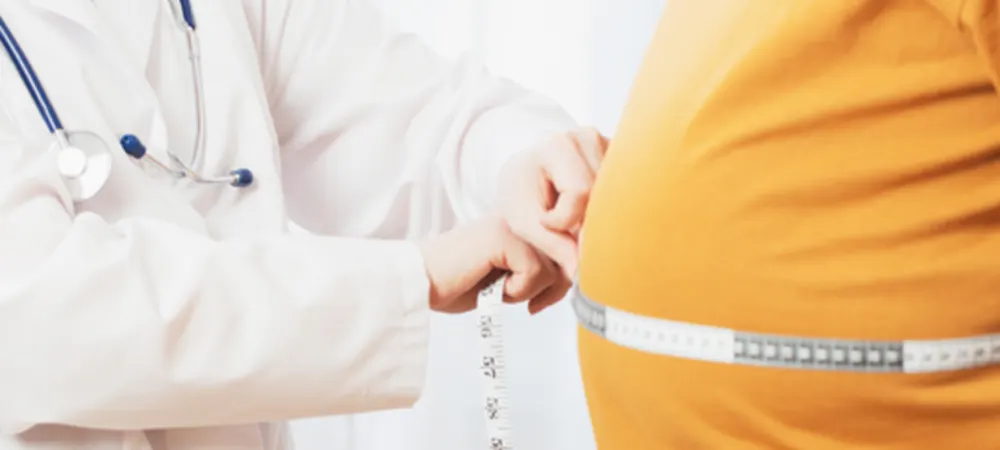
What Is Gastric Botox?
Gastric botox is one of the non-surgical obesity treatments in which botulinum toxin is injected endoscopically, at a set depth, into specific areas of the stomach to slow down stomach movements. The goal is to create a feeling of fullness and reduce hunger.
How Is Gastric Botox Surgery Performed? Is a Non-Surgical Treatment Possible?
The gastric botox procedure is not a surgery. It is one of the non-surgical treatments for obesity. The procedure is performed under endoscopic guidance. It does not require general anesthesia and is carried out without an incision, using an endoscopic device.
Why Is Gastric Botox Performed?
Gastric botox is performed to lose excess weight. The basic mechanism is based on reducing stomach movements, which slows the rate at which food passes from the stomach into the small intestine. In this way, a feeling of fullness is achieved, which helps with weight loss.
Is It a Painful Procedure?
No pain or discomfort is felt during or after the gastric botox procedure.
Who Is Gastric Botox Suitable For?
Gastric botox can be applied to anyone who is overweight. However, certain criteria must be met for this procedure to be performed. These are:
The patient's body mass index must be below 40. For patients with a body mass index of 40 or above, the correct treatment option is bariatric surgery.
The patient must be older than 16 years.
The patient must not have an allergy to botulinum toxin.
The patient must not have a neuromuscular disease.
Individuals with conditions such as stomach ulcers or gastritis may undergo this procedure after treatment.
Is There an Age Limit for Gastric Botox?
Gastric botox can be performed on anyone between the ages of 16 and 65 who meets the appropriate criteria.
Can It Be Performed on Pregnant and Breastfeeding Women?
Gastric botox is not performed on pregnant or breastfeeding women.
Is There a Body Weight Limit for Gastric Botox?
Gastric botox can be performed on every patient with a body mass index between 25 and 40.
Who Is Gastric Botox Not Applied To?
Gastric botox is not applied to:
Pregnant and breastfeeding patients,
Patients with an allergy to botulinum toxin,
Patients with a body mass index above 40,
Patients with severe atopic and allergic conditions,
Patients with serious diseases such as stomach cancer,
This procedure is not applied to patients with neuromuscular diseases such as Myestania Graves.
How Does Gastric Botox Lead to Weight Loss?
Because the injected botulinum toxin (Botox) temporarily paralyzes the muscle layer that drives stomach movements, stomach movements slow down. This creates a feeling of fullness and delayed hunger, which leads to weight loss.
Is Gastric Botox Effective?
Gastric botox is highly effective if an adequate amount is injected into the appropriate area of the stomach.
How Long Does the Effect of Gastric Botox Last?
The effect of gastric botox lasts an average of 5–6 months.
How Much Weight Can Be Lost with Gastric Botox?
If the procedure is performed effectively, weight loss of 15–35 kg can be achieved, depending on the patient's age, sex, body mass index and dietary habits.
How Long Does the Gastric Botox Procedure Take?
The gastric botox procedure takes an average of 20 minutes. It is performed under sedation (with the patient asleep), endoscopically, by injecting a specific amount of botulinum toxin into the muscle layers of specific areas of the stomach.
Is Hospital Admission Necessary?
Hospital admission is not necessary after the gastric botox procedure.
What Is the Process Before Gastric Botox?
Six hours of fasting is required before the gastric botox procedure. Stomach-protective medications such as lansoprazole/pantoprazole are started 4–5 days before the procedure. The patient undergoes an anesthesia assessment before the procedure. Initial consultations with a dietitian and, if necessary, a psychologist are arranged before the procedure.
Does Gastric Botox Have Side Effects or Risks?
Botulinum toxin is frequently and safely used in cosmetic applications. If the patient has no allergy and no muscle disease, Botox applied to the stomach does not have any serious side effects.
Does Permanent Damage Occur to the Stomach After Gastric Botox?
If Botox is administered in the appropriate dose, to the appropriate area of the stomach and into the appropriate muscle layer, the risk of permanent damage is extremely low.
Will I Experience More Bloating with Botox?
Gastric botox has no effect on the functioning of the intestines. It does not create any additional negative effect in those with a sluggish bowel.
Does Botox Spread Throughout the Body?
Botulinum toxin acts locally. Because the amount is very small, it is very unlikely to spread throughout the body.
What Is the Difference Between Gastric Botox and the Intragastric Balloon?
The intragastric balloon also aims to create a feeling of fullness and early satiety, and Botox works through the same mechanism. However, in the Botox procedure, no foreign object is placed in the stomach.
What Should Be Considered After Gastric Botox?
Foods that are small in volume but high in calories should not be consumed.
Care should be taken to avoid carbonated drinks, sugary syrups and packaged foods.
Follow-up appointments with the surgeon, dietitian and psychologist after the Botox procedure should not be neglected.
What Should Nutrition Be Like After Gastric Botox?
Eating after gastric botox can begin 2 hours after the procedure.
Consumption of carbonated drinks, carbohydrates, syrups and alcohol should be limited. You should consume the types of food your dietitian considers suitable for you, in the required amounts.
Smoking has neither a positive nor a negative effect on gastric botox. Smoking is not recommended.
Drinking coffee is not recommended for the first 3 days after the procedure.
Your dietitian will prepare a meal plan for you after the procedure.