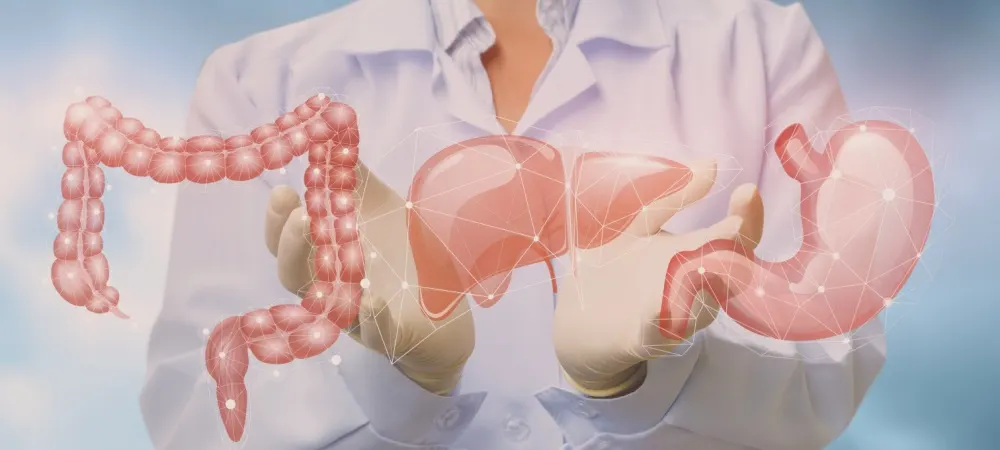
Hepatobiliary surgery is the general surgical treatment modality for diseases developing in the liver, pancreas, gallbladder, and bile ducts. Requiring a high degree of expertise and skill, these operations are among the challenging and complex surgical procedures in the field of general surgery. They are generally performed for liver tumors, pancreatic tumors, or tumors of the gallbladder and bile duct. Within the scope of hepatobiliary surgery, there are various treatment methods such as cholecystectomy, pancreatic resection, and liver resection.
What is Hepatobiliary Surgery?
The hepatobiliary system is a complex structure consisting of the liver, gallbladder, bile ducts, and pancreas, which also affects other systems in the body. The hepatobiliary system is essential for digesting fats and eliminating waste products from the body. Problems, blockages, injuries, or cysts developing in the system can be serious health issues that require treatment. Surgical interventions performed for this complex biological system are called hepatobiliary surgery.
Depending on the patient's health status, surgical interventions such as liver resection, pancreatic resection, and cholecystectomy can be performed within the scope of hepatobiliary surgery procedures. Especially if a malignant tumor is detected within the system, such procedures can prevent the spread of cancer and ensure the removal of cancerous tissue from the body.
In Which Conditions Are Hepatobiliary Surgical Methods Used?
Procedures applied within the scope of hepatobiliary surgery are performed for different health problems. The disease addressed may vary depending on the preferred surgical procedure. Liver resection, also known as hepatectomy, is based on the removal of a part of the liver. This procedure is preferred for the following health problems:
Primary liver cancer types, namely hepatocellular carcinoma and cholangiocarcinoma,
Metastatic colorectal cancer, which is a secondary liver cancer,
Benign lesions such as adenomas and liver cysts,
Gallstones in the intrahepatic ducts.
In the case of becoming a liver donor, a certain portion of the healthy liver can be removed by performing a liver resection on the donor.
Another procedure applied within the scope of hepatobiliary surgery is pancreatectomy, also known as pancreatic resection. The health problems that require pancreatic resection are as follows:
Pancreatic cancer,
Pancreatic cysts,
Severe chronic pancreatitis,
Metastatic kidney cancer,
Pancreatic neuroendocrine tumors such as insulinoma.
Cholecystectomy is another procedure applied within the scope of hepatobiliary surgery. This operation, in which the gallbladder is removed, is a commonly performed surgery in the community. The reasons for needing a cholecystectomy include the following topics:
Presence of gallstones causing symptoms,
Development of cholecystitis, known as inflammation of the gallbladder,
Presence of large gallbladder polyps carrying the risk of turning into cancer,
Risk of gallbladder cancer,
Development of pancreatitis caused by gallstones,
Gallstones in the bile duct.
Hepatobiliary surgery is planned according to the disease developing within the hepatobiliary system. Surgical intervention planning is made based on the patient's health status.
Procedures applied within the scope of hepatobiliary surgical methods can positively alter the course of life-threatening diseases. If treatment of the patient via surgery comes to the agenda, this situation should not be delayed, and a healthcare institution conducting studies in the hepatobiliary field should be consulted.
How is a Hepatobiliary Surgery Patient Identified?
Individuals with complaints directed towards hepatobiliary diseases undergo various diagnostic methods. Radiological examinations to be performed can detect whether there is any tissue differentiation on the examined organ. In case of an infectious condition, blood tests to be performed evaluate the inflammation status in the body. If tissue damage begins to develop due to inflammation, differences in the enzyme values related to the relevant organ can be observed.
In cases suspected of cancer, a tissue sample is taken from the suspected organ through a biopsy procedure to be performed. Following laboratory examinations, it can be determined whether the tissue is cancerous. At the point where the cancer stage is ideal for surgical intervention, hepatobiliary surgery is planned to ensure the complete or partial removal of the relevant organ from the body. Hepatobiliary surgery is a treatment method resorted to in cases where medication or other treatment methods are insufficient and direct intervention to the organ is required.
How is Hepatobiliary Surgery Treatment Performed?
Different methods are used within the scope of hepatobiliary surgical treatment. As mentioned above, these methods include cholecystectomy, pancreatic resection, and liver resection. Prior to surgical methods, it is evaluated whether the patient's general health status is suitable for surgery. It is determined whether the existing disease can be corrected with surgical treatment or what kind of complication risk it would pose in the event of surgical intervention. As a result of the examinations, hepatobiliary surgery can be applied if deemed appropriate by the physician.
If a cancer case is the basis for performing hepatobiliary surgery, evaluations are also made before the surgery on topics such as how extensive the tumor is, how healthy the organ it adheres to is, and whether the cancer has spread to surrounding tissues. If deemed appropriate as a result of the tests, the surgical process is initiated.
Hepatobiliary surgical methods are usually performed with laparoscopic surgery or robotic operations. Thanks to closed surgery techniques, a faster recovery process is targeted. However, when more comprehensive or complex operations are to be performed, the open surgery method can also be applied. Following the procedures performed in the operating room environment, patients are kept under observation in the hospital for a certain period.
What Are the Causes of Hepatobiliary Cancer?
Causes of cancer vary depending on the tissue or organ where cancer starts to appear. Risk factors that may cause cancer development in the hepatobiliary system are as follows;
Type 2 diabetes
Hepatitis B or C
Intensive alcohol consumption and cigarette use
Obesity
Cirrhosis
Aflatoxin exposure
Fatty liver disease
Genetic disorders
Hemochromatosis
Aging
Chronic inflammation of the pancreas known as pancreatitis
Family history of cancer
Hepatobiliary cancer causes vary according to the organs where cancer development is observed. However, type 2 diabetes, obesity, and having a family history of cancer are among the common causes of hepatobiliary cancer types.
What Is Pancreatic Cancer and How Is It Treated?
Pancreatic cancer, which develops with the abnormal growth of cells in the pancreas, is usually seen as pancreatic ductal adenocarcinoma. This type of cancer, which attaches to the ducts carrying digestive enzymes out of the pancreas, has a chance of treatment if detected in early stages. The question "How does pancreatic cancer occur?" can be explained as the cells lining the pancreatic ducts starting to transform into cancerous cells as a result of changes occurring in their DNAs.
Pancreatic cancer treatment varies depending on the type and stage of the cancer. Within the scope of treatment, hepatobiliary surgery and chemotherapy are generally applied together.
What Is Liver Cancer and How Is It Treated?
Liver cancer is the type of cancer that starts in liver cells. Located in the upper right part of the abdomen under and above the diaphragm, the liver is an organ the size of a soccer ball. Various types of cancer can develop in this organ. The most common type of liver cancer is hepatocellular carcinoma, which develops in the main liver cells known as hepatocytes. The liver is an organ that frequently develops cancer as a result of metastasis. Cancers developing in different parts of the body, such as colon, lung, and breast cancer, can also metastasize to the liver.
Symptoms of liver cancer include involuntary weight loss, pain in the abdominal region, nausea and vomiting, chronic fatigue, swelling in the abdominal region, yellowing of the skin and eyes (jaundice), and whitening of the stool color. Individuals applying to a healthcare institution as a result of these symptoms are subjected to tests for cancer. If diagnosed with cancer as a result of the examinations, treatment planning is made according to the stage and type of cancer. Within the scope of treatment, chemotherapy, radiotherapy, and hepatobiliary surgery methods can be applied.
What Are Gallbladder Problems and What Are Their Causes?
Gallbladder diseases are generally characterized by the development of gallstones that block the flow of bile in the bile ducts. Developing stones can cause inflammation or pain by creating a blockage in the bile ducts. Gallstones develop as a result of excess bile in the gallbladder starting to grow and accumulate without clumping. This condition, which does not show any symptoms for a long time, can create gallbladder inflammation such as cholecystitis by creating a blockage. If cholecystitis becomes chronic, it can turn into gangrene.
Another gallbladder problem is biliary dyskinesia, known as functional gallbladder disorder. Meaning that there is a problem in the ability of the bile produced in the gallbladder to transport to the ducts, the disease can cause bile accumulation, leading to chronic inflammation.
Certain risk factors may play a role in the development of gallbladder disease. Being overweight, being over 60 years of age, having a family history of gallbladder disease, being female, and eating a high-cholesterol diet can increase the risk of gallbladder diseases.
Hepatobiliary surgery is a field that requires expertise. These surgical processes affecting numerous systems and organs are of vital importance. Therefore, in case of experiencing a complaint regarding the organs located in the hepatobiliary system, it is recommended to consult physicians specialized in this field.
Frequently Asked Questions About Hepatobiliary
Hepatobiliary is the name of the surgical unit itself. Within the scope of this unit, diagnosis and treatment applications are performed for diseases requiring surgical intervention that develop within the liver, pancreas, bile ducts, and gallbladder. In case of developing a disorder in the gallbladder, symptoms such as nausea and vomiting, rapid heartbeat or sudden drop in blood pressure after eating, dark-colored urine, pale stool color, and jaundice may occur. When a hepatobiliary ultrasound is taken, liver disorders can be detected with ultrasound imaging technique. Liver disorders can be diagnosed through blood tests, various laboratory tests, and biopsy procedures performed by taking tissue samples when necessary. The gallbladder is an organ that performs the functions of storing the bile fluid produced by the liver and releasing it into the intestine during digestion. Thanks to bile fluid, the digestion of fat taken via food is carried out. When a disease related to the gallbladder is experienced, the gallbladder is usually removed from the body. After the gallbladder is removed, the bile produced in the liver continues to flow into the intestine. This situation enables individuals to continue their normal life after the surgery. In case of a problem in the bile, various complaints may develop in daily life. Symptoms such as changes in heart rate after eating, changes in stool texture and color, abdominal pain, nausea, and vomiting can be encountered. The liver is the only organ in the body that can regenerate itself when partially damaged or when a certain part is removed via surgical intervention.
If you have a health problem requiring hepatobiliary surgery, you can make an appointment with our expert General Surgery doctors without losing time for early diagnosis and treatment.