Abscess drainage is the procedure of removing infected fluid (pus) accumulated in any region of the body without damaging the tissues. Generally, these pus accumulations formed in your body not only cause pain but can also lead to serious health problems.
Abscess drainage simply means emptying the pus accumulation in the body. This procedure is of vital importance in terms of controlling the infection, protecting your tissues, and accelerating healing. Abscess drainage performed at the right time and with the appropriate technique both reduces the pain you experience and prevents the infection from spreading in your body. An important point is that medical drug treatment alone is not sufficient in the treatment of abscesses.
In this article, you will find answers to the questions of what abscess drainage is, in which conditions it is applied, and how it is performed. You will also get information about pre-procedure preparation, the post-procedure recovery process, and potential risks.
What is abscess drainage and when is it necessary?
What does abscess drainage mean?
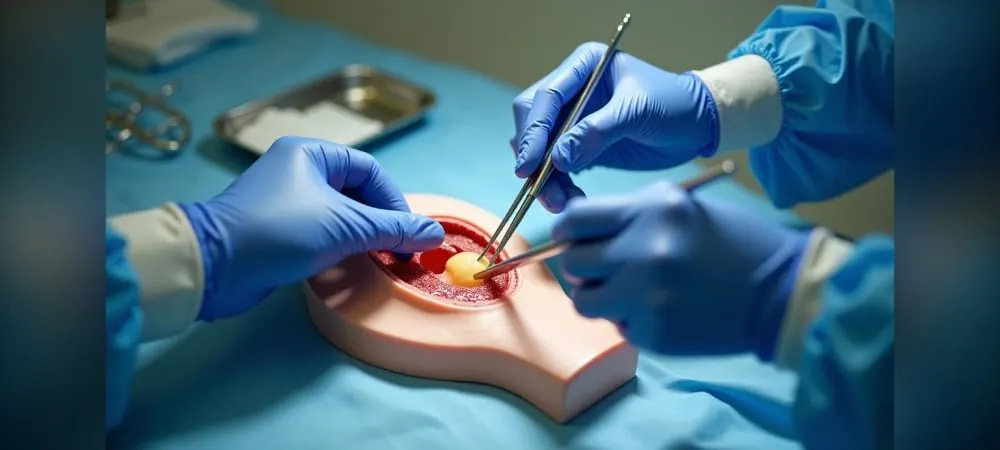
As a result of an infection in your body, while your immune system struggles with bacteria, pus-filled sacs can sometimes form. These sacs are called "abscesses." Abscess drainage, on the other hand, is the procedure of emptying this inflammation by making a small incision under local anesthesia. This procedure is usually completed within 10-15 minutes, and you can then return to your daily activities.
An abscess is a focus of infection that occurs as a result of an attempt to limit the inflammatory condition caused by microorganisms in your body. The point called fluctuation, which feels soft upon manual examination, where the skin becomes thinner and bulges towards the surface, is a sign that pus has accumulated inside.
The effect of pus accumulation on the body
Pus accumulation leads to various negative effects in your body. Abscesses generally manifest with the following symptoms:
Severe pain and discomfort
Swelling and redness
Increased warmth in the affected area
Fever
These symptoms may vary, particularly depending on the size of the abscess. As the abscess continues to grow, the pressure inside increases and the pain intensifies. Furthermore, untreated abscesses can damage surrounding tissues and cause permanent damage in deeper tissues.
An abscess usually progresses with pain and redness without bursting up to a certain tension. However, as the amount of inflammation inside increases, it grows and tends to burst from its weakest point. Nevertheless, even if it bursts on its own, a certain amount of abscess always remains within the cavity, and this portion must definitely be cleaned.
Why is antibiotic treatment alone not sufficient?
Although the use of antibiotics is an important step in the treatment of abscesses, it is not sufficient on its own. There are several important reasons for this:
First of all, antibiotics cannot fully penetrate the closed area within the abscess. Therefore, they cannot reach the bacteria inside and remain ineffective. Consequently, especially in abscesses located in deep tissues (for example, between the peritoneal membranes, in the liver, kidney, or lung), the removal of the inflammatory focus with an intervention is essential.
Secondly, drainage must be performed to reduce the pressure inside the abscess. In this way, your pain decreases rapidly and the risk of the infection spreading in your body drops.
It is important to continue antibiotic therapy even after abscess drainage. In this manner, the recurrence of the abscess is prevented and any remaining inflammation is eliminated. Although it varies depending on where it forms in the body and its size, recovery is achieved within about a week with antibiotic treatment following abscess drainage.
In conclusion, abscess drainage is of vital importance in terms of controlling the infection, protecting tissues, and accelerating healing. The drainage procedure performed at an appropriate time and with the correct technique both reduces pain and prevents more serious health problems.
How is abscess drainage performed?
The main objective in abscess treatment is the removal of the inflammatory fluid from the body. Depending on the size, location, and depth of the abscess, different methods can be applied. Abscess drainage is generally a simple surgical procedure lasting 10-15 minutes.
Surgical incision method
Surgical incision is the most commonly used abscess drainage method. This method is applied as follows:
Eliminating the sensation of pain in the abscess area with local anesthesia
Then making a small incision over the abscess
Completely emptying the pus inside the abscess
Washing and cleaning the wound area with a saline solution
Sometimes a small catheter or drain may be placed in the abscess cavity to allow continued drainage. In deeply located or large abscesses, the procedure may be performed under general anesthesia.
Percutaneous drainage technique
Percutaneous drainage is a minimally invasive method preferred especially for intra-abdominal, pulmonary, and soft tissue abscesses. This procedure is performed under the guidance of imaging techniques:
The patient is given the appropriate position and the skin of the area where the procedure will be performed is sterilized
Local anesthesia is administered
A safe entry point is determined using ultrasonography, CT, or fluoroscopy imaging methods
A thin needle or catheter is placed into the abscess
The infected fluid is withdrawn and the catheter is left in place
The catheter is connected to a small drainage bag outside the body
This method offers less pain and a faster recovery time compared to traditional surgery. The hospital stay is also significantly reduced.
Open drainage application
Open drainage is a method performed by placing a flexible tube (such as a Penrose drain) after a surgical incision. This tube allows pus and fluids to flow out freely.
Additionally, Jackson-Pratt type vacuum tubes can be used post-surgery. These systems direct the fluid outward and reduce the risk of infection.
How is the method chosen?
The most appropriate method for abscess drainage is chosen based on the following factors:
Location of the abscess: Surgical incision is more suitable for superficial abscesses, while percutaneous drainage is more suitable for deeply located abscesses
Size of the abscess: Small abscesses can be drained with a needle, whereas large abscesses require surgical drainage
Accessibility: Percutaneous drainage is preferred for abscesses that can be detected by ultrasound or CT imaging but cannot be seen with the naked eye
General condition of the patient: Less invasive methods are chosen in patients with poor general conditions
For example, superficial abscesses under the skin are treated with surgical incision under outpatient clinic conditions, while percutaneous drainage is more suitable for intra-abdominal abscesses. Breast abscesses are emptied with local anesthesia if superficial, and with sedation and local anesthesia if deeply located.
As a result, the abscess drainage method is determined by the physician according to the condition of the abscess and the characteristics of the patient. Each method carries the primary goal of draining the inflammatory fluid and controlling the infection.
In which conditions is abscess drainage performed?
Abscesses that can form in different regions of our body can lead to the spread of infection to wider areas and serious health problems when left untreated. Abscess drainage is necessary to bring these infections under control and ensure a faster recovery for the patient.
Skin abscesses
Abscesses forming on the skin generally develop as a result of acne, folliculitis, or minor injuries. They appear as a red, swollen, and tender-to-the-touch swelling. Such superficial abscesses mostly:
Cause swelling and redness under your skin
Cause you to feel pain when touched
Small abscesses can sometimes drain on their own
However, surgical drainage is required in cases where they grow or cause a fever. This procedure is usually easily performed under outpatient clinic conditions with local anesthesia.
Perianal (around the anus) abscesses
Abscesses around the anus develop as a result of blockages in the glands that lubricate the inside of the anus. These abscesses are serious conditions requiring urgent treatment and having a high probability of recurrence. When left untreated or inadequately treated, they can lead to complications called Fournier's Gangrene, which can have fatal consequences. Furthermore, recurrent and improperly treated perianal abscesses can turn into perianal fistulas in 40% of patients.
Dental abscesses
A dental abscess forms as a result of infections in the teeth or gums. There are two main types: periapical abscess, which forms at the root of the tooth, and periodontal abscess, which forms in the gums. Dental abscess drainage is performed by the dentist and is usually necessary to relieve pain and control the infection. If the infection has spread to the tooth root, root canal treatment may also be required.
Intra-abdominal and organ abscesses
Intra-abdominal abscesses can develop inside or outside the peritoneum. The most common abscess localization sites are subphrenic, paracolic, right lower quadrant, and pelvic regions. These abscesses generally can result from:
Gastrointestinal system problems (intestinal perforations, infections)
Postoperative complications
Abdominal traumas
Urinary system infections
The definitive treatment for intra-abdominal abscesses is drainage. Today, the standard treatment is CT-guided percutaneous catheter drainage. Open drainage is preferred in cases where percutaneous drainage is unsuccessful or inappropriate.
Breast abscesses
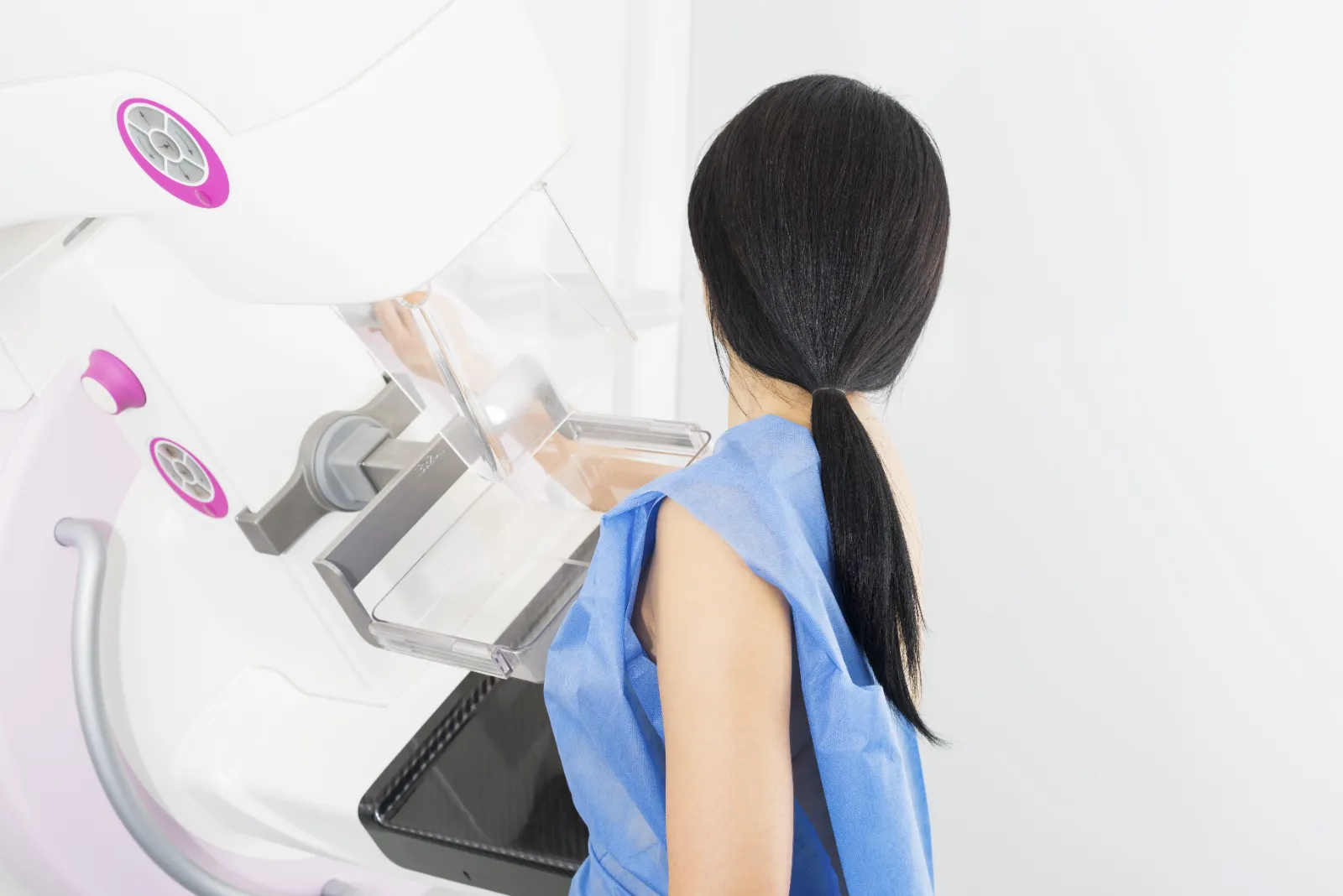
Breast abscesses can form especially during the breastfeeding period, as a result of nipple cracks and incomplete emptying of the breast. The sine qua non of treatment in breast infections is the emptying of the abscess. Although diagnosis is easy in abscesses close to the surface, ultrasound may be required to detect abscesses forming deep within.
In conclusion, abscess drainage is of vital importance in the control of infections developing in different body regions. Different drainage methods are selected according to the type and location of the abscess, thereby both reducing pain and lowering the risk of spreading the infection.
Pre-procedure preparation and post-procedure recovery process
Abscess drainage is a procedure that yields successful results with proper preparation and a careful recovery process. There are some important points to consider before and after the procedure.
Things to consider before the procedure
You may need to make some preparations before abscess drainage. First of all, your doctor may request blood tests or imaging studies such as ultrasound, computed tomography, or MRI. These tests are important to evaluate the location and size of the abscess.
Points to consider before the procedure:
Your platelet count is required to be at least 50,000/µL
It is important that your international normalized ratio (INR) is below 1.5
Your serum hemoglobin level is expected to be above 9.0 g/dL
In case of a high infection risk, the use of antibiotics before the procedure may be required
Additionally, your written consent will be obtained for the drainage procedure. In some cases, you may be asked to fast before the procedure.
How to perform dressing after abscess drainage?
Following the procedure, there is usually a dressing on the abscess area. In the presence of a large or deep abscess, this dressing may remain in place for several days or weeks. Dressing that gets wet due to drainage needs to be changed regularly.
If your doctor has placed a gauze wick into the abscess cavity, it will need to be removed or renewed within a few days. At your first control appointment, your doctor will evaluate the wound and change the dressing. If everything goes well, they will give you the necessary information for home dressing changes.
Recovery process after abscess drainage
It is normal for pus drainage to continue for 1-2 days after the procedure. Your doctor may prescribe antibiotics and painkillers for the treatment of your infection. The recovery process generally takes 1-2 weeks depending on the size of the abscess.
You will feel a rapid relief after the procedure because the pressure inside the abscess decreases. During the recovery process, new skin begins to form from the base of the abscess and the edges of the wound. It is important to go to your control appointment within a week after the procedure.
Hygiene and care recommendations
Cleanliness and care are very crucial during the recovery process. In addition, you should pay attention to the following recommendations:
For the first few days, you can apply warm, dry compresses to the wound three to four times a day. This helps accelerate the healing process. It is also recommended to clean the wound area with soap and warm water before each dressing change.
You should consult your doctor immediately in case of sudden fever, severe pain, or foul-smelling discharge. These symptoms may indicate that the infection is spreading. Nevertheless, it is also important to consume plenty of fluids during the recovery process.
In general, carefully following your doctor's care instructions, adhering to hygiene rules, and going to regular check-ups ensure that you have a fast and smooth recovery process after abscess drainage.
Benefits and potential risks of abscess drainage
The drainage procedure in abscess treatment not only provides immediate relief but also prevents more serious health problems in the long term. This procedure has both positive outcomes and risks that need to be considered.
Reduction of pain and drop in pressure
The fastest and most noticeable benefit of abscess drainage is the reduction of pain. As the pus is drained, the pressure on the tissues decreases and you experience an immediate sense of relief. Especially in enlarged and tense abscesses, you feel an almost instant refreshment after drainage. This relief stems from the decrease in pressure on the tissues.
Furthermore, abscess drainage also helps lower the fever. Cleaning the infected area ensures that the systemic fever in your body rapidly recedes. Thus, you both feel better and other symptoms of the infection decrease.
Prevention of the spread of infection
An untreated abscess can damage surrounding tissues and even lead to more serious infections. Abscess drainage plays an important role in bringing the infection under control. Thanks to this procedure, infected tissues are cleaned and the spread of the infection in your body is prevented.
When drainage is not performed, bacteria can mix into the bloodstream. This situation can lead to life-threatening serious infections such as sepsis. Therefore, abscess drainage is of vital importance, especially in large and progressing infections.
Acceleration of healing
The evacuation of pus accelerates your body's ability to repair itself and the healing process. A clean wound area allows your body to produce new and healthy tissues. Thus, tissues damaged by the effect of the infection can heal faster.
Tubes placed after drainage prevent the abscess from refilling and ensure complete healing. At the same time, abscess drainage increases your quality of life, allowing you to return to your daily activities sooner.
Risk of complications: bleeding, sepsis, new infection
However, like any medical procedure, abscess drainage also carries some risks:
Bleeding: Damage to blood vessels during drainage can lead to bleeding.
New infection: A new infection may develop in the drainage area.
Dislodgement of the drain: The inserted drainage tube may dislodge.
Damage to surrounding tissues: Surrounding tissues may be damaged during the procedure.
Incomplete emptying of the abscess: Sometimes the abscess may not be completely emptied.
Risk of sepsis: Especially when treatment is delayed, bacteria mixing into the bloodstream can lead to septic shock.
These complications are generally rare, and the risk is quite low in procedures performed by experienced healthcare personnel. However, following your doctor's instructions both before and after the procedure will help you minimize these risks.
In conclusion, abscess drainage is a highly effective treatment method in terms of reducing pain, controlling infection, and accelerating healing.
Abscess Drainage in Summary
Abscess drainage is a vitally important procedure to empty pus accumulations in the body. As you can see, this procedure not only reduces pain but also prevents the infection from spreading in your body. It can be applied in different situations ranging from a simple skin abscess to intra-abdominal abscesses.
Undoubtedly, rather than waiting for the abscess to heal on its own, having it properly emptied by a doctor is much safer. Since antibiotics alone are not sufficient, abscess drainage is an indispensable part of the treatment. Thus, the pus is completely evacuated and tissue healing is accelerated.
When you feel swelling, redness, and pain in your body, especially if these symptoms are accompanied by fever, it is important to consult a healthcare institution without wasting time. Quick intervention prevents potential serious complications.
Following your doctor's recommendations after the procedure, making dressing changes regularly, and completing the drug treatment fully accelerate your recovery. Consequently, you can return to your daily life in a shorter time.
In conclusion, abscess drainage is a simple yet effective procedure. When performed at the right time, it rapidly reduces your pain, protects your body from infection, and increases your quality of life. Under the guidance of healthcare professionals and with the right treatment methods, you can leave the abscess problem behind in a short time.
Frequently Asked Questions
Is abscess drainage painful?
Do not worry, you will not feel pain since the abscess drainage procedure is performed with local or general anesthesia. The pain felt after the effect of anesthesia wears off is generally not at a level to affect your daily life, and this situation varies according to personal pain threshold.
How long does the procedure take?
Abscess drainage is a minor surgical procedure and is usually completed within 10-15 minutes. You can return to your daily activities after the procedure.
When is the drain removed?
The inserted drainage tube stays in place until the daily discharge amount drops to approximately 10 ml. It is also removed after it is verified by imaging methods such as ultrasound, tomography, or MRI that the abscess has completely resolved.
Does an abscess recur?
If the infection is not completely eliminated, the abscess may form again in the same place or in another region. The correct use of medication reduces the likelihood of the infection continuing.
Can I take a bath after drainage?
Taking a bath after abscess drainage is generally not recommended. However, it is important to act according to your doctor's instructions.
What should be considered during the recovery process?
During the recovery process, keeping the area clean, regular dressing changes, and regular use of the medications recommended by the doctor are important. In case of sudden fever, severe pain, or foul-smelling discharge, you should consult your doctor immediately.
Are antibiotics used after abscess drainage?
Yes, antibiotic therapy is generally recommended after abscess drainage. This treatment is important to prevent the recurrence of the infection and to completely clean the remaining inflammation.
Abscess drainage is the procedure of emptying the inflammatory fluid in the body. In this article, you can get information about what abscess drainage is, in which conditions it is applied, and how it is performed.