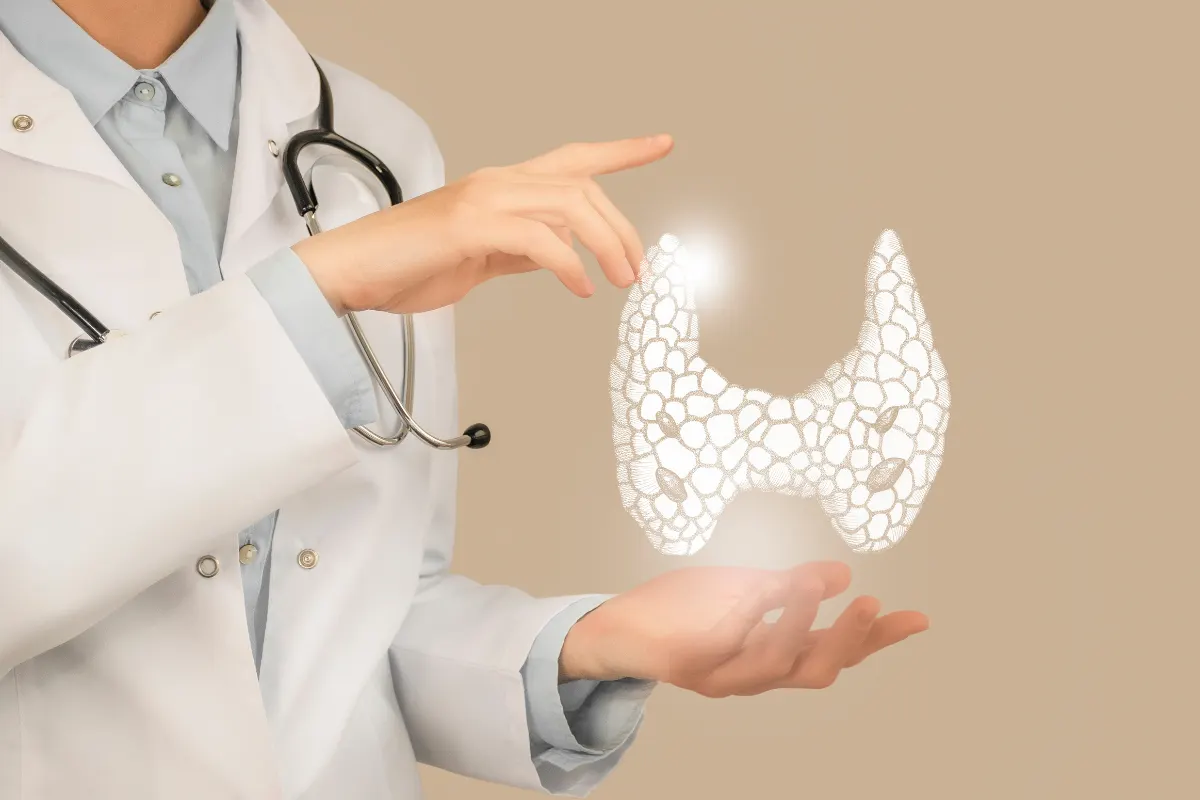
Hashimoto is an autoimmune disease consisting of cells that do not recognize their own cells and try to fight against them. The immune system produces antibodies that attack thyroid cells, which are part of its own tissue, as if they were bacteria, viruses or another foreign body. In summary, the immune system misuses its disease-fighting agents, which damage cells and lead to cell death.
What Is Hashimoto (Haşimato)?
It is an autoimmune disease that affects the thyroid gland. The thyroid is a butterfly-shaped gland located at the base of the neck, just below the Adam's apple. The thyroid produces hormones that help regulate many functions in the body. The disease usually leads to a decrease in hormone production (hypothyroidism).
Who Is Most Commonly Affected?
People of any age group may have the Hashimoto disease. Hashimoto disease is 4 to 10 times more common in women than in men. Although the disease can appear in young people or young women, it develops more often in women between the ages of 30 and 50. If there is the disease in other family members, your chance of developing Hashimoto disease is high.
What Are the Causes of the Disease?
The exact cause of Hashimoto is not known, but it is believed that many factors play a role. These include:
Genetics: People who have the disease often have family members with thyroid disease or other autoimmune diseases.
Hormonal: The disease may affect female hormones more than male hormones. Some women may experience thyroid problems, especially for a few years after giving birth. The problem usually resolves, but 20% of these women may develop Hashimoto years later.
Excess iodine intake: It is thought that too much iodine may trigger thyroid disease in people who are prone to developing the disease.
Radiation exposure: Increased cases of thyroid disease have been reported in people exposed to radiation, including through radiation-containing treatments.
What Are the Symptoms of Hashimoto?
The disease progresses slowly over the years. You may not notice the signs or symptoms of the disease. Eventually, the decrease in thyroid hormone production may cause any of the following:
Fatigue and weakness
Increased sensitivity to cold
Increased drowsiness
Dry skin
Constipation
Muscle weakness
Muscle aches, tenderness and stiffness
Joint pain and stiffness
Depression
Problems with memory or concentration
Swelling of the thyroid (goiter)
Puffy face
Brittle nails
Hair loss
Enlargement of the tongue
How Is Hashimoto Diagnosed?
Many factors can cause the signs and symptoms of the disease. If you experience any of the symptoms listed above, you should definitely consult a doctor who specializes in this field. Apart from these, the following procedures
Your doctor may order an antibody test to determine the underlying cause of Hashimoto disease.
The purpose of an antibody is to mark foreign agents that cause disease and that must be destroyed by other components of the immune system. In an autoimmune disorder, the immune system may produce rogue antibodies that target healthy cells or proteins in the body.
In Hashimoto disease, the immune system usually produces an antibody against thyroid peroxidase (TPO), a protein that plays an important role in thyroid hormone production. Most people who have the disease are likely to have TPO antibodies in their blood. Laboratory tests may be needed for other antibodies associated with Hashimoto disease.
You will probably not need other tests to confirm that you have Hashimoto disease. However, if your doctor suspects the disease but you do not have antithyroid antibodies in your blood, you may have a thyroid ultrasound NIH external link. Ultrasound images can show the size of your thyroid and other features of Hashimoto disease. Ultrasound can also show other causes of an enlarged thyroid, such as thyroid nodules .
Does the Disease Always Require Treatment?
Not everyone who has the disease will develop hypothyroidism. Since having antibody levels consistent with Hashimoto increases the risk of developing hypothyroidism, doctors may generally prefer to monitor your condition and follow any changes in your thyroid health.
What Are the Treatment Options?
Most people who have the disease take medication to treat hypothyroidism. If you have mild hypothyroidism, you may not need treatment, but you should follow your hormone levels by having regular TSH tests to monitor thyroid hormone levels. You should consult your doctor for the treatment method that is most suitable for you.
What Should Hashimoto Patients Pay Attention To?
If Hashimoto disease is diagnosed, you will probably need to take synthetic thyroid hormone medication to combat your hypothyroid symptoms. If your symptoms are mild, your doctor may recommend monitoring your TSH through routine blood work without medication, unless your TSH levels increase.
What Are the Dangers of Hashimoto Disease?
If left untreated, hypothyroidism caused by Hashimoto disease can lead to serious complications: goiter, which may impair swallowing or breathing. Heart problems such as an enlarged heart or heart failure. Mental health problems such as depression, decreased sexual desire and slowed mental functioning may occur.
How Should Patients Eat?
There is no specific diet that can particularly help prevent or treat Hashimoto disease, but you can make a number of changes to your diet that may help you manage your condition.
What you eat and how you eat can have a major impact on the success of your treatment plan. Dietary changes can potentially improve the overall quality of life for people who have the disease.
Compatible Foods
Fruit
Non-starchy vegetables
Starchy vegetables
Healthy fats
Animal protein (in moderation)
Gluten-free grains
Seeds, nuts and nut butters
Beans and lentils
Unsweetened beverages
Incompatible Foods
Foods with added sugar
Fried foods
Fast food
Refined grains
Highly processed meats
Processed or frozen foods
Foods containing gluten
What Is the Difference Between Thyroid Disease and Hashimoto Disease?
Hypothyroidism is simply a term meaning an underactive thyroid gland, whereas Hashimoto disease is an autoimmune condition that usually causes hypothyroidism. The term hypothyroidism is an umbrella term used for low thyroid hormone levels in the body. Hashimoto thyroiditis, also known as chronic lymphocytic thyroiditis, is the most common cause of hypothyroidism worldwide. It is an autoimmune disease involving chronic inflammation of the thyroid. The disease is an autoimmune disorder that is the most common cause of hypothyroidism (underactive thyroid) and does not resolve on its own. However, in the early stages, if thyroid hormone production is sufficient, no medication is needed, or medication may occasionally be needed. Since treatment is not always required, there is no treatment that completely eliminates the disease. However, hormone levels can be regulated with medications that provide sufficient hormone production by the thyroid gland. If hormone production is sufficient, it does not cause a problem and does not produce complaints. Since the disease is linked to infertility, it may make it more difficult to become pregnant. This is because reduced thyroid hormone levels affect ovarian function. Patients with Hashimoto thyroiditis have a somewhat higher risk of thyroid cancer and colorectal cancer. For this reason, regular medical follow-up is recommended for these patients. Hypothyroidism is common in adults and is often associated with cognitive problems such as increasing forgetfulness, mental slowing and "brain fog". Hashimoto disease, the most common cause of hypothyroidism, may be associated with esophageal motility disorder that presents as dysphagia or heartburn. Patients with the disease may show significantly more frequent symptoms of anxiety, depression and insomnia compared to people who do not have this condition. Exercise can help you manage symptoms such as fatigue, weight gain and joint pain, but it is important to take some precautions.
Start with the right assessment for What Is Hashimoto's Thyroiditis? What Are the Symptoms?
Share your symptoms with our specialist physicians; let us determine the right diagnosis and treatment plan together.
Warning
If your symptoms started suddenly, are progressing rapidly, or significantly restrict your daily life, consult a physician without delay.
Plan your What Is Hashimoto's Thyroiditis? What Are the Symptoms? journey with our specialists.
Fill in the form or book an appointment to learn about treatment options, the process and preparation.