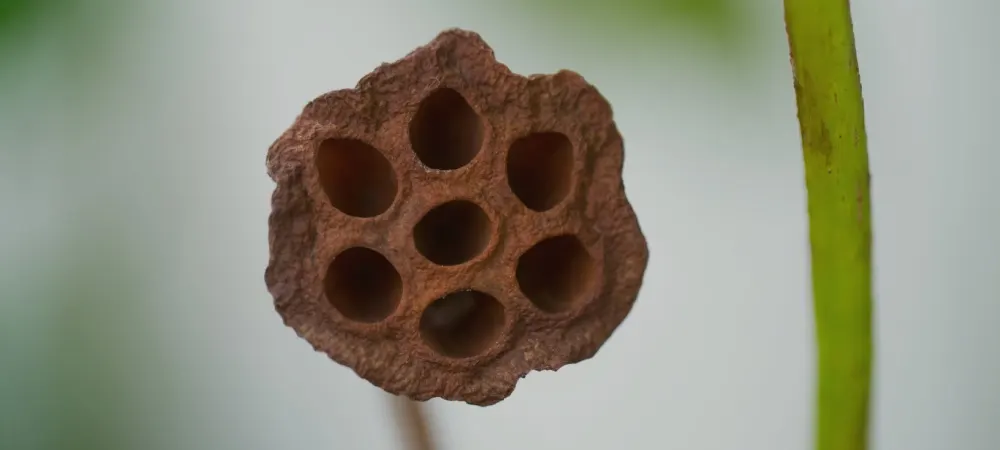
Trypophobia (Fear of Holes)
Some people feel a deep sense of discomfort when looking at perforated structures such as honeycombs, seed pods, sponges, or lotus flowers. They experience skin itching, nausea, or fear. Such conditions are generally associated with trypophobia, commonly known as the "fear of holes." Trypophobia is a relatively new concept in the psychology literature. Although not recognized as an official mental disorder, it represents a very real and distressing experience for many people.
What is Trypophobia?
Trypophobia is defined as a state of intense discomfort and fear caused by patterns formed by clusters of small holes. Although this psychological condition is not an officially recognized type of phobia, it has become a widely experienced phenomenon in recent years. Derived from the Greek words "trypo" (hole) and "phobia" (fear), this term was first used in 2005. Trypophobia can be triggered by images such as honeycombs, corals, the surface of strawberries, lotus flower seeds, sponges, bubbles, or holes and bumps formed on the skin. Individuals looking at these images may experience unease, itching, nausea, or even feelings of panic in some cases.
This phobia is not a fear in the classical sense, but rather an intense emotional reaction consisting of a combination of disgust and anxiety. While this condition can seriously affect the quality of life for some individuals, others can go about their lives by staying away from these images with only temporary discomfort. Researchers suggest that trypophobia may be an evolutionary response. It is thought that the basis of this fear is the human brain perceiving images resembling skin patterns of dangerous animals or diseased tissues as a threat.
What Are the Symptoms of Trypophobia?
Trypophobia symptoms vary from person to person, but there are commonly observed physical and psychological reactions. Physical symptoms include nausea, dizziness, tremors, excessive sweating, palpitations, and difficulty breathing. When encountering these images, some individuals may feel the urge to vomit or may actually vomit.
Psychological symptoms exhibit a more complex structure. Individuals may experience intense anxiety, panic attacks, an urge to flee, a feeling of uncontrollable fear, and obsessive thoughts. People experiencing trypophobia may feel as if there are insects on their skin or experience body itching when they see trigger images.
Emotional reactions are also quite pronounced. Feelings of revulsion, disgust, horror, and helplessness are common emotional symptoms. Some individuals may continue to feel discomfort for a long time after encountering these images, and this situation can affect their daily lives. Among behavioral symptoms, avoidance behaviors stand out. It is common for individuals to tend to avoid places, objects, or situations containing trigger images. This situation can cause restrictions in social life.
What Causes Trypophobia?
The cause of trypophobia has not yet been definitively explained, but various theories suggest that this phobia may be related to evolutionary, psychological, and environmental factors. The causes of trypophobia can be listed as follows:
Evolutionary Theory: According to some scientists, trypophobic reactions stem from the evolved structure of the human brain to distinguish potential hazards. The appearance of venomous animals, parasitic skin diseases, or infected wounds also resembles perforated patterns. This similarity may trigger an automatic defense response.
Disgust and Hygiene Perception: Some studies suggest that trypophobia is actually a type of hygiene response. Images bearing similarities to skin diseases, inflammation, or wounds can activate concerns about cleanliness and health in the individual.
Visual Processing Disorder: It is thought that a different visual perception mechanism operates in the brains of individuals with trypophobia while processing such patterns. This can cause the patterns to be perceived in an overly conspicuous or "disturbing" manner.
Traumatic Experiences: In some individuals, skin diseases, infections, or visual traumas experienced in childhood may have triggered the development of trypophobia.
How is Trypophobia Diagnosed?
As of now, trypophobia is not included as an official type of phobia in the American Psychiatric Association's DSM-5 diagnostic manual. Therefore, there is no standard trypophobia disease test to make a clinical diagnosis; however, psychologists and psychiatrists may suspect trypophobia based on the symptoms described and reactions given by the person. The diagnostic process generally includes the following steps:
Clinical interview: During the clinical interview, the specialist evaluates the specific stimuli that trigger trypophobia, the onset time, and the severity of symptoms. The individual's coping mechanisms with this fear, avoidance behaviors, and impact on social functioning are also examined.
Visual stimulus reaction test: Some specialists observe the individual's reactions by showing images that may cause trypophobia. This is not strictly a trypophobia test, but it helps in understanding the condition.
Differential diagnosis from other phobias: Trypophobic reactions can sometimes be confused with conditions such as generalized anxiety disorder, obsessive-compulsive disorder (OCD), or post-traumatic stress disorder (PTSD). Therefore, differential diagnosis is important.
Diagnosing trypophobia is not always easy because some individuals may not take their condition seriously or may find it difficult to talk about; however, if there is a level of fear or discomfort that affects daily life, support must be sought from a specialist.
How is Trypophobia Treated?
Trypophobia treatment is shaped according to the severity, duration, and impact on the quality of life of the symptoms in the person. The same treatment method may not be suitable for everyone. The most frequently used treatment methods can be listed as follows:
Cognitive Behavioral Therapy (CBT): It is one of the most common and effective methods. In this therapy, the negative thoughts developed by the individual against perforated patterns are questioned and restructured. At the same time, the individual is desensitized by being controlledly exposed to such images.
Exposure Therapy: In this method, the person is exposed to phobic images in a controlled environment. Through this, desensitization to visual stimuli may develop over time. These sessions conducted under the guidance of a therapist can help reduce fear.
Relaxation Techniques and Breathing Exercises: Methods such as meditation, deep breathing, and progressive muscle relaxation techniques can be supportive in reducing anxiety. These techniques can decrease the physical symptoms experienced when exposed to visual stimuli.
Drug Treatment: Antidepressants or anxiolytics may be prescribed for a short term, usually for individuals experiencing advanced levels of anxiety and not benefiting sufficiently from therapy; however, medications are not a solution on their own and are generally applied together with therapy.
Self-Help Methods: Individuals can create their own control areas by staying away from trigger images or by making mental preparations against such content. In addition, having knowledge about trypophobia can make it easier to cope with this condition.
Frequently Asked Questions
Trypophobia hole disease is the feeling of disgust, unease, and fear felt towards frequently recurring small holes, bubbles, or porous surfaces. Although it is not seen in the same way in everyone, these images can create serious anxiety and physical discomfort in some people. Generally, patterns such as lotus flower seeds, honeycombs, sponges, or holes formed on the skin trigger trypophobia. Trypophobia can be seen in individuals of all ages and genders, but some studies suggest it may be slightly more common in women. It usually appears starting from adolescence. It can be more frequently observed in individuals with a family history of similar fears, past traumatic experiences, or high levels of anxiety. It can affect daily life, and especially in situations where visuals are frequently encountered, the individual may experience disturbing emotions. This situation can lead to avoiding social environments, lack of concentration, intense anxiety, or physical symptoms (such as nausea, itching). In severe cases, it can reduce people's quality of life. Currently, trypophobia is not an officially recognized psychiatric disorder, meaning it is not included in diagnostic manuals such as the DSM-5; however, it is handled as a psychologically-derived condition. Because it develops through the mental and emotional reactions of the individual, it is recommended to be managed with psychological support. Individuals experiencing distress from trypophobia should first consult a psychologist or psychiatrist. While psychologists help discover the source of the problem and develop coping strategies through therapy, psychiatrists can plan drug treatment if necessary. Drug treatment is generally not the first choice, but if there are severe anxiety or panic symptoms developing due to trypophobia, short-term antidepressants or anti-anxiety medications may be prescribed in some cases. The main goal in treatment is to ensure that the person copes with this fear in a healthy way using therapeutic methods. Cognitive behavioral therapy (CBT) is one of the most effective methods for coping with trypophobia. In addition, exposure therapy, relaxation techniques, breathing exercises, and mindfulness practices can also help. Staying away from visuals may be a temporary solution, but getting professional support is important for permanent relief. It has not been proven that trypophobia is directly genetic, but familial predisposition may exist in some individuals. In particular, the presence of psychological sensitivities related to anxiety disorders or other phobias in family members may increase the predisposition to trypophobia.
If you also experience intense discomfort towards perforated surfaces and this condition affects your daily life, you can get support from our expert psychiatrists. Contact us immediately for an appointment.
Start with the right assessment for What is Trypophobia (Fear of Holes)? Symptoms, Causes, and Treatment
Share your symptoms with our specialist physicians; let us determine the right diagnosis and treatment plan together.
Warning
If your symptoms started suddenly, are progressing rapidly, or significantly restrict your daily life, consult a physician without delay.
Plan your What is Trypophobia (Fear of Holes)? Symptoms, Causes, and Treatment journey with our specialists.
Fill in the form or book an appointment to learn about treatment options, the process and preparation.