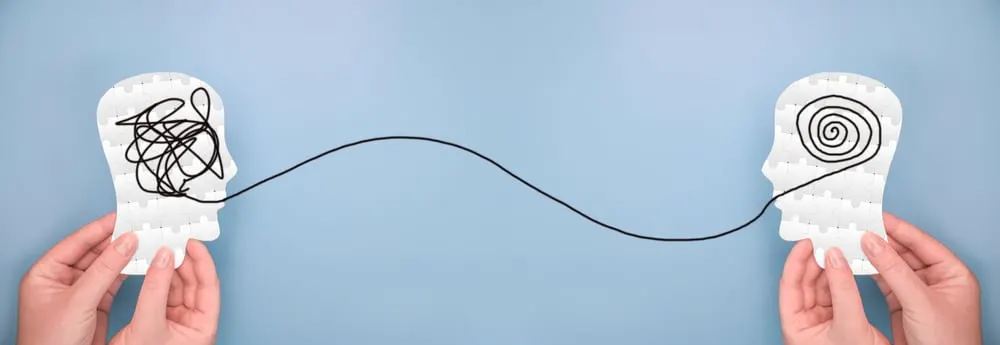
What Are Psychotherapy Methods? Who Should Undergo Them?
Psychotherapy is a type of treatment that uses various techniques, through conversation, to help a person identify and change unhealthy emotions, thoughts and behaviors. It is also known as talk therapy. These negative thoughts and emotions may show up in situations you face on a daily basis, or they may lie deeper. For example:
Relationship problems,
Coping with grief,
Adjusting to a new life situation or a newly diagnosed medical condition,
Difficulty coping with stress and its effects, or
In the presence of problems related to previously diagnosed mental health and behavioral conditions, psychotherapy may be sought.
Psychologists or psychiatrists are individuals trained to apply psychotherapy techniques. To help applicants function better and improve their mental health, they may conduct therapy with individuals, partners or families. In this way, they provide patients or clients with support, education and guidance.
Psychotherapy may be used together with medications, or combined with other types of therapy, or applied independently.
There are many psychotherapy methods, and psychiatrists and psychologists usually specialize in a particular type. The choice of therapy type is determined according to the patient's condition, adherence to treatment and other relevant factors.
Commonly applied types of psychotherapy can be listed as follows:
Cognitive behavioral therapy (CBT): This is a structured, goal-oriented type of psychotherapy. Psychotherapists use cognitive behavioral therapy to treat or manage mental health conditions and emotional concerns. If your psychiatrist or psychologist finds CBT suitable for you among psychotherapy methods, they will guide and assist you in closely examining your thoughts and emotions. You can understand how your thoughts affect your actions and how this is reflected in your life through this method. Through CBT, you may become someone who can cope with negative thoughts and behaviors and learn to adopt healthier thinking patterns and habits.
Dialectical behavior therapy (DBT): This type of therapy is a form of talk therapy based on cognitive behavioral therapy. However, unlike cognitive behavioral therapy, it is specifically designed for people who experience emotions very intensely. The main goal of therapists using DBT is to establish a balance between the difficulties you face in accepting who you are and the usefulness of change. If your therapist finds DBT suitable for you among psychotherapy methods, they may help you learn new skills to improve emotion regulation. This type of psychotherapy includes both individual and group therapy.
Interpersonal psychotherapy (IPT): This is a short-term therapy. It helps you understand core interpersonal issues such as unresolved grief, changes in social or work roles, conflicts that arise with others, and problems related to others. It is the type of therapy within psychotherapy methods that can help you learn healthy ways of expressing emotions and methods for improving communication.
Psychodynamic therapy: This type of therapy, among psychotherapy methods, is based on the idea that behavior and mental well-being are influenced by childhood experiences, and that what lies outside of awareness (unconscious) is influenced by recurring problematic thoughts or emotions. You can work with a therapist to develop self-awareness and change long-standing patterns, so that you can take greater responsibility for your life.
Psychotherapy is carried out by a professional specialized in the subject for people who need it. These needs may relate to the situations mentioned above, but are not limited to this list. Your therapist will choose the most suitable psychotherapy method for you, and if you also agree, the therapy process will begin.
What Is Psychotherapy?
Psychotherapy is a treatment method carried out by experts who deal with mental and emotional health. It can benefit anyone who is struggling with life's difficulties and extreme stress, who is trying to adjust to a new life situation or medical condition, or who has a mental health or behavioral condition. This includes children, adolescents and adults.
Psychotherapy sessions are conversational therapies that last for a few weeks or months for short-term problems, or for a few months or years for more complex situations or chronic difficulties.
In Which Situations Should Psychotherapy Be Recommended?
Psychotherapy may be used as an alternative to medication and other treatment options, or alongside them. Therefore, the decision to undergo psychotherapy depends largely on the patient's condition. Choosing the right treatment plan is based on the individual's needs, potential for adherence to treatment and medical condition. This entire process is carried out under the guidance of a mental health professional, such as a psychologist or psychiatrist.
Although medications may sometimes relieve symptoms, they may not produce effective results in the long run. At this point, psychotherapy can help the person address specific problems. These may include what people normally experience to some degree;
Thought patterns that are self-sabotaging,
Irrational fears,
Problems in interacting with other people, or
Difficulty coping with situations at home, at school or at work.
If you are suffering from these difficulties, you may consider applying to the nearest mental health center.
Who Should Receive Psychotherapy?
Anyone in need can receive psychotherapy at any age. You can begin psychotherapy by making an appointment with a psychologist or psychiatrist who has completed the necessary training in the subject. If you are having difficulties with your mental health or have thoughts about suicide, you may consider applying to the nearest healthcare facility.
What Are Psychotherapy Methods and Techniques?
In addition to conversation, psychotherapy methods may also use various activities such as art, music, drama and movement. Each activity has different benefits. In general, they help patients adapt to the therapy process. However, some research shows that the relationship with your psychotherapist is one of the most important factors in overcoming the difficulties that lead you to decide to seek therapy.
Furthermore, just as there are many activities in psychotherapy, there are also many different psychotherapy methods. A therapist may provide one-on-one support, or may work with you and your partner, with family members, or with a group gathered within a common framework. They may see patients in person at their private practice or at home, or you may talk by telephone or through online video chat applications, as some therapists do.
Psychotherapy methods can help the patient cope with their mental health problems. Complete recovery may vary from case to case. However, psychotherapy, whether or not complete recovery is achieved, can positively affect the patient's life. At Hisar Hospital, expert and experienced physicians carry out patient follow-up, and the hospital is fully equipped in terms of medication and medical supply support. Not every psychotherapy session requires hospital admission. However, in some cases, hospital admission may be arranged as it will help the patient's recovery process. Common reasons for hospital admission of patients for whom hospitalization is generally appropriate can be listed as follows:
Severe depression,
Suicidal behavior,
Suicidal thoughts or threats,
Schizophrenia,
The presence of hallucinations in the form of seeing or hearing things that are not there,
Self-harming problems of the patient, such as not eating and not sleeping for several days,
Having a very serious substance use problem,
Severe depression that prevents the patient from meeting daily needs such as eating and bathing,
Psychotherapy methods carried out in parallel with previous medication and treatment not producing results.
You do not need to wait or obtain another physician's recommendation to apply for psychotherapy, as is the case with other medical problems. If you have a problem that can be addressed with psychotherapy methods, you may apply for therapy. The problems that psychotherapy methods commonly try to address are as follows:
Difficulty coping with daily life or medical conditions,
Stress and difficulty coping with stress,
Anger,
Traumas (physical or emotional),
Difficulty or inability to lose weight or quit smoking,
Inability to cope with acute or chronic illnesses such as multiple sclerosis, cancer, stroke, chronic pain or an autoimmune disease,
Accepting the death of a loved one and the grieving process,
Divorce or relationship problems,
Work- or family-related problems,
Mental illness conditions such as depression, anxiety, bipolar disorder, post-traumatic stress disorder (PTSD), eating disorders, personality disorders and the like,
You may consult specialists who provide psychotherapy to seek help for attention deficit hyperactivity disorder (ADHD), obsessive-compulsive disorder (OCD), conduct disorder and many similar difficulties.
Psychotherapy is a type of talk therapy and is used as a treatment method. Psychotherapy, which can be carried out by psychiatrists and psychologists, requires special training. Before undertaking this training, psychiatrists graduate from medical school and complete their specialization in psychiatry to become specialist physicians. Psychologists, on the other hand, graduate from a psychology department and complete the necessary training. If you think you need psychological support, you may consider applying to the nearest mental health center.