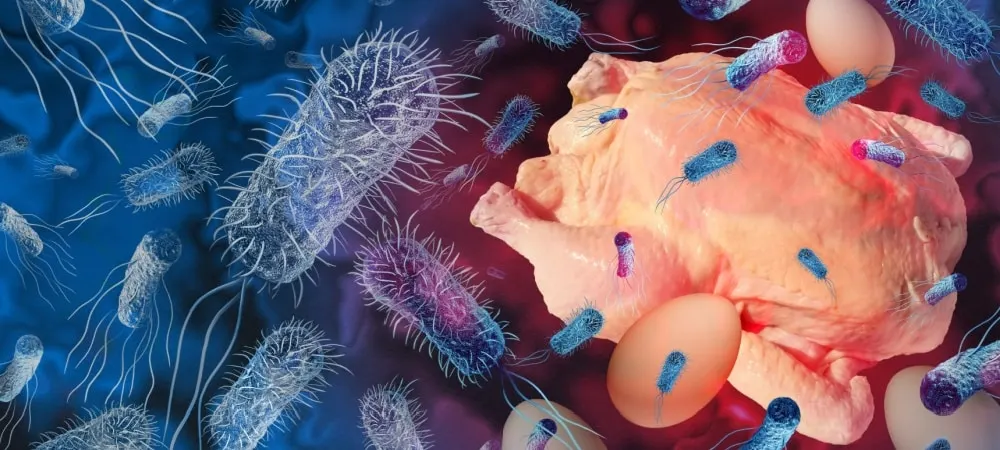
Chicken Poisoning
Chicken poisoning is a condition that generally occurs after eating spoiled chicken, presenting with symptoms such as nausea, diarrhea, high fever, and headache. In severe poisoning cases, it is necessary to apply to the nearest healthcare institution.
What is Chicken Poisoning?
Chicken poisoning is a food poisoning that occurs through the consumption of microbiologically contaminated or spoiled chicken meat or chicken products. This condition occurs as a result of chicken meat not being cooked thoroughly, being stored under inappropriate conditions, or consuming products whose expiration date has passed. Chicken meat can harbor harmful bacteria such as Salmonella, Campylobacter, Clostridium perfringens, and Listeria monocytogenes, especially when raw. When these microorganisms enter the intestinal system, they lead to various infections and digestive system complaints.
What Are the Symptoms of Chicken Poisoning?
Chicken poisoning symptoms can vary depending on the type of bacteria contained in the consumed chicken product, individual immune status, and the amount of microbe ingested. However, symptoms related to the digestive system are generally at the forefront. Complaints may appear within 6 to 72 hours after consuming the meal. The symptoms of chicken poisoning are as follows:
Stomach problems such as nausea and vomiting,
Watery or sometimes bloody diarrhea,
Abdominal pain and cramps,
Gas and bloating,
High fever (38°C and above),
Chills, sweating,
Headache, dizziness,
Muscle aches and general weakness,
Dry mouth,
Dryness in the skin,
Sunken eyes,
Fatigue and mental confusion (in advanced cases).
In some cases, symptoms can be very mild, and the person may mistake this for a simple stomach upset. Symptoms of chicken poisoning during pregnancy sometimes follow a more insidious course but pose serious risks for the fetus. In children, the elderly, and individuals with weak immunity, symptoms can rapidly worsen. Therefore, if the above symptoms are observed after consuming chicken, especially if fever and diarrhea last longer than a few days, a doctor must be consulted.
What Causes Chicken Poisoning?
Chicken poisoning can be caused by many reasons ranging from the consumption of spoiled or expired chicken to a lack of hygiene. The most frequently observed causes of chicken poisoning are:
Consumption of Raw or Undercooked Chicken:
Chicken meat can harbor many harmful bacteria, especially when raw. If the chicken is not cooked sufficiently, these bacteria remain alive and cause infection in the person who consumes it. Campylobacter and Salmonella are the most common agents in this situation. Chicken meat that remains pink inside or is bloody is not safe. Additionally, chicken broth that is not boiled well can provide an environment for bacteria to survive. Undercooked chicken liver carries a particularly high risk of Campylobacter. Chicken liver poisoning and chicken broth poisoning generally occur because they are not cooked well.
Consumption of Spoiled or Stale Chicken:
Chicken meat that has passed its expiration date, smells bad, or has a change in color may be spoiled. The bacterial count in these meats is very high, and consuming them generally presents with severe gastrointestinal symptoms and causes spoiled chicken poisoning.
Inappropriate Storage Conditions:
When chicken meat is not stored below 4°C, bacteria multiply rapidly. Raw or cooked chicken products left outside for a long time carry a major risk. This risk increases especially in the summer months.
Cross-Contamination:
Using surfaces such as knives, cutting boards, and plates that have come into contact with raw chicken for other foods without washing them leads to cross-contamination. If it passes especially to foods consumed raw such as salad, cheese, and fruit, the contamination goes unnoticed. Surfaces in the kitchen that come into contact with raw chicken must be cleaned thoroughly.
Non-Compliance with Hygiene Rules:
Situations such as starting to eat without washing hands sufficiently, spreading bacteria to the kitchen as a result of washing chicken meat, and improper thawing of frozen chicken (thawing at room temperature) are also risky.
How is Chicken Poisoning Diagnosed?
The diagnosis of chicken poisoning is made through the patient's clinical history, physical examination findings, and laboratory tests. One of the most important clues in the diagnostic process is that the person has consumed chicken or a product containing chicken within the last 72 hours. The doctor asks the patient about the foods they consumed, when the symptoms started, whether the chicken meat was cooked well, and if other people consuming the same chicken meat have similar complaints. Afterward, an abdominal examination is performed; symptoms such as diarrhea, vomiting, abdominal pain, and fever are evaluated. Signs of dehydration (dry mouth, low blood pressure, decreased skin elasticity) are also important. For a definitive diagnosis, a stool sample can be taken for microbiological examination. Thanks to this test, the type of bacteria causing chicken poisoning (for example, Salmonella, Campylobacter, Clostridium) can be determined. When necessary, blood tests are used to check the severity of the infection and the body's fluid-electrolyte balance. It is necessary to act more carefully and quickly to make a diagnosis, especially in pregnant women or individuals with a weakened immune system.
How is Chicken Poisoning Treated?
Pathogenic bacteria such as Salmonella, Campylobacter, and Clostridium perfringens can be commonly found in chicken meat. Chicken poisoning treatment is shaped according to the severity of the poisoning. The treatment paths followed in mild and moderate-severe cases are as follows:
Chicken poisoning treatment in mild cases:
Chicken poisonings are generally mild and self-limiting. In this case, supportive treatment at home is sufficient.
Abundant fluid intake: Water, mineral water, unsweetened herbal tea, rice water.
Oral rehydration solution (ORS): Balances lost salts and minerals if there is vomiting and diarrhea.
Rest: Resting is essential for the body to fight the infection.
Light diet: Foods that are fat-free, pulp-free, and do not strain the stomach are preferred.
Ayran (buttermilk): Can support the intestine with its probiotic effect (but not recommended in severe vomiting).
Chicken poisoning treatment in moderate-severe cases:
If the poisoning is severe or the person is in a risk group (infant, elderly, pregnant, chronically ill), hospital treatment is required.
Intravenous fluid (serum) therapy: To correct dehydration.
Antiemetics: To stop vomiting.
Antipyretics.
Electrolyte supplementation: Sodium and potassium deficiencies are administered intravenously.
If the doctor deems it necessary, antibiotic therapy can be initiated, but antibiotics are not used in every case. They are given only if specific bacteria are detected in the stool culture.
Chicken poisoning treatment during pregnancy:
The risk of chicken poisoning and the probability of complications are higher during pregnancy. Therefore, the path followed in the treatment of pregnant patients is as follows:
Hospital follow-up is recommended.
IV fluid support should be started early.
If Listeria is suspected, antibiotics are started immediately.
Baby heartbeats and fetal movements are monitored.
Bed rest is given to patients with a risk of miscarriage.
What to Eat and Drink in Chicken Poisoning?
Foods eaten during poisoning situations affect the digestive system and can make poisoning symptoms better or worse. There are some foods recommended to be consumed and avoided in these situations.
Patients experiencing chicken poisoning are advised to feed on foods that do not strain the stomach such as boiled rice, boiled potatoes, unsalted crackers, breadsticks, bananas, applesauce, yogurt, and drink plenty of water. To avoid making nausea worse, it is recommended that they avoid caffeinated, carbonated, and acidic beverages, fatty, fried, and spicy foods, dairy products, and very fibrous vegetables and fruits.
Chicken Poisoning Treatment During Pregnancy
Frequently Asked Questions
Chicken poisoning can stem from many causes such as inadequate cooking, eating spoiled/stale chicken, breaking the cold chain, lack of hygiene, and cross-contamination. Additionally, increased sensitivity during pregnancy can also cause poisoning. Symptoms such as nausea, vomiting, watery or sometimes bloody diarrhea, abdominal pain, fever, weakness, and loss of appetite may develop in the person. If symptoms started within a few hours after consuming chicken, spoiled chicken poisoning is a strong possibility. Chicken poisoning generally manifests itself with digestive system complaints starting within 6 to 72 hours after consuming chicken meat. Chicken poisoning can usually be treated at home in mild cases. Abundant water and fluid consumption, rest, and a light diet are the most fundamental approaches. Pregnant women, infants, the elderly, individuals with weak immunity, and those whose symptoms worsen must be treated under doctor supervision. Patients experiencing chicken poisoning are recommended to drink plenty of water and feed on light foods that will not strain the stomach too much. Chicken poisonings are generally not fatal. However, they can progress severely especially in young children, the elderly, those with a weakened immune system, and pregnant women, leading to serious complications. Yes, chicken poisoning can resolve on its own in most mild cases. Symptoms generally decrease within 1-3 days and recovery begins. During this process, it is important to take plenty of fluids, rest, and eat lightly. Going to the hospital is not required in mild cases, but you need to apply to the hospital if you have any symptoms such as diarrhea lasting longer than 2 days, severe vomiting, bloody stool, fever and chills above 38.5°C, mental confusion, dry mouth, sunken eyes, or if your immunity is low (pregnant women, infants, the elderly, those with chronic illnesses). Some precautions should be taken to prevent chicken poisoning. Chicken internal temperature should be cooked completely to be at least 75°C. There should be no pink or bloody parts left inside the chicken. Hands, knives, cutting boards, and kitchen surfaces that come into contact with raw chicken should be washed thoroughly. Frozen chicken meat should be thawed in the refrigerator. If there is a suspicion of chicken poisoning, you can consult a family physician or an internal medicine specialist.
If you are experiencing complaints such as nausea, diarrhea, fever, or weakness after consuming chicken, do not take the situation lightly. Especially if symptoms are severe or if you are in a risk group (pregnant, children, elderly, individuals with chronic illnesses), it is important to apply to a healthcare institution without wasting time and have an expert evaluation performed.
Start with the right assessment for What is Chicken Poisoning? Symptoms, Causes, and Treatment
Share your symptoms with our specialist physicians; let us determine the right diagnosis and treatment plan together.
Warning
If your symptoms started suddenly, are progressing rapidly, or significantly restrict your daily life, consult a physician without delay.
Plan your What is Chicken Poisoning? Symptoms, Causes, and Treatment journey with our specialists.
Fill in the form or book an appointment to learn about treatment options, the process and preparation.