Pica Syndrome
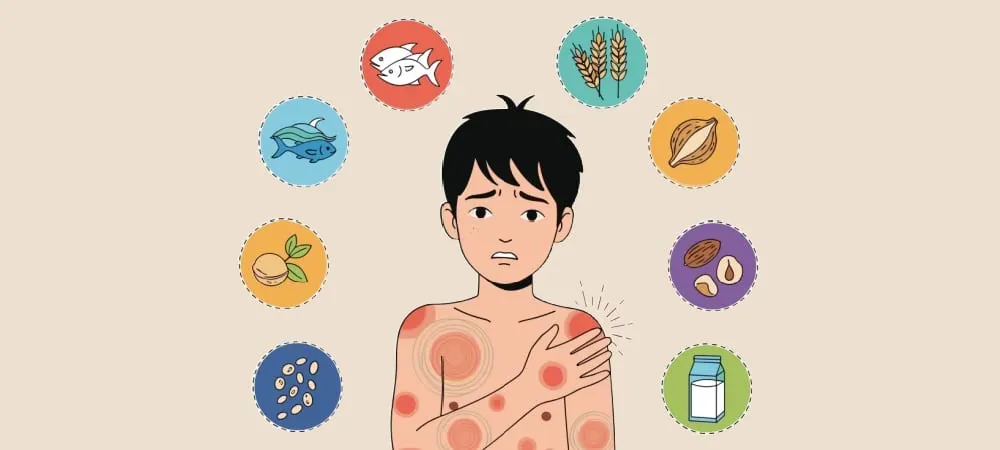
Pica syndrome, which is seen today especially among children and some special patient groups, draws attention with unusual eating behaviors. Defined as a person's tendency to ingest non-nutritive substances, this syndrome is not merely a habit, but also a psychiatric condition that can lead to serious health problems. Although the danger of pica syndrome is often underestimated, it can create significant negative impacts on physical and mental health.
What is Pica Syndrome?
Pica syndrome is a psychological and psychiatric disorder defined by a person's regular and continuous behavior of eating non-nutritive substances. These substances can be items that normally should not be eaten, such as soil, clay, hair, paper, soap, ice, paint, hairspray, nails, ash, and pieces of fabric. There is no definitive data regarding the percentage of pica syndrome in the community. However, some studies have indicated rates of up to 15% for pica syndrome in children over 2 years old and in pregnant women. It is thought to be particularly more common in developing countries.
Pica syndrome takes its name from the legendary all-eating bird "Pica pica". Pica syndrome can be seen in pregnant individuals and those with intellectual disabilities, as well as in adults with certain mental disorders. Especially in 6-year-old children, pica syndrome is a condition that needs to be noticed developmentally. In children under 2 years of age, putting everything in the mouth is a normal part of development. Above this age, a diagnosis is made if the behavior persists for a certain period of time. Pica is not a disease by itself, but usually appears as a symptom of another physical or mental problem. While it can sometimes develop due to nutritional deficiencies such as iron deficiency, in some cases it is associated with conditions such as obsessive-compulsive disorder, autism, or intellectual disability.
What Are the Symptoms of Pica Syndrome?
The primary symptom of pica syndrome is the regular behavior of eating non-nutritive substances. Pica syndrome symptoms vary depending on the age group and the type of substances ingested.
Symptoms of pica syndrome in children include behaviors such as eating soil, sand, paint, paper, pieces of fabric, hair, and toy parts. Children generally eat these substances secretly and cannot explain their behavior when caught. Parents may notice strange tastes in the child's mouth, changes in breath odor, or residues of substances that should not be eaten in the stool.
In adults, pica syndrome is usually limited to more specific substances. Women with pica syndrome during pregnancy may experience a desire to eat starch, ice, soil, or detergent. Eating metal parts, plastic objects, or cigarette butts are common situations in adults with intellectual disabilities.
Physical symptoms appear depending on the type of substances ingested. In cases of soil ingestion, iron deficiency anemia, lead poisoning, or parasite infections may develop. Starch consumption can cause blood sugar irregularities, while ice eating can lead to dental damage.
Gastrointestinal symptoms are common. Stomach pain, nausea, vomiting, diarrhea, or constipation may be experienced. The accumulation of ingested substances in the intestines can create obstruction, and this situation may require emergency surgical intervention.
Behavioral symptoms include changes in eating behavior, reluctance towards normal foods, covert eating behaviors, and a tendency to hide substances that should not be eaten. Some patients try to hide the substances they eat and may lie about this.
Social symptoms are also observed. The person may have difficulty controlling their eating behavior in social environments, which causes them to experience shame and isolation. Particularly in children, a drop in school performance and problems in peer relationships can be seen.
How Does Pica Syndrome Occur?
Although the exact cause of pica syndrome is not fully known, it is thought that many different factors contribute to this condition. These factors can be biological, psychological, and environmental. The causes of pica syndrome are as follows:
Nutritional Deficiencies: One of the most frequently encountered causes is iron, zinc, and certain vitamin deficiencies. The desire to eat soil or clay is common especially in individuals with iron deficiency. The body tries to instinctively compensate for the missing mineral.
Developmental Disorders: Neurodevelopmental conditions such as autism spectrum disorder, mental retardation, and attention deficit increase the risk of pica syndrome. Sensory seeking and unusual behaviors are more frequently seen in these individuals.
Psychological Factors: Pica behavior may develop in individuals who are under trauma, neglect, abuse, or extreme stress. In some cases, this eating behavior can develop as a type of coping mechanism.
Cultural and Social Influences: In some cultures, the behavior of eating soil or clay is seen traditionally, and it can become difficult for this situation to be perceived as pica. Similar habits can also develop in children who model this behavior within the family.
Pregnancy: Pica syndrome in pregnant women can develop due to iron deficiency, especially in the first trimester. This situation may be temporary, but it must definitely be brought under control.
How is Pica Syndrome Diagnosed?
The diagnosis of pica syndrome is generally made through behavioral observation, patient history, and clinical evaluation. Specialists such as psychiatrists, child psychiatrists, or neurologists may take part in the diagnostic process. The steps used in diagnosis are:
Duration and Severity of the Behavior: According to DSM-5 criteria, certain conditions must be met to make a diagnosis. The regular consumption of non-nutritive substances for a period of at least one month, this behavior not being appropriate for the person's developmental level, and the behavior not being a culturally supported practice are the fundamental criteria.
Taking a Detailed History: The process of taking a detailed history includes questioning the patient and their family in detail. Which substances are eaten and how frequently, when the behavior started, triggering factors, and accompanying symptoms are investigated. Family history, social status, and dietary habits are also evaluated.
Physical Examination: Physical examination is important to uncover serious complications. Mouth, dental, and abdominal examinations are performed. Nutritional status, height, weight, and general development are evaluated. Symptoms of poisoning and gastrointestinal system problems are investigated.
Laboratory Tests: Laboratory tests are necessary to support the diagnosis and detect complications. Complete blood count, iron, ferritin, zinc, and magnesium levels are measured. If there is suspicion of lead poisoning, blood lead levels are checked. Liver and kidney function tests are performed. In necessary cases, malabsorption originating from the digestive system can be investigated with a stool test. Additionally, structural problems or inflammatory conditions in organs can be evaluated using imaging methods such as abdominal ultrasound, abdominal CT, or MRI.
Psychiatric Evaluation: A psychiatrist or psychologist gathers information about the person's mental state. Obsessive-compulsive symptoms, stress level, and past traumas are taken into consideration. Environmental factors such as the family's observations, the child's social environment, school situation, and living conditions are also evaluated. Thus, the origin of the behavior is better understood.
How is Pica Syndrome Treated?
Pica syndrome treatment varies according to the underlying cause. Therefore, treatment is generally planned in a multifaceted, individualized manner and under the guidance of specialists. The treatment process may consist of the following steps:
Nutritional Supplements: Iron, zinc, or vitamins whose deficiency is detected in blood tests are supplemented at appropriate doses. With these supplements, the craving for non-edible substances may decrease over time in some individuals.
Psychotherapy: Psychological treatment of pica syndrome is quite effective, especially in children and adolescents. In this therapy, incorrect behaviors are extinguished and correct behaviors are reinforced. Additionally, cognitive behavioral therapy (CBT) can regulate the person's thought patterns.
Family Education and Support: Especially in children, the patient and conscious approach of families is very important. By teaching behavior management techniques to the family, the child's treatment process is supported.
Environmental Arrangements: The person needs to be kept away from harmful substances they can reach and must be under supervision. The home environment must be made safe. Substances that are dangerous to swallow, such as metal, paint, and detergent, must be removed.
Treatment of Accompanying Diseases: If there are conditions such as autism, obsessive-compulsive disorder, or attention deficit, special approaches towards these are required. Drug therapy can also be added if necessary.
Medical Interventions: If ingested foreign bodies have caused serious problems such as intestinal obstruction, stomach perforation, or infection, surgical intervention may be required. In such cases, gastroenterologists or surgeons step in.
Pica syndrome is an important disorder that is often neglected by the environment and underestimated, yet can lead to serious health problems when left untreated. When noticed early and provided with the right support, this behavior can be brought under control. In this syndrome, which must be handled both physically and mentally, an individualized approach and multidisciplinary support increase the chance of success.
Frequently Asked Questions
Pica syndrome is most frequently seen in children over 2 years of age, individuals with intellectual developmental delay, people with autism spectrum disorder, and pregnant women. It can also appear in individuals experiencing iron or zinc deficiency. Although rare, pica syndrome can also be seen in adults. Pica syndrome can lead to serious health problems. Substances that should not be eaten, such as soil, hair, and paint, can cause digestive system problems, infection, lead poisoning, or intestinal obstruction. Additionally, as a behavioral disorder, it can negatively affect a person's quality of life. For pica syndrome, a child or adult psychiatrist should first be consulted. In necessary cases, a neurologist, psychologist, dietitian, or gastroenterologist may also be included in the process. Especially in children, behavioral therapy and developmental evaluation carry great importance. It has not been proven that pica syndrome is directly genetic, but genetic predisposition may increase the risk in some individuals. It can be seen particularly together with genetically based disorders such as autism. It may appear more frequently in individuals with a family history, combined with environmental and psychological factors. Pica syndrome has been especially associated with iron, zinc, and vitamin B12 deficiencies. The deficiency of these minerals and vitamins can increase a person's desire to eat substances such as soil, clay, or ice. Deficiencies can be detected with blood tests, and a treatment plan can be formulated with appropriate supplements.
Noticing the symptoms of pica syndrome early carries great importance in terms of preventing potential serious health problems.
If you suspect pica syndrome in your child or yourself, you can receive support from experienced Psychiatry specialists.
Contact us for appointments and detailed information.
Start with the right assessment for What is Pica Syndrome? Symptoms, Causes and Treatment Methods
Share your symptoms with our specialist physicians; let us determine the right diagnosis and treatment plan together.
Warning
If your symptoms started suddenly, are progressing rapidly, or significantly restrict your daily life, consult a physician without delay.
Plan your What is Pica Syndrome? Symptoms, Causes and Treatment Methods journey with our specialists.
Fill in the form or book an appointment to learn about treatment options, the process and preparation.