Commonly known in Turkish as "kireçlenme" (calcification), this condition results from the wear and thinning of joint cartilage. If you feel pain or stiffness in your joints, these symptoms may indicate that you have osteoarthritis.
In fact, osteoarthritis is the most common joint disease worldwide. It can worsen over time and usually presents with symptoms that develop gradually. As osteoarthritis symptoms progress, they can make your daily activities difficult. Factors such as age, female sex, obesity, joint injuries and genetic predisposition increase the risk of osteoarthritis.
From the perspective of physical therapy, although osteoarthritis can occur at any age, its incidence increases with advancing age. Treatment of this disease requires planning an individualized combination of medication, physical therapy and exercise options.
In this article you will find everything you need to know about osteoarthritis. We will share detailed information about what the disease is, its symptoms, causes, diagnostic methods and treatment options.
What Is Osteoarthritis (Joint Degeneration)?
Osteoarthritis is the most common joint disease worldwide and results from the gradual wear, thinning and loss of joint cartilage. Also known as "kireçlenme" in Turkish, this condition causes joint pain, stiffness and limited range of motion.
What does osteoarthritis mean and how does it develop?
Osteoarthritis is a degenerative joint disease. "Osteo" means bone and "arthritis" means joint inflammation. However, the main problem in this disease is not inflammation of the joints but the wear and deterioration of the cartilage tissue.
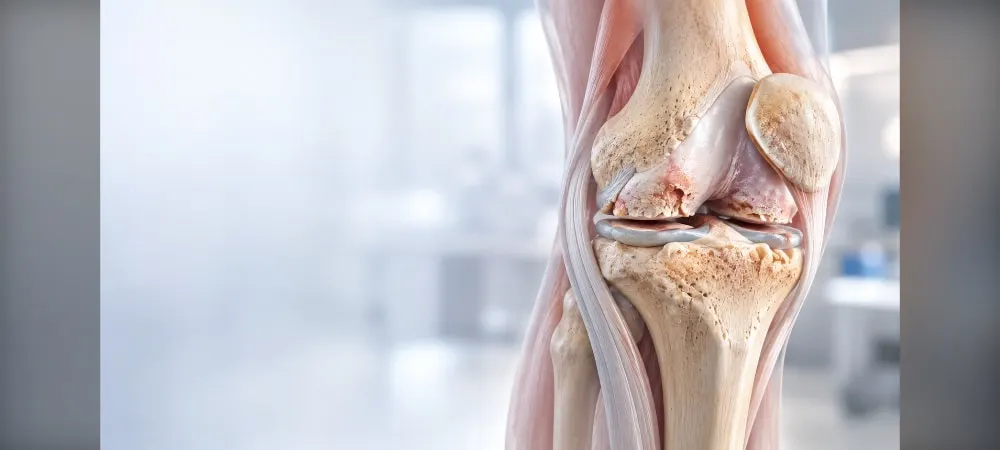
In healthy joints, the smooth cartilage tissue covering the ends of the bones prevents friction during movement and allows the joints to work freely. In osteoarthritis, this cartilage tissue wears down and becomes thinner. As a result, the bone surfaces begin to rub against each other. This leads to pain, swelling and limited movement in the joint area. In later stages, bony overgrowths and protrusions develop at the joint margins, disrupting the normal structure of the joint.
Is there a difference between "kireçlenme" and OA (osteoarthritis)?
The term "kireçlenme" (literally "calcification" or "limescale buildup"), commonly used among the public, creates a scientifically incorrect perception. It is often thought of as a buildup of limescale in the joints, like the limescale in a kettle or a pot. However, the reality is entirely different.
Osteoarthritis is not a buildup of limescale in the joints; it is the gradual wear of cartilage tissue and the deterioration of the joint's structure. Osteoarthritis and "kireçlenme" are terms describing the same disease. OA is the abbreviation used in the medical literature.
At the same time, there are important differences between osteoarthritis and rheumatoid arthritis. Osteoarthritis results from the gradual wear of joint cartilage, whereas rheumatoid arthritis is an autoimmune disease in which the immune system damages the joints.
Which joints are most commonly affected?
Osteoarthritis can affect any joint in the body. However, it is seen more frequently in certain joints:
- Knee Joint: This is the most common type of osteoarthritis. It is particularly common in women and overweight individuals. It occurs in 10–30% of people over the age of 65.
- Hip Joint: It occurs at equal rates in men and women. The prevalence is 11.5% in men and 11.6% in women.
- Hand and Finger Joints: It is particularly seen in the end joints of the fingers and at the base of the thumb. It is more common in women (44.2%) than in men (37.7%).
- Spine (Neck and Lower Back): It is common in the neck and lower back regions. It is usually found in the L4–L5 vertebrae (vertebrae close to the tailbone) and can cause narrowing of the spinal canal.
- Big Toe: It can cause the big toe to bend outward and lead to loss of movement. It affects approximately 8% of people aged 50 and over.
Physical therapy specialists emphasize that osteoarthritis can be kept under control in the early stages with appropriate exercise and lifestyle changes.
What Are the Symptoms of Osteoarthritis?
Osteoarthritis usually has an insidious onset, and its symptoms gradually become more severe over time. Physical therapy specialists emphasize that recognizing the symptoms of the disease early significantly increases treatment success.
Pain and limited range of motion
The most common symptom of osteoarthritis is joint pain. This pain most often occurs when weight is put on the joint or during movement, and it decreases with rest. As the disease progresses, the pain may become constant. Osteoarthritis of the knee in particular can cause unbearable pain when climbing stairs and walking.
Limited range of motion manifests as being unable to fully bend or straighten the joint. Osteoarthritis of the hip joint causes pain in the groin or hip, and sometimes in the knee or thigh. This can make it difficult to carry out your daily activities.
Morning stiffness and joint crackling
You may experience a feeling of stiffness in your joints when you wake up in the morning or after remaining inactive for a long time. In osteoarthritis, morning stiffness is usually short-lived and lasts less than 30 minutes. This feature is important in distinguishing it from rheumatoid arthritis, because stiffness may last longer in rheumatoid arthritis.
When your joints are moved, you may hear sounds such as cracking, grinding or clicking. This is called "crepitus" and is caused by the bone surfaces rubbing against each other as a result of the wear of the cartilage tissue.
Swelling, tenderness and deformities
In osteoarthritis, swelling and tenderness may be seen around the joint. You may feel pain when slight pressure is applied to the joint area. Swelling occurs due to inflammation and fluid accumulation in the joint. However, in osteoarthritis the signs of inflammation (swelling, redness, warmth) are generally not prominent or follow a mild course.
Over time, bony protrusions (osteophytes) may develop in the joint, and this can lead to deformities of the joint. Osteoarthritis in the finger joints can cause swelling, redness and tenderness in the fingers.
Advanced-stage symptoms
In advanced stages, osteoarthritis can severely restrict activities of daily living. At this stage, joint deformities become evident. In spinal osteoarthritis, nerve compression, painful limited movement due to decreased flexibility, and deformities such as hunchback (kyphosis) and increased lumbar curvature (lordosis) may be seen.
Muscle weakness and thinning of the muscles around the joint are also among the symptoms of advanced-stage osteoarthritis. Over time, the knee may become deformed and the legs may curve inward. Symptoms such as catching and locking of the knee may occur due to cartilage or bone fragments floating freely within the joint. In addition, patients' complaints may increase further in cold and damp weather.
What Causes Osteoarthritis?
Osteoarthritis is a complex condition that arises from a combination of many different factors. Physical therapy specialists stress that this disease does not have a single cause and that it mostly develops as a result of a combination of several factors.
Age and genetic factors
Age is one of the strongest risk factors for the development of osteoarthritis. The water and protein content of joint cartilage decreases with aging, which reduces the durability of the cartilage and makes it wear more easily. The risk of osteoarthritis increases markedly with age. Although it is rare before the age of 40, it affects more than half of women and one-third of men at the age of 60.
Genetic factors also play an important role in the development of osteoarthritis. People with a family history of osteoarthritis have a higher risk of the disease. In osteoarthritis of the hand joints in particular, the hereditary influence has been observed to be high.
Obesity and excessive loading
Excess weight and obesity place great pressure on weight-bearing joints, especially the knees and hips. Research shows that obesity increases the risk of osteoarthritis by 3–10 times and that every 5 kilograms gained raises the risk of the disease by 35%. In addition, excessive loading of the joints can lead to faster wear of the cartilage tissue and inflammation in the joint.
Patients with diabetes are at twice the risk of needing joint replacement due to osteoarthritis compared with those without diabetes, and they generally require a joint prosthesis at an earlier age.
Joint injuries and occupational risks
Joint injuries experienced in the past are an important factor in the development of osteoarthritis in later years. Traumas such as a knee ligament rupture, meniscus tear or fracture can cause permanent damage to the joint and accelerate the osteoarthritis process. This damage disrupts the normal mechanical function of the joint and increases stress on the cartilage.
Some occupations increase the risk of osteoarthritis in the joints. People who work in bent or twisted positions in particular have a high risk of developing hip osteoarthritis. For knee osteoarthritis, the risk is increased in those who work in kneeling or squatting positions, those who perform heavy lifting, and those who stand constantly. Signs of osteoarthritis are seen more often at an early age in occupations that physically place excessive load on the joints, such as construction workers, miners, tile setters, cleaning workers and agricultural workers.
Hormonal and metabolic causes
The incidence of osteoarthritis in women, especially after menopause, is higher than in men of the same age. Changes in sex hormone levels, particularly decreased estrogen, may weaken the joint structure and play a role in the development of osteoarthritis.
Metabolic factors such as vitamin D deficiency can also negatively affect joint health. In addition, metabolic disorders such as diabetes increase the risk of osteoarthritis. This can lead to impaired cartilage metabolism and a worsening of nutrient supply.
How Is Osteoarthritis Diagnosed?
An accurate diagnosis is the first and most important step in the treatment of osteoarthritis. Physical therapy specialists emphasize that early diagnosis of osteoarthritis significantly increases treatment success.
Physical examination and patient history
The first stage of the diagnostic process is a detailed review of the patient's medical history and listening to their complaints. At this stage, physical therapy specialists assess the character of the joint pain, when it started and under what circumstances it increases.
During the examination, your doctor closely examines the affected joint and checks for tenderness, swelling or redness. They also evaluate the range of motion of the joint and listen for grinding sounds. Deformities in the joints are also carefully examined.
A careful physical examination is very important in distinguishing osteoarthritis from referred pain, bursitis, or inflammatory rheumatic diseases such as rheumatoid arthritis.
Imaging methods such as X-ray and MRI
Various imaging techniques are used to confirm the diagnosis:
X-ray (plain radiograph): This is the most commonly used method for diagnosing osteoarthritis. It shows the classic radiological findings of osteoarthritis, such as joint space narrowing, the presence of osteophytes, subchondral erosion and sclerosis. However, X-ray results may be normal in the early stages of the disease; in this case, the diagnosis is made largely on the basis of clinical findings.
Magnetic Resonance Imaging (MRI): It is used to examine the soft tissues and cartilage in the joint in more detail. It is more successful than X-ray in showing cartilage damage, particularly in the early stage. MRI shows accuracy in detecting cartilage degeneration with 73–87% sensitivity and 79–94% specificity.
Ultrasound: It is useful in assessing joint effusion, synovitis and the presence of osteophytes. Providing real-time imaging and not involving radiation are among its greatest advantages.
Blood tests and joint fluid analysis
In the diagnosis of osteoarthritis, blood tests are generally performed to rule out other joint diseases. In the differential diagnosis of rheumatoid arthritis, infection or other inflammatory diseases in particular, inflammation markers such as ESR and CRP, rheumatoid factor and anti-CCP tests may be used.
Joint fluid analysis can help with the diagnosis in some cases. Normally, joint fluid is clear, transparent, light yellow in color and slightly viscous. Examining the joint fluid helps distinguish infection or crystal arthropathies such as gout. In microscopic examination, the number and type of cells in the joint fluid are important in determining the type of disease.
In conclusion, from the perspective of physical therapy, the diagnosis of osteoarthritis is made through a combination of a comprehensive patient assessment, physical examination and appropriate imaging methods. Early and accurate diagnosis is critically important for slowing the progression of the disease.
Osteoarthritis Treatment and Ways of Prevention
Osteoarthritis treatment is a comprehensive process that physical therapy specialists generally plan by using more than one method together. The main goals of treatment are to reduce pain, increase mobility and slow the progression of the disease.
Lifestyle changes
Excess weight accelerates osteoarthritis by increasing the load on the knee and hip joints in particular. Losing weight helps relieve pain by reducing the load on the joints. Since every 0.5 kg increase in body weight places an additional 1.5–2 kg of load on the knees, maintaining an ideal weight is very important.
In addition, avoiding movements that strain the joints, not staying in the same position for a long time and making ergonomic adjustments make daily life easier. Taking regular breaks during repetitive activities also helps protect the joints.
Physical therapy and exercise programs
Regular exercise is one of the most effective and economical methods of osteoarthritis treatment. Appropriate exercises increase joint flexibility, improve muscle strength and benefit joint health. Low-impact sports such as swimming and cycling are particularly ideal for osteoarthritis patients.
Physical therapy modalities include hot and cold applications, electrical stimulation, ultrasound therapy and manual therapy techniques. These are used to reduce muscle spasm, increase joint mobility and relieve pain.
Medication and supportive devices
Pain relievers and anti-inflammatory medications hold an important place in the treatment of osteoarthritis. In addition, topical creams provide relief by targeting the painful area directly. Intra-articular corticosteroid injections or hyaluronic acid injections can also reduce pain and inflammation.
Among supportive devices, aids such as canes, knee braces and insoles can improve mobility by reducing the load on the joint. These devices are especially beneficial during painful periods.
Surgical intervention options
Surgical intervention may be necessary when other treatment methods are insufficient. Procedures such as arthroscopy, prosthetic surgery and osteotomy are performed to repair the damage in the joint or to replace the entire joint. The five-year success rate of knee and hip prostheses is approximately 80%, and the 10-year success rate is approximately 60%.
Herbal and complementary treatments
Herbs such as turmeric, ginger, green tea and rose hip are preferred because of their anti-inflammatory properties. However, the uninformed use of these treatments may interact with other medications or may harm organs such as the liver and kidneys.
Recommendations for preventing osteoarthritis
To prevent osteoarthritis, the following are important:
- Balanced nutrition and adequate water intake
- Regular exercise and physical activity
- Maintaining an ideal weight
- Avoiding movements that strain the joints
- Regular medical check-ups
In conclusion, the best results in the treatment of osteoarthritis are achieved with individualized and multifaceted approaches. With an appropriate combination of physical therapy, exercise, medication and, when necessary, surgical options, patients' quality of life can be significantly improved.
Osteoarthritis in Summary
Affecting millions of people worldwide, osteoarthritis is the most frequently encountered chronic joint disease in the field of physical therapy. Resulting from the gradual wear and thinning of joint cartilage, this condition is not merely a buildup of limescale but a progressive process that affects the entire structure of the joint.
Osteoarthritis particularly affects the knee, hip, spine and hand joints. While its incidence increases with aging, it is more common in women than in men. One in two adults experiences symptoms of knee osteoarthritis during their lifetime, while one in four adults encounters hip osteoarthritis by the age of 85.
Among the symptoms of osteoarthritis, joint pain, limited range of motion, morning stiffness and joint crackling sounds are the most prominent. As the disease progresses, activities of daily living may become difficult. Beginning with mild symptoms in the early stage, the condition may over time result in increased pain severity and loss of function.
Among the risk factors, age, genetic predisposition, obesity and joint injuries play important roles. Excess weight leads to rapid progression of the disease by increasing the load on the knee joints in particular. Every 0.5 kg increase places an additional 1.5–2 kg of load on the knees.
The diagnostic process begins with a detailed history and physical examination, and is supported by imaging methods such as X-ray and, when necessary, MRI. Early diagnosis significantly increases treatment success.
Unfortunately, there is no definitive cure for osteoarthritis, but symptoms can be kept under control by various methods. Physical therapy, exercise, weight control, pain relievers and, in advanced cases, surgical intervention are among the treatment options. Regular exercise slows the progression of osteoarthritis while strengthening the muscles around the joint.
Although osteoarthritis is often seen as a natural consequence of aging, healthy aging is possible with the right exercises and appropriate nutrition. Physical therapy practices are of vital importance in the prevention of the disease and during the treatment process.
Frequently Asked Questions
What causes osteoarthritis of the knee?
The most important causes of knee osteoarthritis are genetic predisposition, excess weight and careless activities. Occupational groups who lift loads with their knees, exercising without warming up, and long-term use of improper footwear are also risk factors. This can lead not only to knee problems but also to foot and ankle problems.
Does osteoarthritis heal completely?
Because osteoarthritis is a chronic disease, complete recovery is generally not possible. However, symptoms can be greatly reduced with the right treatment methods. Exercise, weight control, physical therapy and, when necessary, surgical interventions can significantly improve quality of life.
Can a patient walk immediately after knee replacement surgery?
In knee replacement surgery, the damaged joint cartilage is removed and replaced with metal and polyethylene components. Patients are generally made to walk the day after surgery, and the stitches can be removed within 15–20 days.
Can hip osteoarthritis present as knee pain?
Many people see a doctor because of knee pain rather than hip pain. The pain caused by osteoarthritis of the hip is usually felt in the groin and sometimes radiates to the knee. To tell the difference, it is important to correctly identify the source of the pain.
Should patients with hip and knee osteoarthritis lose weight?
The hip and knee joints are the joints that bear the most load in the body. Overweight people with osteoarthritis in their joints must pay attention to their diet and lose weight. In this way, the excessive load on the joints is reduced.
Where does neck osteoarthritis pain radiate?
Neck osteoarthritis can cause pain not only in the neck region but also in the shoulders and arms. If left untreated, the range of motion of the neck decreases significantly, and the patient may become unable to perform daily tasks, or even their own personal care.
What is the difference between osteoarthritis and rheumatoid arthritis?
Osteoarthritis develops as a result of loading of the joints due to aging, weight and previous illnesses over time. Rheumatoid arthritis, on the other hand, involves inflammation of the joints due to a disorder of the immune system. Although both cause pain and aching, their causes and treatment approaches are different.
Fill Out the Form for Detailed Information and Contact!
Start with the right assessment for What Is Osteoarthritis (Joint Degeneration)? What Are Its Symptoms? How Is It Diagnosed and Treated?
Share your symptoms with our specialist physicians; let us determine the right diagnosis and treatment plan together.
Warning
If your symptoms started suddenly, are progressing rapidly, or significantly restrict your daily life, consult a physician without delay.
Plan your What Is Osteoarthritis (Joint Degeneration)? What Are Its Symptoms? How Is It Diagnosed and Treated? journey with our specialists.
Fill in the form or book an appointment to learn about treatment options, the process and preparation.