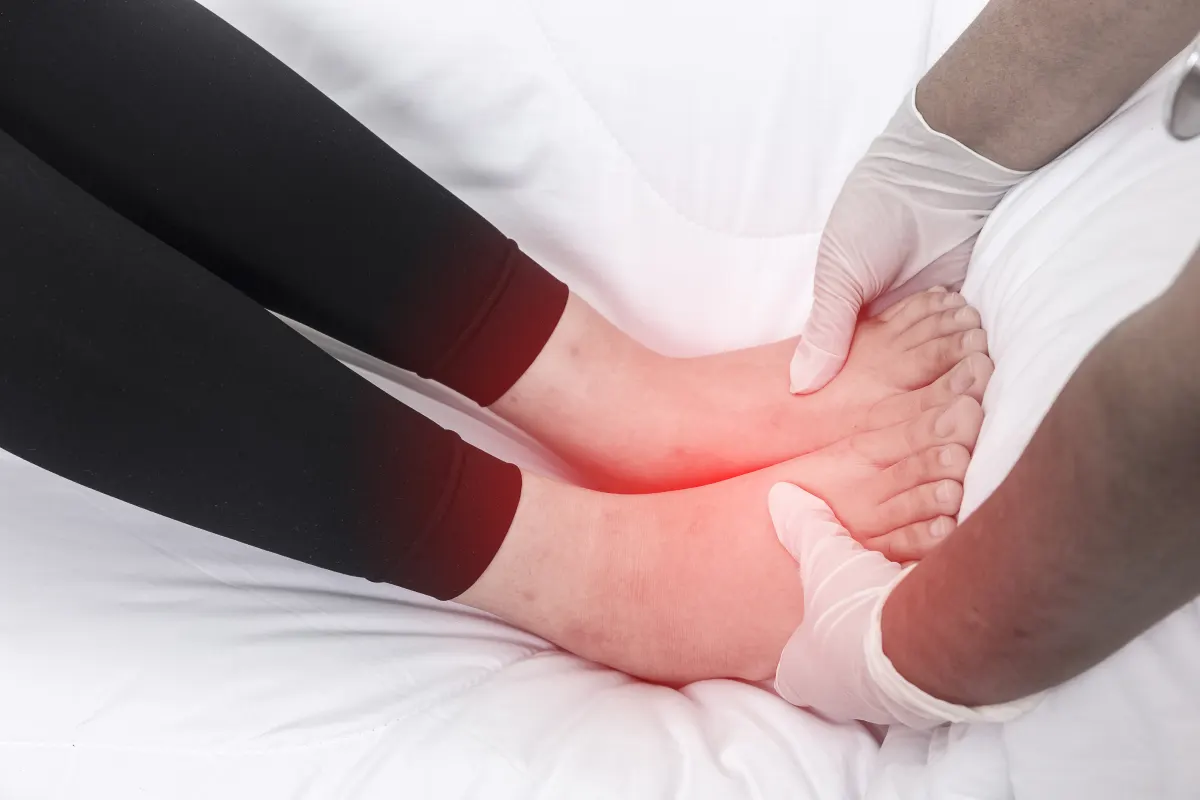
We spoke with specialists from the Internal Medicine Department of Hisar Hospital Intercontinental about what we don't know about edema...
What Is Edema?
Edema is the presence of more fluid than normally should be found in the skin and other tissues, in the intercellular space. Body fluids in a normal person are located in specific areas under the influence of various forces. The main of these areas are: blood vessels, cells, the intercellular space, the brain and spinal cord space, the abdominal cavity, the lungs, the pericardium, and within joints.
Body fluids are forced to remain in these areas under the influence of various forces. These forces are:
Tissue Resistance: Describes the integrity of tissues. Any disruption of tissue integrity for any reason (burns, blows and impacts, vasodilator medications, etc.) leads to displacement of fluid and edema. For example, when we hit our head against something, it swells. The reason for the swelling is the disruption of tissue integrity in that area. Some antihypertensive medications and varicose veins similarly cause a decrease in tissue resistance, and edema develops as fluid is displaced.
Oncotic Pressure: The pressure, mainly from proteins, especially albumin, that keeps fluid within the blood vessels. If the amount of albumin decreases, oncotic pressure falls; blood fluid, i.e., plasma, leaks out of the vessels and accumulates between tissues, in the abdominal cavity, and between the lung membranes.
Hydrostatic Pressure: The name of the pressure created by fluids. If there is more fluid in any vessel than it should contain, the fluid breaks through tissue resistance, begins to leak into the surrounding area and forms edema. As a result of the kidneys not functioning adequately, water accumulates in the body. Fluid accumulates in the legs, around the eyelids, in the abdomen, and even in the lungs and other tissues. Additionally, if heart failure develops, blood cannot be pumped adequately, and fluids leak out of the vessels under the effect of increased hydrostatic pressure, especially in the legs, causing edema.
In which diseases does edema mainly occur?
The causes of edema that we frequently encounter are:
Heart Failure: If the heart muscle does not contract sufficiently strongly, i.e., heart failure occurs, blood cannot be pumped into the arteries to circulate through the body, and due to gravity, fluid first accumulates around the ankles and legs, then over the hips, in the abdomen, and further on in the lungs, leading to edema. If the heart enters acute failure, a condition called pulmonary edema develops, which is fatal if not treated.
Kidney Diseases: Inadequate filtration of blood by the kidney, water retention and increased hydrostatic pressure, or protein leakage from the kidney (glomerulonephritis, nephrotic syndrome) leading to a decrease in oncotic pressure, causes edema. In the first case, edema develops first in the ankles and legs, as in heart failure, while in the case of protein leakage from the kidney, in addition to the ankles, edema develops especially around the eyelids in the morning and in the face.
Liver Diseases: In liver failure, i.e., cirrhosis, oncotic pressure falls because albumin cannot be produced, and blood plasma leaks out of the vessels, causing edema. In cirrhosis patients, significant fluid accumulation in the abdomen, known as ascites, as well as in the legs, develops.
Medications: Medications that increase hydrostatic pressure by causing retention of water and salt in the body, or that reduce tissue resistance by dilating vessel walls, lead to edema. The best known are some calcium channel blockers used in the treatment of hypertension; the female hormone estrogen, cortisone, and certain rheumatology drugs.
Varicose Veins: The veins in the legs ensure that blood that nourishes the legs returns to the heart. If structural disorders arise that prevent these veins from performing this function, blood fluid, i.e., plasma, leaks out of the vessels and causes edema in the legs. Additionally, phlebitis developing in the same veins can also lead to long-term edema.
Lymphedema: Lymph is one of the fluids found in the body and circulating throughout almost the entire body, and it is found in the lymphatic vessels. If the lymphatic flow is obstructed for any reason, lymph fluid leaks out of the vessels and causes edema. Unlike edema due to other causes, lymphedema is firm; that is, it does not pit when pressed. The best-known form is the edema that develops in the arms of patients who have undergone surgery for breast cancer. Additionally, if a lymph node is damaged for any reason, such as by cancer cells or another cause, it can also lead to lymphedema. Especially when there is unilateral edema in a limb, it should be considered that there may be a cancer disrupting lymph flow or a mass compressing the lymph nodes from above, and for this reason, investigation should be carried out.
Other Causes of Edema:
Hypothyroidism: If the thyroid gland functions insufficiently, it can lead to edema by causing the accumulation of certain substances that retain water in the body, along with dysfunction of many organs.
Premenstrual Tension: Intermittent edema in women that develops before the menstrual period. It is thought to develop due to imbalances in the release of various hormones. Abdominal bloating, and edema and pain in the legs, arms, and breasts, begin 4–10 days before the menstrual period. This condition is important not only because of the edema, but also because it affects women's psychological state. During those periods, women tend to be more aggressive and prone to making mistakes.
Pregnancy: Here, due to hormonal changes, the body retains water and salt, generalized edema occurs, and the enlarging uterus exerts pressure on the large veins passing through the pelvis, so varicose veins and edema in the legs are a frequently encountered condition.
Rheumatism: In most rheumatic diseases, the amount of fluid within the joints increases due to the inflammatory process. Edema may also be seen in the soft tissues around the joints. Additionally, some severe rheumatic diseases can affect the kidneys and heart, causing loss of albumin or retention of water and salt in the body, leading to edema.
In conclusion, edema should be taken seriously. Especially unilateral edema in the limbs, generalized edema, and cases with additional complaints must always be investigated to determine whether there is an underlying systemic cause.
How Is Edema Treated?
For the treatment of edema, the underlying cause must first be identified and treated. In general, the easiest way to resolve edema is to remove fluid from the body. For this purpose, the medications most commonly used by physicians are diuretics, i.e., water pills. It is not correct for a patient to try to remove edema from the body on their own by using various diuretic substances. This is because uncontrolled use of these drugs can cause excessive fluid loss from the body, especially loss of electrolytes such as sodium and potassium, and can cause serious harm to the patient. Patients who are required to use diuretics should undergo periodic physician check-ups and have their electrolytes, such as sodium and potassium, checked.
Are there herbal remedies that reduce edema?
Yes. Some herbal teas and herbs used in folk medicine can help remove water from the body. Black tea and coffee are substances with diuretic effects. However, they are not appropriate for use for the purpose of removing edema. Some of the sage, linden, green tea, St. John's wort, anise, rosemary, fennel, and mint lemon teas can help remove fluid from the body through the urinary tract, and some by accelerating the intestines. Since some of these regulate the bowel, they can relieve intestinal gas and reduce abdominal bloating.
However, a patient who thinks they have edema must definitely consult a physician. The most common mistake is to see edema as a simple ailment. Edema should not be dismissed as merely edema0. Considering that serious diseases may lie underneath, the cause of the edema must be identified and, first of all, treated. Otherwise, attempting to treat edema solely by using substances that remove water and salt from the body may lead to serious fluid and electrolyte imbalances and harm to the patient.
Start with the right assessment for What Is Edema? How Is It Treated?
Share your symptoms with our specialist physicians; let us determine the right diagnosis and treatment plan together.
Warning
If your symptoms started suddenly, are progressing rapidly, or significantly restrict your daily life, consult a physician without delay.
Plan your What Is Edema? How Is It Treated? journey with our specialists.
Fill in the form or book an appointment to learn about treatment options, the process and preparation.