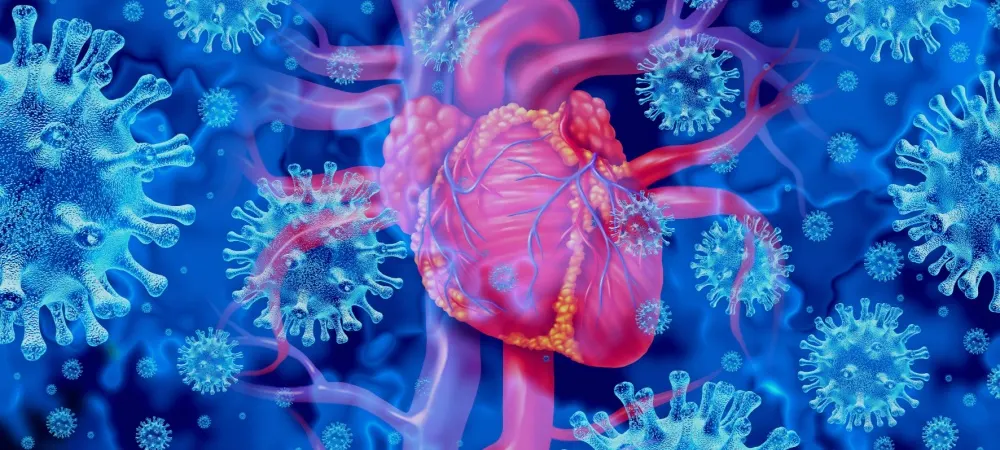
What is Myocarditis (Inflammation of the Heart Muscle)? What Are Its Symptoms?
Myocarditis is a serious condition characterized by inflammation of the heart muscle. This condition can impair the heart's ability to pump blood to the body and result in less blood being pumped to the body. Patients may experience chest pain, difficulty breathing, a rapid pulse, or arrhythmias. Diagnosis is typically established through clinical symptoms, an electrocardiogram (ECG), blood tests, and occasionally cardiac imaging methods. Treatment may involve treating the underlying cause, rest, medications, and other therapies to support heart function.
What is Myocarditis (Inflammation of the Heart Muscle)?
Myocarditis is the inflammation of the heart muscle in individuals, and its causes may include viruses, bacteria, parasites, or autoimmune reactions. This can restrict the heart muscle. This rare condition can develop rapidly or slowly in people. Myocarditis differs from other types of heart conditions because it can occur in any part of the heart. Some rare types of myocarditis include (1,2):
Lymphocytic
Giant cell
Fulminant
Eosinophilic
What Are the Symptoms of Myocarditis?
Individuals with myocarditis may have no symptoms or may experience a varying number and severity of symptoms. Symptoms of heart muscle inflammation may include:
Chest pain
Shortness of breath
Fatigue
Fever
Heart palpitations
Abdominal pain
Dizziness
Abnormal heart rhythm
Fainting
Loss of appetite
Weakness
Swollen legs or feet
Inability to exercise
How Does Myocarditis Occur?
Viral infections are among the frequently encountered factors in the causes of myocarditis. Additionally, autoimmune reactions resulting from the immune system attacking its own tissues or certain drug interactions can cause the disorder. Some of the causes of myocarditis may include:
Infections: Microorganisms such as viruses, bacteria, parasites, or fungi can trigger myocarditis. Viral infections, in particular, are the most common cause of the condition. These include viruses such as Coxsackie Virus, Adenovirus, and Influenza Virus.
Autoimmune diseases: In autoimmune diseases, the immune system attacks its own tissues. This condition can cause inflammation in the heart muscle. Autoimmune-origin diseases such as lupus and rheumatoid arthritis can lead to myocarditis.
Medications: Certain medications, particularly chemotherapy drugs, antibiotics, and anti-inflammatory drugs, can increase the risk of myocarditis.
Toxic substances: Toxic substances such as alcohol, cocaine, heavy metals, and certain chemicals can directly affect the heart muscle and cause heart muscle inflammation.
Who is at Risk for Myocarditis?
This condition is not an inherited disorder. However, genes can influence the way the body responds to inflammation. Myocarditis is a condition that can affect people of all ages, but it is most commonly seen in young adults and children. The likelihood of developing this disorder may be higher in the following situations:
Alcohol use
Dialysis
Implanted cardiac devices
Radiation
Treatments for heart conditions
Presence of a central venous line
Diabetes
HIV/AIDS
Skin injuries or infections
Cancer treated with certain medications
Eating disorders
End-stage renal disease
Chest injury
What Are the Potential Complications of Myocarditis?
Myocarditis usually recovers without permanent complications. However, in severe cases with heavy symptoms, the disease can cause permanent damage to the heart muscle. Some of the potential complications of myocarditis may include:
Heart failure: If myocarditis is not treated or if treatment is delayed, inflammation in the muscle can damage the heart muscle. This can cause the heart to pump less blood. In severe cases, the use of a ventricular assist device may be recommended for the patient, or a heart transplant may be necessary.
Heart attack or stroke: If the heart muscle is damaged and cannot pump blood, blood pooling in the heart can clot. If a clot blocks one of the coronary arteries, a sudden heart attack may occur in the individual. If a blood clot travels toward an artery leading to the brain, a stroke may occur in the body.
Rapid or irregular heart rhythms (arrhythmias): Damage to the heart muscle can alter the way the heart beats. Some arrhythmias increase the risk of stroke.
Sudden cardiac arrest: Certain severe arrhythmias can cause the heart to stop beating (sudden cardiac arrest). It poses a life-threatening risk if not intervened in urgently.
How is Myocarditis Diagnosed?
To diagnose heart muscle inflammation, the doctor first takes the patient's medical history. Then, they perform a physical examination to evaluate the status of the symptoms. In addition to the physical examination, the doctor may request the following tests to aid in diagnosis. Some tests used for heart muscle inflammation may include:
Blood tests: Blood tests are generally performed to check for signs of heart attack, inflammation, and infection. They can provide useful information regarding markers of inflammation (e.g., C-reactive protein and erythrocyte sedimentation rate), markers of infection (e.g., viral or bacterial antibodies), and markers indicating heart damage (e.g., troponin and B-type natriuretic peptide).
Electrocardiogram (ECG): An ECG is a test performed to detect the electrical activity of the heart. This condition can often cause distinct changes on the ECG, which can assist in diagnosis. An electrocardiogram (ECG) uses temporary electrodes placed on your chest and limbs to monitor, track, and record the electrical activity of your heart (controlling heartbeats) for diagnostic purposes.
Echocardiography (Echo): An Echo is an imaging test that examines the structural and functional properties of the heart. Myocarditis can cause functional impairments in the heart muscle, and an Echo can be used to evaluate these changes. Echocardiography is an ultrasound test that checks the structure and function of your heart. An Echo can diagnose a range of conditions, including cardiomyopathy and valvular disease.
Cardiac catheterization: Rarely, when the diagnosis is unclear or treatment is required, cardiac catheterization may be performed. During cardiac catheterization, the doctor inserts a long, narrow tube (catheter) into a blood vessel in your leg or arm and advances it toward the coronary arteries. This procedure allows direct measurements to be taken on the heart muscle by placing a thin tube inside the heart vessels and chambers.
Cardiac MRI or CT scan: Advanced imaging techniques, such as magnetic resonance imaging (MRI) or computed tomography (CT), can be used to show inflammation and other structural changes in the heart muscle in more detail.
How is Myocarditis Treated?
Myocarditis treatment is planned by specialist physicians depending on the source and severity of the inflammation. In most cases, the condition can resolve with appropriate treatment methods. Some heart muscle treatments may include:
Corticosteroids: Corticosteroids are medications that may be prescribed by the doctor to reduce the intensity of the immune response or help lower inflammation levels.
Heart failure treatment: The disorder may present along with the development of heart failure. Diuretics, ACE inhibitors, beta-blockers, and other cardiac medications can be used to control heart failure symptoms.
Ventricular assist devices (VAD): If the disorder is more severe or if the heart needs support during the recovery process, VAD therapy may be used by the doctor to help pump blood from the lower chambers of the heart to the rest of the body.
Treating other conditions: If heart muscle inflammation is caused by a medical condition such as an infection or an autoimmune disease, the doctor may plan to treat these underlying conditions as well.
During the treatment process, the doctor may request home treatment practices from the patient, such as getting plenty of rest, limiting fluid intake, eating a balanced diet, avoiding harmful habits, and reducing salt intake. Furthermore, engaging in high levels of physical activity can be risky during the recovery period. Therefore, it may be necessary to avoid strenuous physical activities during treatment and for the duration specified by the doctor after treatment. If heart muscle inflammation is severe, the implantation of a pacemaker or defibrillator may be necessary. A heart transplant may be recommended for the patient when the heart is severely damaged as a result of inflammation in the heart muscle.
Frequently Asked Questions
In mild cases, symptom resolution and recovery of heart function can usually occur within a few weeks. However, in more serious cases or in the presence of complications, the treatment process may take longer. Myocarditis is a condition that can affect people of all ages, but it is most commonly seen in young adults and children. Various factors such as infections like viral infections, autoimmune diseases, toxin exposure, or medications can contribute to the development of the disease. Additionally, athletes engaging in heavy exercise and individuals with weakened immune systems may also be at risk. Myocarditis generally presents certain signs on an ECG. However, changes on the ECG may not be solely sufficient for a definitive diagnosis. Myocarditis can often manifest at different times depending on the type of underlying cause. There is no precise duration for the appearance of symptoms. What is important in this disorder is early diagnosis and treatment. A medical evaluation should be sought as soon as symptoms appear. If the condition is not treated, situations such as heart failure, heart rhythm disorders, damage to heart valves, and weakening of the heart muscle may develop. Moreover, in untreated cases, permanent heart damage and life-threatening risks may increase. Engaging in sports may be risky for patients diagnosed with myocarditis because excessive physical activity can place extra stress on the heart muscle and trigger heart rhythm disorders. Doctors generally wait for symptoms to disappear completely and heart functions to return to normal.
If you have concerns regarding your heart health, do not neglect the symptoms of myocarditis. For the most accurate diagnosis and treatment, you can schedule an appointment with our Hisar Hospital Cardiology Specialists. Early evaluation is of great importance in preventing potential risks.
Start with the right assessment for What is Myocarditis (Inflammation of the Heart Muscle)? Symptoms, Causes, and Treatment
Share your symptoms with our specialist physicians; let us determine the right diagnosis and treatment plan together.
Warning
If your symptoms started suddenly, are progressing rapidly, or significantly restrict your daily life, consult a physician without delay.
Plan your What is Myocarditis (Inflammation of the Heart Muscle)? Symptoms, Causes, and Treatment journey with our specialists.
Fill in the form or book an appointment to learn about treatment options, the process and preparation.