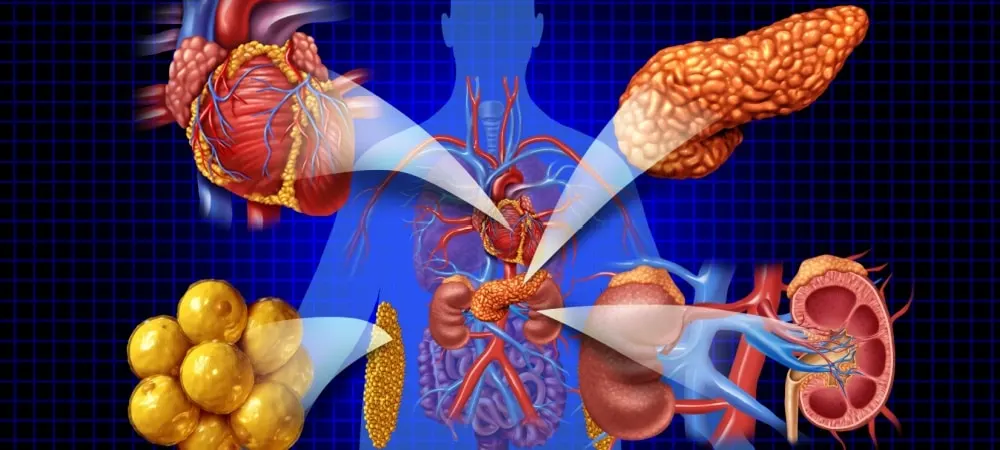
Are Metabolic Diseases Treatable?
Metabolism is a process that encompasses the biochemical reactions necessary for the human body to maintain vital functions. Metabolic diseases are hereditary or acquired conditions that arise due to various disorders in this sequence of chemical reactions occurring in the body. It can generally be said that a defect in the body's ability to produce and use enzymes plays a role in the emergence of metabolic diseases. Metabolic diseases are mostly caused by genetic mutations. In other words, most metabolic diseases are inherited. However, some metabolic diseases such as diabetes and obesity can also appear later in life. Answers to questions you may have about metabolic diseases, such as “What is metabolic syndrome?” and “How are metabolic diseases diagnosed and treated?”, are addressed in the following sections of this article.
What is Metabolic Treatment?
The process that encompasses all biochemical reactions necessary for energy production in the body is called metabolism. Metabolic diseases are used to describe an abnormality that occurs in this process. For example, if the insulin hormone is not produced sufficiently in the body or if the produced insulin is not perceived by the body as it should be, a metabolic disease known as diabetes mellitus can occur. The treatment procedure applied for metabolic diseases that arise as a result of a defect in the functioning of biochemical reactions in the body is called metabolic treatment.
The metabolic disease treatment process is planned individually according to the patient's general condition and the type of disease. When metabolic disease is mentioned, diseases that can affect many systems simultaneously come to mind. For this reason, a multidisciplinary approach is adopted in the diagnosis and treatment of metabolic diseases, where physicians from different branches such as a specialized geneticist, endocrinologist, and nutritionist work in cooperation. Specialist doctors first prepare a treatment plan to alleviate the patient's symptoms and improve their living conditions in the treatment of metabolic diseases. Then, a treatment plan is created depending on the type and severity of the disease.
Some types of metabolic diseases are congenital hereditary diseases. When looking at the causes of hereditary metabolic diseases, it is seen that they usually occur as a result of a mutation in the genes; therefore, there is currently no definitive cure for hereditary metabolic diseases. In hereditary metabolic diseases, drug treatment may continue throughout the patient's life. However, in the treatment of metabolic diseases that appear later, such as diabetes and obesity, lifestyle changes such as healthy and balanced nutrition and exercise are usually recommended in addition to drug treatment.
What is Metabolic Syndrome?
Metabolic syndrome, also known by different names such as cardiometabolic syndrome, civilization syndrome, and new world syndrome, can be defined as a combination of certain risk factors such as obesity, high blood pressure, high blood sugar, high triglyceride levels, low HDL (good cholesterol) levels, and insulin resistance. Some studies show that the risk of metabolic syndrome increases with age. Accordingly, metabolic syndrome is encountered in approximately 40% of people between the ages of 60-70. While the World Health Organization (WHO) suggested in the 1990s that the presence of findings such as insulin resistance or diabetes was necessary for the diagnosis of metabolic syndrome, the criteria required for the diagnosis of metabolic syndrome today are broader. Some criteria are important in the diagnosis of metabolic syndrome. These are as follows:
Waist circumference measurement: A waist circumference measurement of more than 102 cm in men and 88 cm in women,
Blood pressure: Blood pressure being 130/85 mmHg or higher, or using blood pressure medication,
High blood sugar: Fasting blood sugar level being 100 mg/dL or higher and/or using medication to regulate blood sugar,
Triglyceride level: Fasting triglyceride level being 150 mg/dL or higher,
Low HDL (Good cholesterol) level: HDL cholesterol level being lower than 40 mg/dL in men and 50 mg/dL in women.
If a person has 3 or more of the criteria listed above, metabolic syndrome may be suspected. Chronic diseases such as obesity, diabetes, and hypertension play an important role in metabolic syndrome. Since metabolic syndrome can cause serious health problems such as heart attack and stroke, it is important to prevent the syndrome before it occurs. In addition, since metabolic syndrome is often noticed during a routine check-up, regular doctor visits can help in early diagnosis and initiation of treatment. For this reason, do not neglect to have your regular check-ups by making an appointment with a specialist doctor.
Are Metabolic Diseases Treatable?
Metabolic disease treatment varies depending on the type of disease and the patient's symptoms. Some metabolic diseases are chronic congenital diseases, and lifelong treatment may be required for these diseases. However, in some metabolic diseases, it may be possible to manage symptoms with lifestyle changes. Genetic factors or environmental factors play a role in the emergence of metabolic diseases. In the treatment of metabolic diseases that occur later due to environmental factors, specialist doctors may first recommend lifestyle changes to the patient.
First, it may be necessary to prepare a nutrition and exercise plan that will help the patient lose approximately 10% of their total body weight over a period of 6-12 months. In addition, since harmful habits such as smoking and alcohol also increase the risk of cardiovascular disease, avoiding harmful habits plays an important role in the treatment of metabolic syndrome.
What is a Congenital Metabolic Disease?
Metabolic diseases are diseases that show genetic transmission characteristics and can appear at any age from birth. Most metabolic diseases have an autosomal recessive inheritance pattern. In other words, for the disease to appear, effective genes must be carried from both the mother and the father. Congenital metabolic diseases can also appear in different types and can be classified mainly as follows:
Intoxication type: Enzymes play an important role in the normal functioning of biochemical processes. If there is an enzyme deficiency or if enzymes do not perform their duties as they should, biochemical reactions cannot take place fully. As a result, some products may accumulate in the body and toxic effects may occur. In intoxication-type congenital metabolic diseases, where the baby's development in the womb is not affected, symptoms usually appear after birth.
Energy metabolism diseases: In hereditary metabolic diseases of the energy deficiency type, problems may be experienced in the energy metabolism of babies at birth, and symptoms may appear at birth.
Complex molecule metabolism diseases: Symptoms are usually permanent and progressive in metabolic diseases that occur as a result of defects in the breakdown or synthesis of complex molecules.
Congenital metabolic diseases are rare health problems. Mutations in genes play an important role in the emergence of these diseases. Symptoms of congenital metabolic diseases may vary from patient to patient. However, some metabolic disease symptoms frequently encountered in newborns are as follows:
Difficulty in feeding and vomiting,
Dehydration (fluid loss),
Difficulty breathing,
Sepsis (excessive response of the immune system to a developing widespread infection),
Coma,
An unusual odor in urine, sweat, or breath,
Developmental delay,
Recurrent seizures,
Abdominal pain.
The above are common symptoms in hereditary metabolic diseases. However, since the gene mutation in each patient is different, the severity of the symptoms may vary according to the level of the mutation. Maple syrup urine disease, characterized by the smell of maple syrup in the urine, Wilson's disease (copper accumulation), Hunter syndrome, and Gaucher disease (accumulation of undegradable fat molecules) can be counted among the most common types of congenital metabolic diseases worldwide. Early diagnosis plays an important role in managing metabolic disease symptoms. For this reason, if you notice any negative situation in your child or yourself, do not neglect to have your check-ups by making an appointment with a specialist doctor without delay.
What Are Metabolic Disease Treatment Methods?
The treatment process for metabolic diseases may vary depending on whether the disease is congenital or acquired later. In metabolic diseases that occur due to the influence of environmental factors, methods such as lifestyle changes, drug therapy, and obesity surgery can help control the disease. In congenital hereditary metabolic diseases, the treatment process can be longer and more challenging because the cause of the disease is a mutation in the genes. There is currently no treatment option that will reverse the gene mutation that causes the disease. For this reason, some methods aimed at alleviating problems in metabolism are used in the treatment of hereditary metabolic diseases. The main methods that can be preferred in the treatment of hereditary metabolic diseases are as follows:
Reducing certain foods or drugs that are not metabolized as they should be,
Treatments that help replace the missing enzyme (enzyme replacement),
Treatment methods that help remove toxic substances from the body.
The doctor and the hospital play an important role in the treatment of metabolic diseases so that the treatment process can be closely monitored and the treatment procedure can be changed if necessary.
Frequently Asked Questions
Metabolic diseases include some health problems that are congenital or can appear later. Some of the frequently asked questions about metabolic diseases are addressed below. Sensitivity to certain foods, nausea, loss of appetite, difficulty breathing, and an unusual odor are among the first symptoms of metabolic diseases. However, thanks to metabolic screening tests applied today, metabolic diseases can be diagnosed even before any symptoms appear. There is no specific age range for metabolic diseases; they can appear at any age. The diagnosis and treatment process of metabolic diseases is carried out by specialist endocrinology and metabolic diseases doctors. However, since metabolic disease treatment requires a multidisciplinary approach, doctors from different branches such as nutrition and diet specialists can also play an active role in the treatment process. The vast majority of metabolic diseases are hereditary. However, it can be said that environmental factors also play a role in the emergence of some metabolic diseases.
Metabolic diseases can be brought under control with early diagnosis and correct treatment approaches. At Hisar Hospital Intercontinental, our specialist physicians in the field of endocrinology and metabolic diseases provide holistic healthcare services to our patients with a multidisciplinary approach, advanced diagnostic methods, and personalized treatment plans.
You can get detailed information about metabolic diseases and make an appointment for a personalized assessment.
Start with the right assessment for Are Metabolic Diseases Treatable? Metabolic Syndrome and Treatment Methods
Share your symptoms with our specialist physicians; let us determine the right diagnosis and treatment plan together.
Warning
If your symptoms started suddenly, are progressing rapidly, or significantly restrict your daily life, consult a physician without delay.
Plan your Are Metabolic Diseases Treatable? Metabolic Syndrome and Treatment Methods journey with our specialists.
Fill in the form or book an appointment to learn about treatment options, the process and preparation.