What is a Breast Abscess? What Are Its Symptoms? A breast abscess, which is a pus-filled cavity in the breast, can cause significant discomfort and pain. This condition is generally more common in breastfeeding women, but it can also occur in non-breastfeeding women and men.
Recognizing the symptoms of a breast abscess is very important. If you are experiencing symptoms such as breast pain, swelling, redness, fever, and nipple discharge, you may be dealing with a breast abscess. You should know that a breast abscess is an accumulation of a thick fluid consisting of dead white blood cells, bacteria, and other cellular debris, known as pus. Furthermore, a breast abscess can vary in size and location.
In this article, we will explain the causes of a breast abscess, who is at risk, how it is diagnosed, and the treatment options in clear and understandable language.
What does breast abscess mean?
It is natural to be worried when you experience a painful lump in your breast. Understanding the answer to the question "What does breast abscess mean?" can help you recognize this condition.
Breast abscess
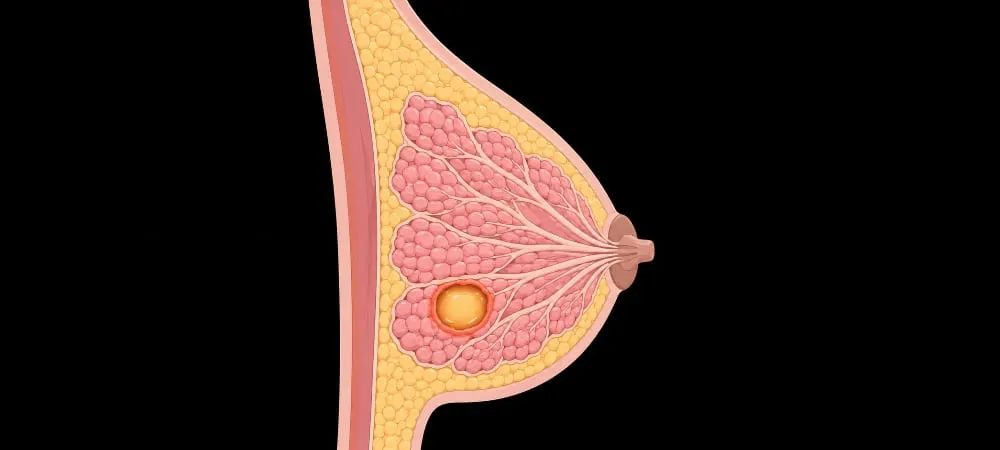
A breast abscess is a pus-filled cavity that forms in the breast tissue as a result of a bacterial infection. You can think of it like a boil elsewhere on your body, but this condition occurs deep within the breast tissue. Pus is a thick fluid consisting of dead white blood cells, bacteria, and other cellular debris.
As our body's defense mechanism deals with an infection, it creates a pocket surrounded by a thick wall. A breast abscess usually occurs due to blocked milk ducts or the progression of a bacterial infection. Mastitis (breast inflammation) that is not treated correctly can progress and lead to a breast abscess.
Who does it affect?
Approximately 70% of breast abscess cases are seen in breastfeeding women. However, this condition is not limited to breastfeeding mothers. Breast abscesses can also develop in non-breastfeeding women and, rarely, in men.
The risk is particularly higher in individuals with a weakened immune system. Additionally, smokers, diabetics, those with breast piercings, and those with skin cracks are in the risk group. Those who have previously had mastitis, have sensitive or cracked nipples, wear tight clothing that puts pressure on the breast, are excessively tired or stressed, or are malnourished are also at higher risk for a breast abscess.
Difference between lactational and non-lactational abscess
Breast abscesses are divided into two main categories: lactational (related to breastfeeding) and non-lactational (not related to breastfeeding).
Lactational breast abscess develops as a result of an infection caused by bacteria in the breast during the breastfeeding period in nursing mothers. These types of abscesses usually begin with bacteria entering the breast tissue due to cracks in the nipple or blocked milk ducts. The most common causative bacterium is Staphylococcus aureus.
Therefore, in breastfeeding mothers, breast inflammation called lactational mastitis develops first, and if this condition is not treated, an abscess may form. When an abscess forms in breastfeeding mothers, redness on the breast skin increases, the skin thins, and there may be a bluish-purplish shiny appearance in its color.
Non-lactational breast abscess is seen in non-breastfeeding women and men. The reasons for this are more varied. Chronic infections, especially chronic inflammation of the ducts around the nipple (periareolar fistula) in female smokers, pave the way for abscess formation. Other causes include diabetes, trauma or surgery, piercings, and immune system weakness.
On the other hand, inflammatory diseases that cause infection-like symptoms in the breast outside the breastfeeding period but are not caused by bacteria are also called mastitis. Idiopathic granulomatous mastitis and periductal mastitis are among such diseases.
What causes a breast abscess?
There can be many different reasons for the formation of a breast abscess. The entry and multiplication of bacteria in the breast tissue is the primary cause of a breast abscess. In particular, the bacterium called Staphylococcus aureus is the most common culprit.
Causes seen during the breastfeeding period
Breast abscess is more common in women during the breastfeeding period. There are several reasons for this:
Nipple cracks allow bacteria to enter the breast tissue. These cracks usually form during breastfeeding and open the door for infection. Bacteria from the baby's mouth can also reach the breast tissue in this way.
Blockage in the milk ducts is another important reason. If breastfeeding intervals are long or the baby does not nurse enough, milk accumulates in the breast. Accumulated milk creates a suitable environment for bacteria to multiply.
In addition, expansion and cracks occur in the breast ducts with breastfeeding after birth, which creates a predisposition to the development of infection. It is most commonly seen in the first 3 months postpartum.
Skin infections and trauma
Skin infections and trauma can also pave the way for the development of a breast abscess:
Skin infections such as acne, boils, or folliculitis can spread to the breast tissue and cause a breast abscess.
Blows to the breast can also lead to abscess formation. Damage to the breast tissue after trauma provides a suitable environment for bacterial growth.
Those who practice incorrect breast and nipple care are also at risk. Pressure caused by a tight seat belt, heavy bag, or bra on the breast also compresses the milk ducts and increases the risk of abscess.
Immune system and chronic diseases
When the body's defense mechanism weakens, the risk of infection increases:
Diabetic patients are more susceptible to infections and have a higher risk of developing a breast abscess. High blood sugar causes bacteria to multiply faster.
Individuals with a weakened immune system (such as HIV/AIDS patients, those undergoing chemotherapy) are more open to infections. This causes the body to become vulnerable to external bacteria.
Chronic diseases and stress also weaken the immune system. People who are excessively tired or stressed, or malnourished, are at higher risk for mastitis or breast abscess.
Smoking also increases the risk of breast abscess. The damage smoking causes to the milk ducts behind the nipple makes the area a suitable ground for infections.
Breast piercing and lack of hygiene
Breast piercing is a procedure that carries a risk of infection and can cause abscess formation. Piercings performed in non-sterile conditions, in particular, increase the risk of infection.
Lack of personal hygiene is among the causes of breast infection. Not washing hands before and after breastfeeding or not keeping the nipples clean increases the risk of infection.
Wearing tight and synthetic clothing, excessive sweating, and the use of tight bras during the breastfeeding period are also risk factors. These situations increase moisture in the breast tissue, creating a suitable environment for bacterial growth.
What are the symptoms of a breast abscess?
Breast abscess symptoms appear as your body tries to fight off the infection. Most of these symptoms can start suddenly and worsen in a short time.
Breast pain and tenderness
The first and most obvious symptom of a breast abscess is severe pain in the breast. The infection affects the nerve endings in the breast tissue, causing sharp or throbbing pain. This pain increases with touch and can make your daily activities difficult.
As the abscess progresses, the pain can become unbearable. Especially in breastfeeding mothers, even holding the baby can cause pain. When the abscessed area is examined by hand, a sensitive structure different from normal breast tissue is felt.
Swelling, redness, and warmth
In a breast abscess, significant swelling occurs in the infected area. This swelling is sometimes so obvious that the difference between the two breasts becomes visible.
Dilation in the vessels due to infection manifests itself as redness on the skin. When an abscess develops in the breast, the area is red and warmer than normal when touched. In some cases, the skin over the abscessed area becomes tense and gains a shine.
Fever and chills
Your body may show a rise in fever as it tries to fight off the infection. This is a sign that the immune system is activated. Your fever usually rises above 38°C and is accompanied by chills.
Along with fever, you may also experience weakness and fatigue. It is possible to confuse these symptoms with flu-like symptoms caused by an infection. Therefore, if you have pain and swelling in the breast, you should not ignore flu-like symptoms.
Swelling in lymph nodes
When the infection spreads to the lymph nodes, painful and swollen lymph nodes are felt, especially in the armpit. This indicates that the lymphatic system has become active as the body tries to fight off the infection.
Lymph node swelling is the enlargement of lymph nodes during the body's immune response, making them palpable. In breast infections, it is usually noticed in the armpit area and is often painful.
Nipple discharge
In some breast abscess cases, especially if the abscess is close to the nipple, a purulent or bloody discharge may come from the nipple. This discharge is sometimes yellow-green in color and foul-smelling.
On the other hand, a decrease in milk production or no milk coming at all can also be seen in breastfeeding mothers. This makes it difficult for the baby to nurse and increases the pain.
If you are experiencing any of these symptoms, it is important to apply to a healthcare institution without delay, as breast abscess symptoms are a serious condition. Early diagnosis and treatment are the most effective way to prevent more serious complications.
How is a breast abscess diagnosed?
It is very important to consult a doctor when you suspect a breast abscess. Early diagnosis directly affects the success of the treatment. Going to a healthcare institution from the moment you notice the symptoms in your breast is the most effective way to prevent more serious complications.
Physical examination
The first step in diagnosis is for your doctor to listen to your complaints about the breast and perform a physical examination. During this, the doctor evaluates whether there is redness, swelling, and a painful mass in the breast. They also examine the tenderness, increased warmth, and possible discharge in your breast.
During the physical examination, your doctor checks the general appearance, consistency, and tenderness of the breast tissue. A general surgery specialist evaluates the presence of an abscess by feeling the abnormalities in the breast by hand.
Ultrasound and mammography
After the physical examination, imaging methods are resorted to. When an abscess is suspected, ultrasonography is performed first. Ultrasound is very useful in determining the location and size of the pus accumulation. It is also safely used in pregnant women because it does not contain radiation.
Breast ultrasound (USG) displays the fluid accumulation and abscess capsule within the breast tissue in detail. It shows whether the abscess consists of a single large chamber or many small chambers. This information is vital in determining the treatment method.
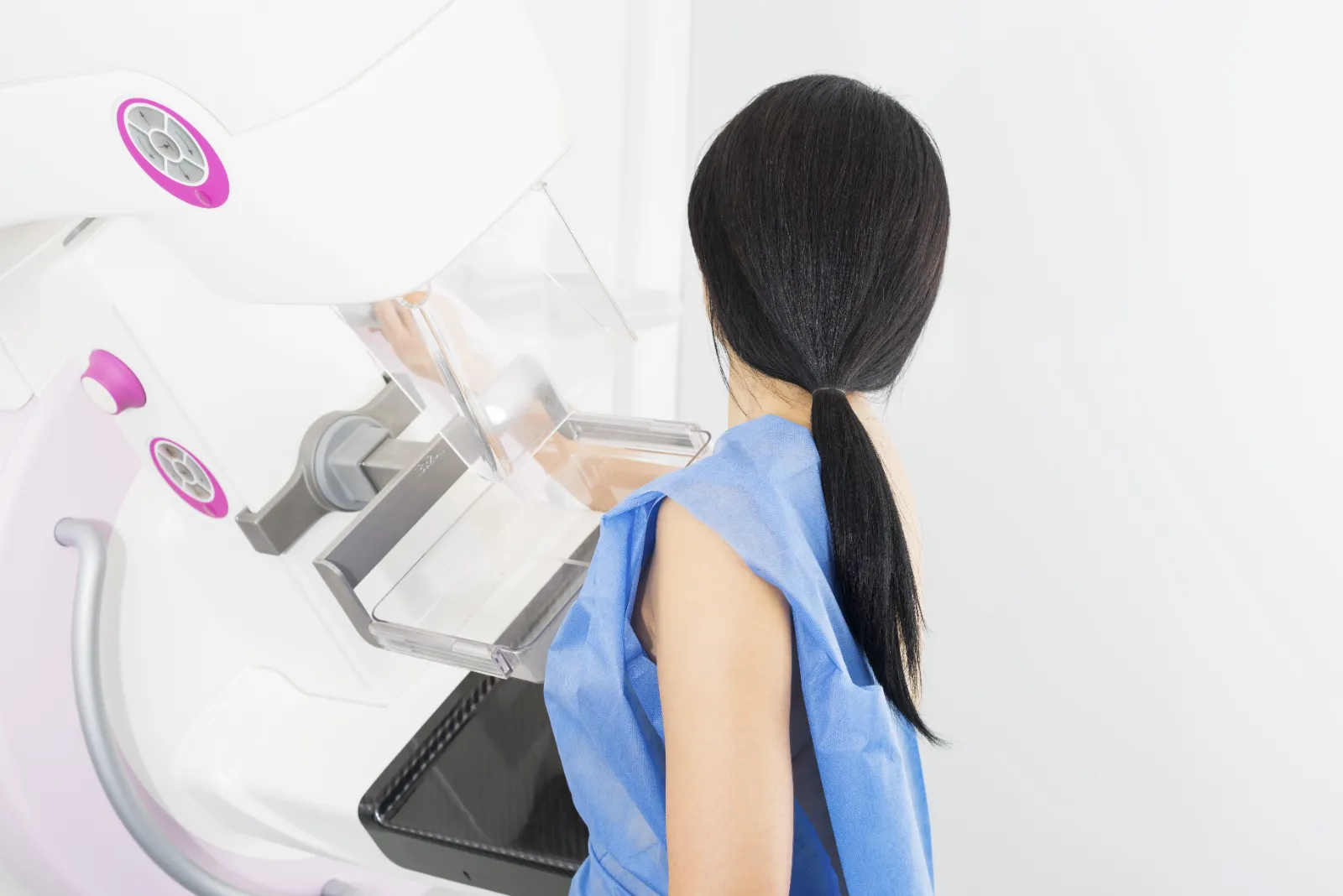
Mammography is used especially in women over 40 to distinguish between an abscess and serious diseases such as breast cancer. However, it is generally not preferred in the acute period, that is, when the breast is very painful and swollen. The reason for this is that inflamed tissue distorts the mammography image and the compression process is very painful for the patient.
In some complex cases, MRI (Magnetic Resonance Imaging) can also be performed. MRI provides detailed information about the size and spread of abscesses in deep tissues.
Needle biopsy and laboratory tests
After imaging, your doctor may take a sample from the abscess for laboratory examination. While the pus inside the abscess is drained by needle aspiration, a sample is also taken for microbiological examination.
Thanks to the culture test, the type of bacterium causing the infection is determined, and antibiotic treatment suitable for this is planned. If there is discharge, a sample can also be taken from here and examined.
In suspicious cases, especially in recurrent or non-healing abscesses, a biopsy may be required. Biopsy is important, especially in non-breastfeeding women, to rule out other diseases such as breast cancer. A tissue sample is taken with a thin needle and examined in the laboratory.
With blood tests, infection markers and complete blood count are examined to evaluate the level of infection in the body. Thanks to these tests, it is also monitored whether the treatment is effective.
Accurate diagnosis is very important for the success of the treatment. Misdiagnosis or delayed intervention can lead to the spread of the infection and serious complications. Therefore, it is vital to consult a doctor without delay in cases of suspected breast abscess.
How is a breast abscess treated?
Once a breast abscess is diagnosed, it is important to start effective treatment immediately. The goal of breast abscess treatment is to eliminate the infection and drain the pus accumulation. Your doctor may offer different treatment options depending on the size and severity of the abscess.
Antibiotic use
The first step in breast abscess treatment is usually the use of antibiotics. Antibiotics accelerate your body's healing process by killing the bacteria that cause the infection. Your doctor will usually prescribe broad-spectrum antibiotics effective against Staphylococci and Streptococci.
It is very important to use the antibiotic treatment regularly for 10-14 days. Sometimes intravenous antibiotics may be required to be effective. However, antibiotic use alone cannot provide complete healing without the abscess being completely drained.
Needle aspiration and surgical drainage
The most important step in abscess treatment is the drainage of the accumulated pus. Needle aspiration is tried first. In this procedure, the pus inside the abscess is drained with a thin needle under local anesthesia. This simple procedure both quickly reduces your pain and accelerates healing.
If there is a larger or multi-focal abscess, surgical drainage may be required. In this procedure, the doctor makes a small incision over the abscess and drains the pus completely. In some cases, a thin drain is temporarily placed to ensure continuous drainage from the abscess cavity.
After the pus is drained, a culture study is performed on the sample taken to determine the type of bacterium causing the infection. Thus, the most suitable antibiotic treatment for you can be arranged.
Painkillers and warm compress
Pain control is important during the treatment process. Using the painkillers recommended by your doctor regularly will reduce your discomfort. Drugs such as paracetamol or ibuprofen are generally preferred.
In addition, applying a warm and moist compress to your breasts several times a day can relieve pain and accelerate healing by increasing blood circulation. Resting and consuming plenty of fluids after treatment also support your body in fighting the infection.
Recommendation to continue breastfeeding
Perhaps surprisingly, it is recommended that you continue breastfeeding during breast abscess treatment. This prevents new blockages by emptying the abscessed breast and accelerates the treatment process. The infection does not pass to the baby through the milk anyway.
Breastfeeding from the abscessed breast can be painful. In such cases, you can empty your breast with a breast pump and continue breastfeeding from your other breast. Remember that when the breast is not emptied, milk accumulates in the milk ducts, which causes bacteria to multiply faster.
Regular doctor check-ups throughout the treatment process, full use of recommended medications, and attention to breast hygiene will help you prevent abscess formation in the future.
Frequently Asked Questions
Does a breast abscess go away on its own?
No. A breast abscess does not heal on its own and definitely requires medical intervention. When the inflamed tissue is not treated, the infection cannot be brought under control and can spread to wider areas. Furthermore, if left untreated, the abscess can open to the skin and form a fistula or mix into the blood, causing a life-threatening sepsis condition. Therefore, it is very important to consult a doctor without wasting time when you notice breast abscess symptoms.
Does a breast abscess recur?
Yes, a breast abscess can recur. The risk of recurrence is higher in people who smoke, have nipple cracks, or have diabetes or a chronic infection. Also, delayed treatment or inadequate treatment paves the way for recurrent breast abscesses. Properly and fully treated abscesses generally do not recur. However, when the underlying causes are not eliminated and hygiene rules are not paid attention to, the abscess can form again.
Is a breast abscess cancer?
Absolutely not. A breast abscess is a benign condition and does not turn into cancer. However, very rarely, its symptoms can be confused with inflammatory breast cancer. Inflammatory breast cancer can appear with an appearance that mimics inflammatory diseases. Therefore, in cases that do not improve despite treatment, advanced examination is required to rule out cancer. Every new breast problem should be evaluated carefully until it is proven not to be breast cancer.
Can someone with a breast abscess breastfeed?
Yes, in most cases, breastfeeding can be continued. Experts state that maintaining milk flow helps the abscess heal. However, if pus is coming from the nipple, it is recommended to take a temporary break from that breast and breastfeed from the other breast. The abscessed breast should be emptied with a breast pump, thus preventing milk accumulation and the increase of infection. While on antibiotic treatment, you can continue breastfeeding if medications that are safe for your baby are used.
How long does a breast abscess take to heal?
The healing time of a breast abscess depends on the treatment method and early intervention. With appropriate treatment, healing is usually achieved within 1-2 weeks. Improvement is seen in 5-7 days with early treatment. While healing after needle drainage takes a few days, the healing process can extend up to 10-15 days when surgical drainage is required. Regular dressing and antibiotic use are indispensable parts of the treatment process. It is very important to fully comply with your doctor's recommendations to accelerate the healing process.
In Summary: Breast Abscess
In conclusion, a breast abscess is a serious health problem and definitely does not heal on its own. It is vital to apply to a healthcare institution as soon as you notice the symptoms. You should not ignore this condition when you experience pain, swelling, redness, or fever in the breast.
Breastfeeding mothers, in particular, need to be careful. However, when you are diagnosed with a breast abscess, you can usually continue breastfeeding. In fact, this often accelerates the healing process.
You need to fully comply with your doctor's recommendations during the treatment process. Using your antibiotics regularly, paying attention to the procedures performed for abscess drainage, and resting enough will accelerate your healing process.
However, a breast abscess is a condition that can recur. Therefore, it is very important to pay attention to hygiene and reduce your risk factors. If you smoke, quitting, and if you have diabetes, controlling it well will be beneficial.
Also, remember that a breast abscess is not cancer. It is a condition that can heal completely with early and correct treatment. Therefore, if the symptoms are not ignored and early intervention is performed, healing can usually be achieved within 1-2 weeks.
It is the most correct approach to always get professional help for your health problems and not try to diagnose yourself. Especially regarding breast health, regular check-ups can save lives.
A breast abscess is the formation of a pus-filled cavity in the breast. Its symptoms are pain, swelling, and redness. Healing can be achieved with early diagnosis and appropriate treatment.
Fill Out the Form for Detailed Information and Contact!
Start with the right assessment for What is a Breast Abscess? What Are Its Symptoms?
Share your symptoms with our specialist physicians; let us determine the right diagnosis and treatment plan together.
Warning
If your symptoms started suddenly, are progressing rapidly, or significantly restrict your daily life, consult a physician without delay.
Plan your What is a Breast Abscess? What Are Its Symptoms? journey with our specialists.
Fill in the form or book an appointment to learn about treatment options, the process and preparation.