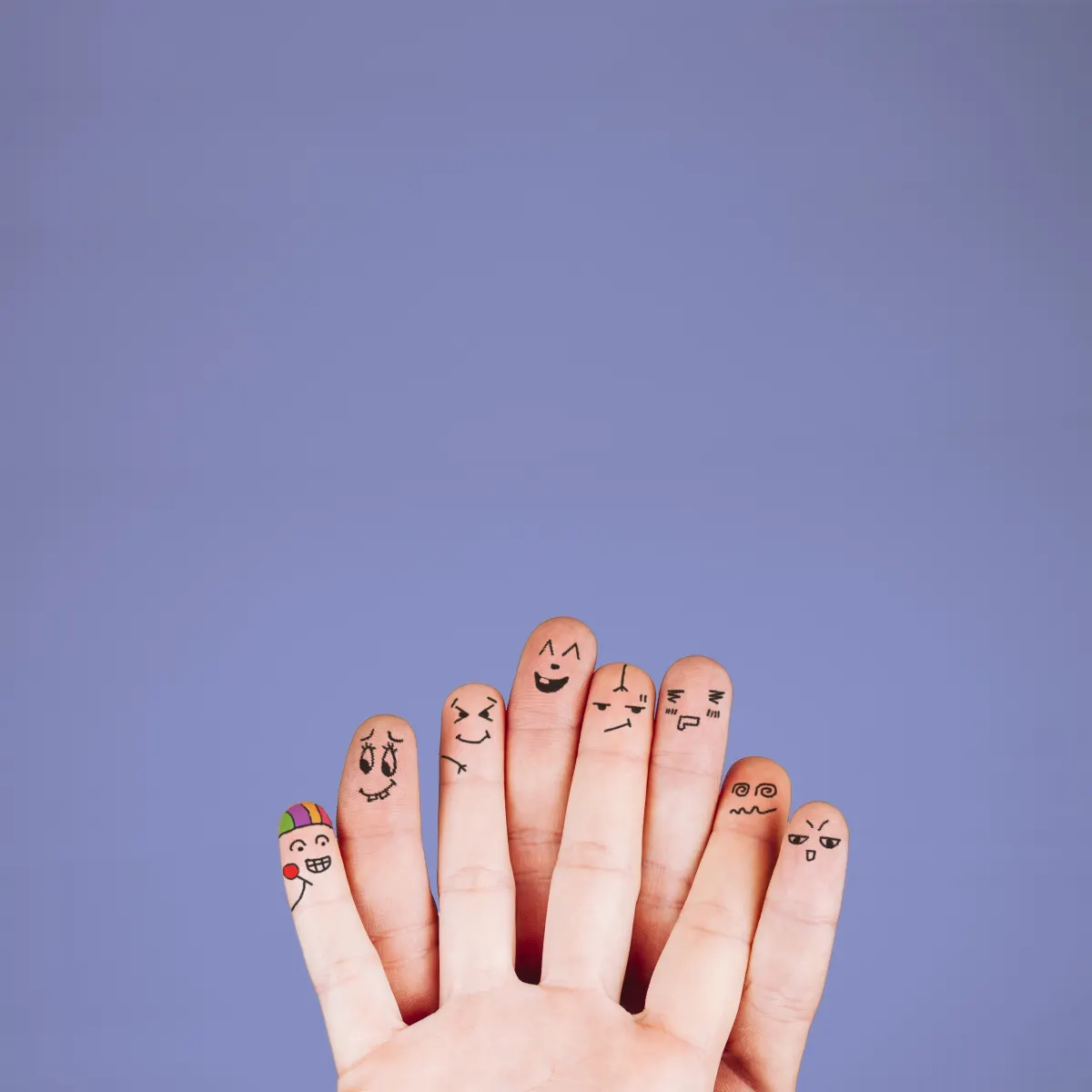
Sometimes, regardless of our mood, we wear masks to avoid reflecting what is inside us, to conceal it, and to fulfill the roles we carry in the best possible way. What matters is removing these masks when the time comes, and preventing the masks from taking over our soul…
Hisar Hospital Intercontinental Psychiatry Department has provided information on 'Masked Depression', which is seen more often in women than in men and is rooted in denial.
Experts, drawing attention to the fact that depression, which has become more common with modern life, is seen twice as often in women as in men, say: 'The main reason for this difference is that women take on more roles and social conditions. Modern life is like a crowded theater play that assigns people many roles. At home, at work, in social life, with our spouse, our children, our family, and our friends, we take on different roles on different stages. Carrying all of these out together, even when everything is going well, is complicated and difficult. When things go wrong, sustaining these roles becomes even harder. Some grumble and leave the play, while others try to keep going with the play despite everything.'
Pay Attention to the Symptoms of Depression!
The two basic symptoms of depression are a depressed mood (unhappiness, low spirits, joylessness) and the inability to take pleasure in life. These may be accompanied by changes in sleep and appetite, fatigue, weariness or restlessness. People with depression may also experience feelings of pessimism, indecisiveness, guilt and worthlessness. The finding physicians are most wary of in depression is suicidal thoughts, because roughly two-thirds of those who die by suicide were suffering from depression. The depth of these findings determines the severity of depression. Depending on severity, depression can be classified as mild, moderate or severe. In severe depression, a person's connection with reality may break down. Depression tends to recur, especially when it is not treated. Sometimes it becomes chronic, and sometimes low-grade depression may become part of a person's temperament. People who are depressed appear dejected. Their faces show a sad or tired expression. Their self-care and attention decrease. They struggle to carry out their duties and responsibilities. Depression can be recognized even from facial expression alone. Changes in a person are easily noticed in the social environment. However, among those who see being 'sick' as 'weakness', a hidden picture called masked depression is encountered.
Do Not Overlook the Differences of Masked Depression!
Masked depression is a condition in which the person denies the illness and is accompanied more by physical symptoms than by the emotional symptoms of depression. Fatigue, changes in sleep and appetite, impairments in bodily functions and vague pains are common, because when emotions are not expressed, there is a tendency toward somatization. The perception of illness varies from person to person. Those who have taken on the role of being 'strong' throughout their lives, who have helped others more than they have sought help, may perceive the illness as 'weakness', 'helplessness', 'inadequacy' or 'frailty'. Because of the obligation to be strong and cheerful, even when they are depressed, they want to keep up appearances and not disrupt the image they have created in their surroundings. Their goal is to endure life's difficulties and remain standing. They deny that they are depressed. For this reason, they apply to other departments with physical complaints. They refuse to see a psychiatrist or dismiss the idea. If they happen to receive psychological help, their relatives are astonished. Yet all of us have strong and weak sides, and all of us may need help from time to time. Sometimes, trying to be 'strong' and trying to appear that way can lead us to neglect ourselves and prevent us from getting help. Facing our weak sides and being able to accept help is a sign of psychological maturity. In treatment, when our patients accept these aspects, rid themselves of the burdens under which they were crushed, and begin to determine their roles themselves, they start to recover. Being 'all-strong' is, just like being masked, an illusion. Weak sides bring people closer together; beyond that, as a person makes peace with their own weak sides, they draw closer to themselves.
Start with the right assessment for Your Masks Should Not Overshadow Your Soul!
Share your symptoms with our specialist physicians; let us determine the right diagnosis and treatment plan together.
Warning
If your symptoms started suddenly, are progressing rapidly, or significantly restrict your daily life, consult a physician without delay.
Plan your Your Masks Should Not Overshadow Your Soul! journey with our specialists.
Fill in the form or book an appointment to learn about treatment options, the process and preparation.