Lesions occurring in the human body are one of the important health problems frequently encountered in daily life, which can arise from many different causes. These abnormal changes that form in tissues or organs can range from a simple bruise to serious diseases. For this reason, early diagnosis and proper treatment of lesions are of great importance for human health. Being informed about lesions and taking the necessary precautions helps to prevent possible health problems.
What Is a Lesion?
In medical literature, a lesion refers to structural and functional changes occurring in any tissue or organ. These changes differ from the normal anatomical structure of the body and arise as a result of various disease processes. Lesions may vary in size, shape and characteristics. Some lesions can be seen with the naked eye, while others can only be detected by advanced imaging methods. These changes, which can be seen in different regions of the body such as skin lesions, brain lesions and bone lesions, may sometimes be temporary and sometimes permanent.
How Do Lesions Develop?
Lesions can be caused by a variety of factors, from external factors such as physical injury to internal processes such as infections or chronic diseases. One of the most common causes of lesion formation is trauma that damages the structure of the tissue. Other possible causes can be listed as follows:
Infections: Bacterial, viral or fungal infections can lead to lesions on the skin or inside the body. This is seen in conditions such as chickenpox, syphilis or fungal infections.
Inflammatory conditions: Autoimmune diseases such as lupus and psoriasis can cause lesions when the immune system attacks healthy tissues.
Chronic diseases: Conditions such as diabetes can contribute to lesion formation by leading to ulcers on the skin and poor wound healing.
Cancer: Malignant tumors are lesions that grow uncontrollably and invade surrounding tissues.
Allergies and reactions: Allergic reactions to medications, foods or environmental triggers can cause lesions such as hives or blisters.
In addition, genetic factors, metabolic disorders and tumors can also play a role in lesion formation. Furthermore, environmental factors, radiation exposure and the use of certain medications can also contribute to lesion development.
What Are the Symptoms of a Lesion?
Lesion symptoms can vary greatly depending on their location, type and underlying cause. Superficial lesions seen on the skin may show visible signs, while internal lesions may produce less clear or delayed symptoms. Common symptoms associated with lesions are as follows:
Skin changes: Redness, color change, itching, burning, or blisters or wounds that may cause pain.
Swelling: Lesions can lead to local swelling, especially if there is infection or inflammation.
Pain: Pain depends on the location and severity of the lesion. For example, lesions affecting nerves or bones are generally more painful.
Functional impairment: Lesions in organs can cause functional problems such as difficulty breathing (lung lesions) or digestive problems (intestinal lesions).
Bleeding or discharge: Some lesions may ulcerate or open; they may cause oozing, pus or bleeding.
Neurological symptoms: If there are lesions in the brain, headache, dizziness, seizures or cognitive disorders may occur.
How Is a Lesion Diagnosed?
Diagnosis of a lesion requires a comprehensive medical evaluation that includes a combination of visual examination, patient history and diagnostic tests. The diagnostic approach depends on the type and location of the lesion. The following methods may be used to diagnose a lesion:
Physical examination: Superficial lesions are usually examined visually and by touch. Dermatoscopes allow detailed analysis of the skin.
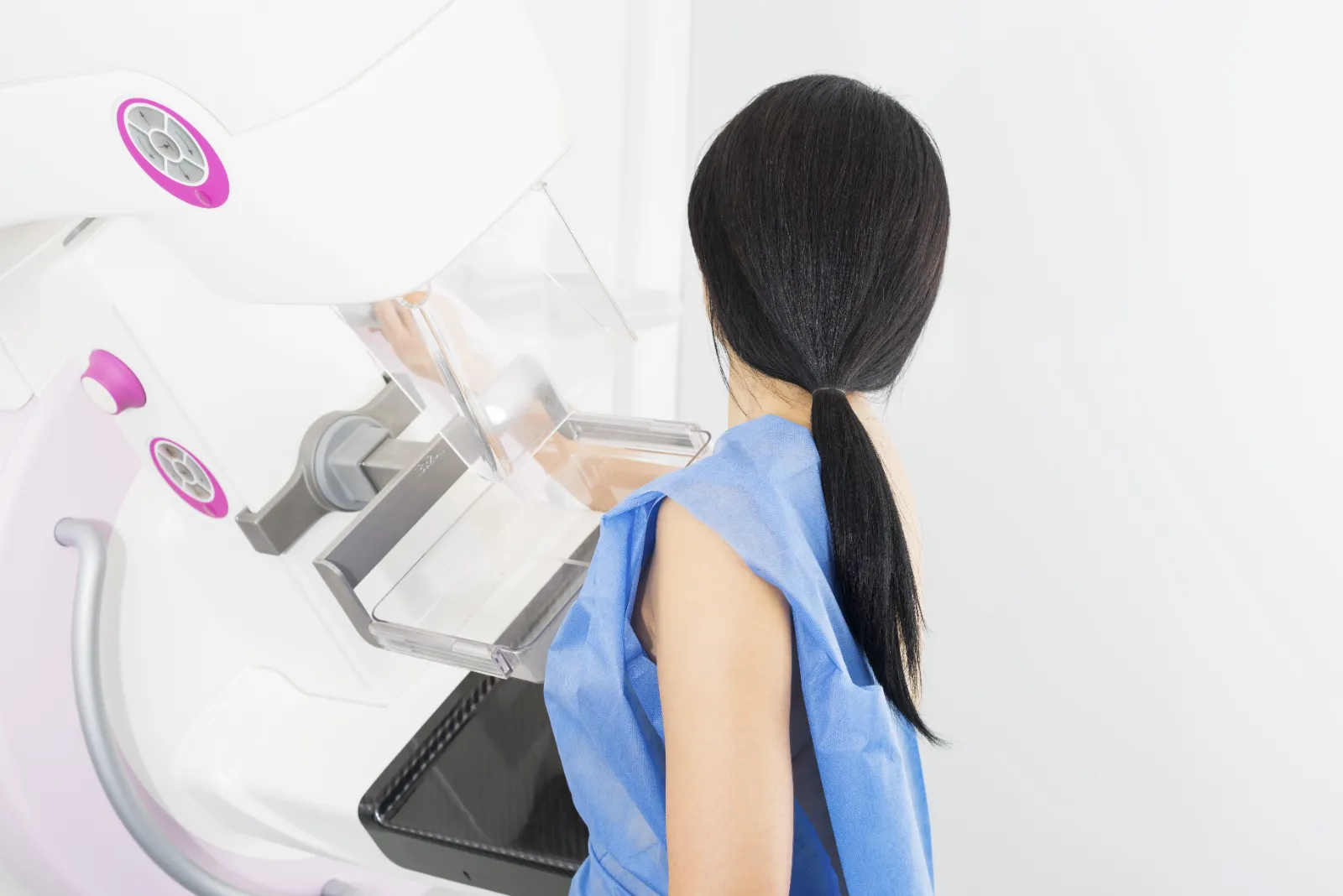
Imaging techniques: Internal lesions are examined using imaging tools such as X-ray, CT scan, MRI or ultrasound to determine their size, location and effects on surrounding structures.
Biopsy: A biopsy is performed if the lesion is suspected to be malignant or if a more detailed analysis is required. A tissue sample is taken and sent for pathological examination.
Blood tests: Blood tests can help identify infections or inflammation. They may also show markers that indicate cancer or autoimmune diseases.
Endoscopic procedures: For internal lesions in the stomach or intestines, tissue can be examined visually using endoscopy and samples can be taken when necessary.
How Is a Lesion Treated?
Treatment of a lesion depends on its cause, location and severity. Treatments can range from simple, non-invasive measures to more complex medical or surgical interventions. Treatment methods can be listed as follows:
Topical treatments: For skin lesions, creams containing antibiotics, antifungals or corticosteroids are used to reduce symptoms and promote healing.
Medications: For lesions caused by infection, antibiotics for bacterial infections or antiviral drugs for viral causes are prescribed. In inflammatory conditions, immunosuppressants or other anti-inflammatory drugs may be required.
Surgical intervention: Benign but bothersome lesions or those causing aesthetic concern can be surgically removed. For cancerous lesions, more extensive surgical procedures may be required to ensure complete removal.
Laser treatment: This method is effective for skin lesions and some internal lesions. Laser treatment precisely eliminates or reduces lesions.
Radiation and chemotherapy: When lesions are malignant and related to cancer, they are used to target cancer cells and prevent their growth.
Lifestyle changes and management: For lesions caused by chronic conditions such as diabetes or autoimmune diseases, managing the underlying disease is vital for preventing the formation of future lesions. This includes lifestyle changes, adherence to drug therapy and regular medical check-ups.
Frequently Asked Questions
A lesion refers to abnormal changes occurring in tissues or organs. Cysts, on the other hand, resemble fluid-filled sacs. Cysts, which are considered a subtype of lesions, can develop for various reasons. However, not all lesions are cysts. The term lesion has a broader meaning and covers changes that arise as a result of various pathological processes. Not all lesions carry a risk of becoming cancer. However, some lesions may be seen as precancerous lesions. For example, some skin lesions may create a suitable ground for the development of skin cancer. Nevertheless, most lesions may heal on their own or do not lead to other health problems. Early detection and appropriate treatment reduce the risk of becoming cancer. The progression of lesions depends on the severity of the underlying health problem. Some lesions may grow over time and show changes in shape and appearance. Progression can lead to functional impairment, pain, infection or even life-threatening complications. For this reason, regular monitoring and appropriate treatment of lesions are extremely important. In some cases, surgical intervention may be necessary for lesion treatment. Surgery may be considered especially for lesions that are large, cause functional impairment or show malignant changes. However, most lesions can be treated with drug therapy, physical therapy or less invasive methods. The most suitable treatment method is determined in line with the doctor's recommendation. The concepts of lesion and tumor may be confused, but there are important differences between them. A lesion refers to any abnormal change in tissues or organs. A tumor, on the other hand, describes mass-like structures formed as a result of uncontrolled cell proliferation. Tumors can be benign or malignant. The concept of lesion is broader, and tumors are a subgroup of lesions. A lesion may refer to a mass-like structure, but not every mass is a lesion. A mass is an abnormal structure of noticeable size that occupies space within tissue. Lesions, on the other hand, are any type of abnormal change in tissues or organs. Some lesions can exist without forming a mass. For example, signs such as color changes, damage and ulcerations also fall within the scope of lesions.
We have compiled above the answers to the questions you may have about lesions. However, it should be kept in mind that each individual's health condition is different and the evaluation of lesions must be carried out by a specialist physician. If you notice a suspicious lesion or would like more detailed information, you can contact us.
If you would like to consult our expert doctors and receive an evaluation specific to your personal health condition, you can easily apply through our online appointment page.
You can also visit our Dermatology and Oncology departments to access up-to-date information on the causes, diagnosis and treatment of lesions.
Start with the right assessment for What Is a Lesion? Symptoms, Causes and Treatment Methods
Share your symptoms with our specialist physicians; let us determine the right diagnosis and treatment plan together.
Warning
If your symptoms started suddenly, are progressing rapidly, or significantly restrict your daily life, consult a physician without delay.
Plan your What Is a Lesion? Symptoms, Causes and Treatment Methods journey with our specialists.
Fill in the form or book an appointment to learn about treatment options, the process and preparation.