We are going through the period when cold weather traps our feet inside thick shoes. If you are also having an ingrown nail problem, it is worth reading this article.
What is an ingrown nail and what causes it?
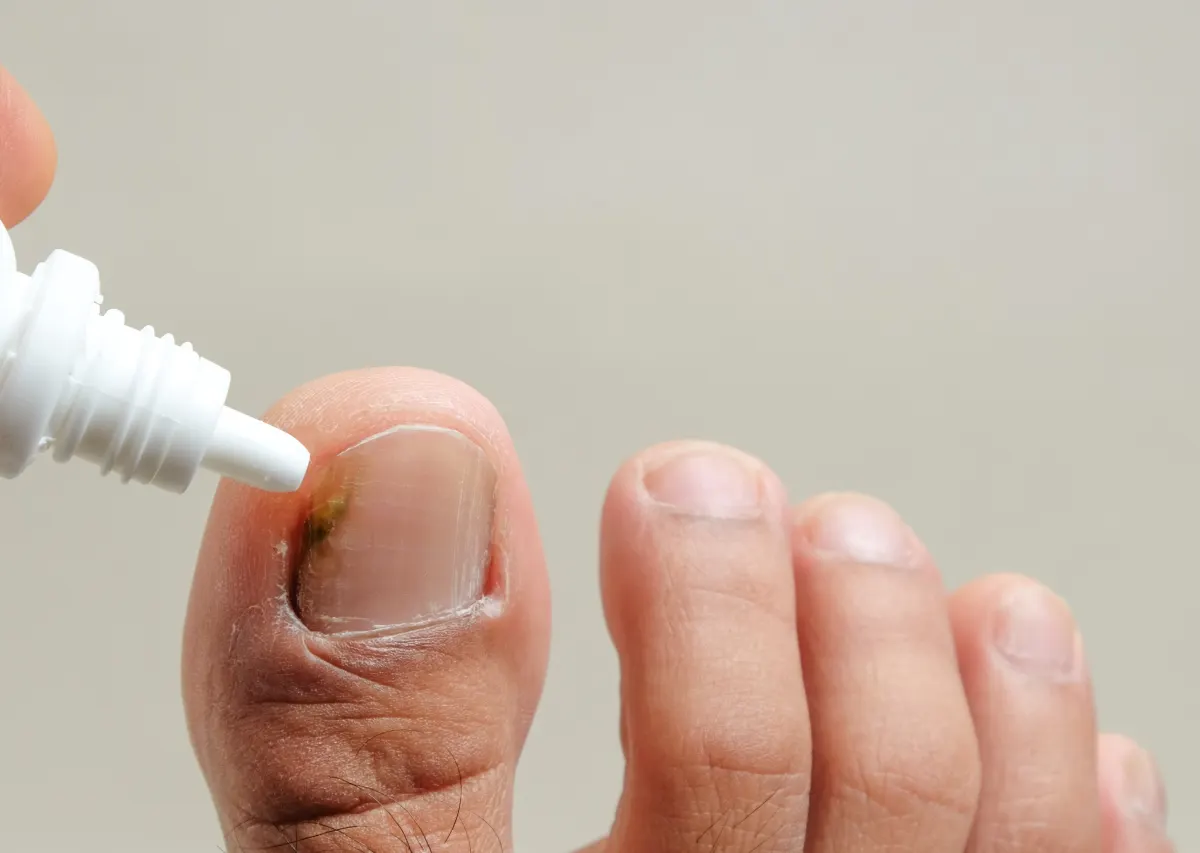
Ingrown nail, which is seen more often in adolescence and young adults, is an infection and chronic wound that occurs when the hard nail compresses and irritates the soft tissue. It is seen on the feet and on the big toe. Redness, swelling and severe pain may occur in the toe. Because of these complaints, shoes cannot be worn. In addition, discharge and odor that soil the sock may occur. It occurs due to reasons such as wearing tight shoes that compress the toes, incorrect nail cutting (cutting too short and not filing), irritation caused by trauma, the nail remaining deeply embedded due to body weight, and familial predisposition.
Are all these complaints signs of an ingrown nail? Can they be confused with other nail problems?
Sometimes nail fungus, inflammation of the tissue around the nail, and nail abnormalities such as doming, or elongation and thickening of the nail, may also be mistaken for an ingrown nail. The treatment of these conditions is not surgical.
How is an ingrown nail treated?
In terms of treatment, we divide ingrown nails into two groups. The first is mild cases where the ingrown nail has just developed and no procedure is yet needed; the second is chronic cases that have persisted for several weeks and do not heal. Not every ingrown nail requires a surgical procedure. In mild cases, it may be appropriate to place a piece of cotton under the ingrown part of the nail and change it daily. In this way, a cushion is created between the nail and the skin, allowing the nail to grow without cutting into the flesh. When the nail grows, it is cut straight, not curved. It is necessary to wear wide or open-toed shoes that do not compress the toe. If there is an infection due to the ingrown nail at this time, antibiotics can be used orally or as an ointment. In advanced cases, a surgical procedure, namely removal of the abnormal tissue and partial curettage of the nail root, will be an appropriate procedure. After the procedure, to prevent ingrowing from recurring at the same site, the ingrown side of the nail root is destroyed. This procedure can be performed surgically, as well as chemically with phenol or silver nitrate. Sometimes patients try to correct this condition themselves by cutting the edges of their nails. This usually causes exactly the opposite, more ingrowing. If a non-healing swollen tissue has formed, removing the nail edge by pedicure also does not heal the ingrown nail and is not a permanent solution.
Is nail removal a difficult and painful procedure?
For the procedure, the nail bed is numbed so there is no pain during removal. After the procedure, painkillers are used. On the day of the procedure, taking a painkiller, resting, elevating the feet above heart level and, at times, applying cold over the dressing is beneficial. If the ingrown nail is inflamed and the person has a condition affecting the immune system, such as diabetes, antibiotics are used. Wearing shoes that do not compress the toe after the procedure prevents pain. If bleeding seeps through the dressing or severe pain occurs, it is advisable to see your physician again. If no improvement occurs after the wound has healed, a consultation with orthopedic and dermatology physicians is arranged to investigate whether there is an additional disease. For the first 1-2 days, you can walk without putting weight on the toe. Afterwards, open-toed shoes that do not compress the toe can be worn. For 2-3 days, the wound should not be wetted; if it gets wet, the dressing must be changed immediately. If there is no problem at the check-up one week after the procedure, normal shoes can be worn and you can return to work. If it is possible to keep your foot elevated and wear slippers at work, you may return even earlier. The wound heals in about a week. However, it may take 3-4 months for the nail to grow long enough to be cut again. During this time, there is no obstacle to using the foot. Since no new nail will grow from the area where partial nail matrix excision was performed, the regrowing nail will be somewhat narrower than expected.
Does the removed nail grow back ingrown?
In cases where abnormal, non-healing tissue has been removed, recurrence of ingrowing is not expected. Recurrence of an ingrown nail is expected only when the nail is removed without removing the inflamed and abnormal tissue.
How can we protect ourselves from ingrown nails?
The nail should be cut properly (straight cut and filed). Tight or very wide shoes should not be worn. If there is a problem with foot loading while standing, it should be corrected. If there is nail fungus, it should be treated.
Start with the right assessment for Small in Size, Big in Trouble: Ingrown Nail…
Share your symptoms with our specialist physicians; let us determine the right diagnosis and treatment plan together.
Warning
If your symptoms started suddenly, are progressing rapidly, or significantly restrict your daily life, consult a physician without delay.
Plan your Small in Size, Big in Trouble: Ingrown Nail… journey with our specialists.
Fill in the form or book an appointment to learn about treatment options, the process and preparation.