Hypoglycemia (Low Blood Sugar)
Glucose is a vital energy source for the human body and is used as the primary fuel in various physiological processes. Glucose obtained from carbohydrates in food is absorbed into the bloodstream after digestion and transported to cells for energy production. Proper regulation of glucose is essential for maintaining health. However, low glucose levels, known as hypoglycemia, can negatively affect health and lead to various diseases. This condition requires timely intervention to restore body balance and prevent adverse outcomes.
What is Hypoglycemia?
Hypoglycemia is known as low blood sugar and is a condition where the glucose concentration in the blood falls below normal levels. It is divided into reactive and non-reactive hypoglycemia. Reactive hypoglycemia, also known as postprandial hypoglycemia, usually occurs within a few hours after carbohydrate-rich meals. This condition causes blood sugar levels to drop rapidly due to an excessive insulin response.
On the other hand, non-reactive hypoglycemia can occur at any time or day, regardless of food intake.
When glucose levels drop, physical and mental health can be disrupted. For those managing diabetes, hypoglycemia is a constant source of concern. Insulin, the hormone responsible for regulating blood sugar, can sometimes lower glucose levels too much, especially if meals are delayed or skipped. However, hypoglycemia is not limited to diabetes; it can affect anyone, regardless of their health status.
What Are the Symptoms of Hypoglycemia?
Recognizing the symptoms that develop due to low blood sugar levels in a timely manner is vital for prompt intervention and preventing potentially dangerous situations. Symptoms of low blood sugar include:
Sweating: Sudden and unexplained sweating, especially if it is clammy or cold, can be a sign of hypoglycemia.
Shaking or Trembling: Feeling shaky or trembling in your hands, arms, or legs is another common symptom of hypoglycemia.
Hunger: An intense feeling of hunger, even if you have eaten recently, may mean that your blood sugar level has dropped too low.
Rapid Heartbeat: A sudden increase in heart rate or heart palpitations may occur as your body tries to compensate for low blood sugar levels.
Confusion or Difficulty Focusing: Hypoglycemia can affect the brain, causing you to experience confusion, difficulty focusing, or a feeling of mental fog.
Irritability or Mood Swings: Low blood sugar can also affect your mood; it can cause irritability, mood swings, or anxiety.
Weakness or Fatigue: Feeling unusually weak or tired, even if you have slept or rested enough, can be a sign of hypoglycemia.
Blurred Vision: Hypoglycemia can temporarily affect your vision, causing blurred vision or difficulty focusing.
Headache: Some people experience headaches or migraines as a symptom of hypoglycemia. These headaches can range from mild to moderate and may worsen as blood sugar continues to drop.
Seizures or Loss of Consciousness: In severe cases of hypoglycemia, seizures or loss of consciousness may occur. This is an emergency and requires immediate treatment.
How is Hypoglycemia Diagnosed?
Diagnosing hypoglycemia involves a combination of recognizing symptoms, performing blood sugar tests, and evaluating medical history.
Recognition of Clinical Symptoms: The first step in diagnosing hypoglycemia is recognizing its clinical symptoms. Symptoms can vary depending on the severity of low blood sugar levels but generally include sweating, trembling, confusion, hunger, and a rapid heartbeat.
Evaluation of Medical History: A comprehensive review of medical history is important in diagnosing hypoglycemia. The review includes evaluating factors such as a diabetes diagnosis, current medications (including insulin or oral hypoglycemic agents), recent dietary changes, exercise habits, and previous episodes of low blood sugar. Understanding the context regarding blood sugar fluctuations helps healthcare providers tailor treatment plans and preventive measures effectively.
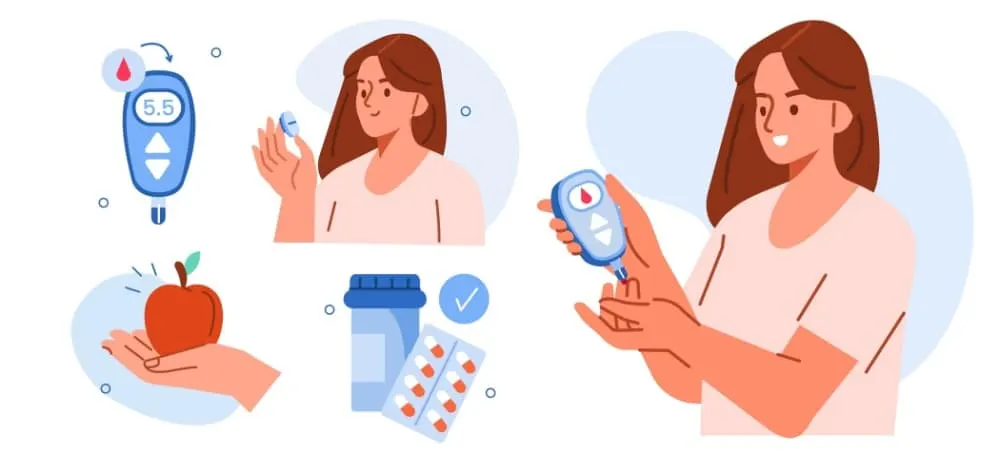
Blood Sugar Test: Measuring blood glucose levels is of great importance in confirming hypoglycemia. A blood glucose test is performed by taking a small blood sample with a finger-prick device and provides an instant snapshot of the individual's current blood sugar level. Results below 70 milligrams/deciliter (mg/dL) are generally considered indicative of hypoglycemia, although specific threshold values may vary depending on individual circumstances and clinical guidelines.
Continuous Glucose Monitoring (CGM): For individuals with diabetes, continuous glucose monitoring provides valuable information about blood sugar trends over time. CGM devices continuously monitor glucose levels via a sensor placed under the skin. They provide real-time data and alerts for high and low blood sugar levels. CGM can be particularly useful in identifying hypoglycemic episodes that may occur at night or between meals.
Ruling Out Other Conditions: In some cases, symptoms resembling hypoglycemia may be caused by conditions other than low blood sugar. Therefore, healthcare professionals may perform additional tests to rule out alternative diagnoses such as thyroid disorders, adrenal insufficiency, or side effects of certain medications. The distinction between hypoglycemia and other potential causes ensures an accurate diagnosis and appropriate management.
How is Hypoglycemia Treated?
Strategies applied for the treatment of low blood sugar include:
Fast-Acting Carbohydrates: The foundation of hypoglycemia treatment is the consumption of rapidly absorbed carbohydrates to quickly raise blood sugar levels. Options include glucose tablets, fruit juice, regular sodas, or any sugary snack containing fast-acting carbohydrates.
Glucose Gel or Liquid: For individuals experiencing severe hypoglycemia or those who have difficulty swallowing, glucose gel or liquid is a suitable alternative. These products provide a dose of rapidly absorbed glucose and allow for quick relief of symptoms by being absorbed through the mucous membranes in the mouth.
Glucagon Injection: In severe cases of hypoglycemia where the individual cannot consume carbohydrates orally or is unconscious, an emergency glucagon injection may be required. Glucagon stimulates the liver to rapidly release stored glucose into the bloodstream and quickly raises blood sugar.
Adjusting Insulin or Medication Doses: For individuals with diabetes, hypoglycemia may require adjustments to insulin or medication doses.
Regular Meals or Snacks: After consuming fast-acting carbohydrates, it is important to have a balanced meal or snack containing protein, fiber, and healthy fats to stabilize blood sugar.
Continuous Glucose Monitoring (CGM): Continuous glucose monitoring helps manage hypoglycemia by providing real-time information about blood sugar trends over time. CGM alerts can allow for timely intervention before blood sugar levels drop critically.
What is the Process After Hypoglycemia Treatment?
When entering the process after hypoglycemia treatment, it is first important to understand how the hypoglycemia was treated. The primary goal of treatment is to quickly raise blood sugar to alleviate symptoms and prevent complications. After hypoglycemia is treated and blood sugar levels return to normal, it is important to monitor closely for recurrence or signs of complications. Follow-up includes checking blood sugar levels regularly to ensure that blood sugar remains stable after treatment. Depending on needs and preferences, a blood glucose meter or a continuous glucose monitoring device can be used. It is important to drink plenty of water during this process, as dehydration can worsen symptoms and affect blood sugar levels.
After experiencing hypoglycemia, it is important to identify potential triggers and underlying causes to prevent future incidents. Common triggers may include skipping meals, excessive physical activity, errors in insulin or medication dosage, or alcohol consumption. Lifestyle changes can help reduce the risk of hypoglycemia and promote overall health.
Frequently Asked Questions
Hypoglycemia patients should avoid sugary foods and foods with a high glycemic index, which can cause rapid spikes and subsequent drops in blood sugar levels. They should also limit their intake of refined carbohydrates and alcohol, which can contribute to unstable blood sugar levels. Symptoms of nocturnal hypoglycemia include night sweats, nightmares, confusion upon waking, morning headaches, and fatigue. Some people may experience restless sleep or difficulty falling asleep. Consuming fast-acting carbohydrates for hypoglycemia attacks is vital for quickly raising blood sugar levels. Options include glucose tablets, fruit juice, soda, or candies. Hypoglycemia does not directly cause weight gain. However, individuals may overeat to prevent future attacks, which can lead to weight gain. Hypoglycemia is diagnosed using various tests such as a fasting plasma glucose test, an oral glucose tolerance test, or continuous glucose monitoring. If left untreated, hypoglycemia can lead to seizures, loss of consciousness, coma, and even death. Untreated hypoglycemia can cause neurological damage by depriving the brain of glucose. Both hypoglycemia and hyperglycemia carry significant health risks. Both conditions require timely management to reduce risks. Hyperglycemia, characterized by high blood sugar levels, can lead to long-term complications such as heart disease, kidney damage, and nerve damage if left untreated. Both are conditions that require attention, but hypoglycemia can pose a more immediate life-threatening danger.
Hypoglycemia is a condition that can lead to serious health problems if not recognized early. If you are experiencing recurring low blood sugar, or if you feel symptoms such as sudden sweating, trembling, weakness, or confusion, you should definitely consult a specialist.
Our internal medicine specialists, with our advanced laboratory and continuous glucose monitoring facilities, accurately identify the cause of hypoglycemia and create a treatment and follow-up plan tailored to you.
You can make an appointment with the Internal Medicine department for reliable diagnosis and treatment without risking your health.
Start with the right assessment for What is Hypoglycemia (Low Blood Sugar)? Symptoms, Diagnosis, and Treatment
Share your symptoms with our specialist physicians; let us determine the right diagnosis and treatment plan together.
Warning
If your symptoms started suddenly, are progressing rapidly, or significantly restrict your daily life, consult a physician without delay.
Plan your What is Hypoglycemia (Low Blood Sugar)? Symptoms, Diagnosis, and Treatment journey with our specialists.
Fill in the form or book an appointment to learn about treatment options, the process and preparation.