What is Hyperlipidemia (High Cholesterol)? What Are the Symptoms?
Due to the frequent consumption of harmful fast-food style foods and the prevalence of a sedentary lifestyle, individuals may face hyperlipidemia. Posing a major danger to people, hyperlipidemia can lead to more serious problems such as heart attacks if not brought under control. Therefore, hyperlipidemia must be treated in the presence of risk factors.
What is Hyperlipidemia (High Cholesterol)?
Hyperlipidemia is a condition characterized by lipids found in the blood rising to higher levels than normal. These lipids include cholesterol and triglycerides. These are important for various body functions, but when they rise excessively in the blood, they can pose a health risk.
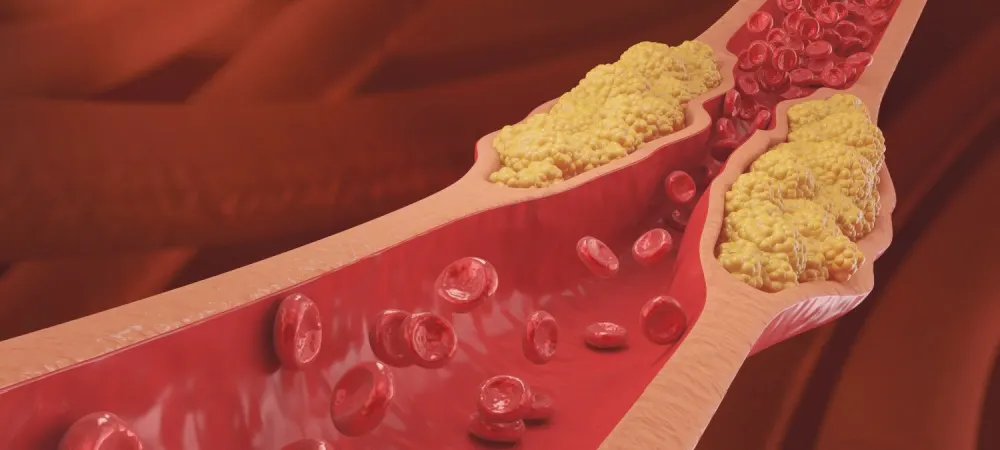
Cholesterol is a fat found in every cell of the body, important for the production of hormones, vitamin D, and bile acids that facilitate digestion. High blood cholesterol can lead to the accumulation of cholesterol in the artery walls and a resulting condition called atherosclerosis. This plaque accumulation can narrow and harden the arteries. This can restrict blood flow to vital organs such as the heart and brain. Triglycerides are another type of lipid found in the blood, primarily obtained from dietary fats. High triglyceride levels have been associated with obesity, insulin resistance, and metabolic syndrome. In an individual, ideal total cholesterol levels should be below 200 milligrams per deciliter (mg/dL), LDL cholesterol below 100 mg/dL, and triglyceride levels below 150 mg/dL.
Hyperlipidemia can be classified based on the elevation of specific lipids:
Hypercholesterolemia: High levels of LDL (low-density lipoprotein) cholesterol increase the risk of atherosclerosis and cardiovascular disease.
Hypertriglyceridemia: Elevated triglyceride levels in the blood, especially when combined with low HDL cholesterol levels, increase the risk of heart disease.
Mixed hyperlipidemia: Both LDL cholesterol and triglycerides reach high levels and increase the risk of cardiovascular complications.
What Are the Symptoms of Hyperlipidemia?
The symptoms of hyperlipidemia can vary from person to person and may not be apparent in some cases. Understanding the symptoms and signs of hyperlipidemia enables early diagnosis and intervention to prevent long-term health risks:
Xanthoma: Xanthomas are yellowish, fatty deposits that accumulate under the skin. They are typically seen in areas such as the elbows, knees, and hands. These deposits can vary in size, and can be flat or raised.
Xanthelasma: Xanthelasmas are yellowish patches or plaques that develop on the eyelids. These lesions are generally soft and painless but can cause cosmetic concerns.
Corneal Arcus: Also known as arcus senilis, this condition is a gray-white ring that forms at the edge of the cornea. Although common in older individuals, early or prominent arcus senilis may indicate hyperlipidemia.
Pancreatitis: In some cases, hyperlipidemia can lead to inflammation of the pancreas. Symptoms of pancreatitis include severe abdominal pain, nausea, vomiting, and fever. Acute pancreatitis can be serious and requires urgent medical attention.
Abdominal Pain and Discomfort: High triglyceride levels can cause abdominal pain, bloating, and discomfort. In severe cases, acute pancreatitis attacks can occur due to triglyceride-induced pancreatic inflammation.
Fatigue and Weakness: Chronic hyperlipidemia can contribute to a condition called atherosclerosis. This condition causes fat accumulation (plaque) in the arteries. Reduced blood flow to vital organs and tissues can cause fatigue, weakness, and a decrease in exercise tolerance.
Chest Pain: Atherosclerosis resulting from hyperlipidemia causes narrowing of the coronary arteries, reducing blood flow to the heart muscle. This condition can manifest as angina, especially during periods of physical activity or stress.
Transient Ischemic Attacks (TIA) or Stroke: Severe hyperlipidemia can increase the risk of clot formation that blocks blood flow in the brain. Symptoms of TIA or stroke may include sudden weakness or numbness on one side of the body, speech impairment, vision changes, and walking difficulties.
Peripheral Artery Disease (PAD): Atherosclerosis can also affect the arteries in the limbs, which can lead to peripheral artery disease (PAD). Symptoms of PAD may include leg pain, cramps, numbness, or weakness.
Gallstones: High cholesterol levels in the bile can increase the risk of gallstone formation. Gallstones can cause symptoms such as abdominal pain, nausea, vomiting, and jaundice.
How Does Hyperlipidemia Occur?
Understanding how hyperlipidemia occurs is vital for effective prevention and management strategies. Hyperlipidemia can occur in the following ways:
Genetic Predisposition: Genetic factors play a significant role in predisposing individuals to hyperlipidemia. Familial hyperlipidemias are inherited disorders characterized by mutations occurring in genes in lipid metabolism. Genetic mutations can lead to impaired clearance of cholesterol and triglycerides from the bloodstream, resulting in high lipid levels.
Dietary Habits: Dietary habits play a significant role in the development of hyperlipidemia. The consumption of foods containing saturated fats, trans fats, and cholesterol can contribute to increased lipid levels in the blood.
Lifestyle Factors: Sedentary lifestyle, obesity, and insufficient physical activity are closely associated with hyperlipidemia. Physical inactivity leads to a decrease in HDL, known as high-density lipoprotein "good" cholesterol, which plays an important role in removing excess cholesterol from the bloodstream. Obesity, especially abdominal obesity, can further worsen insulin resistance and lipid abnormalities.
Underlying Medical Conditions: Certain medical conditions can predispose individuals to hyperlipidemia. Conditions such as diabetes, hypothyroidism, and chronic kidney disease can disrupt lipid metabolism and lead to hyperlipidemia.
How is Hyperlipidemia Diagnosed?
Timely diagnosis is crucial for the effective management of hyperlipidemia and the prevention of associated complications. Strategies applied for the diagnosis of hyperlipidemia:
Clinical Evaluation: The diagnostic process begins with a comprehensive clinical evaluation by a healthcare professional. This includes evaluating the patient's medical history, habits, family history of cardiovascular diseases, lifestyle factors (such as diet and physical activity), and current medical conditions or medications that may affect lipid levels.
Cholesterol Testing: The cornerstone of hyperlipidemia diagnosis is a cholesterol blood test, also known as a lipid profile test or lipid panel. This test measures various lipid parameters such as total cholesterol, low-density lipoprotein (LDL) cholesterol, high-density lipoprotein (HDL) cholesterol, and triglycerides.
Interpretation of Lipid Levels: Total cholesterol levels are interpreted together with other lipid fractions. High LDL cholesterol levels are the primary concern because they contribute to the development of atherosclerosis and cardiovascular disease. Triglyceride levels are also evaluated, and high levels are associated with increased cardiovascular risk when accompanied by other lipid abnormalities.
How is Hyperlipidemia Treated?
Cholesterol disease can generally be effectively managed through lifestyle changes, medications, and regular monitoring. Treatment methods include:
Healthy Diet: A diet rich in fruits, vegetables, whole grains, lean proteins, and healthy fats can help lower cholesterol levels. While dieting, it is important to limit saturated fats, trans fats, cholesterol, and refined sugars.
Regular Exercise: Regular physical activities such as brisk walking, running, swimming, or cycling can improve lipid profiles and overall cardiovascular health. At least 150 minutes of moderate-intensity aerobic exercise per week should be targeted.
Weight Management: Achieving and maintaining a healthy weight through a combination of diet and exercise can have a positive effect on lipid levels. Excess weight, especially abdominal fat, can lead to elevations in cholesterol and triglyceride levels.
Smoking Cessation: Quitting smoking is important to reduce cardiovascular risk, because smoking can worsen lipid abnormalities and contribute to the development of atherosclerosis.
Drug Therapy: Hyperlipidemia can be managed with various medications aimed at lowering cholesterol levels. Commonly prescribed medications include statins that block cholesterol production, ezetimibe that blocks cholesterol absorption, fibrates targeting triglyceride levels, and PCSK9 inhibitors that enhance the ability to clear LDL cholesterol. Bile acid sequestrants and niacin are also used. The choice of medication depends on the lipid profile, risk factors, and patient tolerability.
Frequently Asked Questions
Cholesterol levels may naturally increase during pregnancy. This increase can typically be around 50%. Total cholesterol levels should be below 250 milligrams per deciliter, and LDL cholesterol should be below 130 mg/dL. You can visit the department of internal medicine for cholesterol management and evaluation. The healthcare professional can perform a lipid profile test and refer you to specialists such as a cardiologist or endocrinologist if necessary. High cholesterol in infants is not associated with specific symptoms. However, excessive cholesterol levels may manifest as xanthomas around the eyes or in tendons. High cholesterol does not directly cause fatigue. However, it can lead to conditions such as atherosclerosis that narrow blood vessels and reduce blood flow, which can result from decreased oxygen delivery to tissues. Additionally, heart disease associated with high cholesterol can also contribute to fatigue. Yes, fasting is required for an accurate cholesterol analysis. It is recommended to stop eating 12 hours before the test. This allows cholesterol levels and triglycerides to be measured accurately. When cholesterol values are high, it is necessary to adopt a diet low in saturated fat and cholesterol, exercise regularly, maintain a healthy weight, and avoid smoking. The doctor may also prescribe medication based on individual risk factors.
If you also have high cholesterol symptoms or a family history of hyperlipidemia, contact the specialist physicians of Hisar Hospital ENDOCRINOLOGY AND METABOLIC DISEASES without wasting time for early diagnosis.
Get your appointment online and take the first step to protect your heart health today.
Start with the right assessment for What is Hyperlipidemia (High Cholesterol)? Symptoms, Causes, and Treatment
Share your symptoms with our specialist physicians; let us determine the right diagnosis and treatment plan together.
Warning
If your symptoms started suddenly, are progressing rapidly, or significantly restrict your daily life, consult a physician without delay.
Plan your What is Hyperlipidemia (High Cholesterol)? Symptoms, Causes, and Treatment journey with our specialists.
Fill in the form or book an appointment to learn about treatment options, the process and preparation.