Hemorrhoids are a condition that almost everyone may encounter at some point in their life; it is benign but considerably reduces quality of life and social relationships... The condition is more common in women than in men and may arise due to pregnancy, childbirth or a sedentary lifestyle.
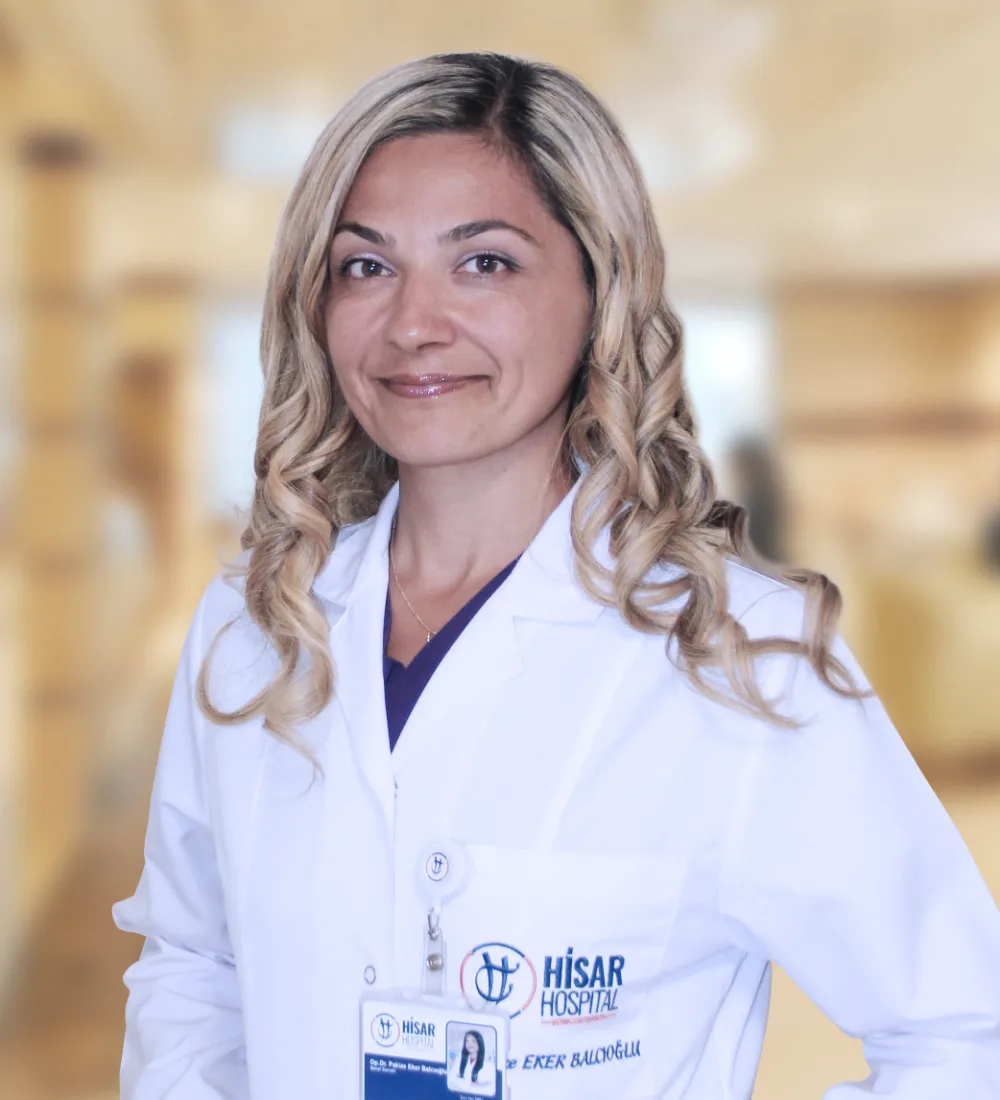
Op. Dr. Pakize Eker Balcıoğlu, General Surgery Department Specialist at Hisar Hospital Intercontinental, provided information on the causes and symptoms of hemorrhoids and dietary recommendations for prevention.
High chance of success with non-surgical treatment in the early stage!
Hemorrhoids are one of the conditions that become unbearable, especially in women during and after pregnancy, in cases where bowel habits change to diarrhea or constipation, in students during exam periods, in people going through stressful periods at home or at work, and in those with a family predisposition. The critical point in this disease is to be examined as soon as complaints begin. Because in early stages, medical treatment is usually successful and stops the progression of hemorrhoids. In general, people hesitate to see a doctor and only apply when drug treatments have failed to work. Therefore, although drug treatments are tried, many patients end up having to undergo surgery.
Hemorrhoids can also be seen internally
The veins that carry so-called impure, venous blood, located in three main clusters on the inner surface of the internal and external muscles surrounding the exit part of the intestine called the anus, are called hemorrhoidal veins. These veins swell in the already narrow exit area due to various factors. One, two, or all of them may swell at the same time. They may swell internally, where they cannot be felt by hand, as well as externally, where they can be seen from outside. During defecation, hemorrhoids cause complaints through physical irritation in constipation and chemical irritation in diarrhea.
Early diagnosis is very important!
The main complaints of hemorrhoidal disease may include bleeding, pain, burning, itching, palpable tissue lumps or clots, throbbing, and a feeling of soreness. All of them may occur at the same time, or one or several may occur together. At this point, early diagnosis is very important, because these complaints are not always due to hemorrhoids; sometimes they may be a sign of malignant bowel diseases or other anal diseases. Since malignant diseases are the most feared at this point, consulting a doctor as soon as possible is very important.
Surgery is essential when medication fails!
Contrary to common belief, the examination is usually performed very gently and slowly, without increasing the existing pain. Although drug treatments are preferred first, in cases where medications sometimes do not work, surgeries using minimally painful methods that allow a quick return to normal life are now preferred, rather than the painful methods of the past.
In women, it is most commonly seen during pregnancy
In women, hemorrhoidal disease occurring during pregnancy and after childbirth shows no difference in frequency of attacks between those after normal delivery and those after cesarean section. This is because a hemorrhoid attack depends on the pregnancy itself, not on the mode of delivery. Throughout the 9 months of pregnancy, the uterus grows along with the baby and gradually increases pressure on two veins in the lower part of the body, called the femoral veins, which are located in the groin area, collect impure blood from the lower body and carry it upward for purification.
As pregnancy progresses, venous return gradually decreases due to this pressure, and blood pooling in the lower area causes swelling in the hemorrhoidal veins in this region, in the leg veins, and in the veins around the genital region known as the pubis. Consequently, as pregnancy progresses, it can cause varicose veins, leg swelling, hemorrhoid flare-ups, and sometimes painful swellings in the veins of the genital area that may mimic a hernia. Even during pregnancy, mothers can be made comfortable with certain medications that do not harm the baby. The important thing is to consult a physician as soon as complaints begin. First, expectant mothers can be relieved with ointments, suppositories and similar medications along with recommendations.
Permanent relief in a short time with surgery!
Many methods are used in hemorrhoid surgery, such as the Milligan-Morgan technique, which is the most painful and has the longest healing period, band ligation, laser, sclerotherapy, and the Longo procedure. Although the Longo procedure is currently the most valuable and least painful method, the most suitable method is chosen for each patient by determining the stage of hemorrhoids during examination. The Longo procedure can generally be applied in advanced stages. With this surgery, the likelihood of a quick, minimally painful and permanent recovery from hemorrhoidal disease is very high. Performed in a short time of about 10-15 minutes, this procedure requires one night of hospital stay. After follow-ups of about 10-15 days, the patient can return to daily life.
Start with the right assessment for Don't Let Hemorrhoids Remain a Secret Inside You!
Share your symptoms with our specialist physicians; let us determine the right diagnosis and treatment plan together.
Warning
If your symptoms started suddenly, are progressing rapidly, or significantly restrict your daily life, consult a physician without delay.
Plan your Don't Let Hemorrhoids Remain a Secret Inside You! journey with our specialists.
Fill in the form or book an appointment to learn about treatment options, the process and preparation.