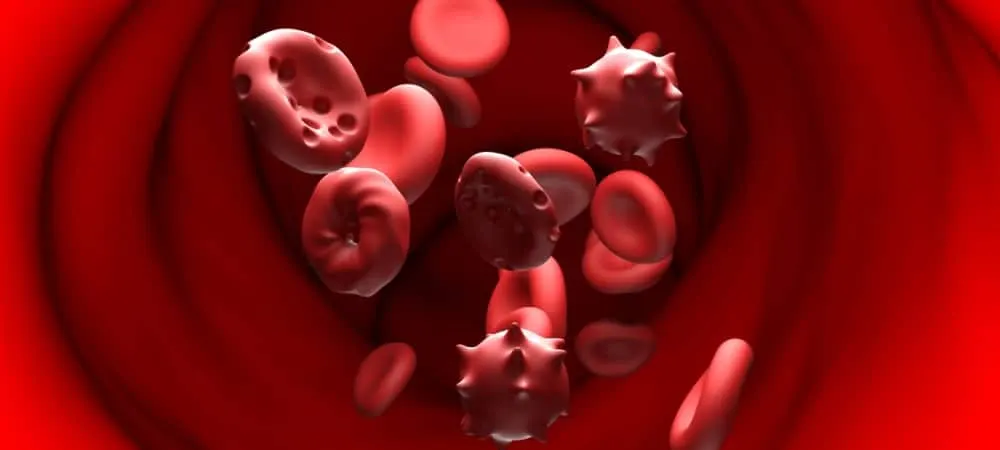
Hemolysis is a term used to describe the destruction of erythrocytes, also known as red blood cells or red blood corpuscles. Under normal conditions, red blood cells that have aged or been damaged for any reason undergo destruction and are replaced by new ones. In some cases, the destruction process of erythrocytes occurs in a shorter time than it should. As a result, there is not enough time for new cells to be produced in their place. This condition brings about a health problem called hemolytic anemia.
What is Hemolysis?
Hemolysis means that erythrocytes, which are also called red blood cells and red corpuscles by different names, undergo destruction, releasing the hemoglobin inside them. The normal life cycle of red blood cells varies between 110 and 120 days. After this period, red blood cells naturally break down and are usually cleared from the circulatory system via the spleen. The primary function of red blood cells is to transport blood rich in oxygen and nutrients to tissues and organs in the body. In addition, they play a role in transporting carbon dioxide from the tissues back to the lungs, meaning clearing it from the body. Therefore, if there is an imbalance in the destruction and regeneration process of red blood cells, many health problems can occur.
The destruction of erythrocytes takes place in two different ways. Accordingly, the types of hemolysis are:
Extravascular hemolysis: This type of hemolysis is hemolysis that occurs outside the vessels, usually in the spleen. The destruction of red blood cells inside the spleen by a type of white blood cell, which is one of the main cells of the immune system, called a macrophage, is the most common cause of extravascular hemolysis.
Intravascular hemolysis: This is the type of hemolysis where red blood cells undergo destruction inside the blood vessels. In this type of hemolysis, fragments released from red blood cells circulate inside the vessels.
Hemolysis can stem from disorders in the cell structure, as well as external factors such as splenomegaly, infectious hepatitis, and leukemia. In addition, some autoimmune diseases can cause a low red blood cell count in blood counts.
What Should the Normal Hemolysis Value Be?
The normal hemolysis value is expressed as negative hemolysis as a result of the tests performed. When hemolysis is said to be negative, it can be understood that less than 5% of the red blood cells are broken down. Positive hemolysis, on the other hand, means outside the hemolysis reference value. The breakdown of more than 10% of red blood cells is evaluated as positive hemolysis. If the hemolysis index, which helps evaluate the level of hemolysis in the blood, is above the determined value, specialists may resort to advanced tests to understand the cause of hemolysis. In addition, since hemolysis interference may cause blood tests not to be evaluated as they should be, a new blood test may be requested.
What Are the Causes of Hemolysis?
Hemolysis can occur due to many different reasons, ranging from disorders in the structure of red blood cells to immune system problems. The main causes of hemolysis are:
Hereditary factors: Blood diseases caused by disruptions in the structure or production of hemoglobins (a type of protein found in red blood cells), such as sickle cell anemia and Mediterranean anemia (thalassemia), can cause red blood cells to be destroyed prematurely. In addition, G6PD (glucose-6-phosphate dehydrogenase) enzyme deficiency, which is responsible for protecting red blood cells, or pyruvate kinase enzyme deficiency, a substance needed by red blood cells to produce energy, can cause hemolysis. Another cause of hemolysis is membranopathies such as hereditary spherocytosis and hereditary elliptocytosis, which cause disruptions in the structural integrity of the red blood cell membrane.
Disorders related to the immune system: Diseases in which the immune system does not function as it should and develops an abnormal response are another important cause of hemolysis. Autoimmune hemolytic anemia, a rare but serious disease in which the immune system perceives red blood cells as foreign substances and tries to destroy them, can cause hemolysis. In addition, other autoimmune diseases such as lupus and rheumatoid arthritis can lead to the immune system attacking red blood cells.
Infectious diseases: Some infectious diseases that can directly target red blood cells can also cause hemolysis. Malaria is at the beginning of infectious diseases that can damage red blood cells. Malaria parasites can attack red blood cells and cause them to undergo destruction. Similarly, some viral infectious diseases such as HIV can also cause the destruction of red blood cells, namely hemolysis. In addition to these, some bacteria such as Streptococcus pyogenes can cause a condition also known as beta hemolysis, where red blood cells are completely broken down.
Certain medications used: Although rare, certain medications can cause the immune system to attack and destroy red blood cells.
Pregnancy complications: Complications that occur during pregnancy, such as eclampsia and preeclampsia (pregnancy poisoning), can cause the expectant mother's immune system to attack red blood cells. In addition to these, hemolytic disease of the newborn may develop in some babies, albeit rarely. During pregnancy, the baby's red blood cells can mix into the expectant mother's blood. If the expectant mother's immune system sees the baby's red blood cells as foreign and attacks them, the baby's red blood cells can be destroyed rapidly.
Exposure to toxins: Exposure to substances such as lead, arsenic, copper, or encountering toxic agents such as snake venom can lead to the premature destruction of red blood cells.
Additionally, in some cases, hemolysis may develop during the process when the human body tries to adapt to a new treatment or medical device, such as artificial heart valves, hemodialysis machines, or heart-lung bypass devices.
What Are the Symptoms of Hemolysis?
Hemolysis symptoms may vary depending on how low the red blood cell count is. In cases of severe hemolysis, a condition that manifests with symptoms similar to other types of anemia, also known as hemolytic anemia, may emerge. Hemolysis can start suddenly and acutely, or symptoms can progress gradually. The main symptoms of hemolysis that can be seen in the case of premature destruction of red blood cells responsible for transporting oxygen to tissues and cells in the body are:
Paleness in skin color,
Fatigue,
High fever,
Confusion,
Palpitations,
Shortness of breath,
Jaundice in the skin and eyes,
Splenomegaly, meaning enlargement of the spleen,
Enlargement of the liver,
Darkness in urine color,
Seeing blood in the urine (hematuria).
In addition to those listed, the factors causing hemolysis can cause symptoms to vary from patient to patient. For example, in cold agglutinin disease, which is a type of autoimmune hemolytic anemia, health problems such as Raynaud's phenomenon, which develops as a result of decreased blood flow in the fingers and toes, may occur.
How is Hemolysis Diagnosed?
Specialists first examine patients presenting with complaints such as paleness in skin color, shortness of breath, and jaundice in detail and review their medical history. At this point, it is investigated whether the patient's family or the patient themselves has hereditary blood diseases such as sickle cell anemia or thalassemia. In addition, the presence of autoimmune diseases such as rheumatoid arthritis and lupus in the patient may cause specialists to suspect hemolysis. Different laboratory tests can be used to diagnose hemolysis. Some of these are:
Complete blood count (hemogram): A complete blood count helps evaluate the number of red blood cells and their ratio to blood volume (hematocrit).
Peripheral blood smear: If abnormalities in the red blood cell count are detected in the complete blood count, a peripheral blood smear, which allows a more detailed evaluation of the size and shape of the cells, can aid in diagnosis.
Reticulocyte count: A reticulocyte count helps measure the number of young blood cells produced by the bone marrow.
LDH test: A higher amount of lactate dehydrogenase, a type of enzyme found in erythrocytes, in the blood than normal can indicate that erythrocytes are undergoing destruction prematurely.
Bilirubin test: Bilirubin is a waste product that comes out when red blood cells are destroyed. An increase in the bilirubin level in the blood serum level may indicate hemolysis.
Haptoglobin test: When red blood cells are destroyed, the level of haptoglobin, a protein bound to hemoglobin, may decrease in the event of hemolysis of the blood.
Direct Coombs test: Also known as the blood incompatibility test, the Coombs test can be used to diagnose hemolytic anemia of the newborn due to blood incompatibility between the mother and the baby.
In addition, genetic tests can also be resorted to investigate the presence of genetic disorders such as sickle cell anemia and thalassemia.
How is Hemolysis Treated?
Hemolysis treatment varies according to the factor causing the premature destruction of red blood cells. The main methods of hemolysis treatment are as follows:
Transfusing blood taken from a compatible person to the patient in order to increase the red blood cell count,
Immunosuppressant drugs to help reduce the activity of the immune system in cases where the immune system attacks red blood cells,
Drugs or injections that support the bone marrow's production of red blood cells.
The spleen is at the forefront of the organs where red blood cells are destroyed. Therefore, in severe cases of hemolysis, specialists may decide to surgically remove the spleen in order to reduce the destruction of erythrocytes.
Frequently Asked Questions
Hemolysed blood means the destruction of red blood cells for various reasons and the release of their contents. By-products that emerge when erythrocytes are destroyed can cause serious complications such as liver disease, kidney disease, and stroke. Results such as high hemoglobin levels in blood tests can indicate that the blood is hemolysed. Among the causes of high hemolysis are infections, autoimmune diseases such as rheumatoid arthritis and lupus, toxin exposure, certain medications, medical devices such as artificial heart valves, and hereditary diseases such as thalassemia and sickle cell anemia. Clinical findings of hemolysis manifest with symptoms such as jaundice, fatigue, dark-colored urine, and shortness of breath. In addition, while bilirubin and LDH increase in blood tests, the haptoglobin value decreases. Hemolysis generally occurs in two different ways as extravascular hemolysis and intravascular hemolysis. Extravascular hemolysis usually occurs as a result of macrophages, which are immune system cells in the spleen, destroying erythrocytes. Intravascular hemolysis, on the other hand, occurs with the breakdown of red blood cells inside the vessel and mixing into the blood circulation. Under normal conditions, all hemoglobins are found in the red blood cell. However, in the case of hemolysis, hemoglobins can become free. This can cause an increase in hemoglobin in the serum hemoglobin test. It is evaluated that the blood is hemolysed in cases where erythrocyte destruction is above 10%. It is difficult to say that any vitamin deficiency will cause hemolytic anemia. However, hemolytic anemia can lead to folate deficiency. In the case of hemolysis, free hemoglobin is found in the fluid outside plasma and blood cells. However, hemolysis does not affect total hemoglobin in plasma.
Hemolysis and hemolytic anemia can be harbingers of serious health problems. Specialist evaluation is of great importance for early diagnosis and correct treatment. At Hisar Hospital Intercontinental, you can safely evaluate your health accompanied by our experienced hematology and internal medicine specialists in their fields, along with detailed examinations and advanced diagnostic methods. Contact us to make an appointment.
Start with the right assessment for What is Hemolysis? What Causes Hemolytic Anemia and What Are Its Symptoms?
Share your symptoms with our specialist physicians; let us determine the right diagnosis and treatment plan together.
Warning
If your symptoms started suddenly, are progressing rapidly, or significantly restrict your daily life, consult a physician without delay.
Plan your What is Hemolysis? What Causes Hemolytic Anemia and What Are Its Symptoms? journey with our specialists.
Fill in the form or book an appointment to learn about treatment options, the process and preparation.