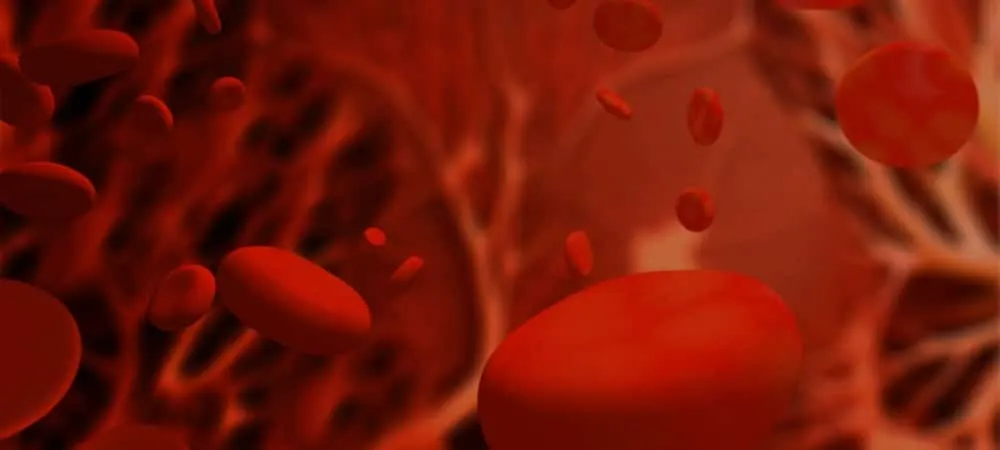
Also known as a complete blood count, a hemogram is a fundamental laboratory test that helps evaluate the number, size, and proportion of cells found in the blood volume. A complete blood count is usually part of a routine examination. If the hemogram test performed using a blood sample taken from the patient shows abnormal results, specialists can investigate health problems such as blood diseases and infectious diseases with the help of further tests.
What is a Hemogram?
A hemogram, or complete blood count, is a laboratory test in which the fundamental components of blood, such as red blood cells, white blood cells, and platelets, are examined. This test, which helps examine the number, size, and distribution of blood cells, plays an important role in evaluating overall health status, diagnosing health problems such as anemia, or tracking the response to treatment.
The main situations in which specialists may request a complete blood count are as follows:
Evaluation of general health during a routine examination,
Presence of symptoms such as high fever, unintentional weight loss, night sweats, unexplained bruising, bleeding, or fatigue,
Monitoring of health problems such as cancer and kidney diseases,
Checking the general health status of the expectant mother during pregnancy.
In addition, specialists may resort to a hemogram test to evaluate the response to treatment in certain diseases.
What Are the Desired Values in a Hemogram?
The main hemogram values checked with the help of a complete blood count are as follows:
White blood cell count (WBC): White blood cells are the main cells of the immune system. Low and high WBC levels may indicate health problems such as infectious diseases and autoimmune diseases.
Red blood cell count (RBC): Red blood cells, also known by different names such as erythrocytes and red blood cells, are cells responsible for carrying oxygen-rich blood from the lungs to all tissues and organs in the body. The hemogram RBC value shows the number of red blood cells in a specific amount (usually microliters) of blood. The RBC count can provide information about the oxygen-carrying capacity of the blood. The RBC count is particularly important in the diagnosis, treatment, and monitoring of health problems such as anemia.
Hemoglobin (HGB): Hemoglobin is a protein found in red blood cells that ensures the transport of oxygen to tissues and organs. A low hemoglobin level may indicate a health problem such as anemia. A high hemoglobin level, on the other hand, can increase the risk of health problems such as clotting.
Hematocrit (HCT): Hematocrit shows the ratio of the volume of red blood cells in the blood to the total blood volume. A high hemogram HCT value may stem from a blood disease such as polycythemia vera, while a low HCT value may stem from a health problem such as anemia or hemolytic anemia.
Mean corpuscular volume (MCV): Helps evaluate the average size of red blood cells. Although the hemogram MCV value alone is not sufficient for the diagnosis of a disease, when evaluated together with other results, it can provide an idea about the health of erythrocytes.
Mean corpuscular hemoglobin (MCH): MCH helps determine the average amount of hemoglobin found in each red blood cell. A result falling below reference values may indicate a health problem such as anemia. A high MCH value, on the other hand, can occur due to many different reasons, such as long-term alcohol use and thyroid gland diseases.
Mean corpuscular hemoglobin concentration (MCHC): Helps measure the average amount of hemoglobin found in a specific amount of red blood cells.
Red cell distribution width (RDW): RDW, which is the abbreviation of the phrase "Red cell distribution width," shows how diverse erythrocytes are in terms of size and volume. Having red blood cells in very different sizes from one another may be an indicator of a health problem such as anemia.
Red blood cell size deviation (RDW-SD): Helps understand the variability in the sizes of red blood cells.
Platelet count (PLT): The hemogram PLT value helps determine the number of cells that help blood clot. In the case of low PLT, serious complications such as internal bleeding may be observed. High PLT levels can increase the risk of contracting health problems such as heart attacks and strokes.
Mean platelet volume (MPV): The MPV value helps evaluate the average volume of platelets responsible for clotting. Not being a diagnostic method on its own, the MPV value, together with other tests, can assist in the diagnosis, treatment, and monitoring of health problems such as cardiovascular diseases and thyroid gland diseases.
Neutrophils (NEUT-NEU): Neutrophils, which are among the white blood cells, are the first cells to intervene in the event that the immune system encounters a threat. Low NEU levels can stem from infectious diseases, vitamin deficiencies such as B12 and folate, and bone marrow diseases such as leukemia. High NEUT levels, on the other hand, can occur in situations such as infectious diseases, inflammation, and injury.
Lymphocytes (LYM): The hemogram LYM value shows the number of lymphocytes, which are white blood cells. The main function of lymphocytes is to develop immunity against infectious diseases by secreting proteins called antibodies. In the case of low LYM, problems such as frequent infections may develop.
Monocytes (MONO): Monocytes, which are white blood cells, are cells that can leave the blood circulation, go to tissues, and destroy harmful microorganisms there. High hemogram MONO levels may be an indicator of infectious diseases or autoimmune diseases such as lupus.
Eosinophils (EOS): Eosinophils are immune system cells that help fight parasitic infections or intracellular bacteria. Health problems such as Cushing's syndrome can cause the EOS value to appear low in a hemogram test.
Basophils (BASO): The main function of basophils is to generate a response against allergens. High BASO values can indicate that the body is fighting an infection or an allergen. Health problems such as an overactive thyroid gland can in some cases cause the BASO count in the blood to appear low.
Procalcitonin (PCT): High hemogram PCT levels may stem from a severe bacterial infection or sepsis (the spreading of infection into the blood).
Nucleated red blood cells (NRBC): These cells are red blood cells that have not completed their development. Under normal conditions, nucleated red blood cells are never encountered in the blood circulation of adults. In the event that NRBCs are detected in the blood, specialists evaluate the patient in detail for health problems such as anemia, cancer, and heart failure.
The listed hemogram values are not sufficient for the diagnosis of diseases on their own. Specialists may resort to further tests when necessary for results that turn out below or above reference values.
What Should the Normal Hemogram Value Be?
Hemogram values may vary from the laboratory where the test is applied to another. In addition, factors such as the person's age and gender also play a role in determining reference values. The generally accepted hemogram values are as follows:
WBC: 5.00-10.00 10^3 in men and children, 4.5-11.00 10^3/uL in women,
RBC: 4.0-5.4 10^6/uL in women, 4.5-6.1 10^6/uL in men,
HGB: 11.7-15.5 g/dL,
HCT: 35-45%,
MCV: 80-94 fL,
MCH: 27-31 pg,
MCHC: 30-36 g/dL,
RDW: 12-15%,
PLT: 150,000-400,000/mL,
MPV: 7.0-11.0 fL,
NEUT: 3.00–7.00 10^3/uL,
LYM: 1.00-4.00 10^3/uL,
MONO: 0.2-0.8 10^3/uL,
EOS: < 0.50 10^3/uL,
BASO: < 0.30 10^3/uL,
PCT: < 0.1 ng/mL,
PDW: 12-16%
The listed hemogram values show variations depending on factors such as hormone values, pregnancy, and the unit of measurement used in the laboratory.
What Does Low Hemogram Values Mean? What Are the Symptoms?
Following the examination of the blood sample taken into the hemogram tube in a laboratory environment, low levels of certain values can have many different reasons and symptoms. Although low levels of these values are not considered a disease on their own, they can play a guiding role in the diagnosis, treatment, and monitoring of various health problems. Each deficiency of the cells found in the blood has its own unique symptoms.
Since red blood cells and the hemoglobin found in red blood cells are tasked with carrying oxygen-rich blood to tissues and organs in the body, symptoms seen in various health problems, primarily anemia, may appear in the event of their deficiency. The symptoms of low hemogram RBC and HGB can be listed as follows:
Fatigue,
Shortness of breath,
Paleness in skin color,
Palpitations,
Headache,
Coldness in hands and feet.
White blood cells (WBC), which are among the fundamental components of blood, are the main cells of the immune system. Low hemogram WBC levels can cause immune system problems. The symptoms of low WBC are:
High fever,
Severe infectious diseases such as pneumonia,
Mouth sores,
Skin lesions such as skin rashes,
The platelet count (PLT) result also occupies an important place in the hemogram value. The symptoms of low PLT, which plays a role in blood clotting, are as follows:
Unexplained bruises appearing in various parts of the body,
Red-colored skin rashes,
Frequently recurring nosebleeds,
Gum bleeding,
Any bleeding stopping late,
Menstrual bleeding being long and heavy.
Low PLT can lead to serious complications such as internal bleeding in some cases. Therefore, in the event of experiencing symptoms such as blood in the stool or urine, it is important to make an appointment with a specialist doctor without wasting time and have the necessary checks performed.
What Does High Hemogram Values Mean? What Are the Symptoms?
Just like the low level of every cell found in the blood, high levels can also manifest themselves with different symptoms.
High RBC levels can mean that the bone marrow is producing more red blood cells than normal. Some of the symptoms of high RBC, also called erythrocytosis, are:
Joint pain,
Tingling and numbness in the body,
Nosebleeds,
Blurred vision.
High levels of white blood cells, which are tasked with fighting infection, can also cause various symptoms. The symptoms of high WBC are as follows:
Pain in the body,
Night sweats,
Unexplained weight loss.
The fact that platelets responsible for blood clotting are above normal values can increase the risk of seeing complications such as heart attacks and strokes. Some of the symptoms of high platelet count (PLT) are:
Chest pain,
Headache,
Difficulty speaking,
Shortness of breath and nausea,
Burning-style pain in hands or feet.
High levels of values such as MONO, PDW, EOS, and BASO, which are among the hemogram values, do not mean much on their own, but when examined together with other values, they can assist in the diagnosis and treatment of various health problems.
Frequently Asked Questions
The hemogram test is a test that helps evaluate the number, size, and distribution of fundamental blood cells such as red blood cells (RBC), white blood cells (WBC), and platelets (PLT). Specialists can benefit from the hemogram complete blood count test to evaluate the patient's overall health status and to perform the diagnosis, treatment, and monitoring of health problems such as anemia, infection, and blood diseases. High hemogram values can point to different health problems. For example, symptoms such as fatigue, headache, and shortness of breath may occur in high red blood cell (RBC) levels. High white blood cell (WBC) levels, on the other hand, can indicate that the patient has an infection or inflammation. A high platelet (PLT) count in the blood can lead to blood clotting problems, increasing the risk of a heart attack or stroke. There is no need to make special preparations prior to the hemogram test. However, in some cases, specialists may apply other tests along with the hemogram test. Therefore, it is important to consult specialists regarding whether water can be drunk before a hemogram. Fundamental values such as white blood cell (WBC), red blood cell (RBC), hemoglobin (HGB), hematocrit (HCT), and platelet (PLT) are checked in the hemogram test. In addition to these, parameters that determine the size and distribution of red blood cells, such as MCV, MCH, MCHC, and RDW, as well as subgroups of white blood cells, such as lymphocytes (LYM), neutrophils (NEU), monocytes (MONO), eosinophils (EOS), and basophils (BASO), are also included in the test. The treatment of low hemogram levels depends on the health condition causing the low levels. Iron, vitamin B12, and folic acid supplements may be recommended for low red blood cells (RBC) and hemoglobin (HGB). A blood transfusion may be required in cases of severe anemia. For low white blood cells (WBC), specialists can apply medications supporting the immune system, antibiotic or antiviral drug treatments helping to fight infection. In the case of low platelets (PLT), methods such as blood transfusions can be resorted to in order to prevent clotting problems. However, specialists do not want values to increase in certain cases. Therefore, evaluation by a specialist physician is important. The decrease in hemogram values can stem from various health problems affecting the production of blood cells. For example, low red blood cell (RBC) and hemoglobin (HGB) values may be related to anemia, vitamin and mineral deficiencies such as B12, iron, and folic acid, or blood loss. Low white blood cells (WBC) can stem from infections, immune system diseases, or bone marrow diseases. Additionally, low platelets (PLT) can occur due to certain medications or infections. To increase hemogram values, the underlying cause needs to be treated. If the decrease is dependent on anemia, iron, vitamin B12, and folic acid supplementation or blood transfusions can be performed. If white blood cells are low, treatments supporting the immune system can be applied. In platelet deficiency, methods such as drug therapy or blood transfusions to support clotting can be utilized. In some cases, an increase in values is not desired. Therefore, obtaining the opinion of a specialist physician is important. LYM, meaning lymphocyte, is a type of white blood cell. Lymphocytes produce antibodies that protect the body against infections. A low LYM value can indicate that the immune system is not performing its normal function as it should. As a result, the risk of infection may increase. Hemogram MPV shows the average volume of platelets that play a role in clotting. PCT helps measure the procalcitonin level in the blood. It generally shows an increase in cases of severe bacterial infections or sepsis. The PCT value helps determine the severity and spread of the infection. The normal PCT level is generally
Start with the right assessment for What is a Hemogram (Complete Blood Count)? Normal Values, Low and High Levels
Share your symptoms with our specialist physicians; let us determine the right diagnosis and treatment plan together.
Warning
If your symptoms started suddenly, are progressing rapidly, or significantly restrict your daily life, consult a physician without delay.
Plan your What is a Hemogram (Complete Blood Count)? Normal Values, Low and High Levels journey with our specialists.
Fill in the form or book an appointment to learn about treatment options, the process and preparation.