What is Endocarditis (Heart Valve Inflammation)? What are the symptoms?
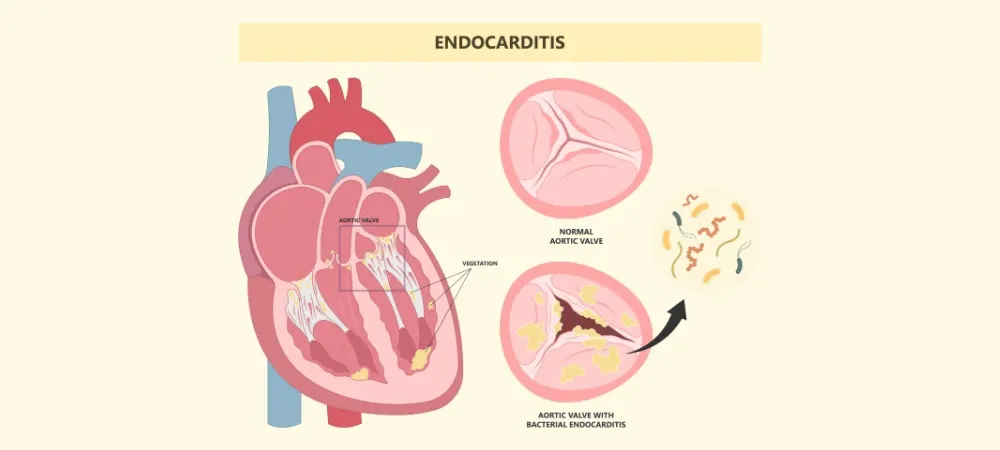
This condition, which is mostly caused by a bacterial infection, is the inflammation of the endothelial layer that lines the inner surface of the heart valves and chambers. This condition usually occurs due to bacterial infections and can affect the normal functions of the heart.
Endocarditis can lead to deterioration in the natural structure of the heart valves, causing the infection to cause further damage to the heart and leading to serious complications. Symptoms commonly include fever, chills, fatigue, shortness of breath, chest pain, irregular heartbeat, and the appearance of red spots on blood vessels. Treatment involves several weeks of antibiotics or other medications, and sometimes surgery. With prompt and aggressive treatment, many people survive. If left untreated, it can be fatal.
What is Endocarditis?
Endocarditis is a potentially life-threatening inflammation of the heart valves and sometimes the inner lining of the heart chambers. This inner lining is called the endocardium. This condition is usually caused by an infection. Bacteria, fungi, or other germs enter the bloodstream and attach to damaged areas in the heart. Conditions that increase the likelihood of the condition include artificial heart valves, damaged heart valves, or other heart defects.
There are two types of endocarditis: acute and subacute. Acute develops suddenly and can become life-threatening within a few days. Subacute develops slowly over weeks or even months. In both cases, it is caused by bacteria entering the bloodstream. Early diagnosis and treatment of the condition are very important. If treatment is delayed, it can damage the heart valves and pose a life-threatening risk.
What Are the Symptoms of Endocarditis?
Symptoms of heart valve inflammation can develop differently from person to person. They can be severe, mild, appear suddenly, or emerge gradually. Acute endocarditis symptoms appear rapidly and require urgent medical intervention. Since the subacute condition progresses slowly, its symptoms may develop gradually. Commonly encountered symptoms may include:
Chest pain: It can cause pain in the chest when the heart needs to work harder. This pain is usually felt in the heart region and may sometimes increase during breathing or exercise.
Fatigue and weakness: One of the early symptoms of the condition is usually a feeling of abnormally high fatigue or weakness. These symptoms may result from the body trying to fight the infection.
Shortness of breath: Fluid accumulation in the lungs can make breathing difficult. If parts of the heart become inflamed, enough oxygen-rich blood cannot be pumped from the lungs to the heart. This can disrupt the normal functioning of the heart and consequently lead to shortness of breath.
Heart murmur: A heart murmur is a condition where blood flows backward because a valve leading to the heart does not close completely. The condition can worsen an existing heart murmur or cause a new one to appear.
Fever or chills: If there is a bacterial infection, this can cause a fever as a reaction of the immune system. High fever and chills are among the frequently seen symptoms.
Muscle, joint, or back pain: When the heart works harder, it can also cause pain in other areas such as the back or joints.
Skin changes: People with this condition may develop broken blood vessels, painful red or purple bumps, or painless, flat, red bumps on the palms of their hands or soles of their feet.
Cough: Fluid accumulation in the lungs can cause the patient to experience coughing fits.
How Does Endocarditis Occur?
Endocarditis is usually caused by an infection caused by bacteria, fungi, or other germs. Germs enter the bloodstream and travel to the heart. In the heart, they attach to damaged heart valves or damaged heart tissue. Usually, the body's immune system destroys harmful bacteria that enter the bloodstream. However, bacteria found on the skin or in the mouth, throat, or intestines can enter the bloodstream and cause the condition. Dental procedures (especially tooth extractions) and endoscopic examinations can cause bacteria to enter the blood. Sometimes, bacteria from the mouth, skin, intestines, respiratory system, or urinary tract can enter the bloodstream in the following situations:
Eating
Brushing teeth
Flossing teeth
Using the toilet
How is Endocarditis Diagnosed?
For the diagnosis of endocarditis, the doctor first takes the patient's history. Then, they perform a physical examination to examine the status of the symptoms. In addition to the physical examination, the following tests may be requested by the doctor to help with the diagnosis. Some tests used for heart valve inflammation may include:
Blood culture test: One of the most important tests used for diagnosis is blood culture tests. Blood samples are taken and examined in a laboratory environment for bacterial or fungal infection. A positive blood culture supports the diagnosis.
Complete blood count: A CBC test is performed to evaluate signs of infection and determine the severity of the infection. In the presence of an infection, there may be an increase in white blood cells and inflammatory markers.
Echocardiogram: An ECHO is used to evaluate the structure and function of the heart. In this condition, it can help detect changes in heart valves and heart chambers.
Chest X-ray: A chest X-ray can show the condition of the lungs and heart affected by the condition. It can help determine whether heart valve inflammation is causing heart enlargement in the patient or if any infection occurring in the body has spread to the lungs.
Computed tomography (CT) scan or magnetic resonance imaging (MRI): Advanced imaging techniques such as computed tomography (CT) or magnetic resonance imaging (MRI) may be necessary to support the diagnosis and evaluate the spread of the infection.
How is Endocarditis Treated?
This condition can be life-threatening. In this condition, rapid treatment is needed to prevent damage to the heart valves and more serious complications. Treatment is usually shaped according to the patient's symptoms, the type and severity of the infection, the infected valve, and other factors. Endocarditis treatment may include the following elements:
Antibiotic treatment: The use of antibiotics in treatment is very important. In the first stage of treatment, broad-spectrum antibiotics are usually prescribed. Later, appropriate antibiotics can be switched to based on the blood culture results taken from the patient. Antibiotic treatment usually lasts 4 to 6 weeks and can sometimes be taken orally, while in some cases it may need to be administered intravenously (IV) in the hospital. If the condition is caused by a fungal infection, an antifungal medication is given. Some patients may need antifungal pills for life to prevent the recurrence of the condition.
Surgical intervention: In some cases, surgical intervention may be required for treatment. Especially if serious damage has occurred to the heart valves or the infection has spread to other heart tissues, surgical repair or valve replacement may be necessary. Surgical intervention can help clean infected tissues and correct heart function.
Symptomatic treatment: Symptomatic treatments may be recommended by the doctor to alleviate symptoms. Fever-reducing medications or painkillers may be prescribed for symptoms seen in the patient, such as fever or pain. Oxygen therapy may be applied to patients with shortness of breath.
It is important that patients are regularly monitored and followed up under doctor supervision during treatment. Important tests such as blood tests and imaging studies can be used by the doctor to evaluate the effectiveness of the treatment. Also, blood cultures may be taken to ensure that there is no ongoing infection.
Frequently Asked Questions
Endocarditis is a condition that occurs with the inflammation of the heart valves and chambers and directly affects the heart. Heart valves are structural components that regulate the flow of blood between heart chambers, and endocarditis occurs as a result of the infection of these valves. The duration of endocarditis treatment may vary depending on the severity of the patient's infection, their response to treatment, and the treatment methods used. Generally, antibiotic treatment lasts at least 4 to 6 weeks, and in some cases, this period may be even longer. In cases requiring surgical intervention, the treatment duration and recovery process may be longer. If endocarditis is not treated, it can lead to serious complications and even death. The infection can cause permanent damage to the heart valves, which can lead to impaired heart functions and an increased risk of heart failure. Psoriasis endocarditis is a rare complication in people with psoriasis. This condition occurs when the inflammation caused by psoriasis affects the heart valves, leading to the development of endocarditis. Acute endocarditis is a heart valve infection that usually appears rapidly and progresses with severe symptoms. While symptoms are sudden and severe in the acute form, they are slower and more vague in the subacute form. In both cases, heart valves can be damaged, and if left untreated, it can lead to heart failure and other serious complications. Infective endocarditis prophylaxis is the measures taken to reduce the risk of infection in patients in certain risk groups during invasive procedures such as dental treatments or surgery. This prophylaxis usually involves the prior use of antibiotics and is recommended for patients at risk of developing endocarditis.
If you think you may be experiencing symptoms of endocarditis, consult a cardiology specialist without delay. Create an appointment now to benefit from early diagnosis and treatment opportunities with our expert physicians at Hisar Hospital Intercontinental.
Click to make an online appointment.
Get detailed information about the cardiology department.
Start with the right assessment for What is Endocarditis (Heart Valve Inflammation)? Symptoms, Causes, and Treatment
Share your symptoms with our specialist physicians; let us determine the right diagnosis and treatment plan together.
Warning
If your symptoms started suddenly, are progressing rapidly, or significantly restrict your daily life, consult a physician without delay.
Plan your What is Endocarditis (Heart Valve Inflammation)? Symptoms, Causes, and Treatment journey with our specialists.
Fill in the form or book an appointment to learn about treatment options, the process and preparation.