Did you know that duodenal cancer is a rare tumor that forms in the first part of your small intestine? This disease usually affects people between the ages of 60-80 and is slightly more common in men.
In this article, you will find information about the symptoms, causes, diagnostic methods, and treatment options for duodenal cancer. Risk factors and ways to prevent the disease will also be discussed.
What is Duodenal Cancer?
Duodenal cancer is a rare type of tumor that develops in the first part of the small intestine. Also known as cancer of the duodenum in medical literature, this disease is much less common compared to stomach and colon cancers. Histologically, it is usually in the form of adenocarcinoma.
The role of the duodenum in the body
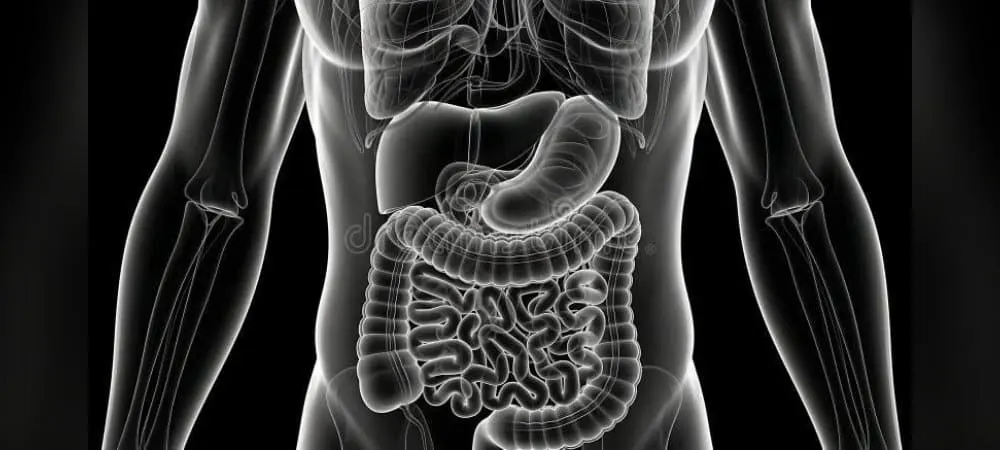
The duodenum is a critical part of the digestive system. Located just below the stomach, this organ is C-shaped or crescent-shaped, and its length is usually between 5-10 cm. It takes its name from the Latin word "duodeni," meaning "twelve."
This specific region plays a vital role in the digestion and absorption process of nutrients. It receives partially digested food from the stomach and transmits it to the other parts of the small intestine. Furthermore, as it is the site where the pancreas and bile ducts open, it ensures that digestive enzymes are mixed with food.
Types of duodenal cancer
Duodenal cancers can be of various types, but the most common is adenocarcinoma. These tumors make up the majority of duodenal cancers and are usually seen around the ampulla of Vater.
Apart from this, other tumor types that can be seen in the duodenum include:
Carcinoid tumors (neuroendocrine tumors): These originate from Argentaffin cells in the Lieberkühn crypts of the intestinal wall and grow quite slowly.
Lymphoma: This is the least common type of cancer in the duodenum. It develops from the lymphatic tissues of the intestine.
Sarcoma: These are rare tumors that develop from muscle and connective tissue.
Why is it a rare cancer?
Although the small intestine makes up more than 90% of the gastrointestinal system, it represents only 1-2% of all digestive system cancers. This interesting situation can be explained by several factors.
First of all, thanks to the rapid cell renewal of the small intestine, damaged DNA accumulates less. Additionally, the rapid transit time in the small intestine limits the contact of carcinogenic substances with the intestinal wall.
Another reason why duodenal cancer is rare is the density of the immune system in this region. The small intestine forms an important part of the body's immune system, which prevents the development of abnormal cells.
However, tumors located in the duodenum show symptoms earlier than those in other parts of the small intestine. Due to the proximity of this region to the pancreas and bile ducts, symptoms such as jaundice can appear in the early stages, thus allowing for faster diagnosis.
Symptoms and Causes of Duodenal Cancer
It is quite difficult to notice duodenal cancer in the early stages. Most patients consult a doctor when the disease has progressed. However, recognizing the symptoms is vital for early diagnosis.
Symptoms of duodenal cancer
Duodenal cancer usually manifests itself with the following symptoms:
Intermittent jaundice and occult blood in the stool (blood in the stool)
Abdominal pain (especially similar to peptic ulcer pain that does not go away with antacids)
Nausea and vomiting
Involuntary weight loss
Abdominal bloating and indigestion
Weakness and fatigue
Jaundice can be seen in the early stages, especially in tumors located around the ampulla of Vater. In addition, a picture of obstructive jaundice may occur in tumors in the periampullary region.
Late onset of symptoms
Duodenal cancer is an insidious disease. The time elapsed between the onset of complaints and diagnosis usually ranges from 3 to 16 months. The main reasons for this are:
In some cases, patients may present to the hospital with a sudden onset of intestinal obstruction without experiencing any complaints. This causes the disease to be noticed at advanced stages.
Duodenal cancers show symptoms earlier than other small intestine cancers. The proximity of this region to the pancreas and bile ducts allows symptoms such as jaundice to appear more quickly.
Causes of cancer formation
Doctors do not know for sure what causes cancer in most duodenal cancers. Usually, this cancer begins when changes occur in the DNA of healthy cells in the small intestine.
When a cell's DNA is damaged and becomes cancerous, the cell continues to divide even when there is no need for new cells. A tumor forms with the accumulation of these cells. Over time, cancer cells can grow and invade normal surrounding tissues.
The low incidence of cancer in the small intestine is due to the following reasons: the liquid nature of the content, rapid passage (less contact time for carcinogens), alkaline pH, the presence of high levels of enzymes that detoxify potential carcinogens, a low bacterial population, and the neutralization of carcinogenic viruses by high levels of IgA.
Risk factors: age, genetics, lifestyle
Factors that increase the risk of developing duodenal cancer are:
Age: Duodenal tumors tend to be seen more frequently in older people (average 60s-70s).
Gender: It carries a slightly higher risk in men.
Genetic syndromes: Hereditary conditions such as Lynch syndrome, familial adenomatous polyposis (FAP), and Peutz-Jeghers syndrome (PJS) increase the risk.
Chronic diseases: Autoimmune inflammatory bowel diseases such as Crohn's disease and celiac disease.
Weakening of the immune system: After organ transplantation or in conditions such as HIV.
Lifestyle: Smoking, alcohol consumption, and diets rich in red meat and salted or smoked foods.
Possible complications
Duodenal cancer can cause the following complications:
Increased risk of other cancers: The risk of developing colon, rectal, ovarian, and endometrial cancers may increase.
Intestinal obstruction: As the tumor grows, it can block intestinal passage.
Metastasis: Advanced-stage cancer can spread to different parts of the body, usually the liver.
Bleeding: The tumor can damage the inner surface of the intestine and lead to bleeding.
Carcinoid syndrome: Due to hormones secreted by carcinoid tumors, watery diarrhea, cramping abdominal pain, gas, and facial flushing may occur.
Regular health check-ups and monitoring of high-risk individuals increase the possibility of early diagnosis. Especially if unexplained weight loss, abdominal pain, and digestive problems persist for a long time, it is of great importance to consult a gastroenterology specialist.
Diagnostic Process and Tests
Diagnosing duodenal cancer is a comprehensive process that extends from the patient's complaints to various advanced imaging methods. Since this disease usually presents with insidious symptoms, a systematic approach is required for an accurate diagnosis.
Physical examination and symptom evaluation
The first step in the diagnostic process is taking a detailed medical history and physical examination. The doctor first listens to the patient's complaints and evaluates the symptoms. If there is a history of duodenal cancer or related diseases in the family, this is taken into account.
During the physical examination, findings such as signs of jaundice, tenderness in the abdominal region, or the presence of a mass are examined. Symptoms such as long-standing abdominal pain, heartburn that does not go away with antacids, and unexplained weight loss are also evaluated.
After the initial evaluation, blood tests are performed. In these tests, elevations in serum bilirubin, alkaline phosphatase, liver transaminases, and tumor markers such as CEA, CA 19-9, and CA 125 are examined. Although these markers are not always definitive for diagnosis, they provide important information when evaluated together with other diagnostic methods.
Imaging methods (CT, MRI)
Imaging methods play a critical role in the diagnosis of duodenal cancer. Ultrasonography is usually the first method used. This method can show the presence of a solid or cystic mass in the pancreas or duodenum, the size of the mass, and its relationship with other surrounding structures.
The following methods are used for more detailed examinations:
Computed tomography (CT): It has a diagnostic feature of approximately 95% and above. It shows the location, size, and relationship of the tumor with surrounding tissues.
Magnetic resonance imaging (MRI): It is important in the differential diagnosis of the tumor and shows soft tissues better.
Positron emission tomography (PET): It is used especially to evaluate the spread of cancer in the body.
These imaging methods are very useful, effective, and reliable methods for both diagnosis and staging of the disease.
Endoscopy and biopsy
A biopsy is usually required for a definitive diagnosis. Endoscopy is performed by inserting a thin, flexible tube with a light and camera at the tip through the mouth into the stomach and duodenum. Thanks to this method, the doctor can directly see the inner surface of the duodenum and take tissue samples from suspicious areas.
Endoscopic ultrasonography (EUS) allows for close examination of the pancreas and duodenum. Using specially developed needles, samples can be taken from suspicious areas and a histopathological diagnosis can be made. In addition, the Endoscopic Retrograde Cholangiopancreatography (ERCP) method can also be used in some cases.
Due to the fact that tumor tissue is rich in connective tissue, the risk of false negatives in needle biopsies is high. Therefore, masses that are surgically removable and appear as tumors radiologically are usually removed without attempting a biopsy.
Cancer staging system
After a diagnosis is made, staging is performed to determine how far the disease has progressed. The staging system is performed using the TNM system, which is accepted all over the world:
T: Indicates the size of the tumor and whether it has spread outside the duodenum
N: Indicates whether the cancer has reached the lymph nodes
M: Expresses whether there is metastasis to distant organs
Duodenal cancer is classified from Stage 0 to Stage 4. In Stage 0 and Stage 1, the tumor has not yet spread outside the duodenal tissue, and if diagnosed at these stages, treatment success increases. In Stage 2 and Stage 3, the tumor may have spread to neighboring tissues or regional lymph nodes. Stage 4 is characterized by distant organ metastasis.
Treatment of Duodenal Cancer
The treatment of duodenal cancer is planned according to the stage of the tumor, the patient's general health status, and the degree of cancer spread. Treatment approaches should be individualized and managed by a multidisciplinary team.
Surgical intervention (including the Whipple procedure)
The primary treatment for duodenal cancer is usually surgery. Complete removal of the tumor is the most important factor that increases the chance of recovery. The most common surgical procedure applied in duodenal cancers is known as the Whipple operation (pancreaticoduodenectomy).
The Whipple procedure involves the removal of the head of the pancreas, the duodenum, the gallbladder, a portion of the bile duct, and surrounding lymph nodes. After surgery, the remaining pancreatic tissue, bile duct, and stomach are reconnected to the small intestine to ensure the functionality of the digestive system.
This surgery is technically complex and should be performed by experienced surgeons. The complication rate after the Whipple procedure is around 40%, and the mortality rate is approximately 5%.
In some cases, depending on the location of the tumor, duodenal resection can also be performed while preserving the pancreas. In advanced stages, when curative surgery is not possible, palliative surgery can be applied to alleviate symptoms.
Chemotherapy and radiotherapy
Chemotherapy can be used to shrink the tumor before surgery (neoadjuvant), prevent recurrences after surgery (adjuvant), or as the sole treatment in advanced-stage disease.
Radiotherapy is usually applied in combination with chemotherapy. It can be preferred especially in cases where the entire cancerous tissue cannot be removed after surgery or to alleviate pain.
The treatment plan is individualized according to the patient's age and general health status. More intensive chemotherapy regimens may be considered in young and healthy patients.
Follow-up and support after treatment
Regular check-ups after treatment are important to evaluate the risk of recurrence of the disease and to detect complications in the early stages. Blood tests, endoscopic examinations, and radiological tests can be performed during this process.
There may be changes in digestive system functions after duodenal cancer treatment. Especially in patients who have undergone the Whipple operation, external enzyme supplementation may be required due to the deficiency of pancreatic enzymes.
Diet plays an important role in the recovery process. Small and frequent meals, and adequate protein and calorie intake are recommended in the post-treatment period.
When to consult a doctor?
People with duodenal cancer or suspected of having it should consult a doctor immediately in the following cases:
Unexplained weight loss and loss of appetite
Persistent abdominal pain
Blood in the stool or black-colored stool
Symptoms of jaundice (yellowing of the skin and eyes)
Worsening of nausea and vomiting
Early diagnosis is the most critical factor that increases treatment success. For this reason, it is vital to consult a healthcare institution immediately if there are suspicious symptoms.
Life Expectancy and Prevention Methods
One of the most important issues that patients diagnosed with duodenal cancer wonder about is life expectancy. The quality of life after treatment and the probability of the disease recurring are critical information for both the patient and their relatives.
Survival rates
Life expectancy for duodenal cancer varies according to the stage at which the disease is diagnosed. Unfortunately, survival rates can be low when cancers of the pancreas and duodenum region are noticed late.
However, if diagnosed at an early stage, survival rates after surgical treatment can increase significantly. It should be remembered that each patient's situation is unique and that general statistics are not a definitive indicator for individual cases.
Nutrition and lifestyle recommendations
What you can do to prevent duodenal cancer:
Quit smoking and alcohol: As with many types of cancer, smoking and alcohol consumption are among the leading factors that increase the risk of duodenal cancer.
Maintain your healthy weight: Being at an ideal weight has a protective effect against many types of cancer.
Exercise regularly: Even 30-40 minute walks at least 3-4 times a week can be beneficial.
Eat healthy: Focus on fruits and vegetables in your daily diet. Pay attention to consuming foods containing antioxidant vitamins (A, C, E) and minerals (selenium, calcium).
Especially walnuts, pomegranates, dark green vegetables, broccoli, cauliflower, and consuming fish 2-3 times a week are recommended.
Palliative care and psychological support
In advanced-stage duodenal cancer, the goal of treatment is to improve the patient's quality of life rather than completely eliminating the disease. Palliative care focuses on alleviating pain and other symptoms.
In this process, psychological support is of great importance for both the patient and their relatives. Getting support from a professional psychologist or psychiatrist can help in coping with anxiety, depression, and fear.
In terms of nutrition, easy-to-digest, high-calorie, and protein-rich foods should be preferred. If necessary, support from a nutritionist can be obtained.
Risk of cancer recurrence
There is a risk of recurrence after duodenal cancer is treated. In general, the recurrence rate is between 10% and 13%. The recurrence rate after the second treatment can range from 20% to 50%.
For this reason, regular check-ups after treatment is completed are of great importance. Early diagnosis is the most important factor that increases treatment success in case of cancer recurrence.
Thanks to doctor check-ups and necessary tests performed at certain intervals, a possible recurrence can be noticed in the early stages and the possibility of intervention increases.
Frequently Asked Questions
There are many questions wondered about the disease. In this section, we answer the most frequently asked questions about duodenal cancer.
Is it possible to live without a duodenum?
Yes, life is possible without a duodenum. In surgical procedures such as the Whipple operation, part or all of the duodenum can be removed. In such cases, the remaining organs are connected to each other to ensure the continuity of the digestive system. There may be some changes in digestive functions after surgery, but the body adapts to this situation over time. Daily quality of life can be maintained with a good nutrition plan and enzyme supplements if necessary.
Is this cancer the same as pancreatic cancer?
No, duodenal cancer and pancreatic cancer are different diseases. However, they show some similarities due to their anatomical proximity. The pancreas is located below the stomach and transfers digestive enzymes to the duodenum via the pancreatic duct. Therefore, symptoms may be similar and sometimes the diagnosis can be confused. Duodenal cancer is rarer than pancreatic cancer and treatment approaches differ.
What happens if the cancer recurs?
Even if diseases such as duodenal ulcer are treated, they can recur in some cases. Especially if lifestyle changes are not paid attention to, the risk of recurrence increases. The recurrence rate after cancer treatment is between 10-13%. The recurrence rate after the second treatment can range from 20-50%. In case of recurrence, surgery, chemotherapy, or radiotherapy options are re-evaluated according to the patient's condition. If the recurrent disease is not compatible with regional or metastatic cancer, there may be a possibility of re-operation for the patient.
How should nutrition be after treatment?
Nutrition after treatment is of critical importance in the recovery process. In general, a high-calorie, protein-rich, low-carbohydrate and sugar, normal-fat diet is recommended. Especially for those who have undergone the Whipple operation, eating small portions frequently reduces digestive problems. Some patients may require pancreatic enzyme supplementation. It is also important to avoid fatty, spicy, and acidic foods. Since each patient's situation is different, dietitian support should definitely be obtained for a personalized nutrition plan.
In summary, Duodenal Cancer
As a result, although duodenal cancer is rare, it is a disease that can be treated if diagnosed early. It is of vital importance to consult a doctor without delay when you notice symptoms such as abdominal pain, jaundice, and weight loss.
Especially if you are over 60 or have such cancers in your family, you should not neglect your regular health check-ups. Early diagnosis significantly increases treatment success.
The treatment process usually includes surgical intervention, and sometimes chemotherapy and radiotherapy can also be applied to support this. The Whipple operation is the most commonly applied surgical method and should be performed by experienced surgeons.
To improve the quality of life after treatment, adopting healthy eating habits, staying away from smoking and alcohol, and exercising regularly are very beneficial. In addition, receiving psychological support makes the recovery process easier for both the patient and their relatives.
Remember that duodenal cancer is a treatable disease. However, the support of an expert team and regular follow-up are of great importance in this process. Each patient's situation is unique, so the treatment process and follow-up should be planned individually.
Regular health check-ups, healthy lifestyle changes, and being aware of symptoms will help you protect yourself not only from this type of cancer but also from many diseases. Taking preventive steps and making conscious decisions for a healthy life is always the best approach.
Learn about duodenal cancer. Detailed information about symptoms, causes, diagnostic methods, and treatment options. Early diagnosis and treatment are important.
Start with the right assessment for What is Duodenal Cancer? What Are the Symptoms?
Share your symptoms with our specialist physicians; let us determine the right diagnosis and treatment plan together.
Warning
If your symptoms started suddenly, are progressing rapidly, or significantly restrict your daily life, consult a physician without delay.
Plan your What is Duodenal Cancer? What Are the Symptoms? journey with our specialists.
Fill in the form or book an appointment to learn about treatment options, the process and preparation.