Diabetes
Diabetes is a metabolic disorder that affects millions of people worldwide and lasts a lifetime. This condition is becoming increasingly common with the combination of modern lifestyle and genetic factors. For this reason, understanding diabetes, its early diagnosis and its effective management are of great importance for both individual health and public health.
What Is Diabetes?
Diabetes is a chronic disease that occurs as a result of insufficient production or ineffective use of insulin, the hormone that regulates the body's glucose metabolism. Insulin is a vital hormone produced by the pancreas that enables cells to use the sugar in the bloodstream as energy. Diabetes occurs when the body cannot use the insulin it produces effectively, or when the pancreas cannot produce sufficient insulin. This condition leads to an increase in blood sugar levels (hyperglycemia).
What Are the Types of Diabetes?
There are many types of diabetes; however, the majority consist of type 1 and type 2 diabetes cases.
Type 1 Diabetes
It is more commonly seen in children and young adults. It is a disease in which, as a result of insulin deficiency, insulin must be taken from outside (by injection) for survival, especially from the age of 30. If insulin, which must be used for life, is neglected, a diabetic coma and subsequently serious life-threatening risks may occur.
Type 2 Diabetes
It is the more common type of diabetes in the population. The incidence of this disease has increased significantly in recent years. Physical inactivity, consumption of fast-food-style ready meals and irregular eating are the primary causes of type 2 diabetes.
Unlike type 1, type 2 diabetes arises due to excess insulin rather than insulin deficiency. However, resistance to insulin is observed; that is, insulin is produced in the body but cannot act effectively. Because insulin resistance develops at the tissue level, the blood sugar of patients needs to be brought under control with oral medication and, if necessary over time, with insulin administered by injection.
On the other hand, type 2 diabetes is closely associated with obesity and brings with it many serious conditions.
The main of these diseases are as follows:
Hypertension
Cardiovascular diseases
High cholesterol
Stroke
Paralysis
Cancer
Most type 2 diabetes patients are obese; however, this does not mean that every type 2 diabetes patient is obese. There are also type 2 diabetes patients who are not obese. This disease is not seen only in obese individuals; since it also has a genetic origin, it can be seen in people of normal weight as well. In other words, dietary habits, lifestyle, and environmental and genetic factors can trigger diabetes.
What Are the Symptoms of Diabetes?
The symptoms of diabetes may vary depending on the type and severity of the disease; however, some common symptoms play a critical role in the early diagnosis of the disease. These symptoms can be listed as follows:
Frequent urination: Among the most common diabetes symptoms is frequent urination (polyuria). High blood sugar levels cause the kidneys to try to excrete excess water from the body, which creates the need to urinate frequently.
Excessive thirst: One of the symptoms of diabetes is excessive thirst (polydipsia) that occurs due to fluid loss from the body.. This condition frequently leads to dry mouth and drives the person to drink water constantly.
Unexplained weight loss: This is a particularly prominent symptom in type 1 diabetes. As the body starts to burn fat and muscle tissue for energy, the patient loses weight.
Constant fatigue and feeling of weakness: This is another common symptom of diabetes. Since the body's cells cannot obtain sufficient energy, the person constantly feels tired.
Delayed wound healing and frequent infections: High blood sugar weakens the immune system, reducing resistance to infections and slowing the wound healing process.
What Are the Risk Factors for Diabetes?
The development of diabetes occurs through the combination of various risk factors. Understanding these risk factors is of critical importance for the prevention and early diagnosis of the disease. The risk factors for diabetes can be listed as follows:
Genetics: Genetic predisposition is an important risk factor for diabetes. The risk of the disease is higher in people with a family history of diabetes.
Obesity: This is one of the most important risk factors, especially for type 2 diabetes.
Physical inactivity: Lack of physical activity also increases the risk of diabetes.
Older age: Older age is an important risk factor for diabetes. The risk of type 2 diabetes increases especially after the age of 45.
High blood pressure: High blood pressure and abnormal cholesterol levels (especially high triglycerides and low HDL cholesterol) are among the factors that increase the risk of diabetes.
Stress: Chronic stress can cause insulin resistance by raising cortisol levels in the body.
Medication use: Long-term use of some medications, such as steroids or certain psychiatric drugs, may increase the risk of diabetes.
How Is Diabetes Diagnosed?
Diabetes is diagnosed through various blood sugar tests. These tests determine whether a person has diabetes or prediabetes by measuring blood glucose levels. Diabetes can be diagnosed in the following ways:
Fasting Plasma Glucose Test: One of the most commonly used tests is the fasting plasma glucose (FPG) test. For this test, the patient must fast for at least 8 hours. If the FPG value in this test is 126 mg/dL or above, the person is diagnosed with diabetes.
Oral Glucose Tolerance Test (OGTT): This is another frequently used diagnostic method. In the glucose tolerance test, the person is given a 75-gram sugar solution to drink and the blood glucose value is measured 2 hours later. A blood sugar value of 200 mg/dL or above 2 hours later is sufficient for a diagnosis of diabetes.
Hemoglobin Test: The hemoglobin A1c (HbA1c) test shows the average blood sugar level over the last 2–3 months. An HbA1c value of 6.5% or above establishes a diagnosis of diabetes.
Random Plasma Glucose Test: This is a blood sugar measurement performed at any time. If this measurement is 200 mg/dL or higher, it indicates that the person has diabetes.
How Is Diabetes Treated?
Diabetes treatment requires a personalized approach according to the type and severity of the disease and the patient's general health condition. The main goal of treatment is to keep blood sugar levels within the normal range and to prevent possible complications. The treatment methods for diabetes can be listed as follows:
Insulin replacement: In this treatment, patients receive the insulin their bodies need through daily insulin injections or by using an insulin pump.
Lifestyle changes: In type 2 diabetes, treatment usually begins with lifestyle changes. Healthy eating, regular exercise and weight control play a critical role in blood sugar management.
Medication therapy: Medications also play an important role in type 2 diabetes treatment. These drugs reduce glucose production by the liver, increase the sensitivity of cells to insulin and strengthen the effect of insulin.
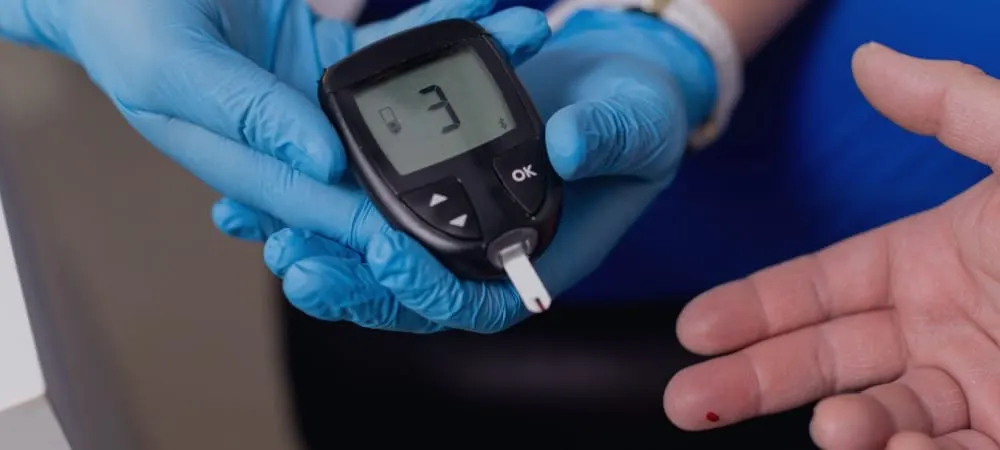
Regular blood sugar monitoring: An important part of diabetes treatment is regular blood sugar monitoring. Patients measure their blood sugar using home glucose meters and adjust their treatment according to the results.
Monitoring of complications: In diabetes management, the prevention and treatment of complications is also important. Regular eye examinations, kidney function tests, foot care and cardiovascular risk assessments should be carried out.
What Factors Reduce the Risk of Diabetes?
There are many steps that can be taken to reduce the risk of diabetes. Following a healthy diet is at the forefront of these steps. Consuming fiber-rich foods, whole grains, vegetables and fruits helps balance blood sugar levels. Avoiding sugary and processed foods is also important. Regular physical activity increases insulin sensitivity and helps with weight control. Quitting smoking, in addition to reducing the risk of diabetes, is also important for general health. If there is a family history of diabetes, it may be necessary to be more careful and to start lifestyle changes earlier.
What Are the Types of Diabetes?
There are three main types of diabetes. These are type 1 diabetes, type 2 diabetes and gestational diabetes. Type 1 diabetes is an autoimmune disease in which the immune system attacks and destroys the insulin-producing beta cells. For this reason, patients need lifelong insulin treatment. Type 2 diabetes is the most common form of diabetes. In this type, the body cannot produce sufficient insulin or cannot use insulin effectively (insulin resistance). Gestational diabetes develops during pregnancy. It is usually a type of diabetes that resolves after childbirth.
What Are the Complications of Diabetes?
Diabetes can lead to many serious complications in the long term. Cardiovascular diseases are one of the most serious complications of diabetes. Diabetes patients are at high risk for cardiovascular problems such as heart attack, stroke and peripheral artery disease. High blood sugar levels over time can impair kidney function and may even lead to kidney failure. It also causes damage to the blood vessels in the eyes, which can progress to blindness.
Another complication is diabetic neuropathy. Diabetic neuropathy causes nerve damage, leading to numbness or pain in the hands and feet. Foot ulcers caused by neuropathy and poor circulation are a serious problem that is difficult to heal and may lead to amputation in advanced cases.
Frequently Asked Questions
Maintaining a healthy lifestyle is very effective in reducing the risk of diabetes. This includes regular exercise, a balanced diet rich in fruits, vegetables and whole grains, and maintaining a healthy weight. Limiting sugar and saturated fat intake, avoiding smoking and controlling alcohol consumption also play an important role. Diabetes can appear at any age, but different types develop at different stages of life. Type 1 diabetes is usually diagnosed in children and young adults, while type 2 diabetes typically develops in adults over 45, although with rising rates of childhood obesity, type 2 diabetes is becoming increasingly common in younger individuals. Diabetes generally occurs when the body cannot properly regulate blood sugar levels. The way diabetes appears differs depending on the type, but in general, genetic predisposition, lifestyle factors and environmental triggers play a role in the development of diabetes. Diabetes that begins at a young age may have various causes. Genetic factors, environmental triggers and autoimmune reactions contribute to the development of diabetes. Due to rising obesity rates, poor nutrition and lack of physical activity, type 2 diabetes is affecting an increasing number of young individuals. Uncontrolled diabetes can lead to various health complications. These include cardiovascular diseases, kidney damage (nephropathy), nerve damage (neuropathy), eye problems (retinopathy), foot problems, skin disorders and an increased risk of infection. Prolonged high blood sugar levels can affect various organs and systems in the body. Proper management of diabetes is very important to prevent or delay these complications. Although people with diabetes can lead a normal life with appropriate management, certain precautions are necessary. Patients with diabetes should avoid excessive sugar and simple carbohydrate consumption, smoking and excessive alcohol consumption. Skipping meals, not taking medication, ignoring blood sugar levels and leading a sedentary lifestyle can also be dangerous for them. Patients with diabetes should focus on maintaining stable blood sugar levels through regular monitoring, adherence to medications and a balanced diet. They should pay attention to foot health, eye care and cardiovascular health through regular check-ups. Managing stress, staying physically active and learning about diabetes management are also very important.
Diabetes is a chronic disease that requires lifelong monitoring and regular treatment. With early diagnosis, the correct treatment plan and regular follow-up, it is possible to prevent the serious complications that diabetes may cause.
At Hisar Hospital Intercontinental, the diagnosis, treatment and long-term follow-up of diabetes are carried out with a multidisciplinary approach in collaboration with the Endocrinology and Metabolic Diseases, Internal Medicine, and Nutrition and Dietetics departments.
If you are experiencing symptoms of diabetes or are in a risk group, you can secure your health by making an appointment with the expert physicians of Hisar Hospital.
Start with the right assessment for What Is Diabetes? Symptoms, Types, Diagnosis and Treatment Methods
Share your symptoms with our specialist physicians; let us determine the right diagnosis and treatment plan together.
Warning
If your symptoms started suddenly, are progressing rapidly, or significantly restrict your daily life, consult a physician without delay.
Plan your What Is Diabetes? Symptoms, Types, Diagnosis and Treatment Methods journey with our specialists.
Fill in the form or book an appointment to learn about treatment options, the process and preparation.