If your gums bleed when you brush your teeth or bite into a hard food, do not take it lightly. Because gum bleeding provides information not only about your oral health, but also about your general health.
We spoke with Dt. Banu Okur Çakmakcı, Specialist in the Oral and Dental Health Department at Hisar Hospital Intercontinental, about why gum bleeding should be taken seriously.
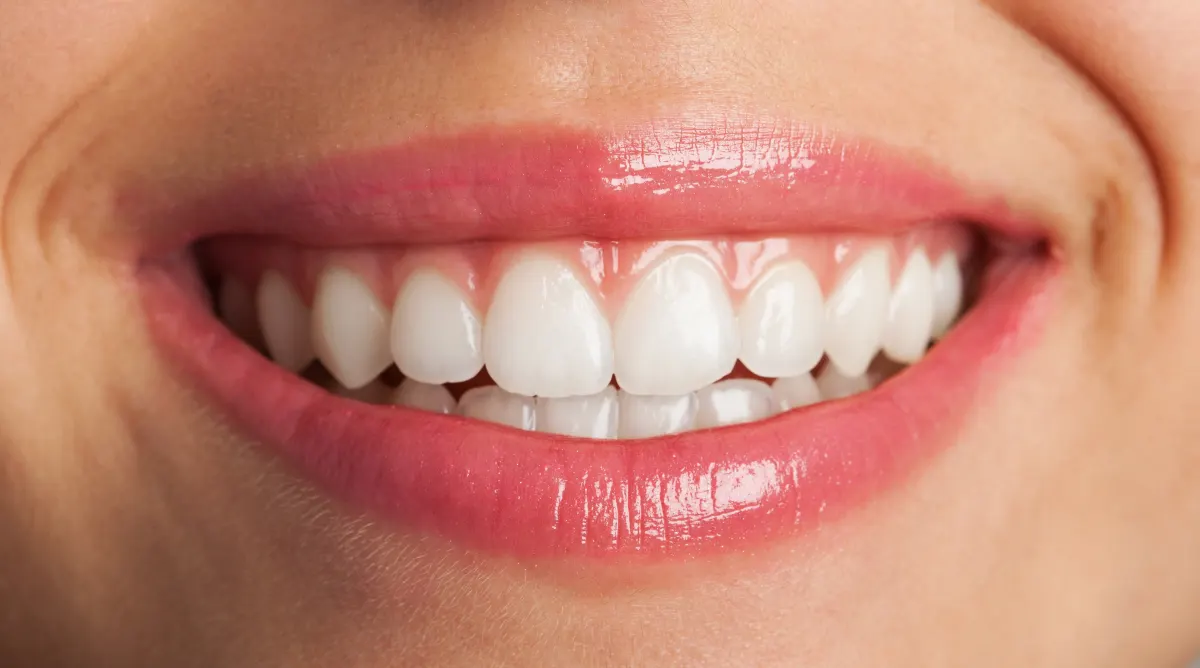
Dt. Banu Okur Çakmakcı states that healthy gums are rose-pink in color, firm in consistency, and matte, with a surface stippled like orange peel, and that they do not bleed while brushing teeth, while eating hard foods, or spontaneously. She said: ‘Gingival bleeding is the first and most important sign of gingival inflammation (gingivitis). Other signs of gingival inflammation include swelling of the gums, color changes, shininess and bad breath. If these signs are overlooked and the gums are not treated, the infection progresses and can deform deeper tissues, namely the bone holding the tooth and the fibers attaching the tooth to the bone. This condition is called periodontitis, and with this disease even teeth without cavities can become loose and fall out.’
Don't neglect your oral hygiene
The most important cause of gum inflammation is the lack of proper and regular oral care, which allows white deposits called “Microbial Dental Plaque”, containing millions of bacteria, to accumulate on the teeth. If these deposits are not removed from the teeth in the mouth thoroughly and with the correct technique, the gums become inflamed, and under the effect of calcium and phosphate ions found in saliva, the deposits harden and form dental calculus (tartar).
If there is bleeding while brushing your teeth, consult your dentist
Contrary to popular belief, dental calculus does not form spontaneously or get produced by the body. For this reason, if you notice bleeding from your gums while brushing your teeth or spontaneous bleeding, you should consult a dentist without delay. If you have gum inflammation resulting from poor oral hygiene, the treatment is quite simple. First, your dentist cleans your tartar, and you are shown how to properly care for your mouth.
Have a regular dental check-up every 6 months
Dental calculus cleaning is definitely not a treatment method that damages teeth or gums. There is no harm in having it done at the recommended intervals. If gum inflammation is diagnosed in its early stages, it can be brought under control with the initial treatment. After tartar cleaning, as your dentist recommends, you should brush your teeth at least twice a day (morning and evening) and use dental floss once a day (in the evening). In this way, you can easily prevent your gums from becoming diseased again. In addition to all this, visiting your dentist for a check-up every 6 months will facilitate early diagnosis if a problem arises again.
Start with the right assessment for Don't Ignore Gum Bleeding!
Share your symptoms with our specialist physicians; let us determine the right diagnosis and treatment plan together.
Warning
If your symptoms started suddenly, are progressing rapidly, or significantly restrict your daily life, consult a physician without delay.
Plan your Don't Ignore Gum Bleeding! journey with our specialists.
Fill in the form or book an appointment to learn about treatment options, the process and preparation.