What is Iron Deficiency? What Are Its Symptoms?
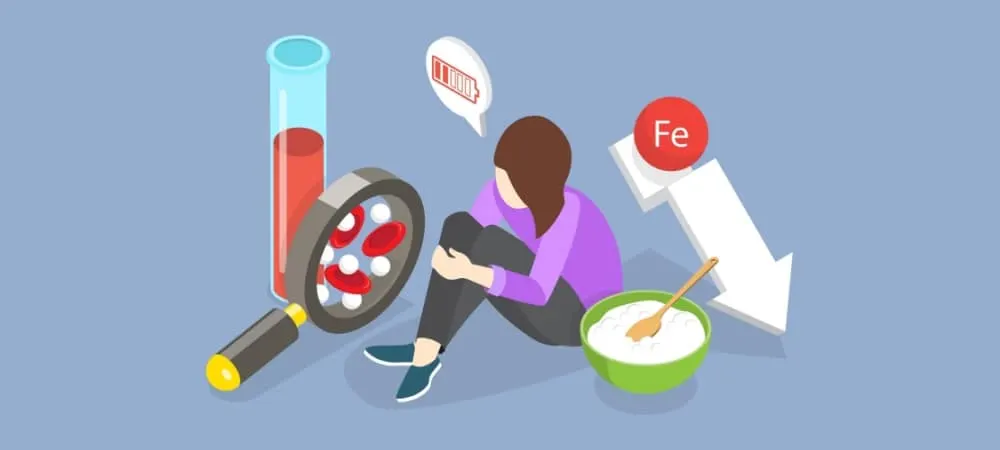
Iron deficiency is a nutritional deficiency characterized by low levels of iron in the body due to inadequate nutrition and pathological conditions. It typically begins asymptomatically in the early stages. If the body is not supplied with sufficient iron, symptoms of iron deficiency such as fatigue and shortness of breath occur. If left untreated, prolonged iron deficiency leads to anemia. For the diagnosis of iron deficiency, the doctor relies on a physical examination and blood tests. Treatment is carried out in two different ways depending on the dose and method of application: iron supplements and intravenous iron therapy. To prevent iron deficiency, plant-based and animal-based iron sources should be included in the diet.
What is Iron Deficiency?
Iron deficiency develops when iron is insufficient in body tissues and circulation. Anemia is a common blood disorder affecting red blood cells. Iron is part of the hemoglobin protein in red blood cells, which is responsible for carrying oxygen. It ensures the binding of oxygen to the structure of hemoglobin. In the absence of iron, oxygen cannot bind to red blood cells. Therefore, oxygen cannot be transported to body tissues. Iron deficiency frequently causes anemia. For this reason, iron deficiency anemia and iron deficiency are often seen as the same concept.
How Does Iron Deficiency Anemia Develop?
Iron is taken into the body from foods through a healthy and adequate diet. The body stores excess iron and uses it when needed. However, when sufficient iron is not provided through diet, iron stores in the body slowly decrease. Iron deficiency anemia occurs in three stages:
First stage: This is the asymptomatic period when iron stores are depleted and close to exhaustion. In this stage, the structure of red blood cells and hemoglobin is not affected. Only the amount of iron present in the body decreases.
Second stage: Red blood cell production changes, and red blood cells are produced without a sufficient level of hemoglobin. This causes red blood cells to be smaller than normal and pale in color.
Third stage: Due to low hemoglobin levels, sufficient oxygen cannot be supplied to the cells in the body. Symptoms such as fatigue, shortness of breath, and dizziness are specifically observed. Iron deficiency anemia develops.
What Are the Symptoms of Iron Deficiency?
Iron deficiency is a pathological condition that develops gradually. Its symptoms indicate the insufficiency of oxygen in the body. The symptoms of iron deficiency and iron deficiency anemia are the same. The occurring symptoms are:
Fatigue and weakness
Dizziness
Shortness of breath
Brittle nails
Pale skin
Cold hands and feet
Chest pain
Hair loss
Memory difficulties
Loss of concentration
Frequent infectious diseases
Symptoms of Iron Deficiency in Children
Iron deficiency frequently occurs in children due to inadequate nutrition and increased iron requirements associated with growth. Fatigue, dizziness, and shortness of breath resemble adult iron deficiency symptoms. In addition, the symptoms of iron deficiency seen in children are:
Eating non-food substances such as pica
Loss of appetite
Growth retardation
Behavioral disorders
Irritability
How is Iron Deficiency Diagnosed?
When a doctor is consulted for iron deficiency, diagnosis is made through physical examination and blood tests. Ultrasound, endoscopy, and colonoscopy tests may be applied to determine the cause of iron deficiency. The parameters in blood tests examined for iron deficiency are:
Hematocrit (Hct): Represents the percentage amount of red blood cells in blood volume.
Hemoglobin (Hb): Lower-than-normal hemoglobin levels are an indicator of iron deficiency anemia.
Serum iron (Fe): Indicates the amount of iron in circulation.
Ferritin: A protein that stores iron. Low ferritin levels indicate that the amount of stored iron is low.
Transferrin or total iron-binding capacity (TIBC): Transferrin is a protein that transports iron.
Soluble transferrin receptor (sTFR): Evaluating sTFR along with serum ferritin allows the assessment of red blood cell production and iron levels.
Red blood cell size and color: The size and color of red blood cells are examined under a microscope. In iron deficiency, red blood cells are smaller than normal and pale in color.
How is Iron Deficiency Treated?
Every condition causing iron deficiency must be addressed individually and eliminated. In mild iron deficiency, iron stores can be replenished with dietary recommendations. For the treatment of severe iron deficiencies, iron supplements are administered to the body. Iron supplements must be taken for several months or longer to replenish iron stores. Supplements for iron deficiency are given orally or intravenously. The iron compound to be applied in treatment and the route of administration depend on the severity of the iron deficiency, the causative factor, and the patient's clinical condition.
Iron supplements: Iron sulfate, fumarate, and gluconate iron salts are used. To increase the absorption of iron supplements, they should be taken on an empty stomach and with beverages rich in vitamin C. In this method, a portion of the iron is not absorbed and remains in the intestines. As a result, this may cause side effects such as vomiting, constipation, diarrhea, black stools, and nausea.
Intravenous iron: Intravenous iron is administered to patients who are intolerant to or do not respond to the components of iron supplements. It is more effective than iron supplements and leads to fewer side effects.
Blood transfusion: A red blood cell transfusion can be performed for patients with severe iron deficiency. This method quickly increases the amount of red blood cells and iron. It does not completely correct the iron deficiency.
What is the Process After Treatment for Iron Deficiency?
Iron requirements vary according to age, gender, and physiological (pregnancy and lactation) status. By consulting a doctor and dietitian, the body's daily iron needs can be learned. To prevent iron deficiency from developing again, the iron lost daily must be replaced through diet. Additionally, the following dietary changes can be made to prevent iron deficiency:
Meat, poultry, and fish should be included in the diet.
Beans and other legumes should be consumed together with grains. This increases the absorption of iron found in legumes.
Dark green vegetables that are good sources of iron, such as spinach, should be consumed.
Iron-fortified cereals and pasta should be consumed.
Fruits and vegetables rich in vitamin C should be consumed to increase iron absorption.
Consuming animal and plant-based iron sources together increases iron absorption.
To increase iron absorption from vegetables, vegetables should be consumed cooked.
Tea and coffee negatively affect iron absorption. Therefore, they should not be consumed with meals.
Phytates and fibers found in whole grains reduce iron absorption. Therefore, whole wheat products should be preferred instead of whole grain products.
Frequently Asked Questions About Iron Deficiency
Iron ensures the growth and development of cells by providing oxygen transport to all cells in the body. In iron deficiency, sufficient oxygen cannot reach hair cells either. As a result, hair loss occurs in iron deficiency. Myoglobin in muscle cells is a protein responsible for storing oxygen. Its ability to bind with oxygen is due to iron. Therefore, in the absence of iron, a disorder in myoglobin production results in insufficient oxygen reaching the muscles. Consequently, severe iron deficiency causes painful cramps in the lower leg during exercise. In pregnancy, consuming animal iron sources, lean red meat, chicken, and fish supports recovery from iron deficiency. In addition to animal sources, increasing the consumption of plant-based iron sources such as legumes, dried fruits, and dark green leafy foods can eliminate iron deficiency during pregnancy. In iron deficiency, pain can be seen in different regions depending on the area where oxygen is insufficient. Iron deficiency can cause abdominal pain, headaches, chest pain, tongue pain, and muscle pain. Iron deficiency anemia is a frequently developing health problem in babies. Especially being fed only with breast milk can cause iron deficiency anemia because breast milk is poor in iron. Babies fed with breast milk should receive iron supplements until complementary feeding begins. Foods rich in iron can be added to the baby's diet during complementary feeding. If the baby is fed with iron-fortified formula, there is no need to take iron supplements. It is not certain that iron deficiency causes acne. However, deficiencies in vitamins B12, B6, and folic acid generally cause acne. After fatigue and shortness of breath, a major symptom of iron deficiency is dizziness. Dizziness can generally be seen when anemia develops. The requirement for iron increases with the increase in blood volume during pregnancy. If daily iron needs are not met, iron deficiency may occur. In iron deficiency during pregnancy, besides symptoms such as dizziness, fatigue, shortness of breath, and pale skin, rapid heartbeat and hypotension may also occur due to iron insufficiency. The relationship between vitamin D and iron deficiency depends on its effects on iron metabolism and its efficacy in hemoglobin and myoglobin production. Vitamin D deficiency can cause iron deficiency by suppressing red blood cell production. At the same time, it stimulates the suppression of red blood cell production by increasing the level of an important liver enzyme for iron metabolism. If left untreated, vitamin D deficiency can lead to iron deficiency.
Iron deficiency and iron deficiency anemia are important health problems that require accurate identification of the underlying cause. At Hisar Hospital Intercontinental, the cause of iron deficiency is determined through comprehensive blood tests by our experienced internal medicine specialists, and a personalized treatment plan is created.
If you are experiencing symptoms of iron deficiency or wish to have a detailed evaluation of your blood values, you can safely initiate your examination and treatment process by applying to the Internal Medicine department at Hisar Hospital Intercontinental.
Start with the right assessment for What is Iron Deficiency? Symptoms, Causes, and Treatment Methods
Share your symptoms with our specialist physicians; let us determine the right diagnosis and treatment plan together.
Warning
If your symptoms started suddenly, are progressing rapidly, or significantly restrict your daily life, consult a physician without delay.
Plan your What is Iron Deficiency? Symptoms, Causes, and Treatment Methods journey with our specialists.
Fill in the form or book an appointment to learn about treatment options, the process and preparation.