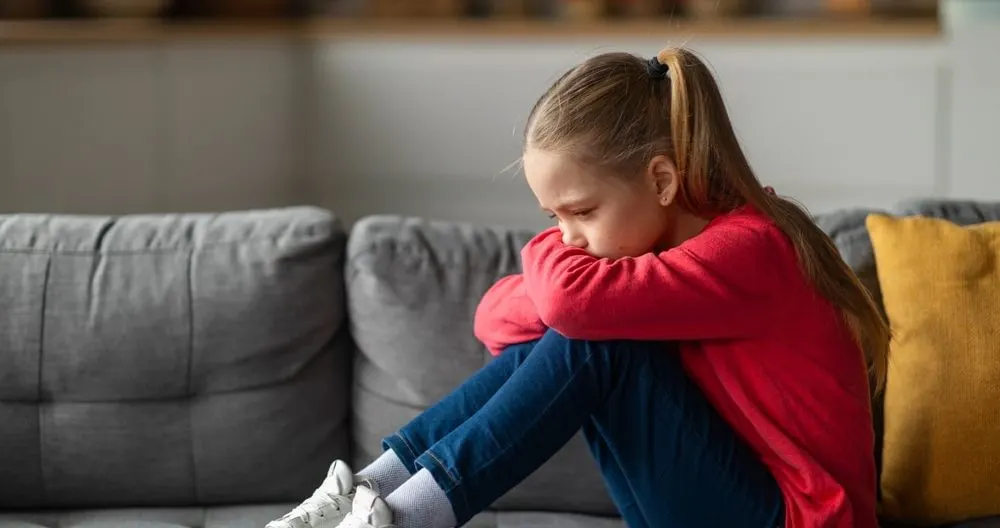
Anxiety disorder in children refers to a state of excessive anxiety and worry that affects children's lives and goes beyond normal developmental stages. Such a disorder can negatively affect a child's daily life, causing problems in areas such as school, peer relationships and family relationships. If you notice persistent signs of anxiety in your child, it is important to consult a child psychologist or psychiatrist. Early diagnosis and treatment can help support your child's healthy psychological development.
What Causes Anxiety Disorder in Children?
Anxiety disorder in children may develop as a result of the interaction of a number of complex factors. Causes of anxiety in children and factors that influence the development of anxiety disorders:
Genetic Factors: Family history may increase the risk of anxiety disorder in children. If there is a history of anxiety disorder in the family, the child may also have a tendency toward this type of disorder.
Problems in the Brain: Changes in neurotransmitters in the brain and chemical imbalances may lead to the development of anxiety disorders.
Environmental Factors: Environmental factors such as traumatic events, family stress and school difficulties can affect a child's level of anxiety. Negative experiences can prevent children from feeling safe.
Learned Behaviors: Children may learn anxious behaviors they observe from their families or their surroundings. If family members are constantly worried or anxious, the child may model these behaviors.
Stressful Life Changes: Major life changes such as moving, the birth of a new sibling or divorce can increase anxiety in children.
Temperament Traits: Some children are born more shy or sensitive; in such cases, personality traits can also increase the predisposition to anxiety disorders.
Cognitive Factors: The way children think and interpret events can also affect their anxiety levels. Negative or excessively worried thinking patterns can increase anxiety.
Coping Skills: Children's failure to develop healthy coping skills and their inability to deal with stressful situations can increase anxiety.
Family Communication and Support: The quality of communication within the family and the way family members support the child can affect the child's level of anxiety.
How Is Anxiety Disorder in Children Diagnosed?
Diagnosis of anxiety disorder in children is usually made as a result of an evaluation process carried out by a specialist. The diagnosis of anxiety disorder in children includes the following steps:
Detailed Clinical Evaluation: The child psychologist or psychiatrist asks detailed questions to fully understand the anxiety symptoms of the child and the family. In this process, the child's developmental history, family structure, school situation and other life factors are taken into account.
Observation and Assessment: The specialist may observe the child's behaviors and emotional responses. This can help gain a better understanding of the child's level of anxiety, social interactions, and areas such as attention and concentration ability.
Structured Assessment Tools: Standardized psychological assessment tools may be used to evaluate the child's level of anxiety. Such tools can provide more detailed information about the child's specific symptoms.
Interviews with the Child and Family: Separate interviews with both the child and family members are important for better understanding the child's anxiety symptoms, evaluating family dynamics and creating treatment plans.
Differential Diagnosis: The specialist compares the child's symptoms with other psychological or medical conditions to make an accurate diagnosis.
Creating a Treatment Plan: If the child is diagnosed with anxiety disorder, the specialist creates a treatment plan. This plan is shaped according to individual needs and the severity of the symptoms.
Since anxiety disorder can be confused with other psychological problems, it is important that the diagnosis is made by a specialist physician in order for correct treatment to take place.
What are the symptoms of anxiety disorder?
Symptoms of anxiety disorder may vary depending on the child's health condition and the different types of anxiety disorders. Common symptoms of anxiety disorders:
Persistent worry and a state of anxiety
Adjustment problems, restlessness
Difficulty concentrating
Stomach pain, muscle tension and fatigue
A state of constant anxiety without periodic panic attacks or obsessions
Excessive shyness
Fear of speaking or performing in front of others
Avoidance of situations such as eating in public
Fear of separation from parents or caregivers
Avoidance of going to school or moving away from home
Intense distress and sadness caused by being separated
Panic attacks
Shortness of breath
Heart palpitations, chest pain
Fear of death or going crazy associated with panic attacks
Recurrent, unwanted obsessions (for example, fear of being dirty)
Repetitive compulsions (for example, handwashing, counting)
How is anxiety disorder treated?
Treatment of anxiety disorder may vary according to the child's age, the severity and the type of symptoms. Treatment may generally include methods such as psychotherapy (therapy), education, family involvement and, when necessary, medication. Commonly used methods for the treatment of anxiety disorder in children:
Cognitive Behavioral Therapy (CBT): This is the most widely used treatment method. CBT aims to help the individual recognize, question and change negative thought patterns. In this way, it helps reduce anxiety symptoms.
Exposure Therapy: It involves the person facing their fears and worries in a controlled manner. This helps reduce fears and supports the development of the individual's ability to cope with their fears.
Acceptance and Commitment Therapy (ACT): Acceptance and commitment therapy focuses on helping the individual develop skills to cope with distressing thoughts and emotions. It addresses acceptance, mindfulness and taking action.
Medication Treatment: Antidepressants and anxiolytic medications determined by a specialist physician may be used to relieve anxiety symptoms. Medication treatment is generally considered for severe symptoms or situations where other treatment methods have been ineffective.
Relaxation Techniques and Lifestyle Changes: Relaxation techniques such as deep breathing and meditation can help manage anxiety symptoms. Healthy nutrition, regular physical activity and adequate sleep can improve overall mood and reduce anxiety.
Family Involvement: Including family members in the treatment process is especially important for children and adolescents.
Education and Information: Providing the individual and their family with education about the nature, symptoms and treatment methods of anxiety disorder has a positive effect on the treatment process.
Frequently Asked Questions About Anxiety Disorder in Children
Anxiety disorder in children affects not only the children themselves but also everyone around them, especially their families. For this reason, they want to learn more about anxiety disorder and know what can be done in this situation. Some questions about anxiety disorder in children can be answered as follows: Domestic violence is one of the important factors that can lead to anxiety disorder in children and adults. Domestic violence refers to a situation in which an individual is physically, emotionally or psychologically harmed, neglected or subjected to abuse. Children growing up in such an environment tend to develop anxiety and other psychological problems. Domestic violence damages children's emotional safety and can lead to traumatic experiences. In such an environment, children may constantly feel under threat, and this situation can lead to excessive anxiety.
Domestic violence can similarly cause anxiety disorder in adults. Adults in a violent relationship may constantly think they are in danger, and this situation can lead to excessive anxiety. At the same time, adults exposed to violence may also experience traumatic experiences. For children and adults to get out of such a situation and maintain a healthy life, they may need to seek professional help. Therapy, support groups and, if necessary, medication treatment can help in managing anxiety disorder resulting from domestic violence. To prevent anxiety disorder in children and adolescents, families can take the following measures:
Communicating in a Healthy Way
Displaying Behaviors That Serve as Positive Role Models
Stress Management
Establishing a Balanced Routine
Doing Family Activities
Controlling Social Media Use
Building Social Bonds
Providing Reassurance in Situations That May Cause Anxiety
Seeking Professional Help When Needed
Anxiety disorder can appear at any age range, but different types of anxiety disorders are more common in certain age ranges. Anxiety disorders that are more commonly seen in different age ranges include:
Childhood: Separation anxiety, specific phobia (for example, darkness), social phobia
Adolescence: Generalized anxiety disorder, panic attacks, obsessive-compulsive disorder
Adulthood: Generalized anxiety disorder, social anxiety disorder, obsessive-compulsive disorder, post-traumatic stress disorder
When anxiety disorder is not treated, it can lead to various negative outcomes. It can have effects on both physical and psychological health. Situations that may arise when anxiety disorder is not treated:
Physical Health Problems: Chronic anxiety can create a constant stress response in the body. This may increase the risk of physical health problems such as high blood pressure, heart disease, stomach problems and headaches.
Social Isolation: Severe anxiety can result in avoidance of social interactions and isolation. This can affect a person's relationships and increase feelings of loneliness.
Decreased Functionality: Since anxiety disorder affects daily functioning, it can lead to outcomes such as difficulty focusing on school, work or other responsibilities, poor performance and inefficiency.
Depression: Untreated anxiety disorder may increase the risk of depression. Anxiety and depression are conditions that are often seen together.
Dependence: Anxiety disorder carries the risk that the individual may turn to harmful behaviors to reduce stress. Alcohol, drugs or cigarettes are dangerous habits that people may turn to in order to cope with anxiety.
Emotional and Mental Distress: Constant anxiety may cause a person to feel emotionally exhausted and mentally distressed. Constant worry, difficulty concentrating and restlessness may be experienced.
Decline in Quality of Life: Since anxiety disorder reduces a person's overall quality of life, the person may withdraw from daily activities and things they enjoy.
Relationship Problems: Constant anxiety can negatively affect relationships and lead to difficulties such as excessive jealousy, insecurity and constant worry.
If you think your child is experiencing symptoms of anxiety disorder, instead of intervening yourself, please consult a specialist. In this way, you can learn the right approach, and an appropriate treatment plan can be created by the doctor according to the level of anxiety disorder.
Start with the right assessment for What Is Anxiety Disorder in Children?
Share your symptoms with our specialist physicians; let us determine the right diagnosis and treatment plan together.
Warning
If your symptoms started suddenly, are progressing rapidly, or significantly restrict your daily life, consult a physician without delay.
Plan your What Is Anxiety Disorder in Children? journey with our specialists.
Fill in the form or book an appointment to learn about treatment options, the process and preparation.