

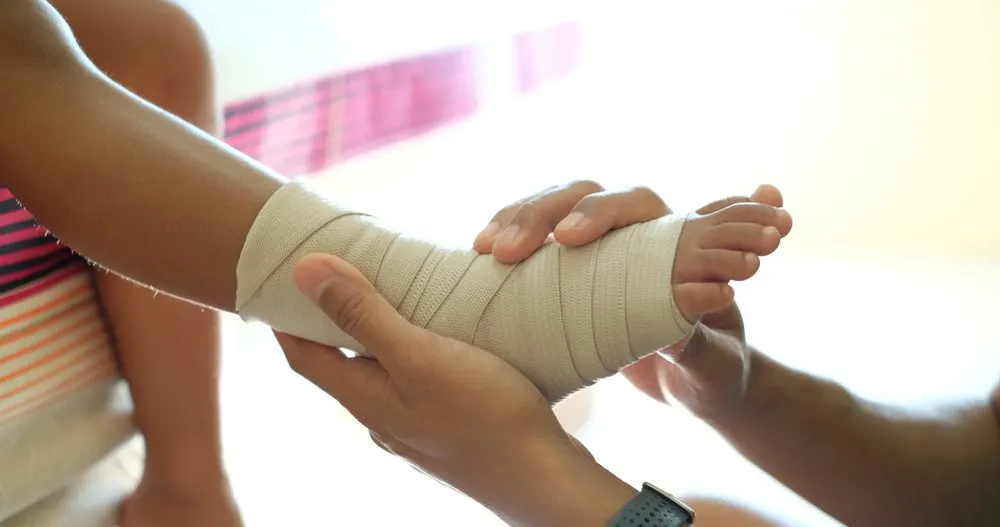
Muscle pain and muscle weakness symptoms may begin to appear in childhood due to various factors. While joint weakness accompanied by symptoms such as muscle pain, cramps or bone pain may be considered rheumatological diseases, some neurological diseases may also be at its root. The symptoms that develop may occur intermittently or gradually, with increasing severity, or suddenly, and they can significantly affect the child's daily life. If the family observes muscle weakness or the child complains about it, consulting a healthcare facility is of critical importance. If muscle weakness is detected, ensuring that its treatment is not interrupted may be vital.
What Is Muscle Weakness in Children?
Complaints of joint and leg pain are common in childhood. The pain is usually based on muscle pain, which is referred to as growing pains. However, in some children, pain or fatigue may develop due to muscle weakness. Muscle weakness in children is the term used to describe a condition in which the muscles, tendons and connective tissue of one or more joints are weak and feeble. Muscle weakness may limit the child's daily movements and may cause various symptoms to emerge. Muscle weakness may appear congenitally or later in life. If it develops congenitally, genetic factors or some complications during birth may be at the root of it. If muscle weakness is experienced at later stages, factors such as injuries, neuromuscular diseases or prolonged immobility may be involved. Identifying the underlying cause of joint weakness, which may lead to conditions such as poor muscle tone, chronic fatigue or limited range of movement, and providing treatment where necessary, is extremely important.
What Causes Muscle Weakness in Children?
In children, muscle weakness may arise due to various causes. Muscle weakness, injuries or various diseases may bring along joint weakness. The factors causing muscle weakness may vary from child to child. For this reason, the underlying cause of the weakness must be correctly identified and a person-specific treatment plan must be made. The factors that may cause joint weakness in children are as follows.
Muscle weakness: one of the most common causes of muscle weakness in children is muscle weakness itself. Muscles are the structures necessary to enable and support joint movements. If the muscles are not strong enough, it may be difficult to ensure joint stability, and this may reduce joint strength.
Neuromuscular diseases: some neuromuscular diseases may cause muscles to become weak or feeble, and this condition may create joint weaknesses alongside it. The presence of genetic diseases such as spinal muscular atrophy (SMA) and Duchenne muscular dystrophy is primarily examined. Such neuromuscular diseases may lead to muscle weakness.
Injuries: in children, muscle weakness may develop as a result of certain injuries. Muscles may weaken as a result of muscle strain, fracture or ligament injury. Muscle weakening may, in turn, lead to the development of muscle weakness.
Prolonged inactivity: in children, muscle loss and weakness may be observed during prolonged periods of inactivity, or in other words, immobilization. In situations such as casting of a limb following a fracture, or prolonged bed rest due to illness, muscles may become weak and muscle weakness may develop.
Genetic factors: muscle weakness may have been passed on to the child through genetic factors. Muscle weakness may be observed due to hereditary diseases or in line with congenital disorders.
What Are the Symptoms of Muscle Weakness in Children?
Muscle weakness may cause various symptoms in children. Muscle weaknesses, which often bring along the problem of poor muscle tone, may limit mobility in children. Balance problems and the child complaining of pain and fatigue are frequently encountered, while joint weakness may cause the following symptoms.
Difficulty standing
Balance problems during activities such as walking or running
Increased frequency of falls
Difficulty or limitation in joint movements
Getting tired quickly during physical activities
What Are the Diagnostic Methods for Muscle Weakness in Children?
If muscle weakness is suspected, various diagnostic methods are applied in line with the symptoms the child displays. First, the doctor evaluates the child's joints and muscles during a physical examination carried out by a pediatric neurology or rheumatology specialist. During the examination, muscle strength, range of motion, balance and reflexes are assessed. Signs such as weak muscles or limited range of motion may be identified during the physical examination. Following the physical examination, developmental assessments are carried out to evaluate the child's motor skills and developmental level. If there is muscle weakness, developmental delays or restrictions may be seen in children. After the assessments, various tests and imaging techniques are applied. Thanks to electromyography (EMG) testing, the electrical activity of the muscles can be measured. If joint weakness develops due to a neuromuscular disorder, this can be detected by EMG. Then imaging tests are applied. With imaging tests such as X-ray, magnetic resonance imaging (MRI) or ultrasound, damage that may occur in joint structures and muscles is detected. Due to injuries or anatomical disorders
muscle weakness develops, this can be noticed through imaging techniques. In some cases, blood tests are also used. Blood tests are used to detect neuromuscular diseases or inflammatory conditions. Through these tests, the levels of specific proteins or enzymes can be measured, and the disease that may be causing the muscle weakness can be identified.
What Are the Treatment Methods for Muscle Weakness in Children?
Once the main condition causing muscle weakness has been identified, a person-specific treatment plan is made. Treatment may vary depending on the child's condition, the symptoms they develop and the severity of those symptoms. Physical therapy comes first in the treatment of muscle weakness. To increase the child's muscle strength and improve their range of motion and balance, physical therapy is applied under the guidance of a physiotherapist. In some cases, rehabilitation programs may also be applied so that the child can adapt to daily life activities. With rehabilitation programs, the child's functional skills can be developed and movement abilities can be optimized.
In cases where muscle weakness is severe, assistive devices such as standing frames, walkers or wheelchairs may need to be used. In this way, the child's mobility can be increased or they can be enabled to move safely.
If an anatomical disorder is causing muscle weakness, surgical interventions may be considered. The surgical intervention to be performed varies according to the child's condition and needs.
If a neuromuscular disease is present in the child, various drug treatments may be considered. With the medications used, symptoms may be alleviated, muscle strength may increase, and if inflammation develops, it may be reduced. Treatment plans may also be made to prevent or slow the progression of the disease. Medications must be prescribed by a pediatric neurologist specialized in the field, and regular follow-up with a doctor must be ensured.
Hisar Hospital Intercontinental has a Pediatric Neurology unit. Many doctors specialized in Pediatric Neurology serve at our hospital. If symptoms of muscle weakness are observed, Hisar Hospital Intercontinental can be consulted. All the tests needed to diagnose neurological diseases are available at our hospitals. Once a correct diagnosis has been made, the medical devices needed as part of treatment are also available at Hisar Hospital Intercontinental.
Frequently Asked Questions;
Muscle weakness in children may be congenital. This condition, known as congenital myopathy, can be noticed at birth and is defined as any genetic muscle disorder involving a deficiency of muscle tone. Myopathy may occur if there is a problem in the muscle itself, in a nerve that works in the muscle, or in the brain itself. Treatment of muscle weakness in children is planned according to the child's age, general health condition and medical history. Depending on the main problem causing the muscle weakness, physical therapy, rehabilitation and drug treatments may be applied, or surgical interventions may be carried out. Treatment of muscle weakness is usually carried out with a multidisciplinary approach. There are different types of muscle weakness. Muscle weaknesses are divided into different groups, namely generalized, localized, proximal, distal and symmetrical muscle weakness. If a symptom related to muscle weakness is observed in a child, a pediatrician must definitely be consulted. Following the general examination carried out by the doctor, the child may be referred to a pediatric neurologist or pediatric rheumatologist. If symptoms of muscle weakness are observed, the family must not ignore them and must definitely apply to a healthcare facility. The doctor's recommendations must not be ignored. If the child is referred to different departments, all necessary tests must be completed and the opinions of doctors must be obtained. In cases requiring treatment, treatment must not be interrupted. To ensure the child's physical and psychological health is not adversely affected, physiotherapy and rehabilitation support may be obtained. Muscle weakness and muscle pain do not directly cause respiratory distress. However, if neuromuscular or rheumatological diseases are present, respiratory functions may be adversely affected, and this may lead to the development of respiratory distress. Muscle weaknesses are generally reversible problems. However, if neuromuscular diseases such as SMA are present or if the planned treatment is interrupted, the symptoms that develop may be permanent.
Start with the right assessment for What Causes Muscle Weakness in Children and How Is It Treated?
Share your symptoms with our specialist physicians; let us determine the right diagnosis and treatment plan together.
Warning
If your symptoms started suddenly, are progressing rapidly, or significantly restrict your daily life, consult a physician without delay.
Plan your What Causes Muscle Weakness in Children and How Is It Treated? journey with our specialists.
Fill in the form or book an appointment to learn about treatment options, the process and preparation.




