

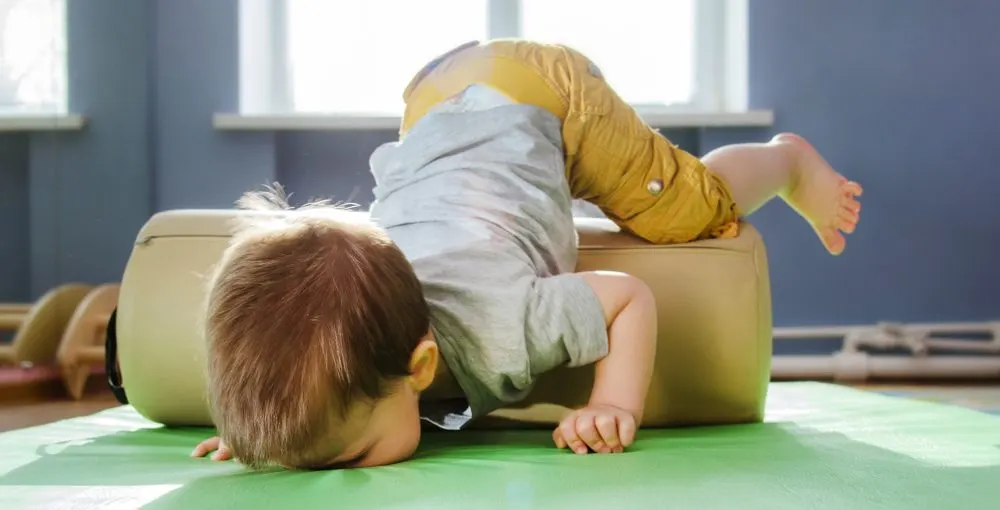
What Can Be Done for Balance Loss in Children? How Is It Recognized?
Imbalance in children is a condition that arises as a result of disruptions in the normal development of motor skills. As a result, a child's ability to move, maintain balance, use hand-eye coordination and perform motor skills properly is adversely affected. Imbalance can cause children to have difficulties in daily life activities, school performance, sports activities and social interactions. The causes of imbalance in children may depend on many different factors. Commonly seen causes may include developmental coordination disorder, inner ear problems, nervous system disorders, muscle weakness, and attention deficit hyperactivity disorder.
In cases of imbalance in children, certain precautions and treatment approaches can help. The first thing to do is to consult a pediatric specialist. The specialist physician may refer to different medical branches such as neurology, ear, nose and throat, or pedagogy when deemed necessary. After the evaluation, physiotherapy and physical activities aimed at developing muscle strength, psychotherapies, play therapies or medical treatments may be applied. If it is thought that the child has a persistent balance problem, consulting a specialist and taking the necessary treatment or referral steps can be arranged.
What Is Balance Loss in Children?
The term imbalance in children is generally used to describe children who have difficulty with motor skills or balance control. Imbalance in children refers to problems with balance and coordination abilities, and this condition may cause the child to lose control of their body, tend to fall and have difficulty with movements. Although the exact cause of imbalance in children is not fully known, a number of factors such as congenital physical developmental problems, genetic factors, differences in brain development, premature birth, insufficient movement experience or environmental influences may cause this condition to develop.
Imbalance occurs when the child has difficulty maintaining stability or balancing their body in basic movements such as walking, running, and jumping. Applied treatments can help the child increase muscle strength, improve balance skills and improve coordination. Children developing motor skills and maintaining balance have a positive effect on daily life activities, sports activities and success at school.
What Are the Situations in Which Balance Loss in Children Occurs?
Imbalance in children may result from different causes, congenital or acquired. Some conditions that cause imbalance in children are as follows:
Inner ear problems: Problems with the balance organs located in the inner ear can cause balance disorders in children. Conditions such as inner ear infections, labyrinthitis and Meniere's disease can lead to balance problems.
Neurological problems: Problems related to the brain and nervous system can cause balance problems in children. These may include diseases such as cerebral palsy, cerebellar ataxia, migraine and epilepsy.
Developmental coordination disorder: Balance problems are frequently seen in children with developmental coordination disorder (DCD).
Muscle weakness or coordination problems: Some children may experience balance problems due to muscle weakness or coordination problems. These may include conditions such as muscular dystrophy, hypotonia (low muscle tone), hypertonia (high muscle tone) and motor developmental delay.
Medication use: Some medications or their side effects can lead to balance problems in children. For example, some epilepsy medications or attention deficit hyperactivity disorder (ADHD) medications may affect balance.
Trauma or injury: Trauma, blows or injuries affecting the head, brain or inner ear area can cause balance problems in children. Conditions such as head trauma, inner ear damage and concussion can cause balance problems.
Sensory integration problems: Children with sensory integration problems may have difficulties perceiving their bodies and their relationship with their environment. In this case, balance problems may also occur.
If you have noticed that your child is afraid of falling and you suspect balance problems, it is recommended that you consult a pediatric specialist. Specialists can evaluate your child's condition and make the correct diagnosis by conducting the necessary examinations. Treatment may consist of strategies aimed at developing the child's balance skills through exercises, therapy or other supportive methods.
What Are the Symptoms of Balance Loss in Children?
Symptoms of imbalance in children may vary depending on the child's age, the cause of the balance problem and its severity. Although symptoms of imbalance in children vary from child to child, some common symptoms may include:
Delays in motor skills: Children may experience delays in learning basic motor skills such as walking, running and climbing stairs compared to their peers. Signs of coordination deficiency may also be seen in other motor skills such as holding, throwing and catching.
Balance problems: Children may have difficulty maintaining balance while standing or moving, may fall frequently or may experience a significant loss of balance. The child may avoid riding moving equipment (such as swings and slides) or participating in spinning movements. They may show symptoms such as dizziness, nausea or headache.
Difficulties in hand-eye coordination: Children may have difficulty with skills requiring hand-eye coordination, such as catching, throwing and holding objects. For example, they may tend to miss the target in sports activities such as hitting a ball or shooting at a goal.
Weakness in fine motor skills: Difficulties may be experienced in fine motor skills such as handwriting, buttoning, zipping and using scissors.
Stillness or lack of attention in movement skills: Children may have difficulty regulating their movements or may quickly move on to other activities without completing their movements. They may perform compensatory movements such as spreading or swinging their arms and legs to maintain balance.
If some of the symptoms mentioned above are observed, specialists evaluate the child's medical history, perform a physical examination and may resort to certain tests when necessary to make a definitive diagnosis.
How Is It Treated?
Treatment of imbalance in children may include different approaches to alleviate the child's balance problems and improve motor skills. Some treatment methods for this condition are as follows:
Multidisciplinary approach: A multidisciplinary approach is generally preferred in the treatment of imbalance in children. This approach involves specialists (occupational therapists, physiotherapists, speech therapists, pedagogues, psychologists, etc.) working as a team to create an individualized treatment plan tailored to the child's needs.
Occupational therapy: Occupational therapists can offer strategies and exercises to facilitate the child's daily life activities (eating, dressing, schoolwork, etc.). Therapy may be applied for purposes such as improving hand-eye coordination, strengthening fine motor skills and teaching daily life skills. Occupational therapists may also communicate with school administrators about what needs to be done for the child's school success.
Physiotherapy: Physiotherapists can offer exercises and activities to develop the child's motor skills and ensure balance. They may focus on topics such as strengthening, balancing, posture correction and muscle flexibility.
Speech therapy: Speech therapy may also be needed in the treatment of imbalance in children. Speech therapists can provide support in areas such as strengthening mouth muscles and developing language and speech skills.
School cooperation: The child's balance problems may affect school performance. Therefore, it may be necessary to cooperate with educators and make an education plan suitable for the child's needs. Teachers can offer suggestions and strategies to provide appropriate support and adaptation in the classroom.
Exercises that can be done at home: To learn about exercises and activities that can be done at home regarding the child's balance problem, recommendations can be obtained from specialists. These exercises may aim to develop balance, coordination and motor skills. In addition, individual sports activities such as swimming or cycling can also be good alternatives for improving motor skills.
Positive and supportive environment: It is important to provide a positive and supportive environment to increase your child's self-confidence and motivation. Appreciating the child's achievements, encouraging them and supporting their daily life skills are important.
Some of the treatment methods mentioned above may vary depending on the child's age, the cause of the balance problem and its severity. Therefore, when a child has a balance problem, it is important to consult a specialist and create a treatment plan suitable for the child's individual needs.
Frequently Asked Questions:
Imbalance in children can affect the child's daily activities, movements, games and even school performance. Therefore, if you think your child has such a condition, you can apply to a healthcare institution for early diagnosis and treatment. At Hisar Hospital Intercontinental, there are pediatric sub-specialties needed to complete treatment, most of which are not available in every hospital.
Parents may wonder about some questions that can help them better understand their child's balance problem and research appropriate treatment options. Some of the frequently asked questions and answers about imbalance in children are as follows:
Characteristic symptoms of balance disorder in children may include persistent falling, a tendency to fall, or loss of balance while walking or running. Balance disorder in children may also include symptoms such as difficulty coordinating movements, difficulties with hand-eye coordination, being less skillful than other children in sports or games, tiring quickly, physical strain, or failing at fine motor skills such as writing and drawing. If your child is constantly afraid of falling, this may indicate a balance problem. Balance problems can increase the risk of falling in children and affect the child's sense of security. Therefore, a child who is constantly afraid of falling may be thought to have balance problems. However, fear of falling alone may not be a definitive symptom, and whether the child has other balance problem symptoms should also be taken into account. Whether the balance problem is temporary or permanent may vary depending on the child's condition, the cause of the imbalance and the response to treatment. In some children, the balance problem may be temporary and may improve over time with appropriate treatment and rehabilitation. In some cases, however, the balance problem may be permanent. For example, a neurological disorder may cause permanent balance problems, and such conditions generally require long-term treatment.
Start with the right assessment for What Can Be Done for Balance Loss in Children? How Is It Recognized?
Share your symptoms with our specialist physicians; let us determine the right diagnosis and treatment plan together.
Warning
If your symptoms started suddenly, are progressing rapidly, or significantly restrict your daily life, consult a physician without delay.
Plan your What Can Be Done for Balance Loss in Children? How Is It Recognized? journey with our specialists.
Fill in the form or book an appointment to learn about treatment options, the process and preparation.




