Palpitations in Children
Palpitations in children are a condition that can cause concern for parents. Palpitations are defined as a child feeling their heartbeat differently or irregularly. This condition, which is generally characterized by a sensation of a fast or irregular heartbeat, can affect the quality of life of children and their families. Palpitations in children can occur for a number of different reasons and can sometimes be a sign of a serious medical problem. You can continue reading the article to learn more about palpitations in children.
What Do Palpitations in Children Mean?
Palpitations in children are generally defined as a sensation of a fast, irregular, or abnormal heartbeat. This condition may result from the child's heart beating faster or more irregularly than normal. Children may experience increased heartbeats from time to time when they are excited, scared, or physically active.
The causes of palpitations seen in children may include:
Physiological Causes: A child's heart rate and rhythm can change depending on their growth and development periods. Therefore, fast heartbeats can sometimes be a normal condition.
Stress and Anxiety: Children can feel stressed or anxious just like adults. These emotions can increase the heartbeat.
Physical Activity: Heartbeats may increase during exercise or physical activity. This means the heart is pumping faster to provide the oxygen the body needs.
Caffeine and Stimulants: Caffeine and caffeine-style stimulants can accelerate heartbeats in children.
Infections: Some infections can also affect heartbeats in children.
Arrhythmias: Although rare, abnormal heart rhythms or arrhythmias can develop in children. These conditions can make heartbeats irregular.
Thyroid Problems: The thyroid gland not functioning properly can also affect heartbeats.
Hereditary Factors: Family history can affect a child's heart health.
If palpitations occur frequently and at a level that affects daily life, a physician should be consulted. The physician will evaluate your child's medical history, perform a physical examination, and may recommend additional tests if necessary. Remember that palpitations are usually not serious and may be due to natural causes. However, it is always best to get an expert opinion.
How Are Palpitations Diagnosed?
The diagnosis of palpitations in children generally involves a series of steps:
Taking Patient History: A detailed patient history is taken based on the child's age, medical history, and symptoms. This may include information such as how often the palpitations occur, how long they last, and other accompanying symptoms.
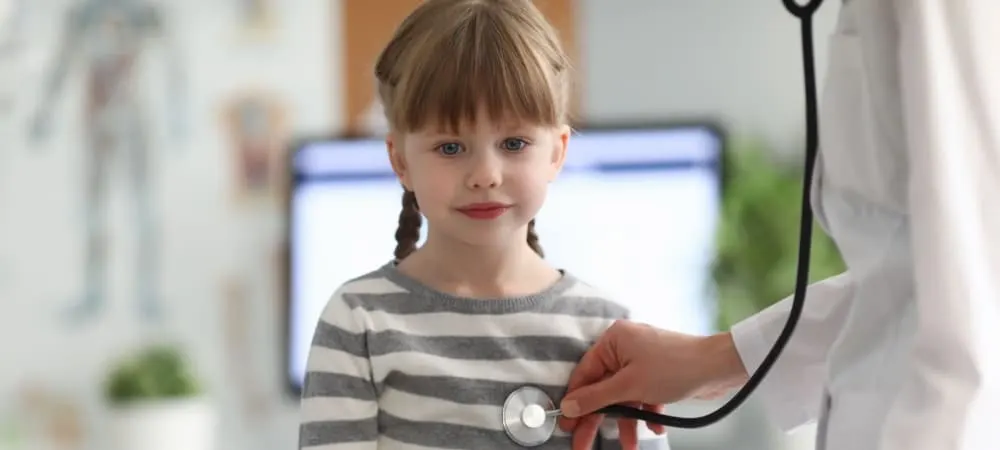
Physical Examination: The pediatrician listens to the child's heartbeat, checks their pulse, and evaluates their general health status. Abnormal heart sounds or rhythms can be detected during the physical examination.
Electrocardiography (ECG): An ECG is a test that measures the child's heart rhythm and electrical activity. Electrodes are placed on the child's skin and the heart's electrical activity is recorded. This test can help detect heart rhythm disorders.
Holter Monitor: This portable device records the child's heart rhythm for more than 24 hours. This can be useful for detecting rhythm problems that occur rarely.
Echocardiography (ECHO): An ECHO allows the child's heart to be imaged using ultrasound waves. The heart chambers, valves, and blood flow can be examined.
Blood Tests: Blood tests may be requested to evaluate factors that may affect the child's health status, such as thyroid function.
High Physical Activity Tests: If the child's palpitations occur during physical activity, the doctor may evaluate the child's heart rhythm and response during high-tempo exercise.
The diagnostic process may vary depending on the child's symptoms and findings. A pediatrician or pediatric cardiologist will take the necessary steps for an accurate diagnosis.
What Are the Symptoms of Palpitations in Children?
Symptoms of palpitations in children may include:
Sensation of Fast Heartbeat: Children may experience a sensation of a heartbeat that is faster or more irregular than normal. They may feel their heartbeats more noticeably.
Chest Pain or Discomfort: Children may experience pain, pressure, or discomfort in the chest area along with palpitations.
Dizziness or Lightheadedness: Palpitations can cause feelings of dizziness or fainting in children.
Shortness of Breath: Fast or irregular heartbeats can lead to shortness of breath in children.
Fatigue Easily: Abnormal heart rhythms can affect the child's energy levels, causing them to tire quickly.
Headache: Palpitations can sometimes cause headaches in children.
Feeling of Sadness or Anxiety During Palpitations: Children may experience feelings of anxiety or restlessness during moments of palpitations.
Other Symptoms Accompanying Palpitations: Other symptoms accompanying palpitations such as nausea, vomiting, sweating, and weakness may also be seen.
How Are Palpitations Treated?
In treatments, different methods can be applied depending on the factors causing the disease and the severity of the symptoms. Some methods used in the treatment of palpitations are as follows;
Treatment of the Underlying Cause: If the cause of the palpitations is determined, treatment is directed at this underlying cause. For example, palpitations can be brought under control by treating underlying health problems such as thyroid issues or electrolyte imbalances.
Stress Management: Stress or anxiety can be a cause of palpitations. In this case, it may be aimed to reduce palpitations by teaching the child stress management techniques.
Nutrition and Stimulants: Consumption of stimulants such as caffeine and energy drinks can trigger palpitations. It may be recommended to limit such substances by reviewing the child's diet.
Drug Therapy: Depending on the patient's condition, drugs with different mechanisms of action may be prescribed. For example, drugs that help regulate heart rhythm or drugs used in cases of anxiety can be used for this purpose.
Physical Activity Management: If palpitations occur during physical activity, the intensity and duration of the activity can be adjusted by reviewing the child's exercise routine.
Heart Health Precautions: Maintaining a healthy lifestyle, eating a balanced diet, and regular physical activity can help prevent palpitations.
Doctor Follow-up: Regular doctor check-ups are important for determining the underlying cause and monitoring the treatment plan.
Since every child's condition is different, the treatment method is personalized according to the child's symptoms and health history. If your child is experiencing palpitations, consulting a pediatrician is the most appropriate step.
Frequently Asked Questions
Palpitations in children is a commonly seen condition among the public. Therefore, it is one of the topics of curiosity. You can find the frequently asked questions about palpitations in children and their answers below. The most prominent feature of palpitations can generally be defined as "feeling the heartbeats noticeably" or "a sensation of a faster, irregular, or stronger heartbeat than normal." This condition stands out as children experiencing their heartbeats in a way that is different from normal. There is no scientific evidence that palpitations cause direct developmental delay in children. Palpitations are generally defined as the sensation of heartbeats being fast, irregular, or abnormal and are usually associated with heart rhythm disorders, stress, physical activity, or other factors. These are not conditions that have the potential to hinder a child's normal development.
However, if the child's palpitations are serious or persistent and it is thought that they may be a sign of an underlying health problem, it is important to have an expert evaluate them and create an appropriate treatment plan. Conditions such as developmental delay are usually associated with different factors, and the child's general health status, nutrition, lifestyle, and other factors can be effective in this regard. Whether palpitations in children are congenital usually depends on the underlying causes. A congenital palpitation condition can be detected, but it is a rare situation for palpitations to be congenital and it can usually point to underlying heart problems. Therefore, a detailed examination by a pediatrician or pediatric cardiologist may be required to evaluate whether a child has congenital palpitations. The first person to consult with a complaint of palpitations in children is a pediatrician. The pediatrician examines the child and may refer them to a pediatric cardiologist if they deem it necessary. Doctors specializing in pediatric cardiology can evaluate children's heart health, request the necessary tests to determine the underlying causes of palpitations, and create an appropriate treatment plan. If your child has a complaint of palpitations, consulting a pediatric cardiologist would be the most appropriate step.
Palpitations in children can occur for many different reasons and may require detailed evaluation in some cases. If you observe symptoms of palpitations in your child, you can contact our expert physicians for early diagnosis and correct treatment.
To get detailed information and an expert opinion, you can review our Department of Pediatrics or easily create an appointment via our appointment page.
Start with the right assessment for Symptoms and Treatment Methods for Palpitations in Children
Share your symptoms with our specialist physicians; let us determine the right diagnosis and treatment plan together.
Warning
If your symptoms started suddenly, are progressing rapidly, or significantly restrict your daily life, consult a physician without delay.
Plan your Symptoms and Treatment Methods for Palpitations in Children journey with our specialists.
Fill in the form or book an appointment to learn about treatment options, the process and preparation.