

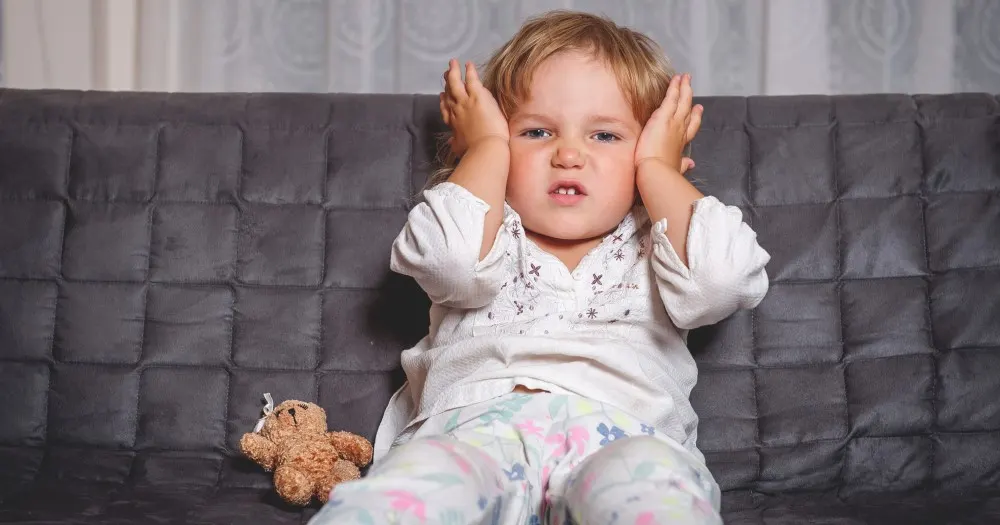
Watch for Headaches in Children
Headache is a common condition in childhood. Headaches in children may be caused by a health problem such as infectious diseases or sinusitis, but in some cases serious health problems such as meningitis can also cause headaches. For this reason, headaches in children are a health problem that should not be taken lightly. Questions such as “What causes headaches in children and how do they go away?” and “When should a doctor be consulted for a child’s headache?” are addressed in detail in the following sections of this article.
What Does a Headache in Children Indicate?
Headaches in children and adults can occur for many reasons. A headache itself is not a disease, but another health problem can cause a headache. Although the exact cause of headaches in children is often unknown, it is important to thoroughly investigate what is causing the pain. The main health problems that can cause headaches in children are listed below:
Migraine: Migraine is one of the first conditions that comes to mind when the causes of headaches in both adults and children are discussed. Migraine is a health problem that most often presents as throbbing pain attacks on one side of the head, and in some cases on both sides. In some children, before the pain begins, symptoms called aura may occur, such as sensitivity to light, flashing lights in the eyes, and mood changes. Aura is rare in migraine seen in children. However, in attacks accompanied by aura, the aura usually appears about half an hour before the headache begins. In children, migraine can also present with throbbing pain on one side of the head, sensitivity to sound and light, dizziness, and nausea. Although rare, in some children only stomach problems may appear during migraine attacks instead of headache.
Tension-type headache: One of the most common types of headache seen in children is tension-type headache. Tension-type headache is usually a mild to moderate headache triggered by stress. Compared with migraine, tension-type headache is milder in intensity. If children describe the headache as a band wrapped around the head or as if something is squeezing the head, tension-type headache may be suspected. Tension-type headache may often be accompanied by pain in the neck, face, and jaw.
Cluster headache: Although rare in children, it is a type of headache that presents with very severe pain when it occurs. In cluster headache, the pain reaches its maximum intensity within 5-10 minutes after it begins and can last up to 3 hours.
Chronic headache: If pain continues for 15 days or longer, it may be referred to as chronic headache. Since a long-lasting headache in children may be caused by an underlying serious health problem, it is important for the child to be thoroughly examined by a specialist doctor. Therefore, if your child has a headache that does not go away after several days, do not hesitate to go to the nearest health facility without delay and have the necessary examinations done.
Sinusitis: The face contains air-filled cavities called sinuses. These cavities can become inflamed, swollen, and blocked due to viral or bacterial infections such as the common cold, or due to allergens. As a result, symptoms such as pain in the face and head area and nasal congestion may appear.
Meningitis: Meningitis is inflammation of the membranes surrounding the brain and spinal cord caused by viral or bacterial infections. In addition, non-infectious health problems such as head trauma can also cause meningitis. Meningitis that is not treated in its early stages can lead to more serious health problems and even to the loss of life.
In addition to those listed above, more serious health problems such as brain tumors and encephalitis can also cause headaches in children.
When Is a Hospital Visit Necessary?
A headache in children may result from a simple cause, but it can also result from a more serious health problem such as meningitis or brain trauma. Headaches caused by an underlying health problem are also called secondary headaches. Since it is not easy for parents to determine the cause of their children’s headaches, it is important for every headache to be investigated by a specialist doctor. However, in some cases, it is necessary to go to the nearest health facility without delay. The main situations that require a hospital visit without delay are as follows (4):
If the child has recently experienced a fall and/or a blow to the head that could lead to a head injury,
If the child has any of the signs of meningitis, such as neck stiffness or high fever,
If the headache is accompanied by other complaints such as vomiting or nausea,
If there is severe pain that does not go away with painkillers,
If the child has a headache severe enough to wake them from sleep,
If the pain worsens when the child lies down due to increased intracranial pressure,
In the case of recurrent headaches more than twice a week, it is important to visit the hospital without delay.
If your child has one or more symptoms such as severe headache, nausea, or high fever, do not hesitate to make an appointment with a specialist doctor and have the necessary examinations done.
Does Headache Accompany Infectious Diseases?
There are many causes that can lead to headache. One of them is infectious diseases. Infectious diseases are diseases that occur when microorganisms such as viruses, bacteria, parasites, and fungi enter the body and multiply there. In infectious diseases caused by viruses, such as the common cold and influenza, symptoms such as nasal congestion may be seen. In addition, infectious diseases such as sinusitis and ear and/or throat infections can also cause headaches.
Can Headache Be Caused by an Eye Disorder?
There is a widespread belief that headaches in children may be caused by eye disorders. This belief is partly true. In particular, eye disorders are among the causes of tension-type headache. In addition, some studies conducted on children who applied to health facilities with complaints of headache show that headaches in children are rarely related to a vision problem.
Frequently Asked Questions
Headache is a frequently occurring condition in children. Although it usually arises from a simple cause such as the common cold, the underlying cause of headaches in children needs to be understood through a detailed evaluation by a specialist doctor. Some of the frequently asked questions about headaches in children are detailed below. Children looking at screens for long periods may develop headaches due to eye strain. A sudden headache in children can have many different causes. Although rare, a headache in children that starts suddenly and gradually worsens may be a sign of an important health problem. For example, a sudden headache triggered by physical activity may result from a serious health problem such as increased pressure of the cerebrospinal fluid. A sudden headache that persists continuously for three days after it begins may be caused by an infection such as meningitis or a health problem such as head trauma. Therefore, especially in the case of a sudden headache, it is important to consult a specialist doctor without delay. In infectious diseases such as the common cold, symptoms such as sore throat, runny nose, and fever may be accompanied by headache. However, fever may not be seen with every headache. Headache often occurs for a simple reason such as stress. In other words, not every headache is a sign of disease. However, in the case of headache, it is important to consult a specialist doctor to rule out serious health problems. If there is only a headache, in some cases it may be helpful for children to use age-appropriate painkillers. However, before giving any medication to a child, it is important to consult a specialist doctor and use only the medications prescribed by the doctor. Children drinking less water than they need can lead to dehydration, that is, fluid loss. When the body is deprived of water, the brain and other tissues begin to shrink. In this case, the shrinking brain may put pressure on the nerves and cause headache. In dehydration, headache is accompanied by symptoms such as fatigue, dizziness, and dry mouth. When water is given to the child, the brain returns to its normal size and the headache goes away. Stress is one of the leading causes of headaches in children. Stress-related tension-type headache is frequently seen in school-age children. Although headache in children is a common and usually not serious health problem, since serious diseases can also cause headaches, it is important to visit the nearest health facility without delay if a child has a headache. If your child has complaints such as headache, do not hesitate to make an appointment with a specialist doctor and have the necessary examinations done without delay.
Start with the right assessment for Watch for Headaches in Children
Share your symptoms with our specialist physicians; let us determine the right diagnosis and treatment plan together.
Warning
If your symptoms started suddenly, are progressing rapidly, or significantly restrict your daily life, consult a physician without delay.
Plan your Watch for Headaches in Children journey with our specialists.
Fill in the form or book an appointment to learn about treatment options, the process and preparation.




