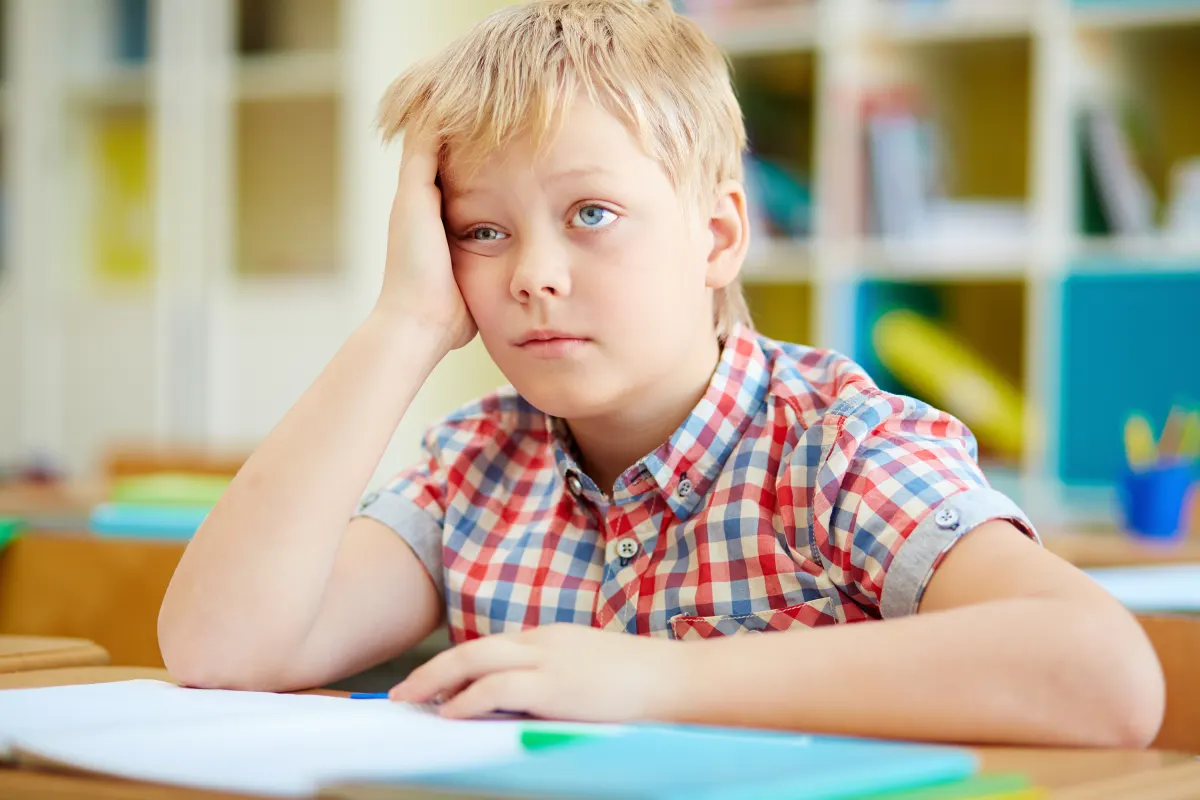
Until very recently, it was believed that depression was not seen in children. As in adults, depression can also occur in children. Although there are important similarities in the main symptoms of depression in adolescents and children compared with adults, there are also clear differences related to age. Because children and adolescents have less life experience than adults and cannot describe their emotional state in words as well as adults can, they usually show their depression through their behavior. A depressed child may show behavioral signs such as increased restlessness, becoming more irritable and tense, or not listening to instructions. In addition, each child's and adolescent's depression is different from another's. Some children become extremely withdrawn and lethargic when depressed, while in others the opposite occurs, with an inability to sit still and restlessness. If you observe these signs in your child, it would be helpful to consult a child and adolescent psychiatrist:
Feeling unhappy and empty
Being unable to enjoy things they used to enjoy, or no longer liking them as much as before, "I don't feel like it"
Feeling hopeless about the future
Thoughts of worthlessness: frequently saying that no one at home loves them, or that their sibling is loved more
Feelings of guilt; blaming themselves for all negative events
Frequently talking about death and killing themselves; "I'll run away, if only I could die and be free." It is essential to take seriously when children and adolescents talk about killing themselves or about death. This sign alone may be a warning of a hidden depression.
Attempting suicide or engaging in other self-harming behavior (cutting their arm with a razor blade)
Pestering parents until they wear down, difficulties in close relationships, frequent arguments and sulking
Feeling tense, distressed and restless; frequently using the expression 'Ugh, I'm so bored'
Physical complaints: frequent headaches, stomach aches or feeling tired. Physical complaints are a form of request for help to relieve the distress within the child. They are seen more often in the children of particularly rule-bound and controlling parents.
Changes in appetite; eating less or more than before
Sleep disturbances; going to bed late, difficulty waking up, being unable to sleep alone, being afraid before falling asleep and during sleep, frequently saying they have had bad dreams at night
Decreased self-confidence
Irritability and outbursts of anger
Excessive sensitivity to criticism
Decreased interest in school and declining academic performance
Deterioration in friendships or forming negative friendships, feeling lonely
Tantrums are common in a depressed child, but they differ from the tantrums of a normal child. A normal child insists on something for a while and, if it is not granted, accepts it and waits. A depressed child, however, demands things aimlessly. They have a single purpose: to project the unhappiness and sense of distress inside them onto the people who love them most. Depression is more frequently found among the close relatives of depressed children, especially first-degree relatives such as their mothers.Similarly, children of depressed adults show depression more often than children of healthy adults. If you observe these signs in your children, it would be helpful to consult a child and adolescent psychiatrist as soon as possible.
Start with the right assessment for Depression in Children and Adolescents
Share your symptoms with our specialist physicians; let us determine the right diagnosis and treatment plan together.
Warning
If your symptoms started suddenly, are progressing rapidly, or significantly restrict your daily life, consult a physician without delay.
Plan your Depression in Children and Adolescents journey with our specialists.
Fill in the form or book an appointment to learn about treatment options, the process and preparation.