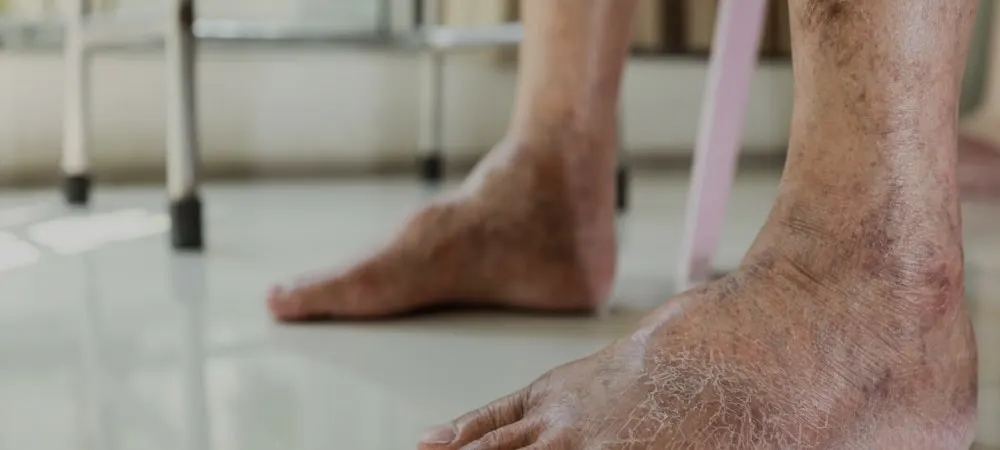
Beriberi Disease
Beriberi disease is a health condition caused by a deficiency of vitamin B1. Vitamin B1, which has limited storage in body tissues, plays a role in cellular metabolic pathways. Vitamin B1 or thiamine is a vitamin that must be continuously taken into the body. It is found most abundantly in cereal grains and certain seeds. Additionally, thiamine-fortified foods are available in some countries. Vitamin B1, which is widely found in foods, can be lost during the processing of food products.
The peripheral nervous system, central nervous system, and cardiovascular system can be adversely affected by thiamine deficiency. Thiamine deficiency, which is generally seen in underdeveloped countries, can occur in developed countries due to alcoholism and surgical reasons. Specifically, pregnant women, individuals who have undergone bariatric surgery, those who are malnourished, and individuals receiving treatments such as chronic diuretics are at risk for thiamine deficiency. Beriberi disease can follow an acute or chronic course and may not be immediately noticed during a clinical examination. Unless extensive tissue damage is observed, thiamine deficiency can be treated and completely eliminated, but it can lead to life-threatening problems in chronic cases.
What is Beriberi Disease?
Beriberi disease is defined as a deficiency of thiamine pyrophosphate in the body. Thiamine pyrophosphate is the active form of vitamin B1, called "thiamine." It acts as a coenzyme in carbohydrate metabolism in the body. The human body cannot synthesize thiamine and therefore must take it in regularly through food. It can be stored in tissues up to approximately 30 milligrams and is found in high concentrations in skeletal muscles. It can also be found in certain amounts in the liver, heart, kidneys, and brain. The half-life of thiamine in the body is approximately 9 to 18 days. It is recommended that adult individuals take 1.0-1.4 milligrams of thiamine daily.
Vitamin B1 deficiency can develop as a result of malnutrition or excessive excretion from the body. When thiamine stores are depleted, certain symptoms may appear in the body. In the absence of thiamine, lactic acid and pyruvic acid accumulate in the body, which can lead to nervous system and cardiac findings in particular. Additionally, thiamine deficiency can occur due to secondary causes such as pregnancy, hyperthyroidism, etc. Thiamine deficiency can lead to the development of types of beriberi disease such as Wernicke-Korsakoff syndrome, dry beriberi, and wet beriberi. Dry beriberi is associated with the nervous system and loss of muscle strength. Wernicke-Korsakoff is linked to brain abnormalities, and wet beriberi disease is linked to heart problems.
What Are the Symptoms of Beriberi Disease?
The symptoms of beriberi disease can vary depending on which form it is in. The peripheral and central nervous systems, sensory organs, and cardiovascular system can be adversely affected by beriberi disease. The first symptoms of vitamin B1 deficiency or beriberi disease are generally loss of appetite, weight loss, irritable mood, and short-term memory problems. If not diagnosed and treated, beriberi can cause the following symptoms in the long term:
Loss of sensation in the limbs,
Swelling in the hands and feet,
Dizziness,
Double vision,
Memory loss,
Chest pain,
Confusion.
Dry beriberi can show findings affecting the peripheral nervous system. These are mainly as follows:
Decreased reflexes,
Tingling in the toes,
A pins-and-needles sensation in the fingers,
Cramps and pain in the legs,
Loss of muscle strength,
Muscle wasting.
If dry beriberi progresses, it can also affect the arms and hands. Wernicke-Korsakoff encephalopathy, another variation of dry beriberi, typically affects the central nervous system. These may include involuntary eye movements, confusion, nausea and vomiting, fever, difficulty walking, etc. When Wernicke-Korsakoff is not treated, it can lead to progressive mental disorders, coma, and death. Wet beriberi is a medical emergency and affects the cardiovascular system. Wet beriberi disease may carry the risk of heart failure, palpitations, cardiomyopathy, and peripheral edema.
What Causes Beriberi Disease?
The causes of beriberi disease can be insufficient thiamine intake, absorption problems in the intestines, higher-than-normal thiamine usage in the body, and higher-than-normal excretion from the body. There are many physiological and environmental conditions that trigger these causes. The causes and risk factors for thiamine deficiency and, consequently, beriberi disease can be as follows:
Chronic alcoholism,
Gastric bypass and other bariatric surgeries,
Malnutrition,
Malabsorption syndrome,
Parenteral nutrition,
Hyperthyroidism,
Celiac disease,
Kidney diseases,
Liver diseases,
Anorexia nervosa,
Diabetes,
Pregnancy and breastfeeding,
Renal replacement therapy (dialysis),
Diarrhea,
Diuretics, antibiotics, and diabetic medications,
Refeeding syndrome,
HIV/AIDS,
Aging.
The treatment methods for beriberi disease are determined based on the source of the condition. For this reason, identifying the cause of beriberi holds an important place.
How is Beriberi Disease Diagnosed?
Although there is no specific path for the diagnosis of beriberi disease, more than one test can be resorted to. Taking a family history and reviewing medical history can assist in diagnosis. A physical examination includes checking for the effects that thiamine deficiency has left on the body. Findings such as palpitations, edema, reflex and gait problems, the presence of eye movements and drooping eyelids, coordination problems, and muscle pain and weakness are evaluated during the physical and neurological examination. Information such as vitamin values, electrolyte levels, TSH, and the production of other hormones via blood tests are helpful pieces of information in making a diagnosis. Additionally, vitamin and electrolyte values excreted from the body can be detected through urine tests. Imaging methods such as MRI may be preferred to determine the health problems underlying thiamine deficiency. The diagnosis is confirmed by the alleviation of symptoms as a result of using thiamine supplements.
How is Beriberi Disease Treated?
All forms of beriberi disease are treated by replacing the thiamine that is deficient in the body. Beriberi disease vitamin supplementation is usually given orally. Since vitamin B1 (thiamine) can often be associated with other B vitamin deficiencies, multivitamin treatment may be preferred. In the presence of severe and serious symptoms, thiamine supplementation can be given intravenously as an emergency intervention. In addition to treating the underlying health problem of beriberi disease, patients are encouraged to follow an adequate and balanced diet. It may be recommended to take more thiamine than the amount that should be taken daily. There should be no alcohol consumption during the treatment process. Most beriberi patients show improvement with treatment. However, even in people who recover completely, recurrent deficiencies may occur in the future. Because it affects the central nervous system, Wernicke-Korsakoff syndrome is a medical emergency. For this reason, high-dose thiamine is injected intravenously or intramuscularly, and the patient is kept under observation. In some people with Wernicke-Korsakoff syndrome, brain damage may be partially permanent. During the treatment process, blood tests are repeated to check whether the response to treatment is positive.
Frequently Asked Questions
The main cause of beriberi disease is insufficient thiamine pyrophosphate levels in the body. Thiamine pyrophosphate is the biologically active form of vitamin B1 or thiamine. It plays a role in metabolic events by binding to enzymes in the body. It is an important vitamin for muscle and nervous system activities. Beriberi is most commonly seen in populations where white rice and milled grains are consumed heavily, in those who consume alcohol, in those with chronic diseases, in pregnant and breastfeeding women, in those who have undergone bariatric surgery, in people with nutritional disorders, and in those who constantly use diuretics and similar medications. At the same time, the development of beriberi due to various diseases can be seen temporarily. Beriberi disease is not a contagious disease. It is a deficiency based on factors such as insufficient intake of thiamine, which is not produced in the human body, or excessive removal from the body, or insufficient absorption. It can follow an acute or chronic course and is treatable. It does not have the property of being transmitted from person to person. Wet beriberi is a clinical picture in which the heart pumps more blood and beats faster in the case of thiamine deficiency. As a result of heart abnormalities, blood vessels dilate, fluid accumulates in the lungs, blood pressure drops, and edema appears in the legs. Dry beriberi is associated with abnormalities in the muscle and nervous system. It can be seen in the form of cramps in the legs, muscle weakness, tingling in the hands and feet, burning in the feet, and muscle wasting. Heart damage associated with wet beriberi is reversible. Wet beriberi can be treated and complete recovery can be achieved, but if acute heart failure develops during this process, there is a possibility that damage may remain. Nervous system damage associated with dry beriberi can be reversed with early intervention. In these cases where early medical treatment is not provided, memory problems and confusion may not improve with treatment. When Wernicke-Korsakoff is treated, nervous system findings may disappear, but there is a risk of developing Korsakoff syndrome/psychosis. Untreated beriberi disease can be fatal. Beriberi disease that is diagnosed and treated early can be brought under control, and symptoms can be improved rapidly. Wernicke-Korsakoff, a variation of dry beriberi, requires emergency intervention. If Wernicke-Korsakoff is not treated, symptoms can worsen and lead to coma and death. The diagnosis of beriberi can be made through family history, evaluation of symptoms, medical history, examination of medications and supplements used, physical examination, and blood and urine tests. Your doctor may suggest additional tests for a definitive diagnosis. Thiamine vitamin is used within the scope of the treatment of beriberi disease. Thiamine supplementation is at the core of treatment for all forms of wet and dry beriberi and Wernicke-Korsakoff. Since B-group vitamin deficiencies generally show simultaneous insufficiency, it may be given together with other B-group vitamins. Beriberi can be seen frequently in individuals who use alcohol. Excessive alcohol consumption can make it difficult for the body to absorb thiamine, accelerate its excretion in urine, and as a result, prevent its storage in tissues. Additionally, alcohol can stimulate other vitamin deficiencies, and this situation can trigger thiamine deficiency. It can prevent adequate and balanced nutrition and make daily vitamin intake difficult. Beriberi disease can be seen in children and infants. This clinical picture, called infantile beriberi, occurs as a result of a mother with thiamine deficiency breastfeeding her baby or feeding the baby with formulas that do not contain sufficient thiamine. Less commonly, the mother undergoing dialysis or using high-dose diuretic drugs may be among the reasons. It can usually be seen in 3-4 week old babies. It may have symptoms such as the absence or slowness of reflexes.
Start with the right assessment for What is Beriberi Disease? Symptoms, Causes, and Treatment
Share your symptoms with our specialist physicians; let us determine the right diagnosis and treatment plan together.
Warning
If your symptoms started suddenly, are progressing rapidly, or significantly restrict your daily life, consult a physician without delay.
Plan your What is Beriberi Disease? Symptoms, Causes, and Treatment journey with our specialists.
Fill in the form or book an appointment to learn about treatment options, the process and preparation.